The reviews present a mixed portrait of Canon Lodge Care Center with clear strengths in direct resident-facing care and rehabilitation but recurring operational weaknesses that families should evaluate. Many reviewers praised the caregiving staff for being compassionate and attentive; several accounts highlight successful rehabilitation outcomes, effective therapists, on-site medical availability, thoughtful care coordination with families, and welcoming communal spaces. Admissions staff and certain front-line employees are frequently described as informative and helpful, and activity programming — including spiritual services and therapy-dog visits — is repeatedly cited as a positive contributor to resident quality of life.
At the same time, a number of persistent concerns emerge around staffing, responsiveness, and management oversight. Multiple reviewers described delays in attending to call bells and requests, with particular variability between daytime/weekend and night-shift coverage. These patterns suggest inconsistent staffing levels and shift coverage that affect timely care delivery. Related operational issues include gaps in staff training and conduct specific to eldercare, weaknesses in lift/transfer controls, and even allegations of on-duty substance-use concerns; together these raise safety and supervision questions that warrant direct discussion with facility leadership.
Dining and activities are generally regarded positively for meal quality and engagement opportunities, but there are also inconsistencies in service and accommodations. Some reviewers praised nutritious, well-prepared meals and accessible dining with family, while others noted limited options (for example, breakfast-protein choices and decaffeinated coffee), unmet small-equipment requests, and occasional lapses in meal continuity. Activity programming and spiritual connection are strengths for residents seeking engagement.
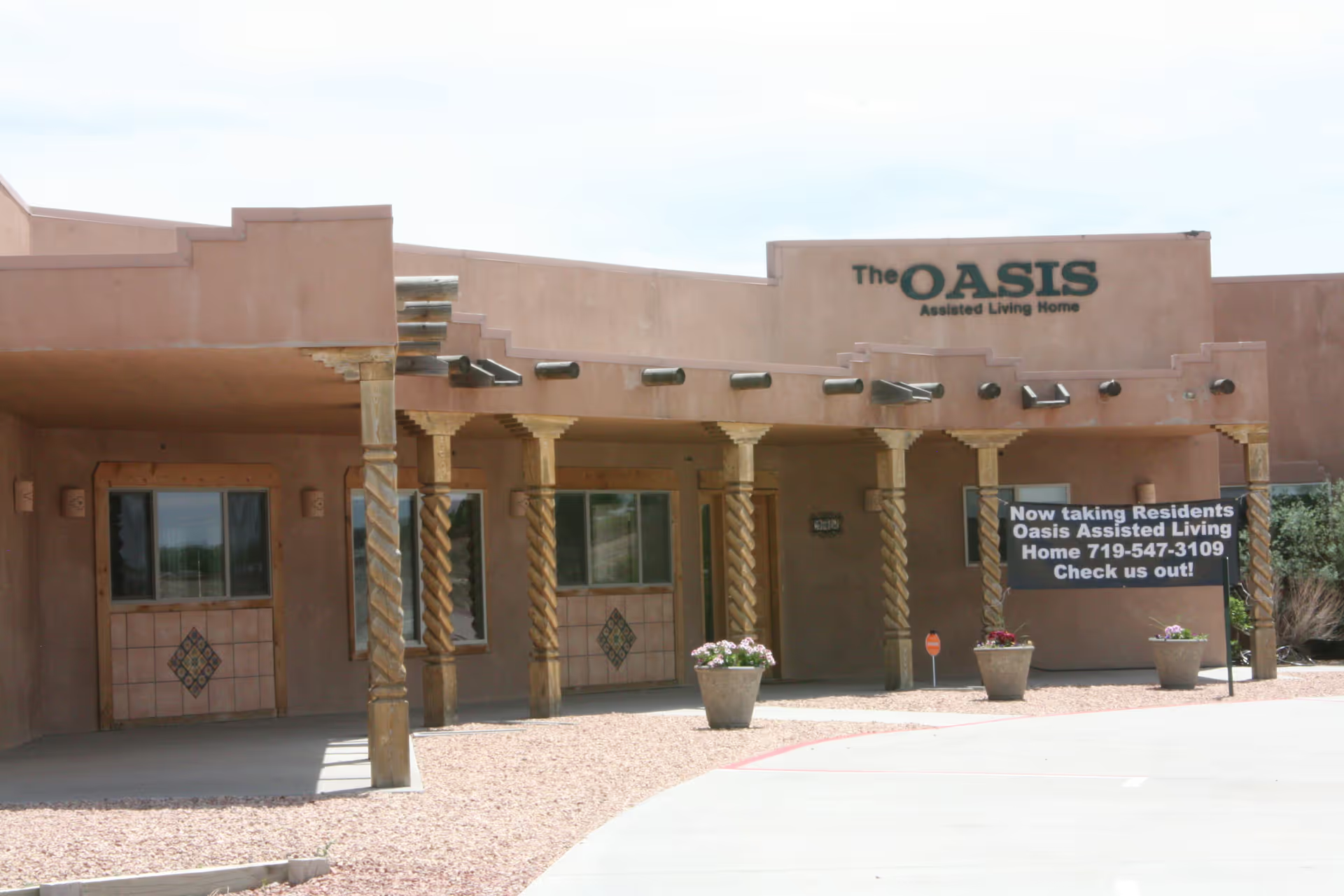
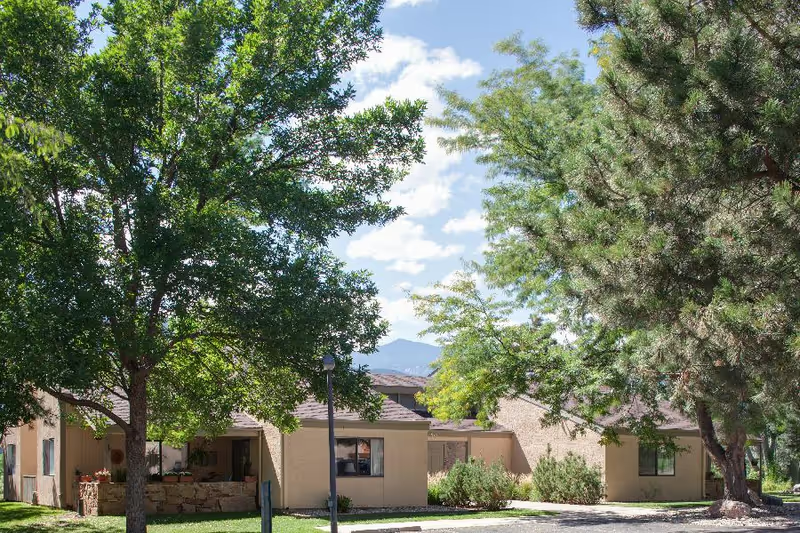
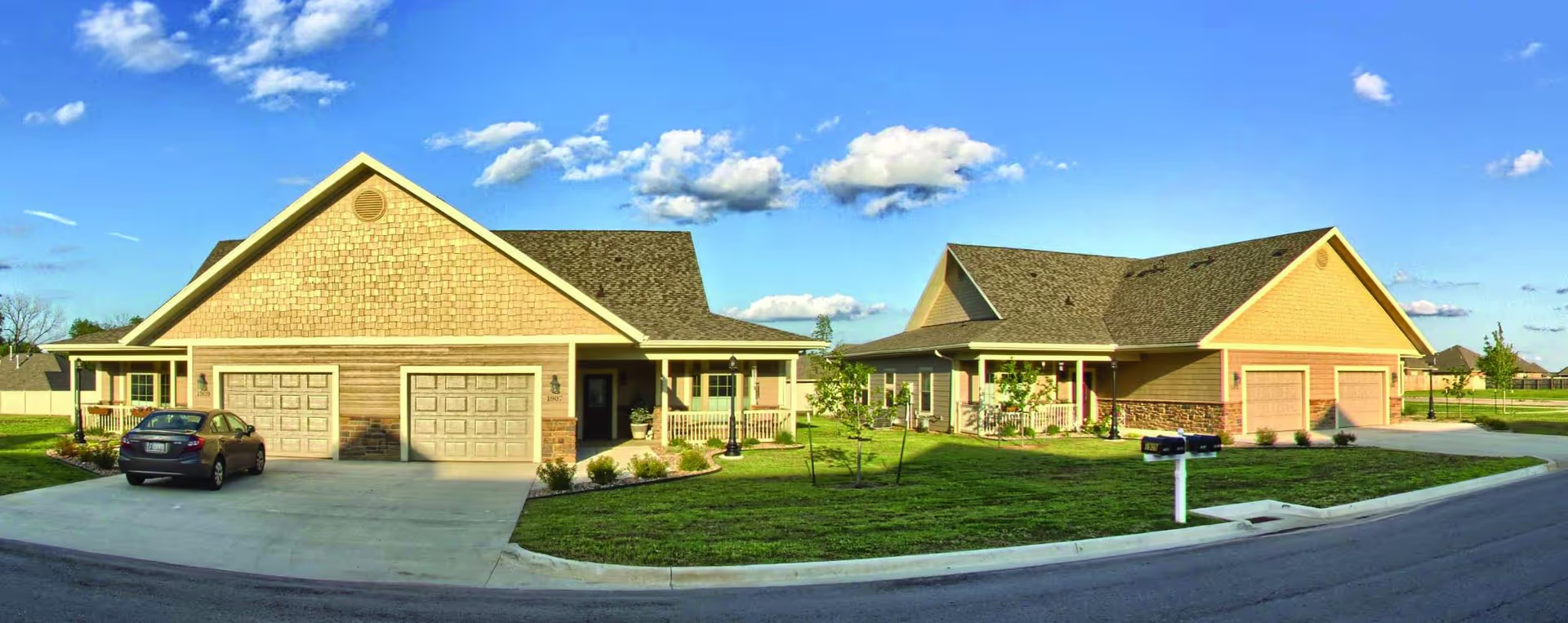
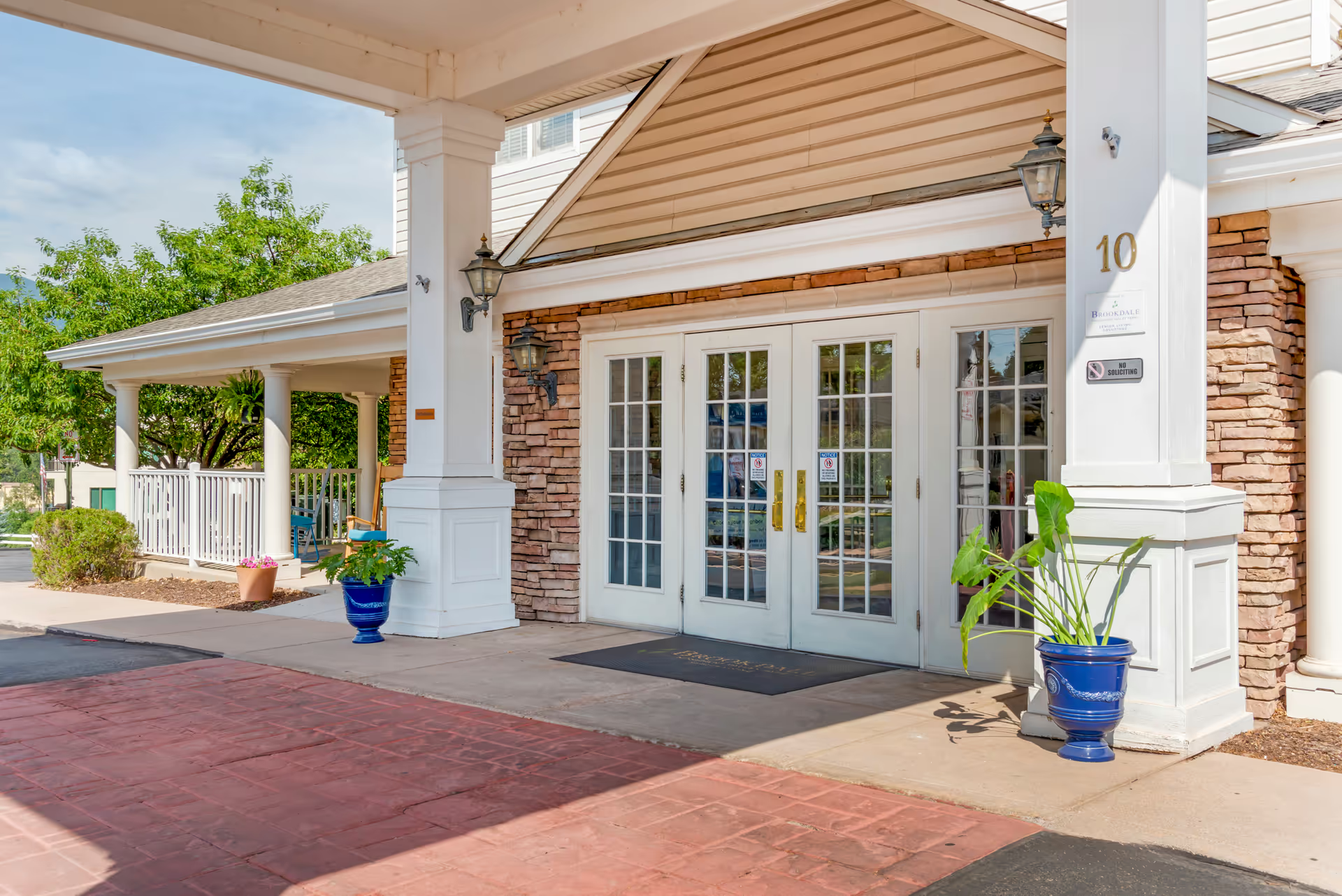
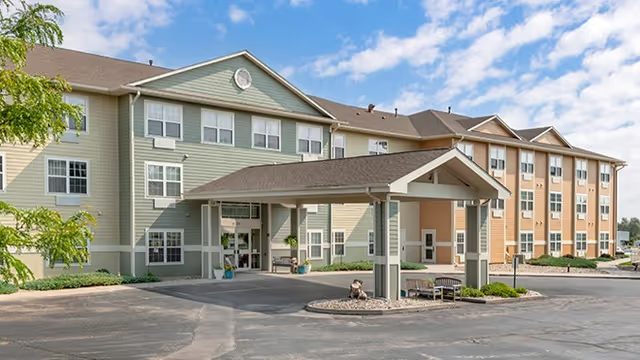
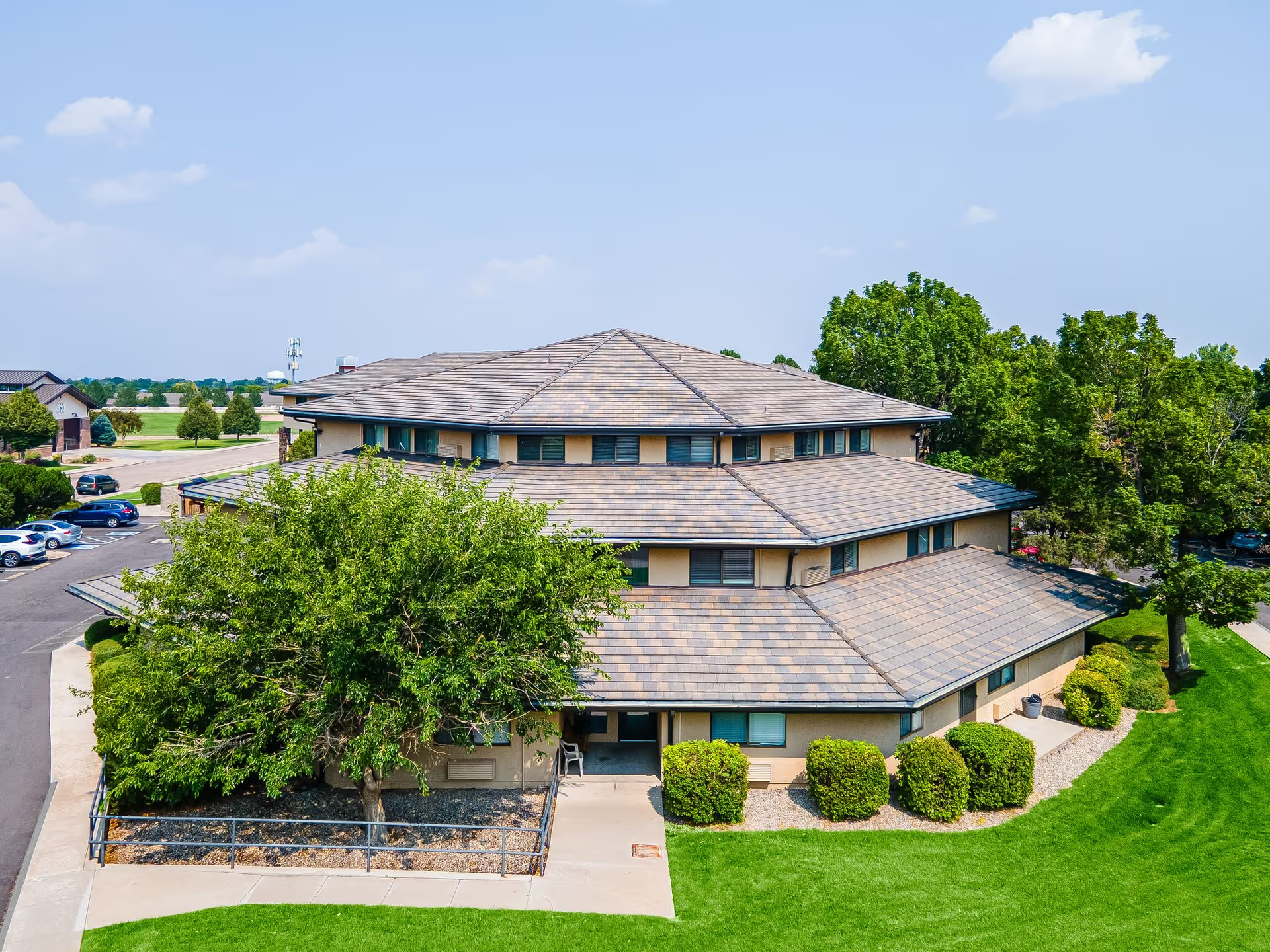
Physical plant and housekeeping feedback is mixed. The campus and grounds receive favorable mentions, and some areas feel home-like and clean. However, other reviewers described an aging, hospital-like interior in parts of the building, limited in-room amenities (such as no showers), cold or small rooms, and odor concerns in certain rooms or common areas. Housekeeping and linen-provision processes are noted as inconsistent, and there are reports of delays supplying mobility equipment or addressing room-level maintenance.
Overall, the facility displays clear strengths in individual caregiver relationships, rehabilitation outcomes, and family communication in many cases, balanced against operational and leadership gaps that affect consistency and safety. Prospective residents and families would be advised to ask specific, verifiable questions about current staffing ratios and night/weekend coverage, lift and transfer protocols, substance-use and background-screening policies, housekeeping and maintenance standards, and how dietary or equipment requests are handled. Observing shift change interactions and speaking directly with clinical leadership can help determine whether the facility’s strengths align with a prospective resident’s needs and risk tolerance.