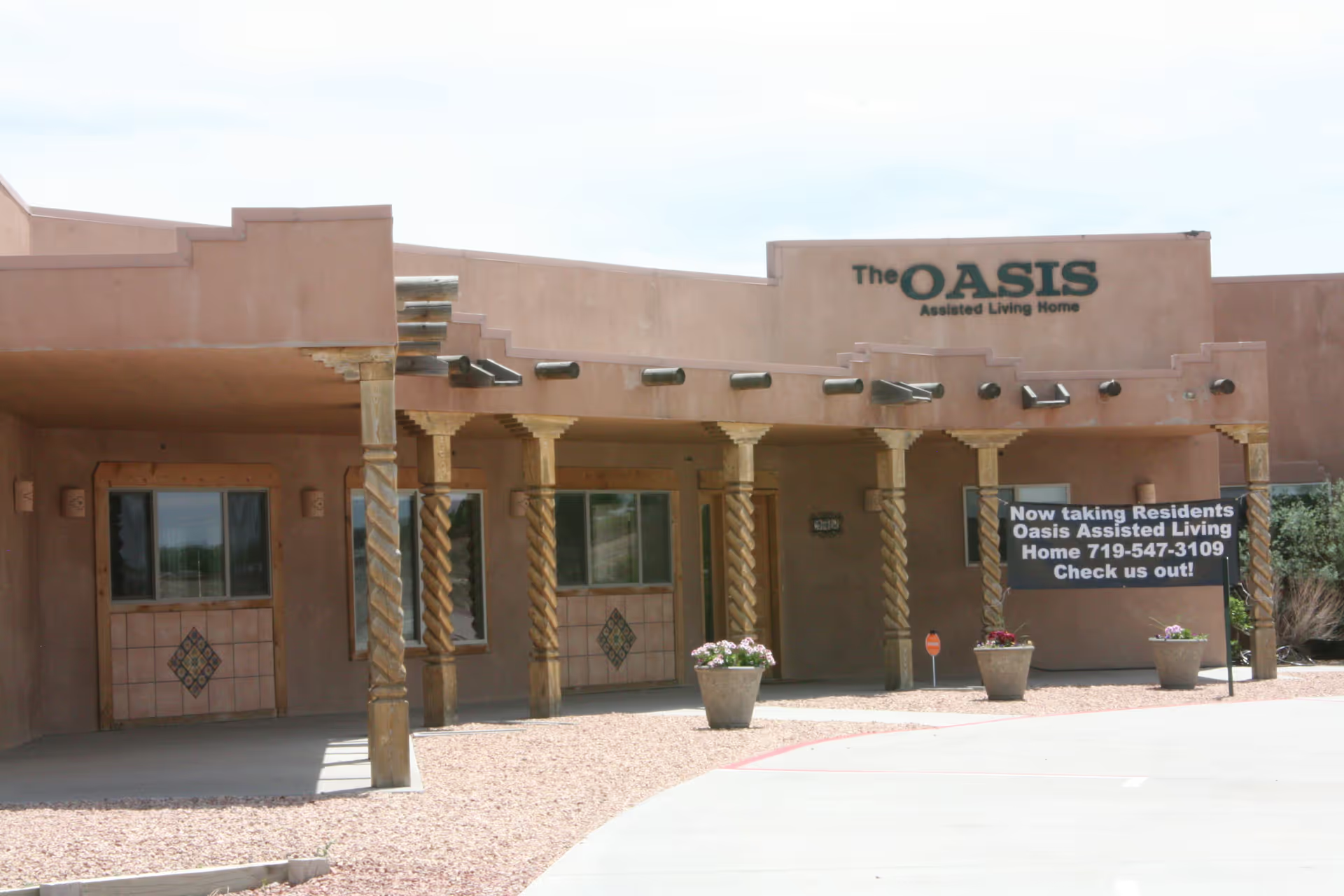
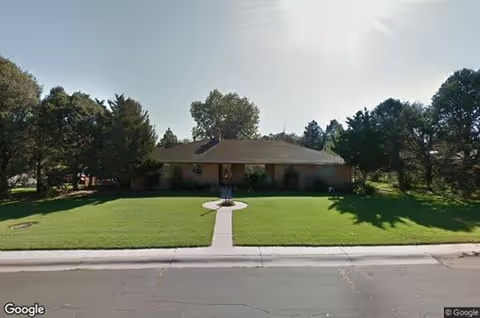
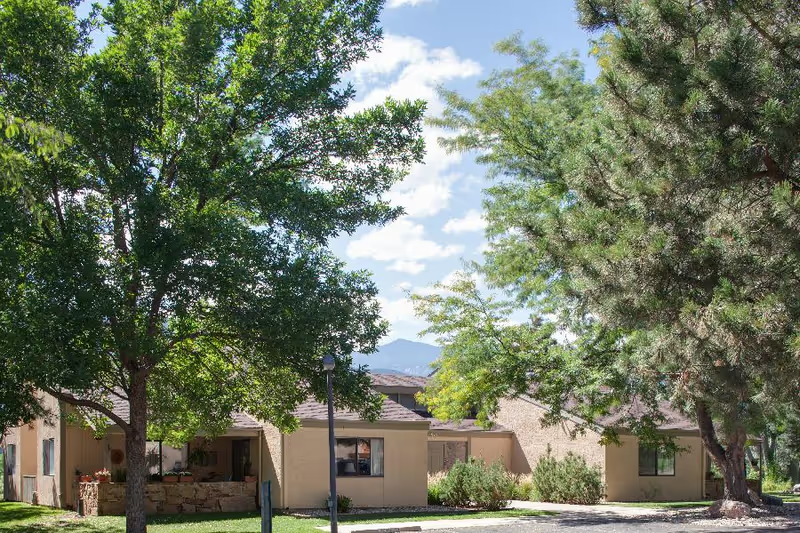
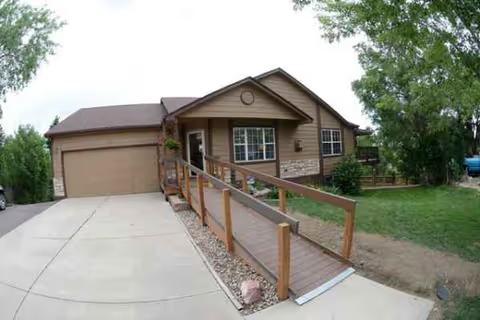
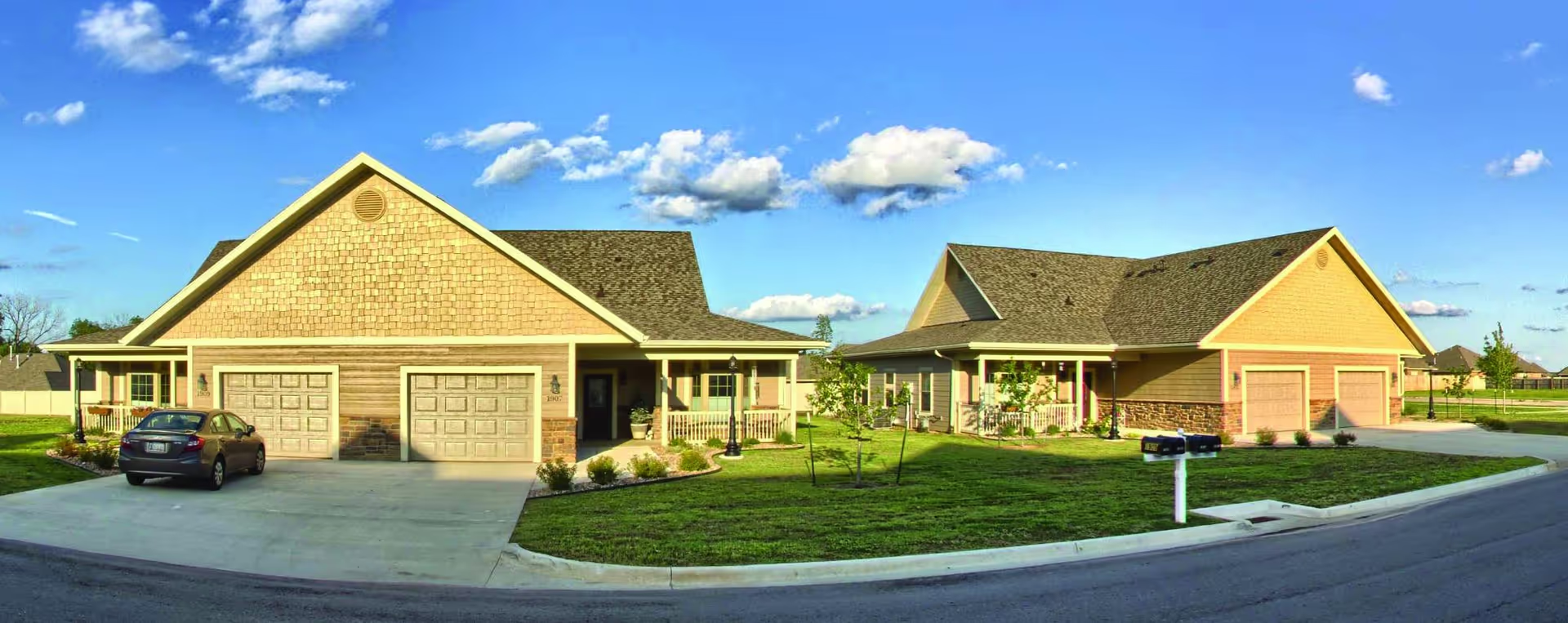
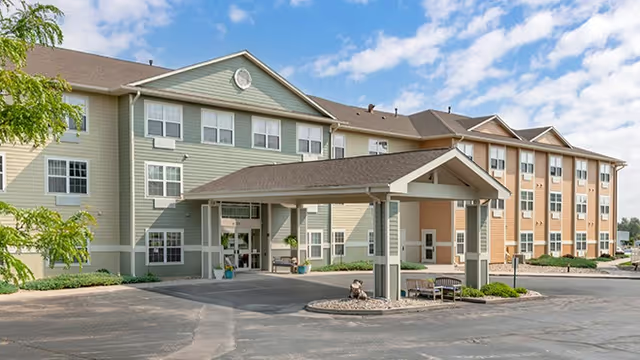
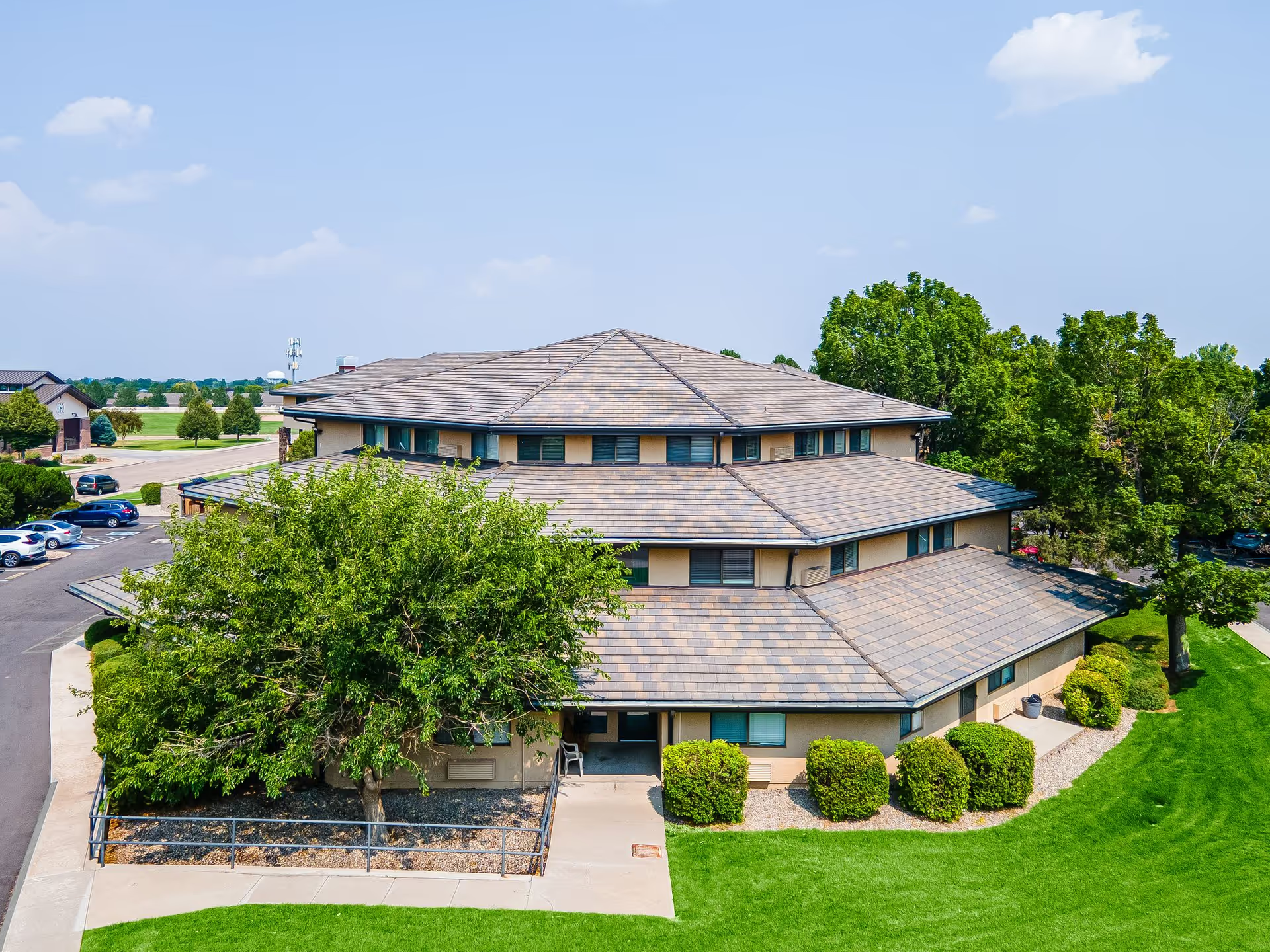
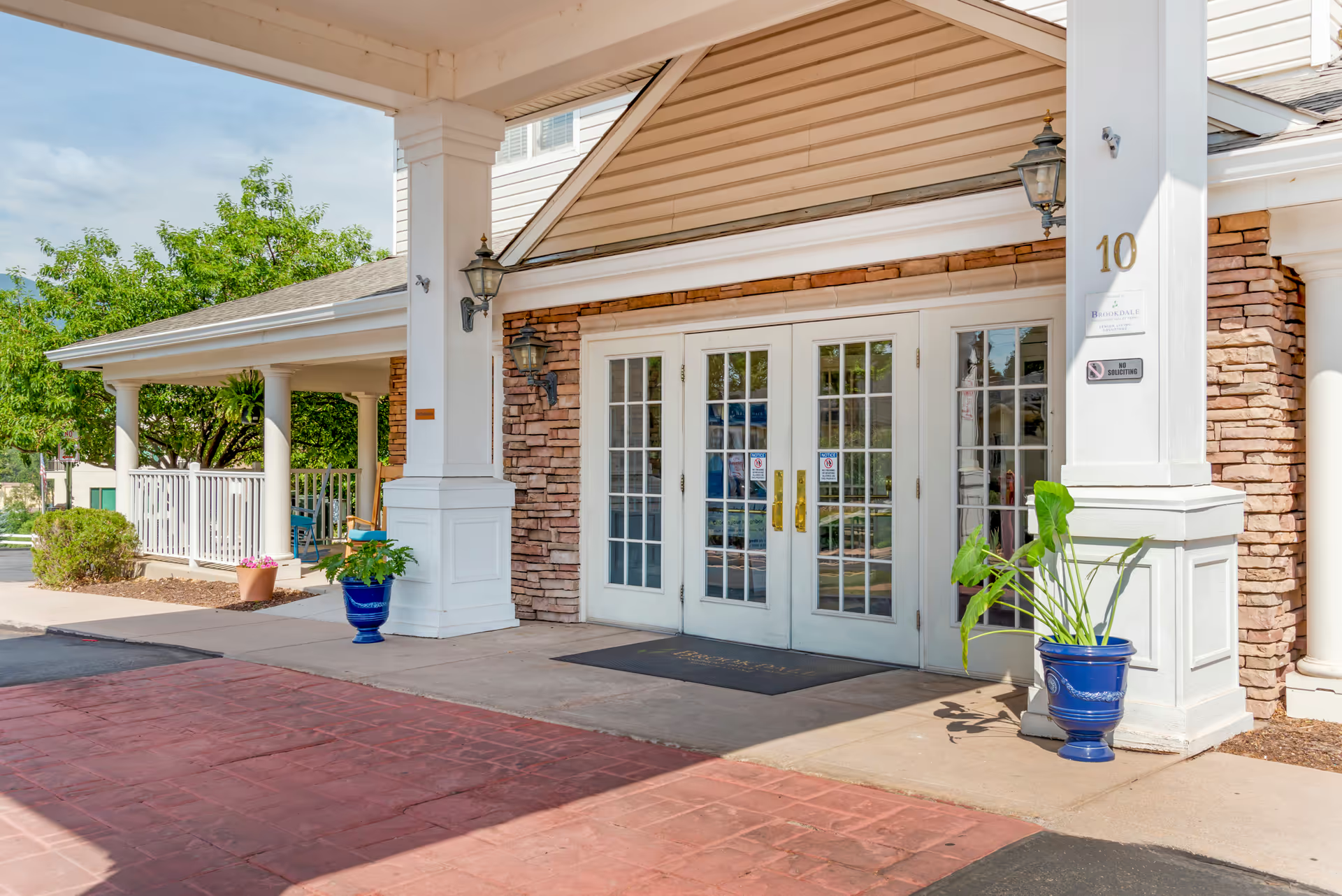
The reviews present a mixed picture. Positive comments consistently highlight a friendly caregiving staff, a warm overall atmosphere, and an engaged resident community. Outdoor spaces and grounds are described as clean and well maintained, and many residents and visitors find the social environment agreeable.
Care quality appears mixed. Reviewers praise staff attitude and interpersonal interactions, but several accounts raise concerns about supervision during resident interactions and the facility's ability to prevent or quickly de-escalate incidents between residents. A limited number of accounts describe incidents that escalated beyond internal handling; these accounts underscore gaps in incident-prevention measures and the facility's incident-response workflows.
Dining is characterized as mediocre or inconsistent. While not universally criticized, comments about food quality indicate that culinary offerings may not meet all residents' expectations and that meal satisfaction is an area for potential improvement.
Activities and community life are seen positively; the resident population is described as friendly and contributing to a generally pleasant atmosphere. Facilities maintenance for exterior and common areas is a clear strength, although interior maintenance and clinical aspects of care are less frequently discussed and therefore less certain.
Management and administrative responsiveness are described as average to limited. Reviewers note that escalation and communication following incidents could be improved, and that leadership does not always inspire confidence in handling safety or clinical concerns promptly. In a few accounts the involvement of external authorities is referenced, which raises questions about escalation protocols and family communication.
For prospective residents and families, the pattern suggests a facility with strong interpersonal and environmental positives but with operational weaknesses around safety protocols, incident escalation, and dining consistency. Those considering this community should ask detailed questions about supervision practices, incident-response procedures, staffing levels during higher-risk times, and recent changes to dining or administrative policies to determine whether those operational gaps have been addressed.