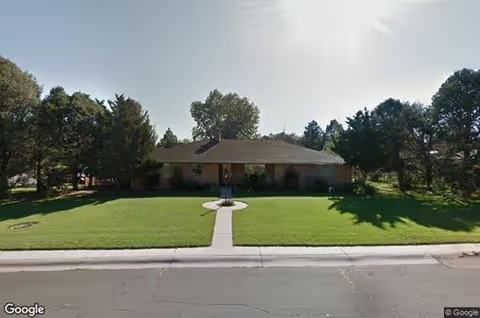
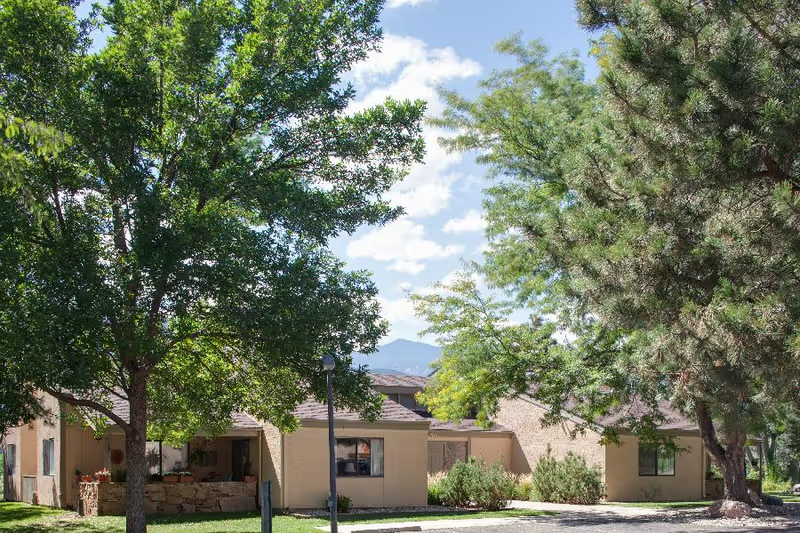
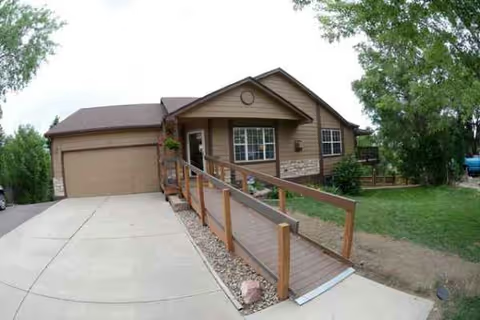
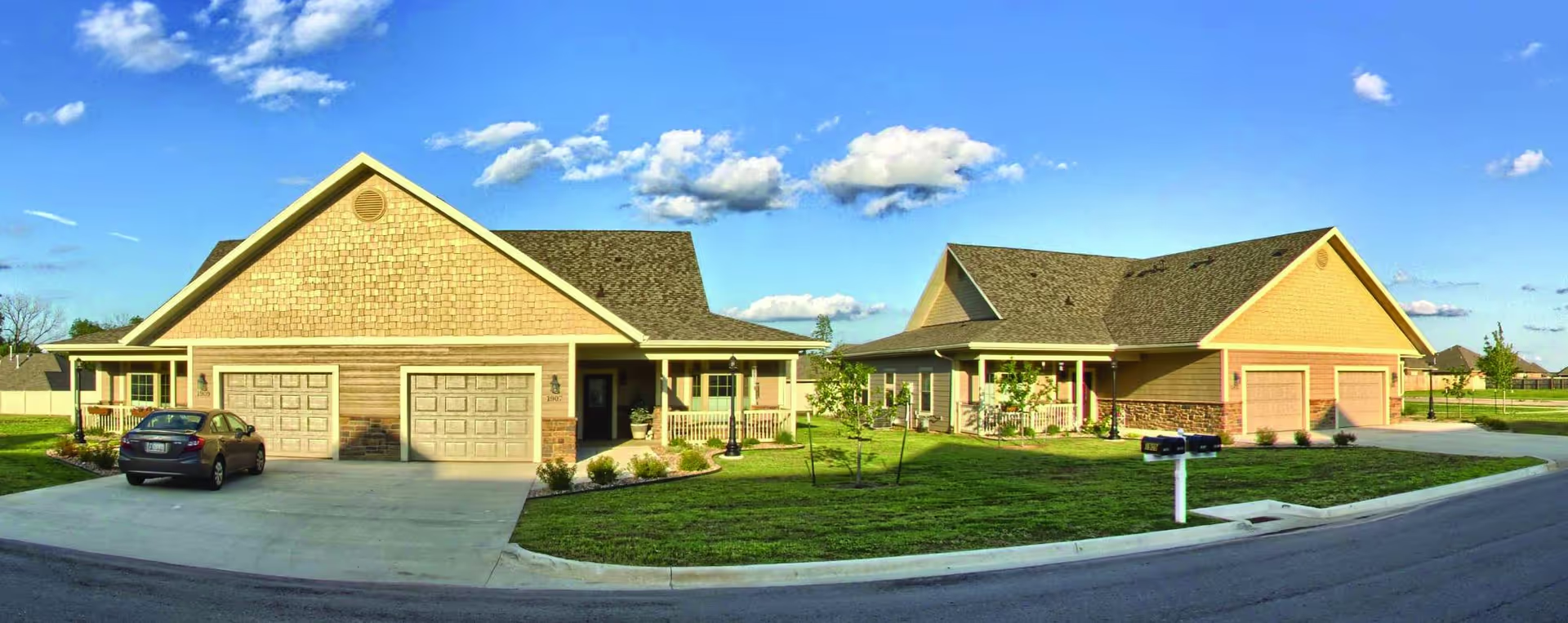
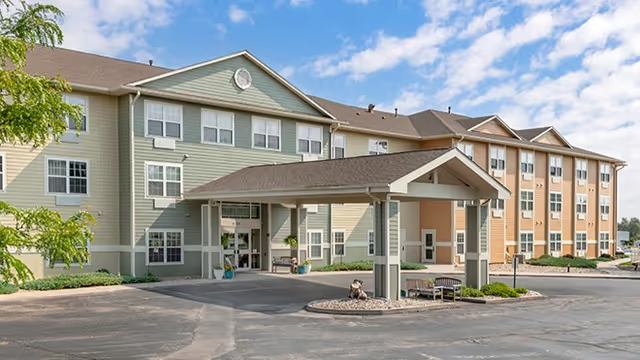
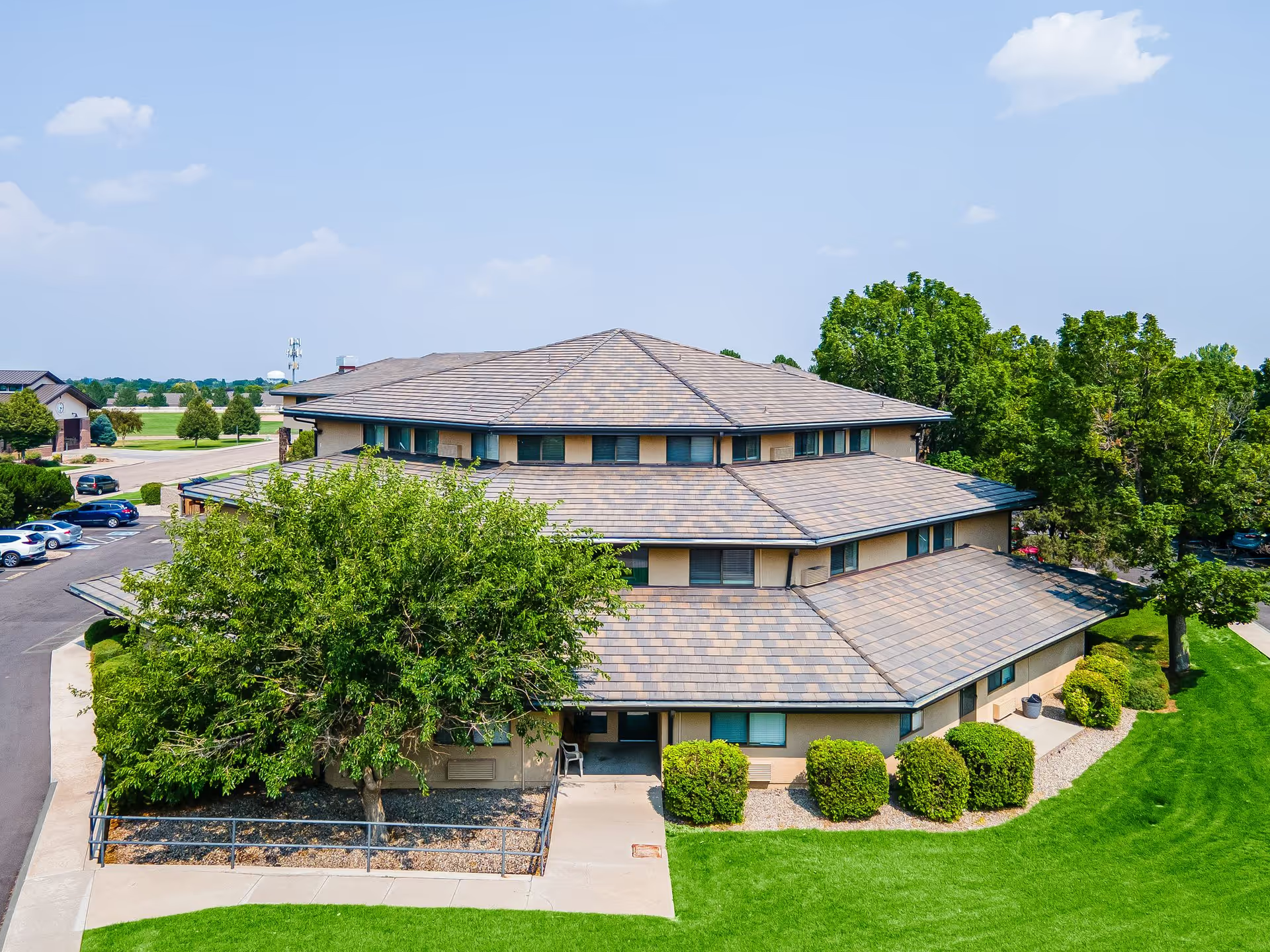
Progressive Care Center elicits a mixed but specific pattern of strengths and operational weaknesses. Strengths center on the people and basic services: reviewers consistently describe a caregiving culture that many families find compassionate and professional, with nurses and CNAs who are personable and committed. Rehabilitation and physical-therapy services are repeatedly praised for contributing to faster recoveries, and administrative support for placement and insurance questions is frequently noted. The facility's dining, housekeeping, laundry, and transportation services are commonly cited as reliable; meals are described as varied and high quality, and the building is generally characterized as clean and well maintained. The center also appears versatile, accommodating both short-term rehab stays and longer-term residents, and it is viewed as pet- and family-friendly by many families.
Operationally, the most consistent concern is staffing. Reviewers describe chronic understaffing that translates into long wait times for assistance, rushed caregiving, and inconsistent completion of routine personal-care tasks such as bathing and clothing management. Related safety and clinical-process issues include transfer-safety practices that families find problematic, inconsistent adherence to prescribed therapy plans, and gaps in clinical follow-up (for example, wound-care communication and care-plan updates). Incontinence-care delays and other personal-care inconsistencies were raised often enough to suggest these are system-level issues rather than isolated events. Roommate placement and matching for residents with restlessness or behavioral needs is another recurring area of difficulty, and the facility is not recommended by some reviewers for residents requiring advanced dementia or Parkinson's care.
Communication and management are mixed. Several families praise an attentive administration, informative care meetings, and staff who follow through on requests; others describe poor phone accessibility and unreliable family communication. There are also comments indicating operational disruption tied to contract transitions and concerns about corporate/for-profit priorities, which some feel have affected culture and continuity. A subset of reviewers indicate positive change under newer management, suggesting improvements may be underway, but other accounts point to persistent issues that require further management attention.
For prospective residents and families: Progressive Care Center may be a good option for short-term rehabilitation or for individuals who will benefit from active therapy programs, good dining, and a supportive, family-like staff culture when staffing is adequate. Families placing residents with advanced cognitive or mobility needs should assess current staffing levels, transfer protocols, incontinence-care procedures, and roommate-assignment practices before committing. Confirming how the facility manages clinical follow-up, family communication (including phone accessibility), and activity programming will help align expectations with the facility's operational realities.