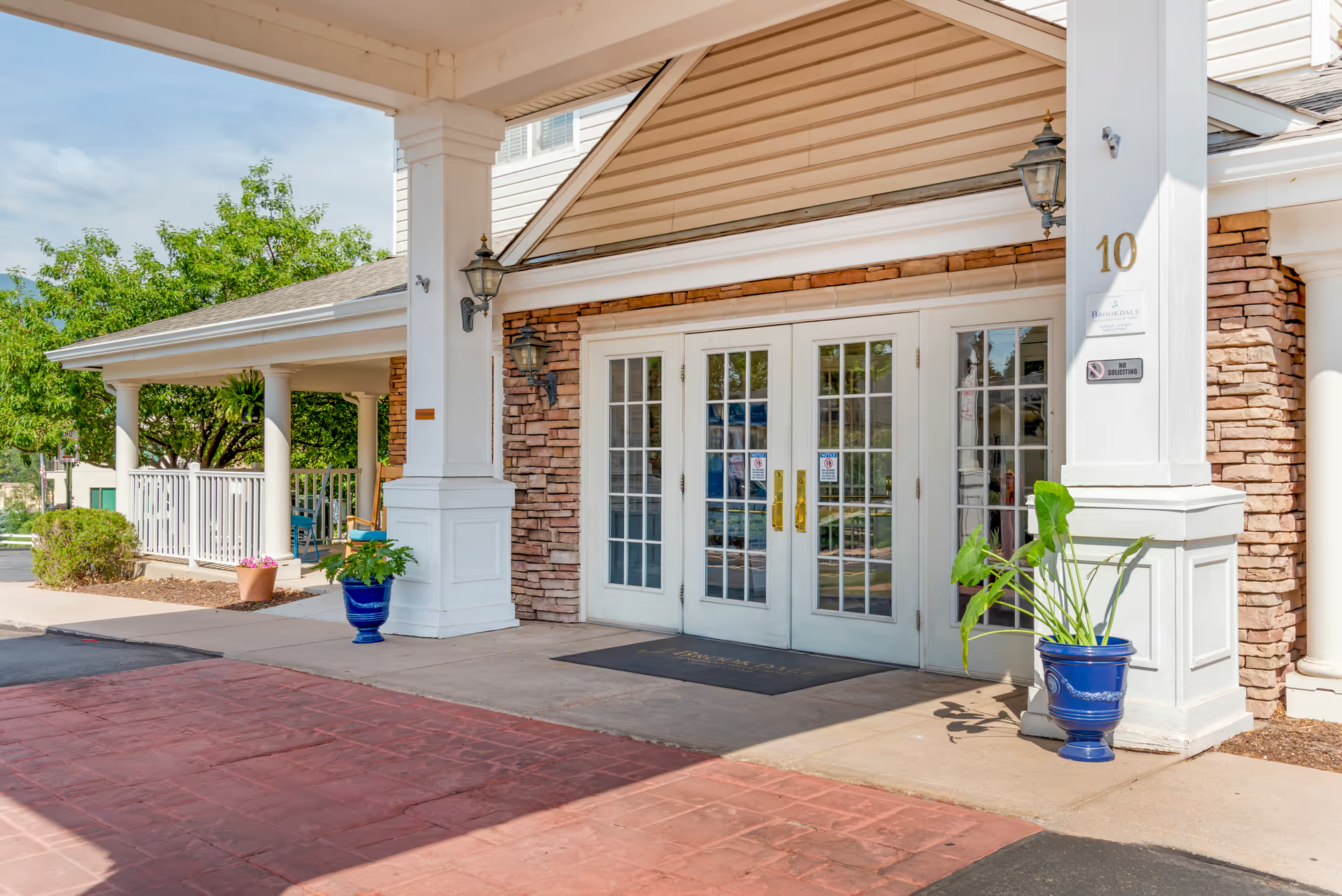
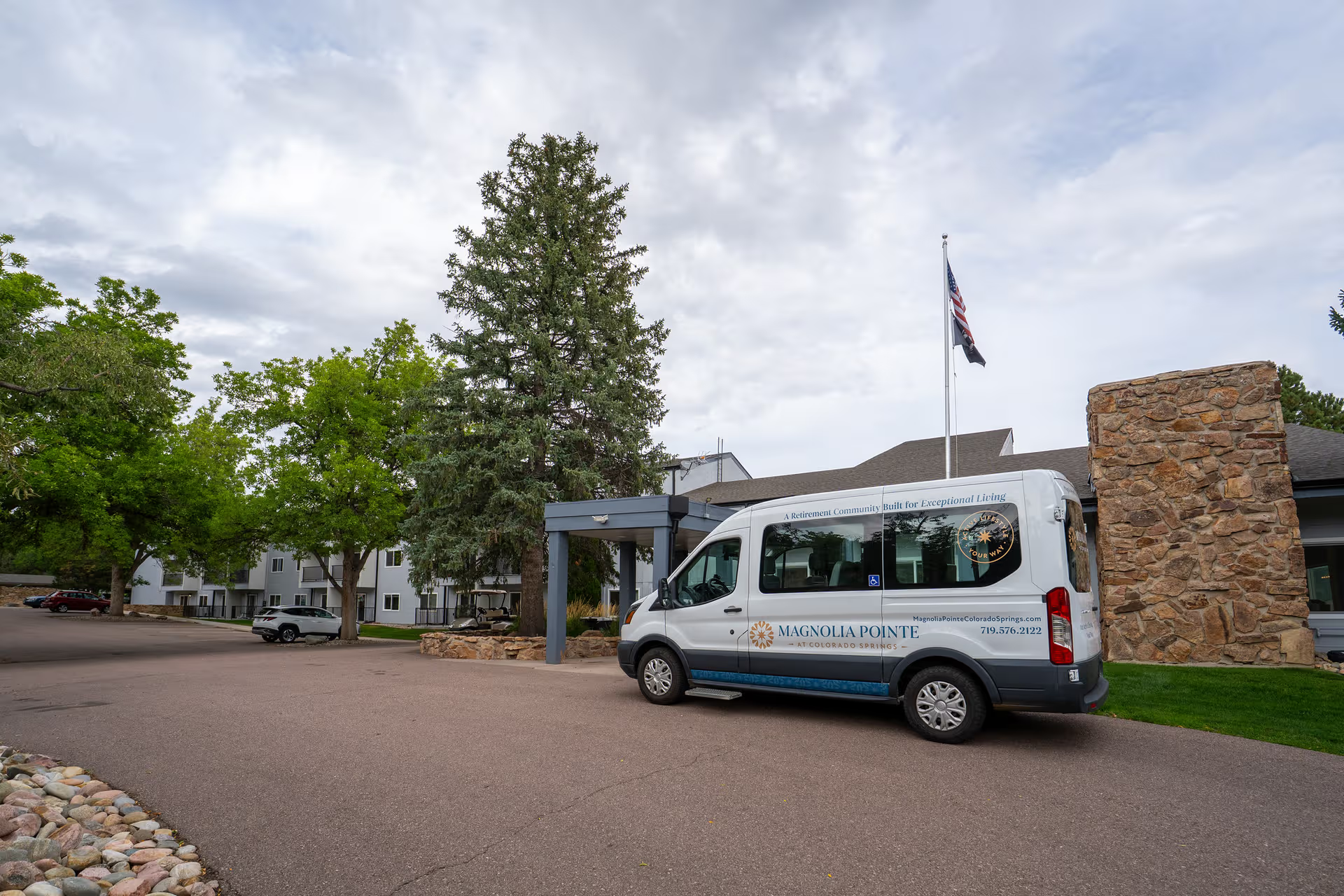
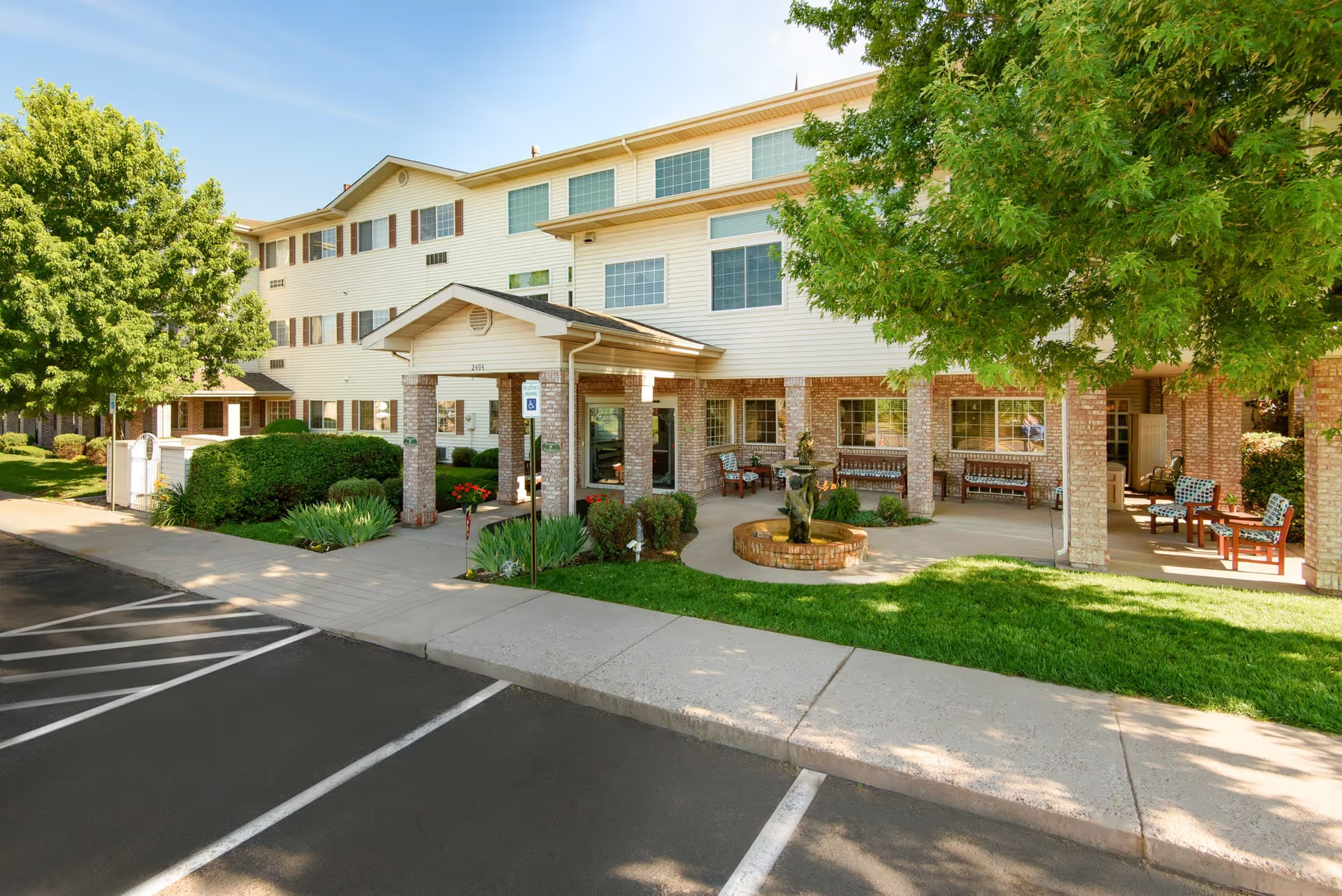
Overall impression: Bear Creek Assisted & Senior Living is described across many accounts as an attractive, well‑kept campus with strong social programming and a caregiving staff that is frequently characterized as compassionate and long‑tenured. The facility’s location, bright common areas, outdoor pathways and views are consistently highlighted as major strengths. Families praise the continuum of services on the same campus — from assisted living to memory care and skilled nursing — and note that move‑in coordination and admissions support can be thorough and reassuring.
Care and staff: Numerous reviews emphasize warm, attentive caregivers, consistent staff–resident relationships, and strong rehabilitation services; physical therapy and certain clinical teams receive particular praise. At the same time, there is a recurrent pattern of operational weaknesses: inconsistent staffing coverage (especially at night), slow responses to call buttons and care requests, and variability in how clinical incidents are monitored and followed up. Several accounts raise concerns about medication‑administration practices and pharmacy billing, and a subset of reports cite serious post‑incident or regulatory follow‑up gaps. Taken together, the pattern suggests that while many residents receive high‑quality, compassionate care, outcomes can depend on staffing levels, the shift, and individual care teams.
Dining and activities: Dining is often described positively — restaurant‑style service, restaurant features such as wine with meals, and an appealing variety of menu items are commonly praised. However, complaints about inconsistent meal temperature, occasional menu item shortages, and variable food quality also appear. Activities are a clear strength: residents and families frequently report a broad, active calendar (bingo, music, dances, Wii bowling, social outings, faith services), strong social dining, and programs that support engagement and community life.
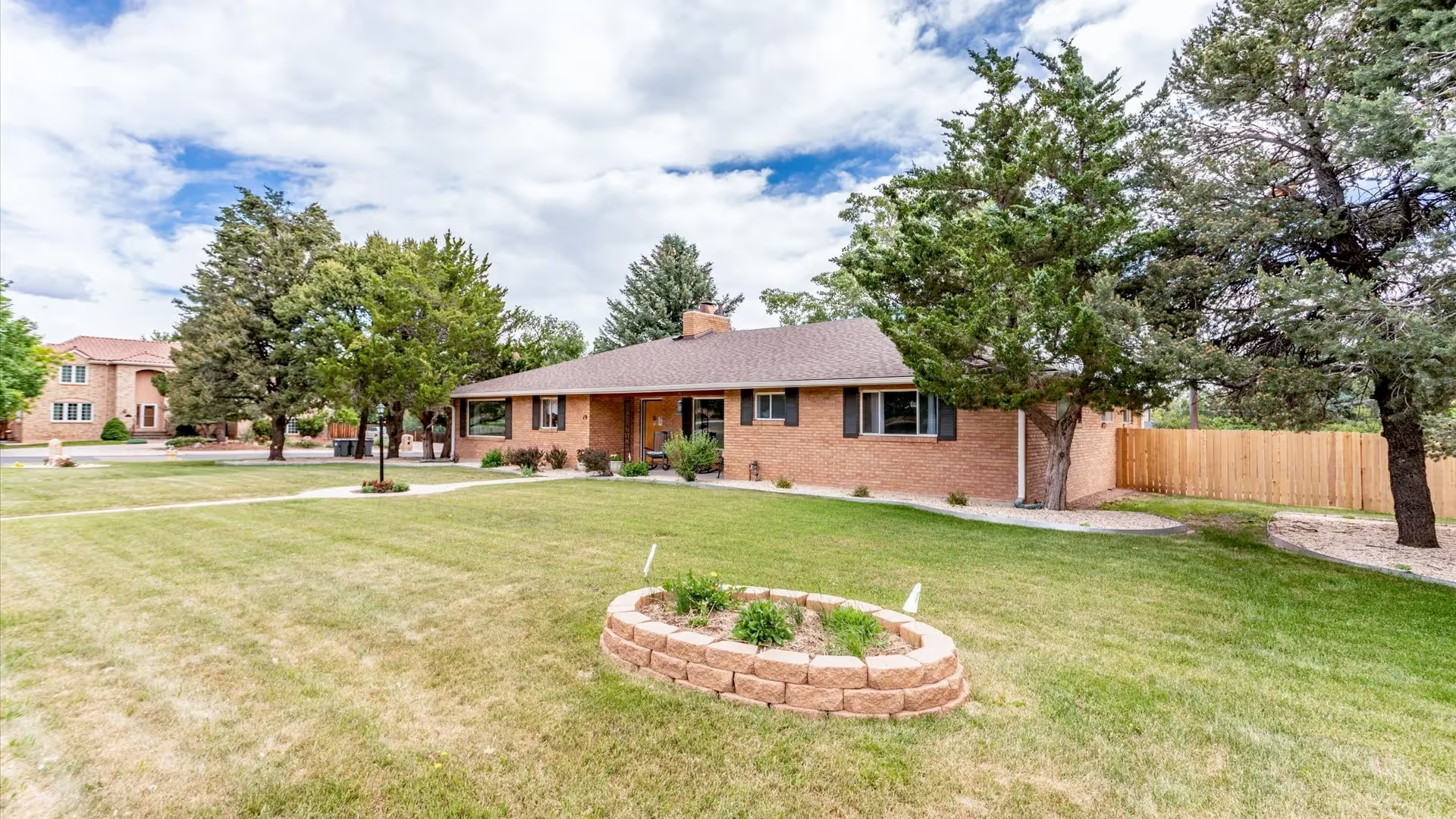
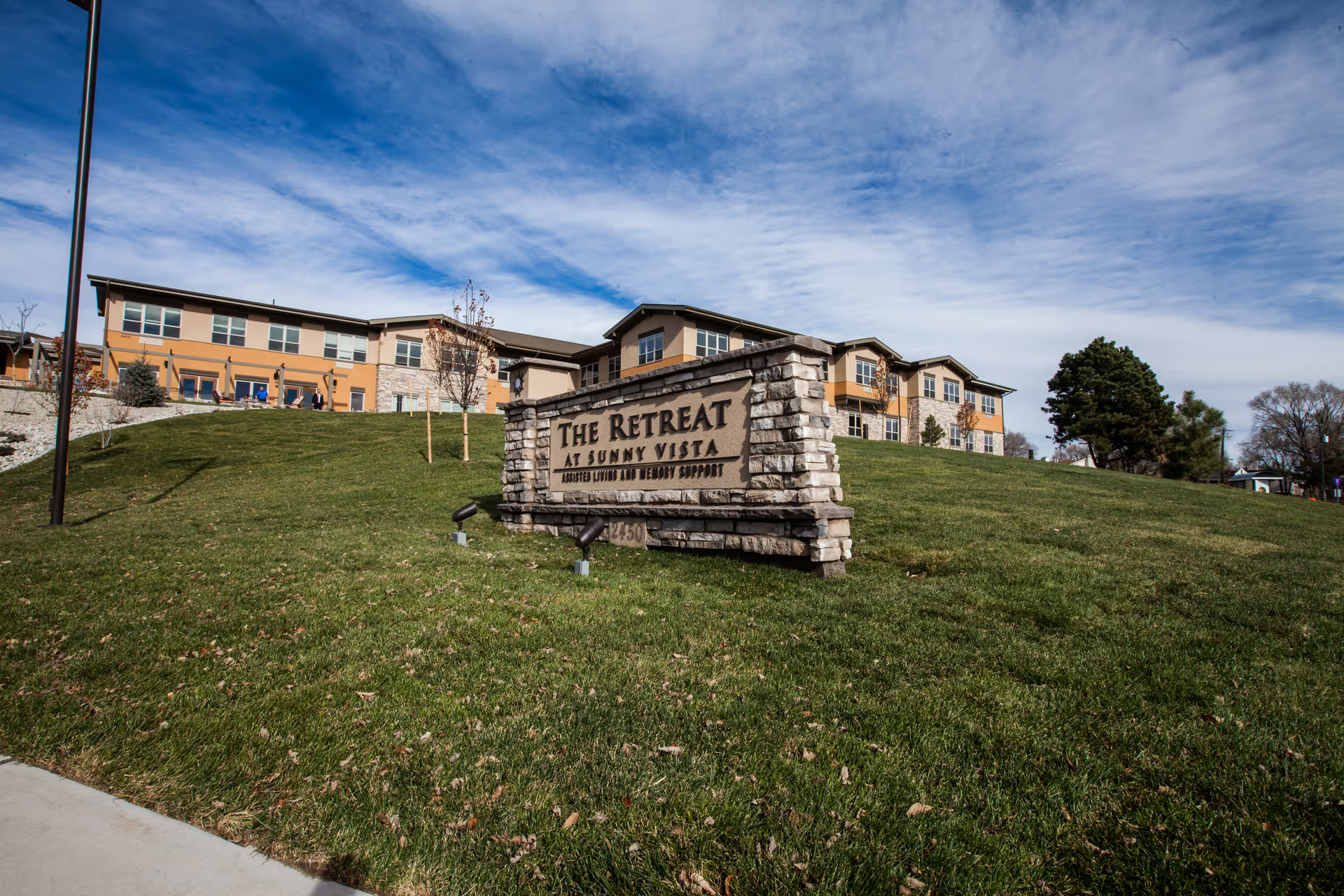
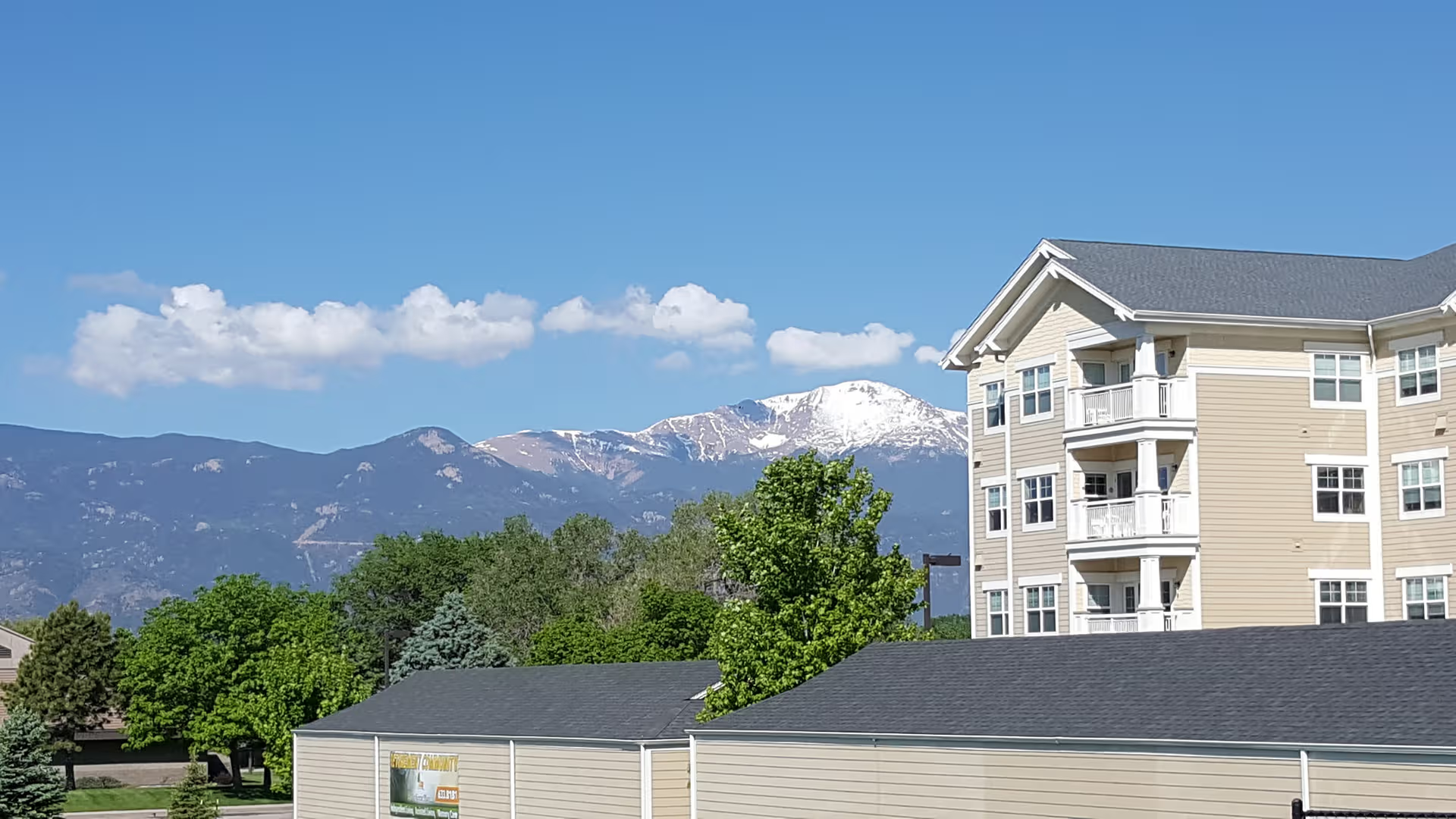
Facilities and amenities: The physical environment is a distinguishing feature. Reviewers highlight clean rooms, modern decor in many units, spacious common rooms, attractive outdoor areas, and well‑maintained grounds. Apartment sizes vary; some families find studios compact while others appreciate efficient layouts and large closets. Maintenance responsiveness receives mixed feedback — many note prompt next‑day fixes for routine issues, but there are intermittent reports of water temperature fluctuations, parking and snow‑clearing limitations, and occasional unresolved repair needs.
Management, communication, and policies: Admissions and move‑in support are often cited positively — specific staff members are repeatedly commended for handling transitions smoothly. Conversely, family communications and administrative responsiveness are inconsistent: phone access problems, unanswered messages, and perceived reluctance to address certain family concerns are recurring themes. Financial transparency is another area of concern; readers cite perceived high cost, unclear recurring fees (for example, medication ordering/storage fees), and isolated allegations of improper financial or consent practices. There are also reports raising safety and privacy policy questions (access controls, consent for procedures), and at least some references to regulatory citations that families should clarify during a tour.
Notable patterns and advice for prospective families: The overall picture is mixed but informative. Major strengths include an engaged activity program, scenic and clean facilities, and many committed caregiving staff members. Major operational risks are variability in staffing and responsiveness, inconsistent clinical follow‑up in some incidents, and occasional administrative or billing opacity. Prospective families should verify staffing ratios by shift, ask about emergency‑response protocols and incident reporting, review medication‑management and fee structures in detail, and request documentation of any regulatory actions and how they were addressed. A visit focused on observing peak and off‑peak shifts, dining service, and handoff communication between staff can help clarify whether the facility’s strengths align with a particular resident’s needs.