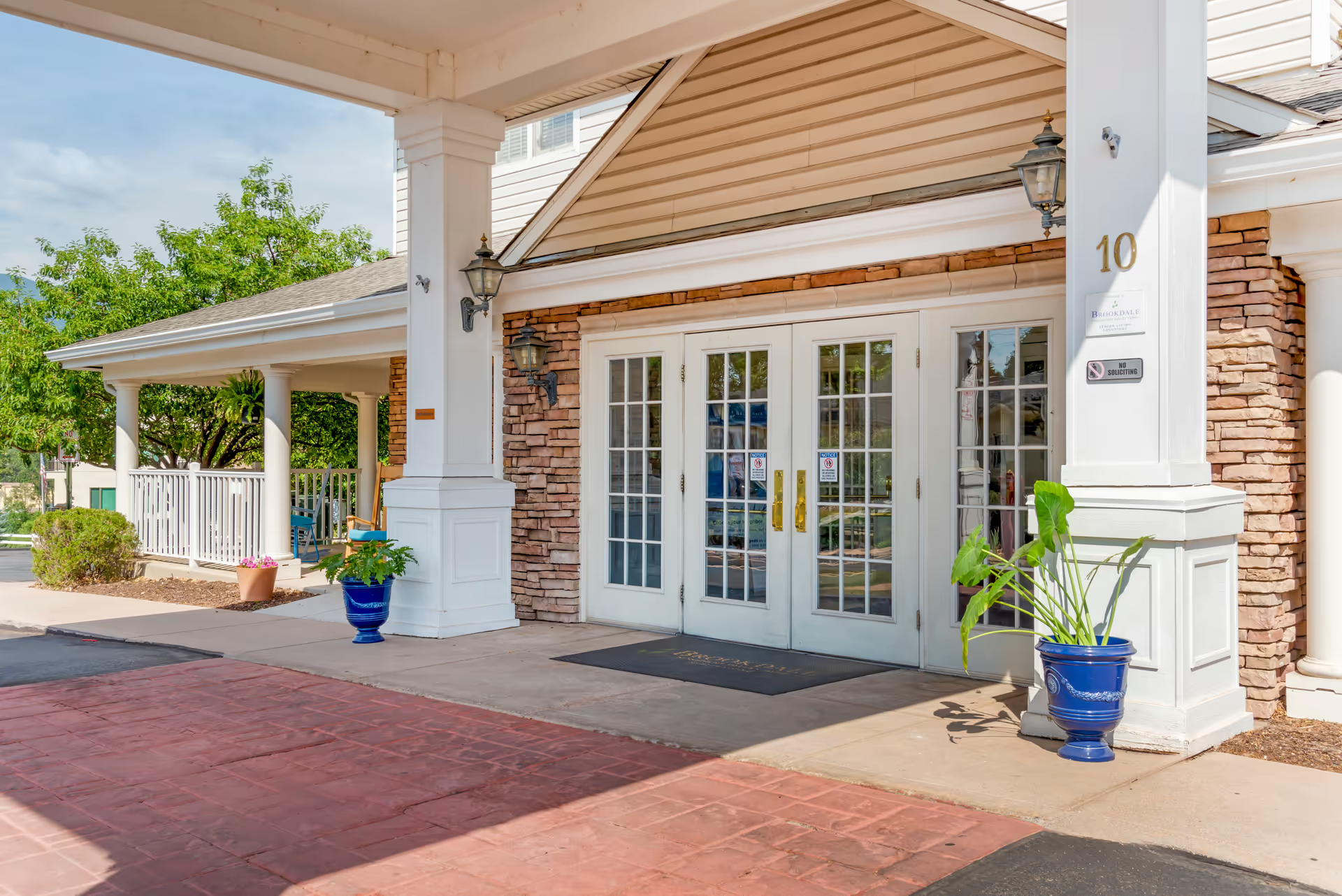
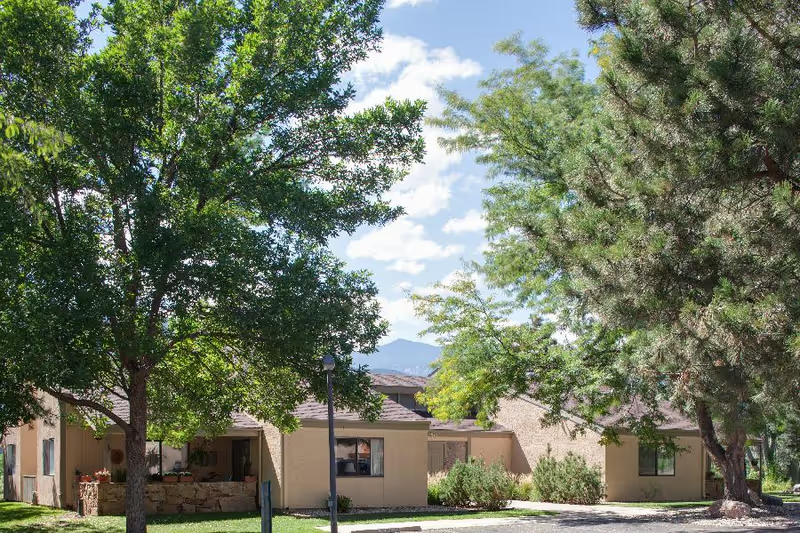
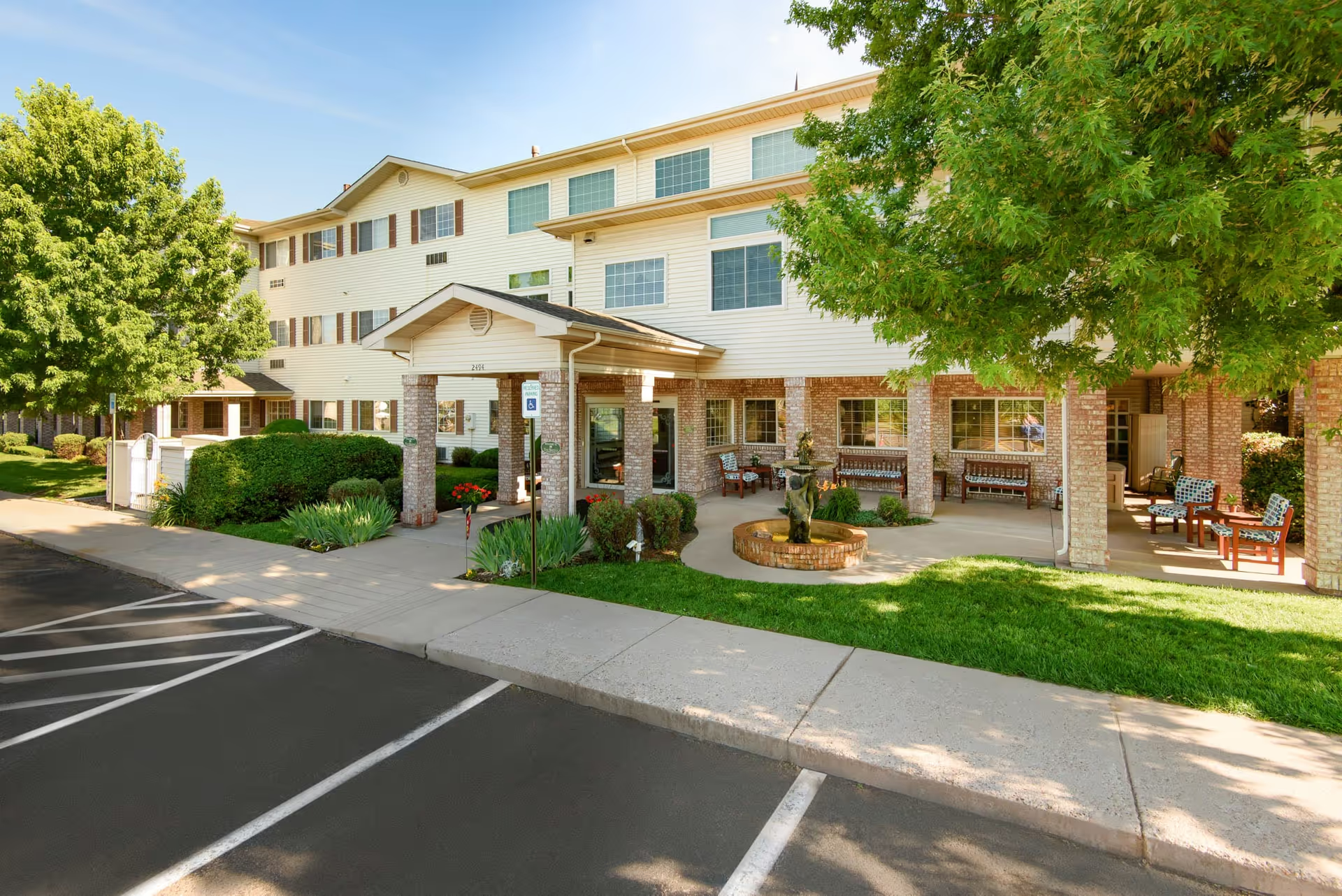
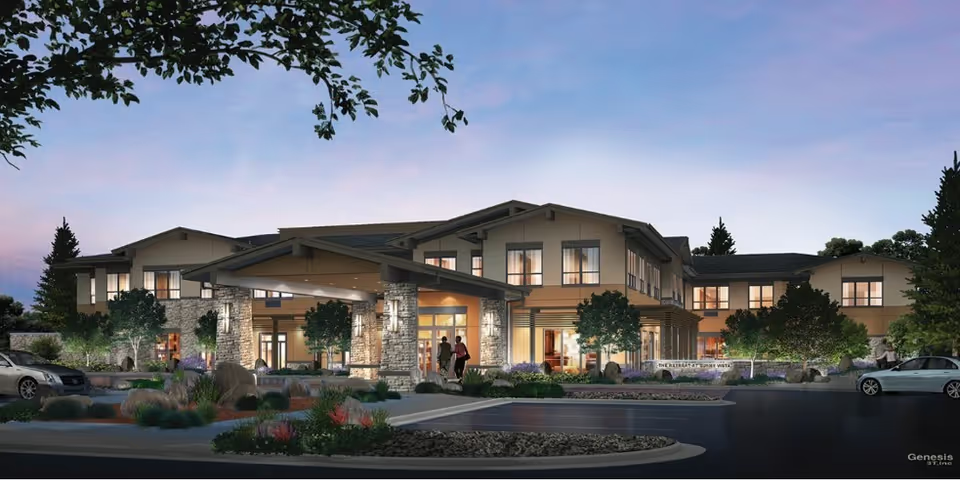
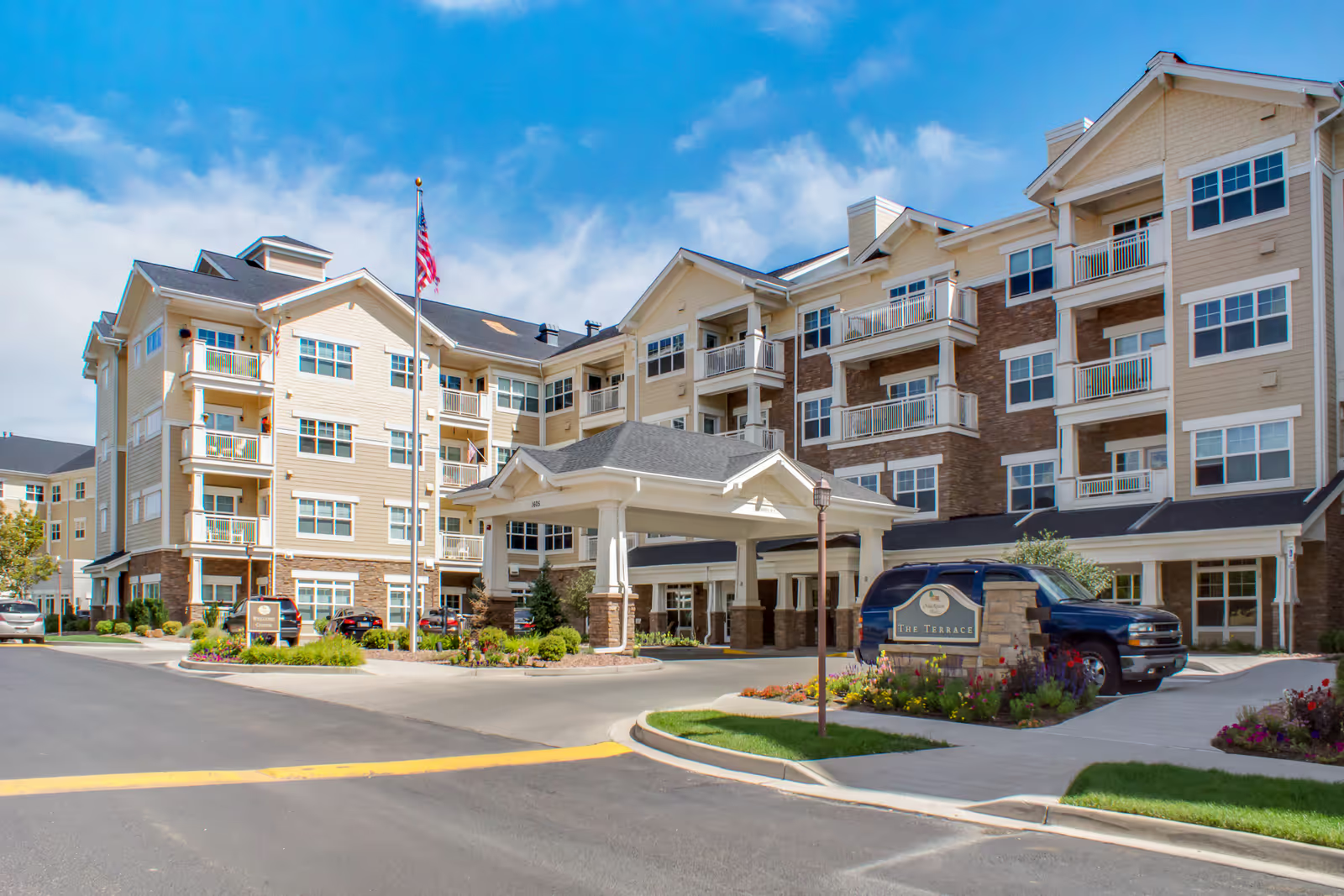
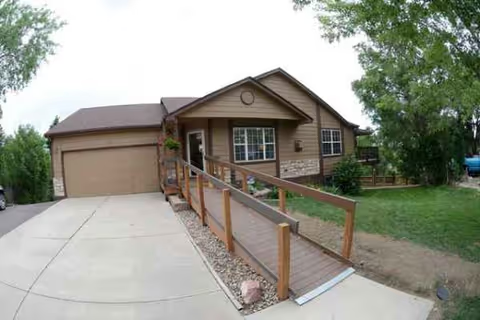
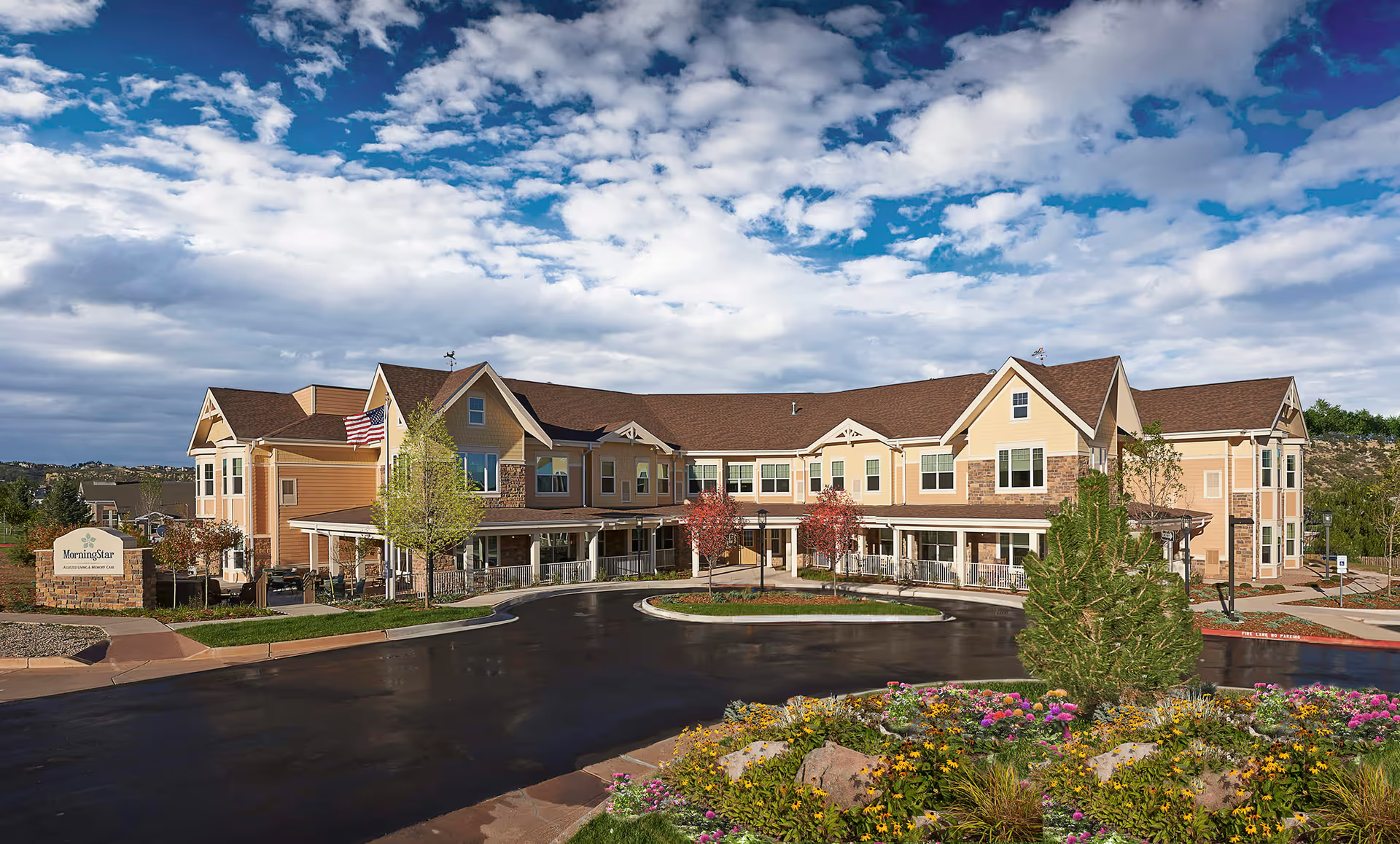
Brookdale Skyline presents as a large, well‑appointed senior living campus with extensive amenities and a full continuum of care from independent living through memory and skilled nursing. Many reviewers praised the scenic location, attractive apartments and cottages, restaurant‑style dining, indoor pool and aquatic therapy, and a broad slate of activities and life‑enrichment programs. On the clinical side there are clear strengths: on‑site therapists, a staffed skilled‑nursing area, and individual staff members and teams who are described as compassionate, knowledgeable, and effective for rehabilitation and ordinary care needs.
Despite those positives, reviewers describe consistent operational weaknesses that affect care experience. The most frequent pattern is understaffing and high staff turnover, which reviewers link to slow call‑button response times, delayed clinical attention, and uneven assistance with activities of daily living. Several accounts cite medication‑management gaps, including timing disagreements and missed or delayed doses; this category of concern recurs enough to be a distinct operational risk to discuss when evaluating placement. There are also repeated sanitation and incontinence‑care concerns reported in certain care areas, and several families described issues with monitoring, fall risk management, and follow‑up after clinical incidents.
Dining and activities represent mixed performance. The community has a full dining program and some reviewers compliment the chef and menu variety; at the same time, families reported inconsistent meal quality, small portions in some cases, slow meal service, and occasional failures to meet prescribed diet/texture instructions. Activity programming—pool classes, fitness, arts, and social events—is robust on paper and appreciated by many residents, but participation and engagement can be variable depending on neighborhood and staffing availability.
Facility and property strengths are real: attractive common spaces, scenic views, multiple recreational amenities, and flexible housing options. However, maintenance responsiveness is a notable weakness. Reviewers describe prolonged repair timelines, intermittent construction hazards, and sporadic environmental issues (HVAC noise, temperature control fluctuations). The campus size and interconnected buildings also create wayfinding challenges for visitors and some residents, and several reviewers raised security and access‑control inconsistencies as a concern.
Management and administrative patterns are uneven. Positive interactions with marketing, admissions, and several frontline staff contrast with reports of frequent leadership turnover, slow executive callbacks, and accounting or billing irregularities — including opaque extra charges and invoice errors. There are isolated but serious claims such as allegations of theft and financial misconduct and concerns following a resident's death; these are not detailed here but warrant direct inquiry with the provider and review of any regulatory actions or incident reports.
Overall the reviews are polarized: many residents and families describe a supportive, activity‑rich community with excellent views and helpful staff, while others document operational failures that materially affected care, communication, and value for money. Prospective residents and families should tour during active hours, observe meals and activities, ask for current staffing ratios and recent staffing stability measures, request written medication and incident‑notification policies, verify billing practices and extra fees in writing, and clarify the community’s capability to manage complex memory‑post‑stroke rehabilitation before committing. Doing so will help distinguish the consistent strengths from the operational risks noted across reviewer accounts.