The reviews present a mixed picture in which frontline caregiving and rehabilitative services are frequently praised while administrative, maintenance, and operational issues create variability in resident experience. Clinical and therapy teams receive consistent positive remarks: nurses, CNAs, and the therapy department are described as attentive, recovery-focused, and compassionate. Several families highlighted strong social-work involvement and hospice integration that supported both residents and relatives during transitions and end-of-life care. Newer memory-care programming and wheelchair-accessible social activities were also cited as beneficial to participation and mobility.
Despite strengths at the bedside, there are recurrent concerns about staffing patterns and clinical continuity. Reviewers describe use of agency nurses and shifting staff that can produce inconsistent care in some shifts. Relatedly, there are noted gaps in medication management and in notification practices to families when clinical changes occur; those process gaps have contributed to escalations requiring emergency transport in some accounts. Prospective families should seek clear explanations of medication administration protocols, handoff practices, and how the facility communicates clinical changes to designated contacts.
Operational and administrative shortcomings are another common theme. Multiple reviewers described difficulty reaching administrative staff by phone, long hold times, and limited voicemail or follow-up responsiveness. There are also complaints about billing practices and handling of Medicaid/Social Security paperwork, plus concerns about how resident identification documents are requested and managed. These issues point to procedural weaknesses that can affect admissions, discharge planning, and family confidence in financial and privacy safeguards.
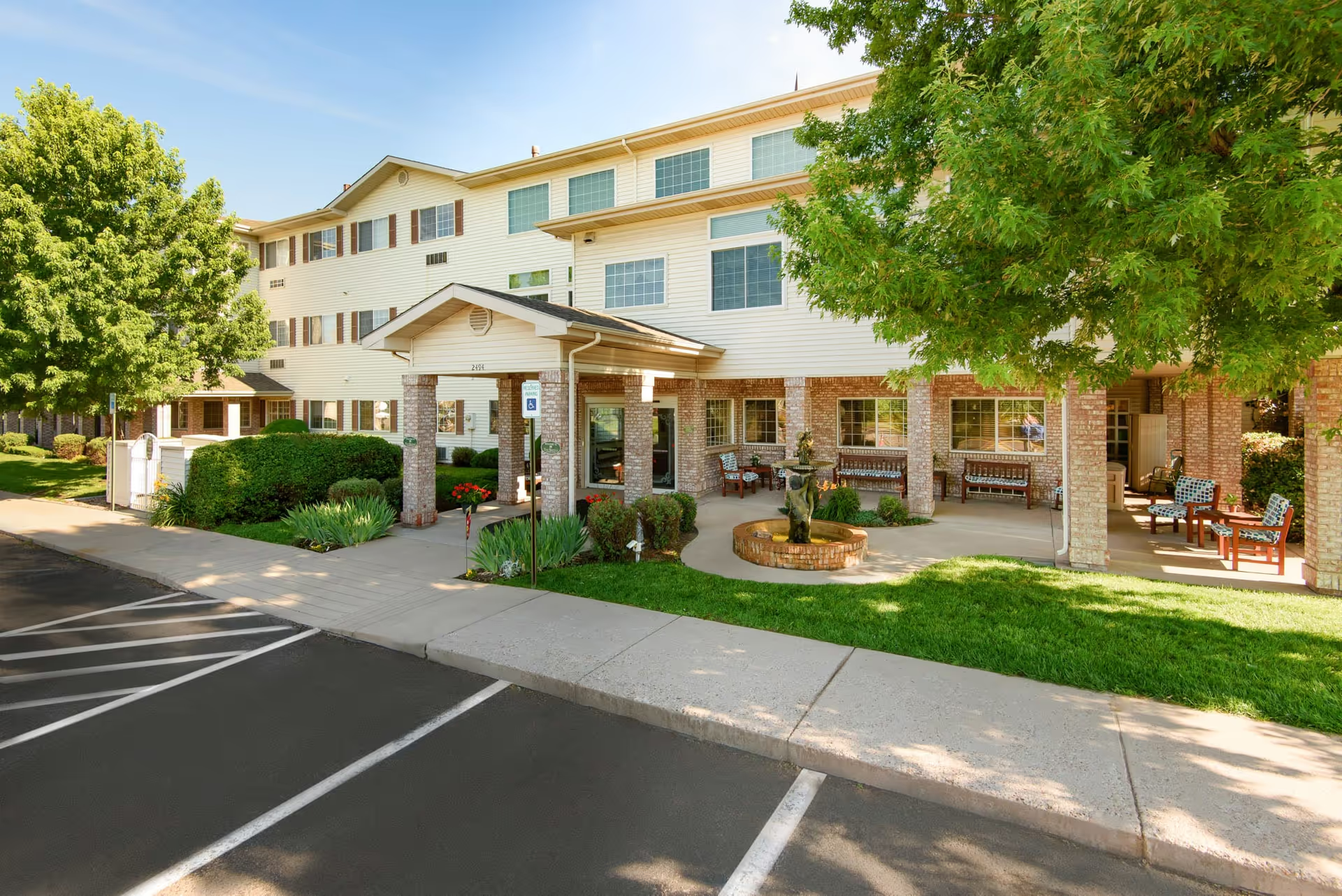
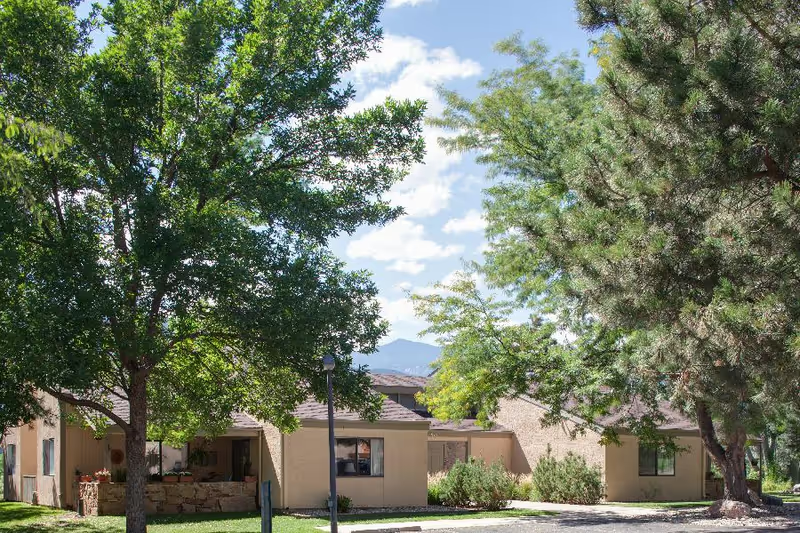
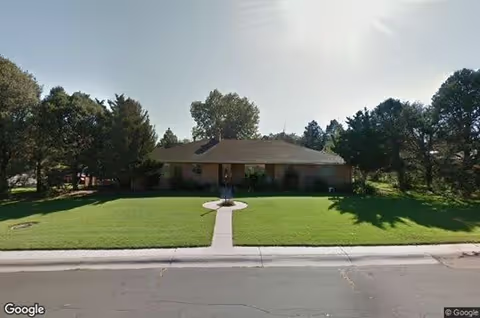
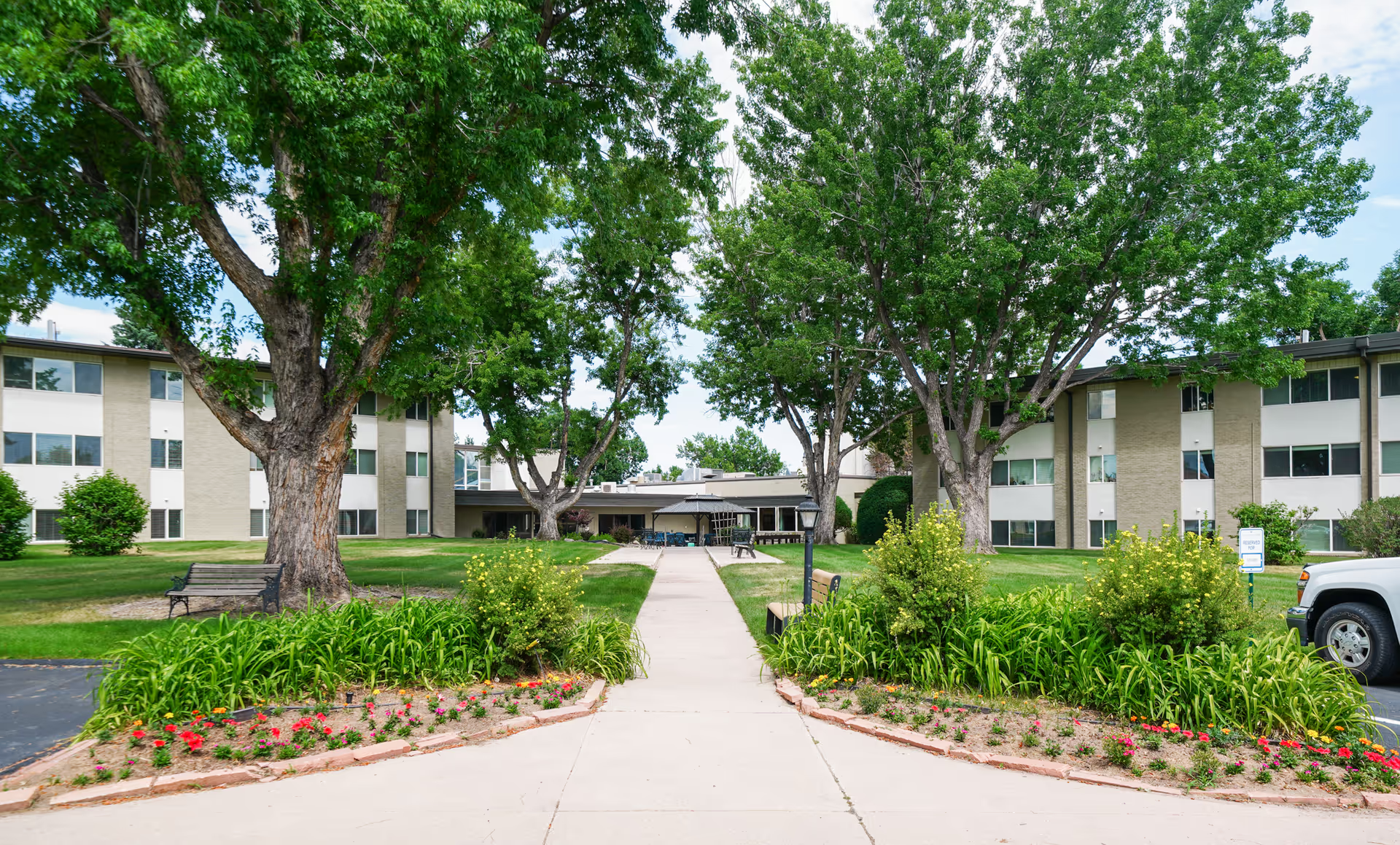
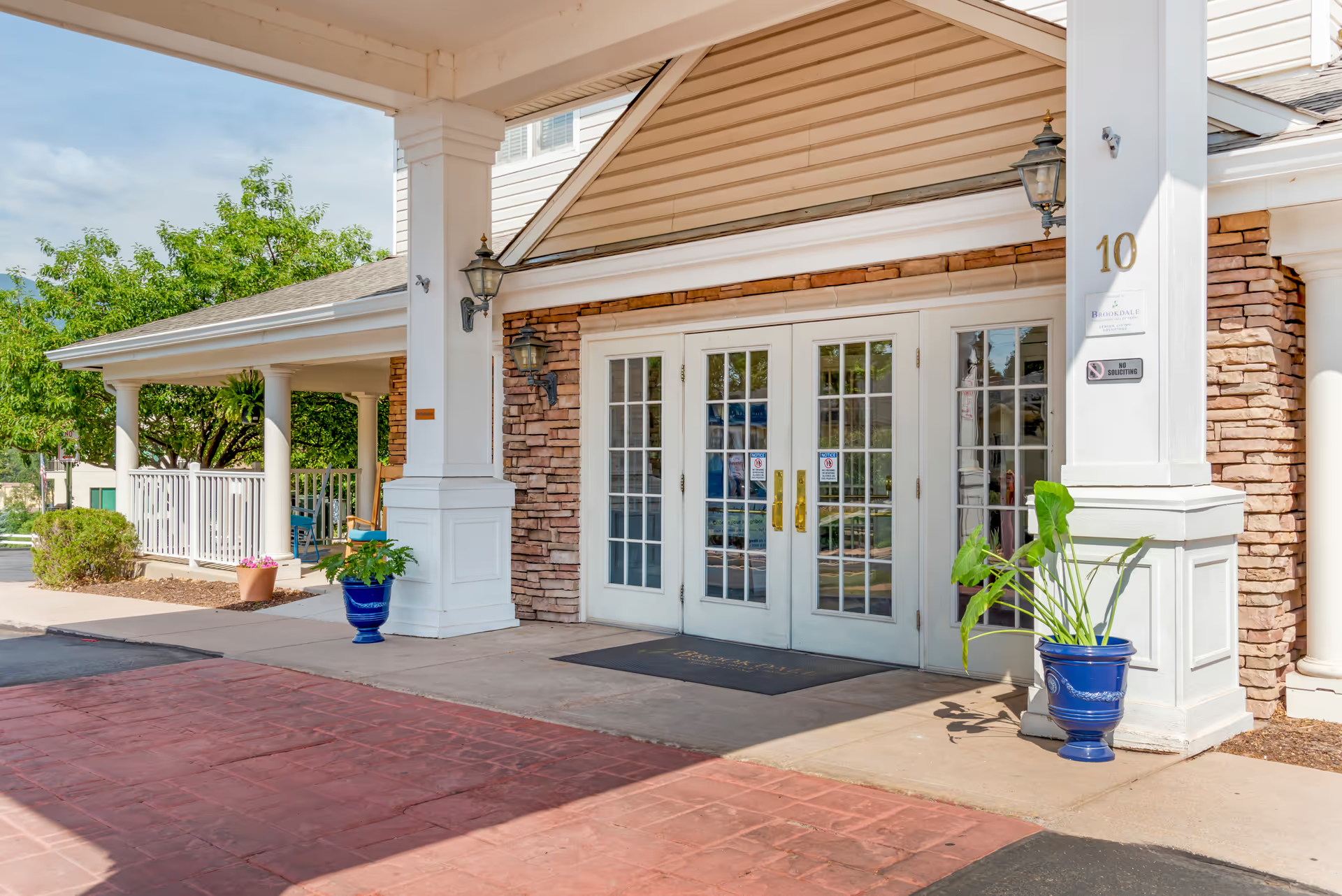
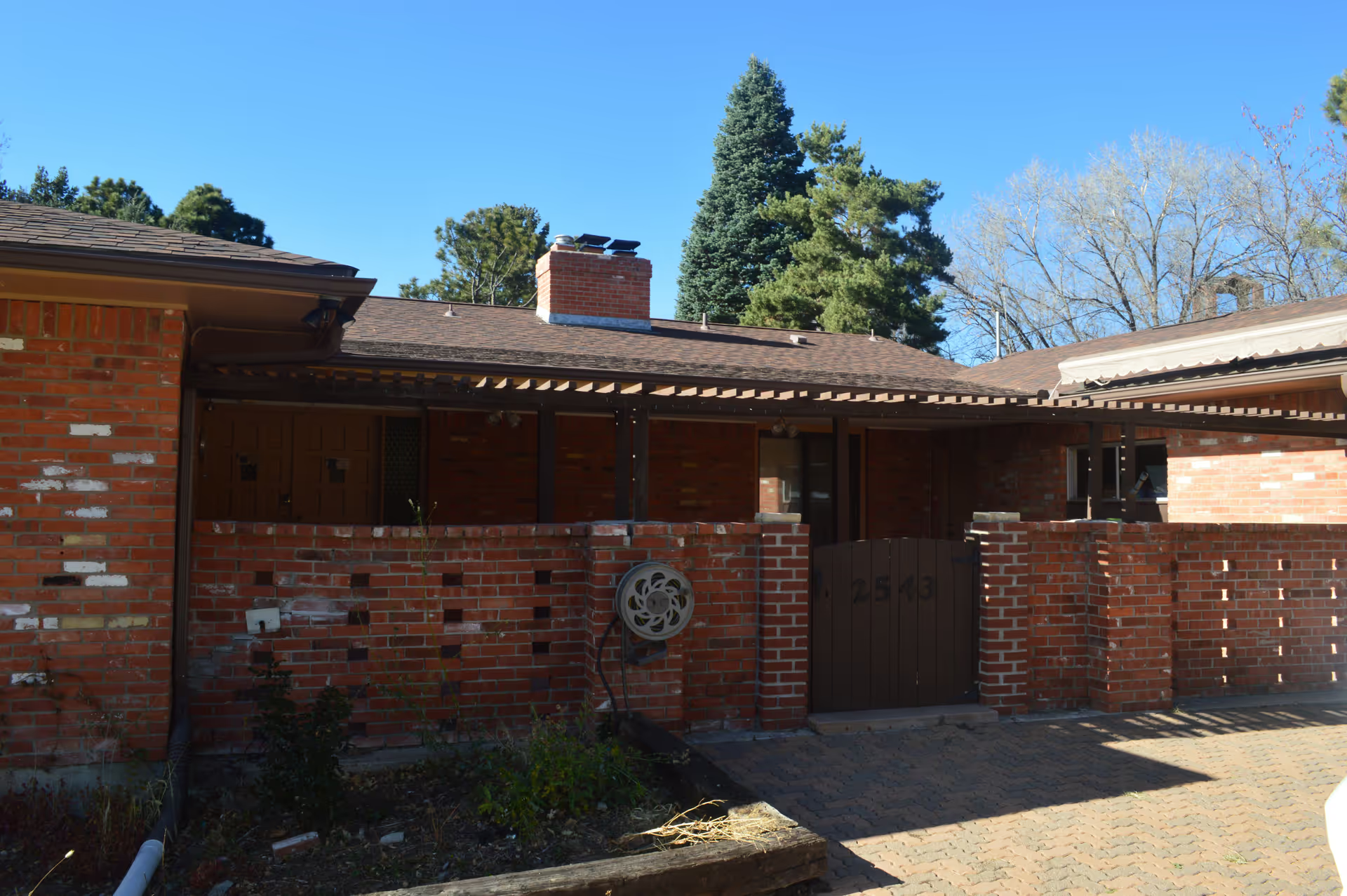
The physical environment and maintenance record are uneven. Interiors and resident rooms are often described as clean and orderly, and reviewers praised improvements in therapy spaces and some recent cosmetic upgrades. At the same time, there are consistent accounts of ongoing building repairs, recurring leaks or temporary fixes, sticky floors or mold concerns in select areas, doors and fixtures that do not operate smoothly, and a persistent high-pitched mechanical noise that affects resident comfort. These infrastructure issues suggest deferred or piecemeal maintenance rather than comprehensive capital repair.
Dining and daily-life feedback is variable: some families found the staff accommodating at mealtimes and cited personalized dining attention, while others described meal quality as inconsistent. Activity programming receives generally positive comments when staff are present and engaged; wheelchair accessibility for social events is a noted positive. There are also observations about perceived favoritism and uneven allocation of staff attention that can affect the daily experience of some residents.
Management and ownership changes are a further area of concern. Several reviewers described corporate turnover, name changes, and claims of payroll or operational disruption; these items align with other administrative and staffing complaints and suggest organizational instability that can affect culture and service continuity. At the same time, many reviewers singled out individual employees and unit-level teams as reliable, compassionate, and committed.
For families evaluating this facility: arrange multiple daytime and evening visits, ask to meet therapy and social-work staff, request written policies on medication notification and incident reporting, review billing and documentation procedures before admission, and inquire specifically about current staffing ratios and maintenance plans for the areas you or your loved one will use. The facility appears to deliver strong hands-on care in many instances, but prospective residents should verify administrative consistency and infrastructure reliability to match their expectations and clinical needs.