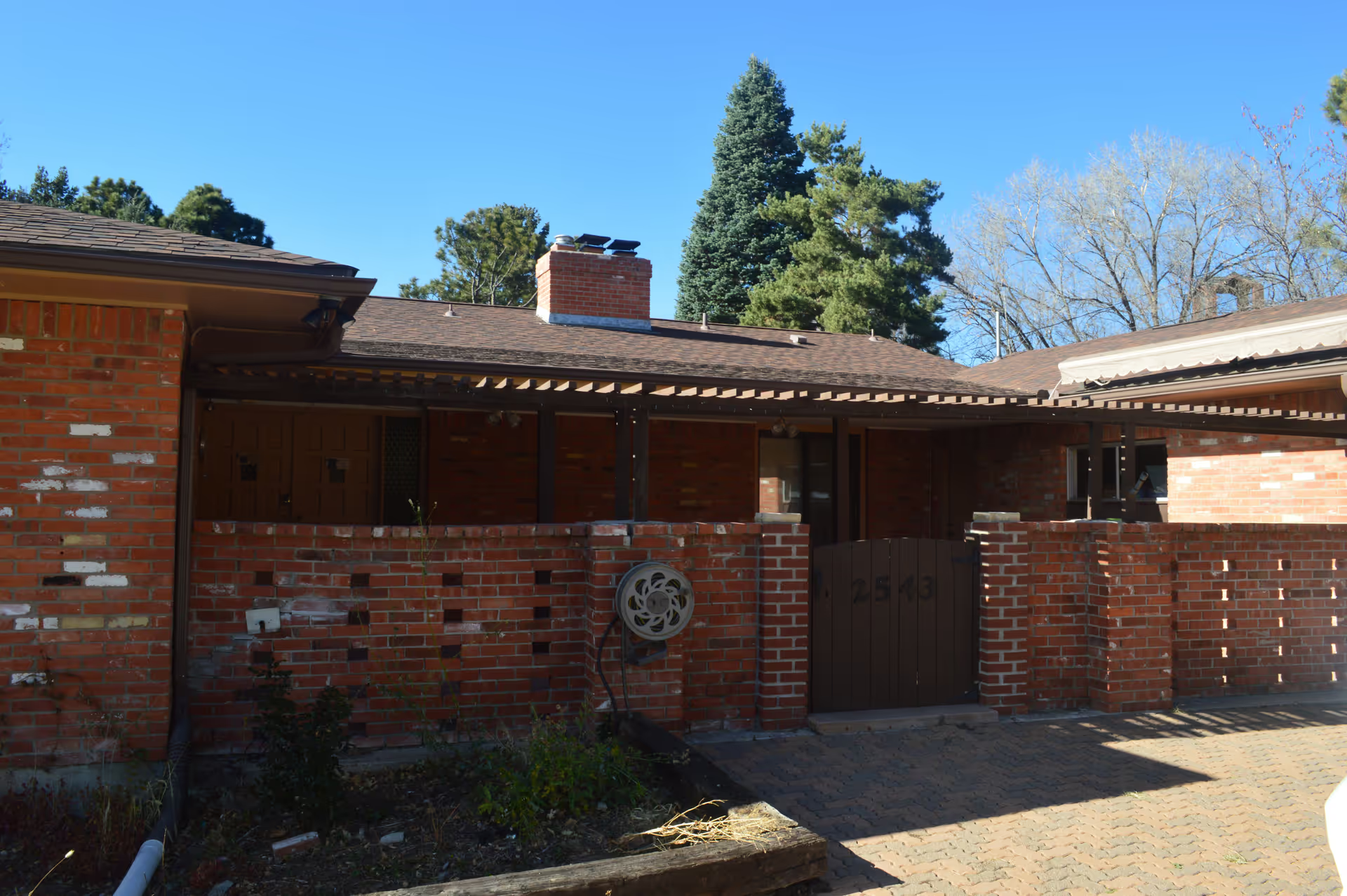
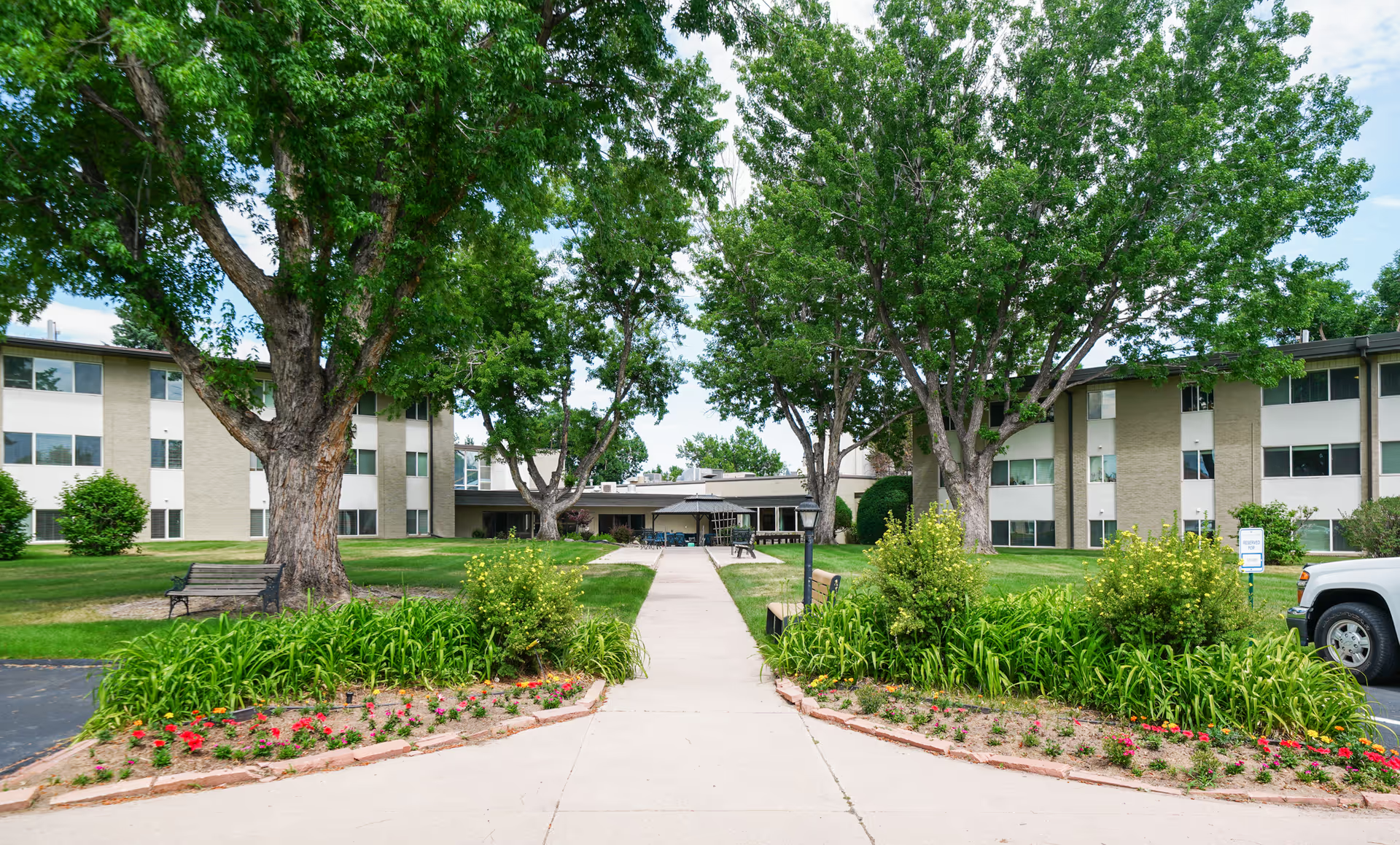
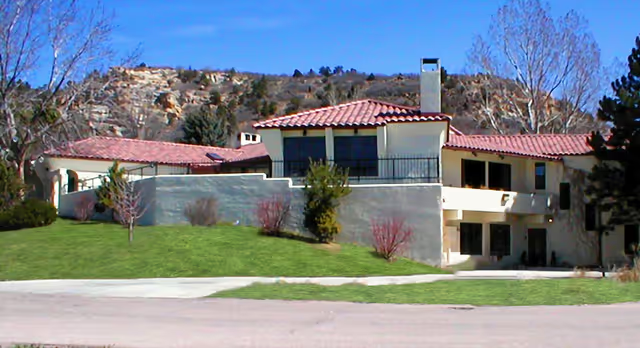
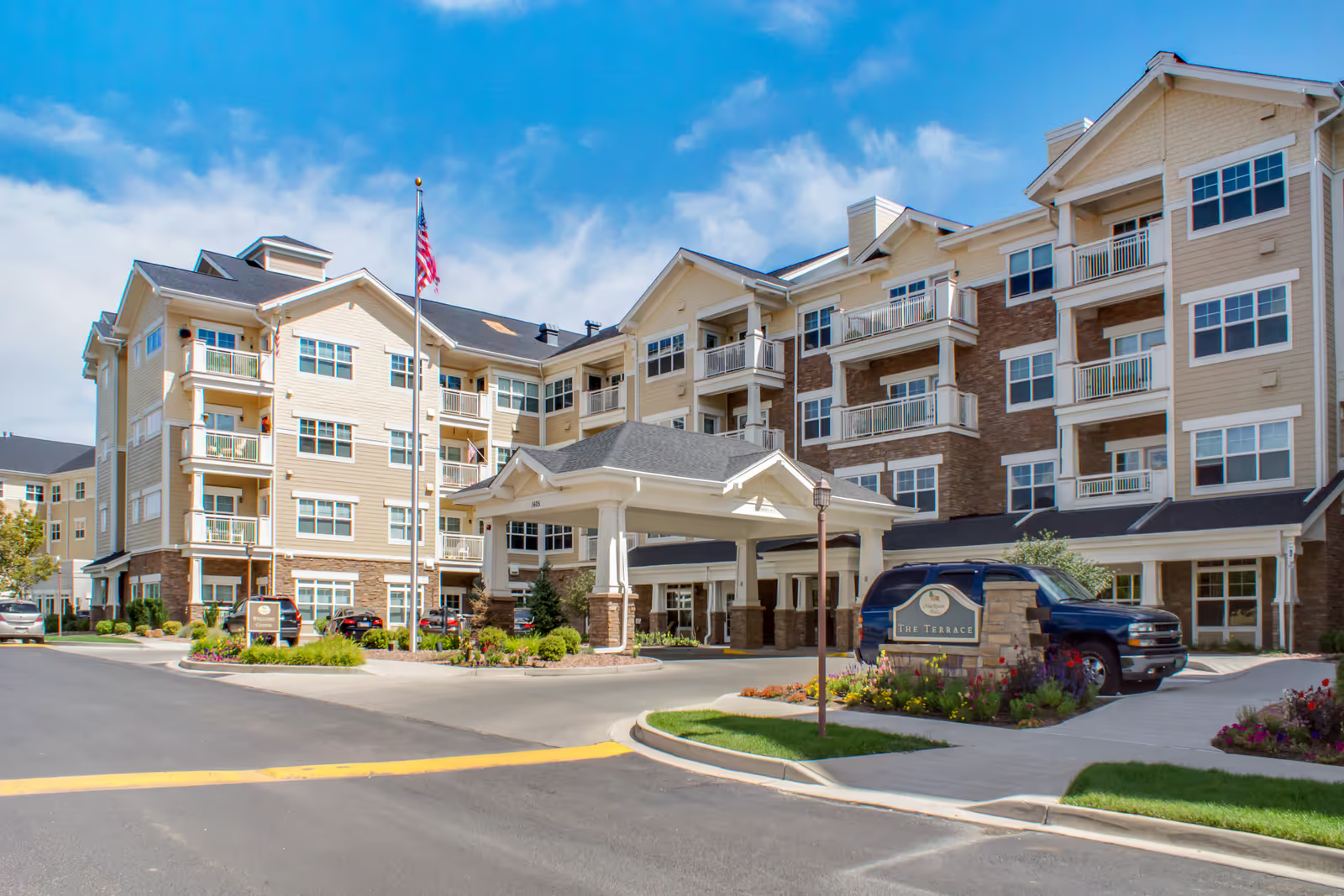
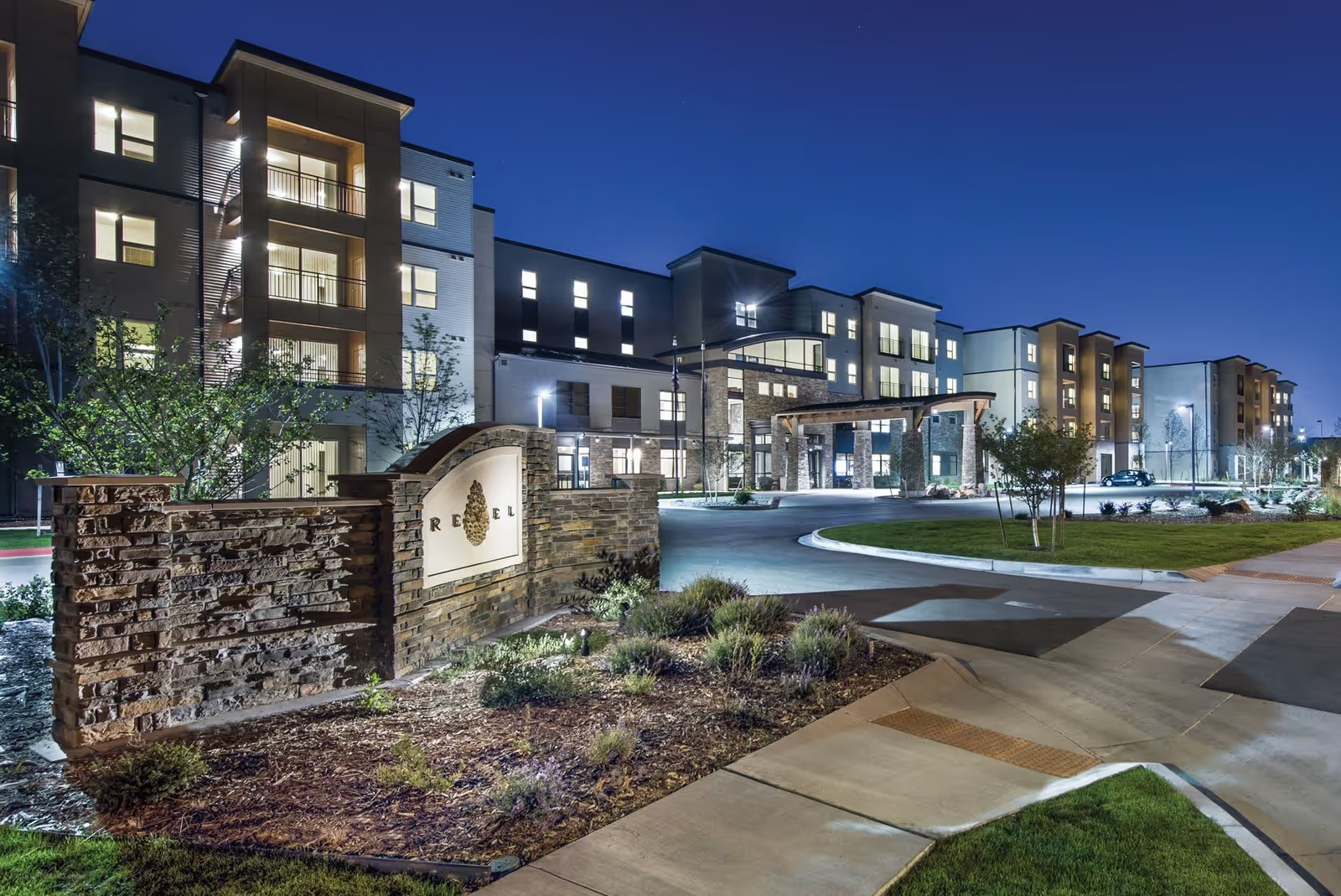
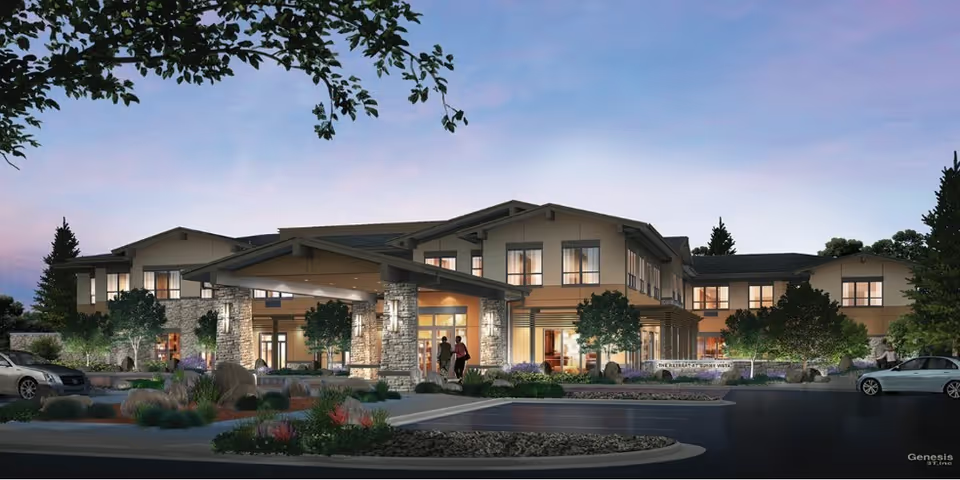
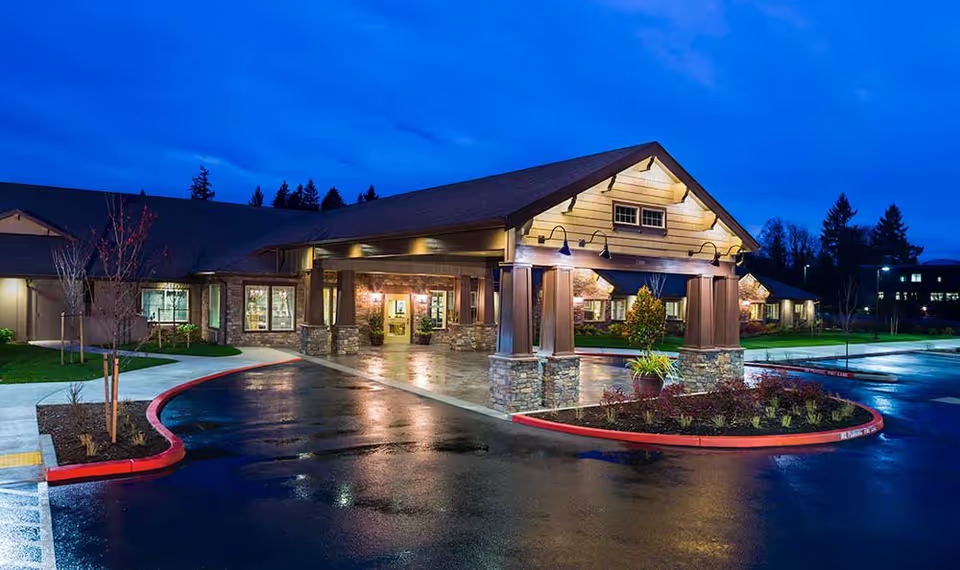
Lark Springs presents a mixed but clearer pattern: it is primarily positioned as a dementia-specialized memory-care community with many structural and programmatic strengths alongside recurring operational weaknesses. The facility’s design and clinical focus support residents with memory impairment through secure, locked areas, a circular walking pattern, and staff trained in dementia care. Many families noted compassionate, hands-on caregiving, clinicians who know residents by name, and a generally warm, family-like atmosphere. The community’s smaller scale and well-maintained grounds, including multiple outdoor walking areas and courtyards, are frequently cited as positive contributors to resident quality of life.
Care quality is variable. Positive accounts emphasize attentive aides, knowledgeable dementia-care staff, and available clinical supports including on-site medical care and hospice integration under Medicare/Medicaid. The facility’s enrollment in programs such as PACE and the availability of respite care add affordability and clinical continuity for some families. At the same time, reviewers describe operational gaps that affect care consistency: high staff turnover, gaps in nursing leadership communication, incomplete documentation (for example, emergency contacts not entered reliably), and uneven supervision that has been linked to falls and delayed response times. These patterns indicate a need for strengthened clinical handover, supervision protocols, and clearer escalation pathways.
Dining and activities are generally strengths but show variability. Many reviewers praised an on-site chef, appealing menus with vegetarian options, and appetizing portion sizes. Conversely, several accounts describe inconsistent meal quality depending on staffing or shift. Activity programming is robust when fully staffed, with a full-time activity director, live music, outings, and well-attended group programs; however, some families experienced uneven engagement or limited coordinated activities, suggesting reliance on staffing continuity for program delivery.
Facility features and accommodations are a trade-off. The community’s small, secure footprint and well-kept common areas and grounds provide obvious benefits for safety and socialization. However, private units are often small; double-occupancy arrangements can feel cramped, and in-room bathrooms or sinks are not consistently wheelchair accessible. Housekeeping performance is inconsistent in some units, creating sanitation concerns and the perception of uneven cleanliness despite many reports of clean common areas.
Management and communication emerge as a recurrent theme. Positive interactions with directors and certain administrative staff were described as turning difficult transitions into better outcomes. Yet other families experienced unfriendly or uncommunicative front-office staff, limited follow-up after clinical events, difficulty arranging virtual visits, and challenges with laundry and personal-item handling. These administrative inconsistencies—combined with staffing instability—contribute to mixed impressions about value for cost; some find Lark Springs affordable through PACE and supportive of end-of-life care, while others feel the price does not match operational reliability.
Notable patterns for prospective families: Lark Springs is likely to be a good fit for residents who require secure, dementia-focused care in a small, outdoor-oriented community with active programming when staffing is stable. Families should assess room dimensions and accessibility, clarify housekeeping and laundry protocols, review fall-prevention and supervision practices, and ask specific questions about clinical leadership continuity and emergency-contact documentation. Touring the facility during activity periods and speaking with current family members may help evaluate consistency of dining, activities, and staff responsiveness over time.