Feedback for Medallion Post Acute Rehabilitation is strongly polarized: many families and residents describe highly positive clinical and social experiences, while others report significant operational and clinical concerns. The facility offers strong rehabilitation services and several reviewers praised therapy continuity, rapid functional gains, and successful transitions to assisted or independent living. Numerous comments highlight compassionate, dedicated nurses and CNAs, attentive end-of-life support, and helpful admissions staff. The activity program is a recurring strength, with organized daily outings, social events, and therapeutic group activities. Dining is often described positively with varied menus and an overall good dining experience, although consistency is an issue in some accounts.
Care quality and staffing present the clearest pattern of mixed experience. Positive accounts emphasize skilled nursing care, attentive bedside staff, and collaborative leadership. Contrasting accounts focus on staffing shortages, frequent turnover, and training gaps that manifest as delayed responses, medication-processing delays, and uneven nursing oversight. These operational staffing dynamics appear to correlate with declining quality in certain time periods or units, according to reviewers. Several families also reported serious clinical events that resulted in hospital transfers or prolonged hospitalizations; these are described with concern about timeliness of response and clinical communication.
Dining and activities are frequently cited as strengths but not uniformly so. Many reviewers praised meals, a pleasant dining experience, and active social programming (bingo, music, cooking classes, outings). At the same time, others raised concerns about inconsistent meal service, delayed meal assistance, and a perceived need for stronger kitchen leadership to maintain menu consistency and service reliability.
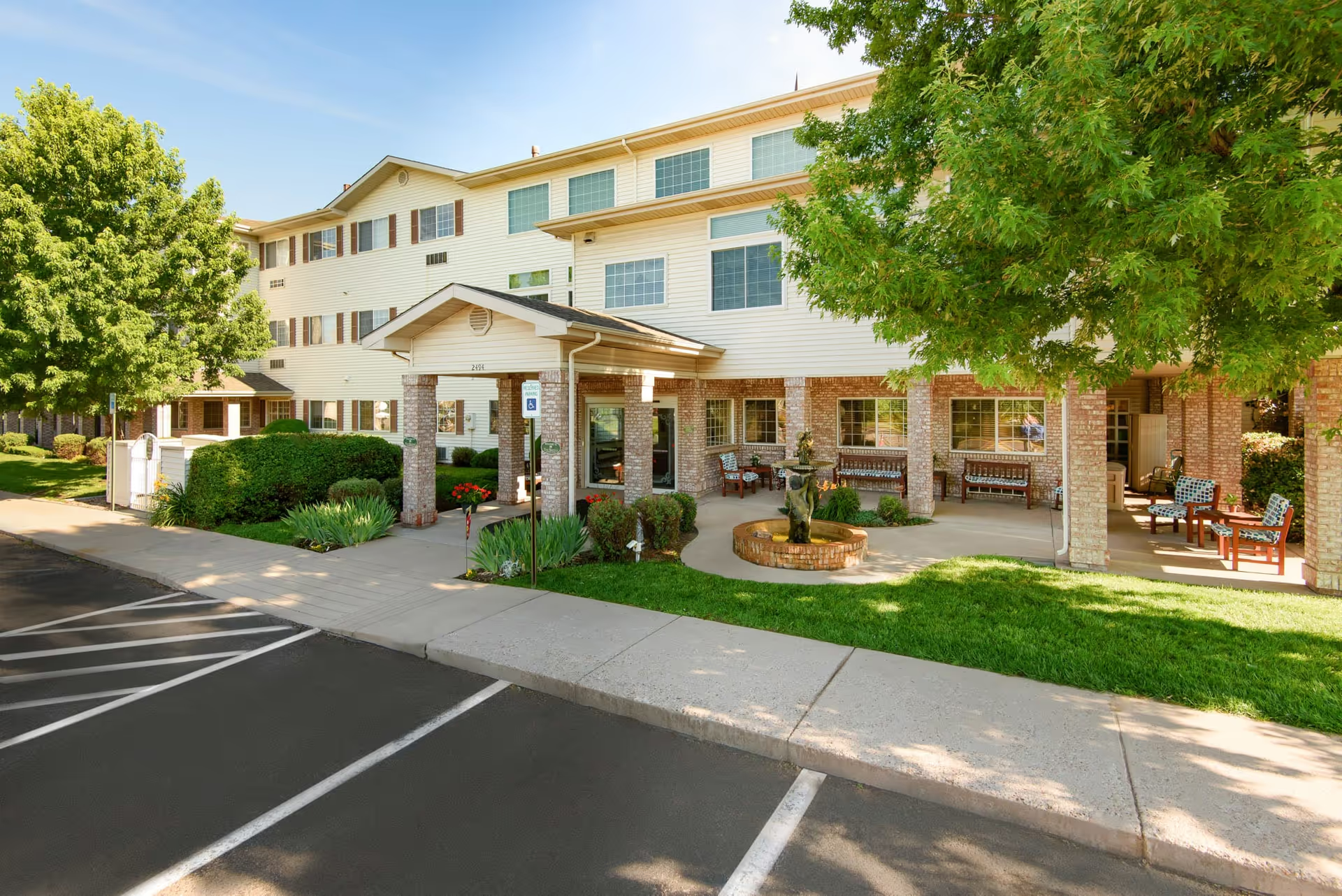
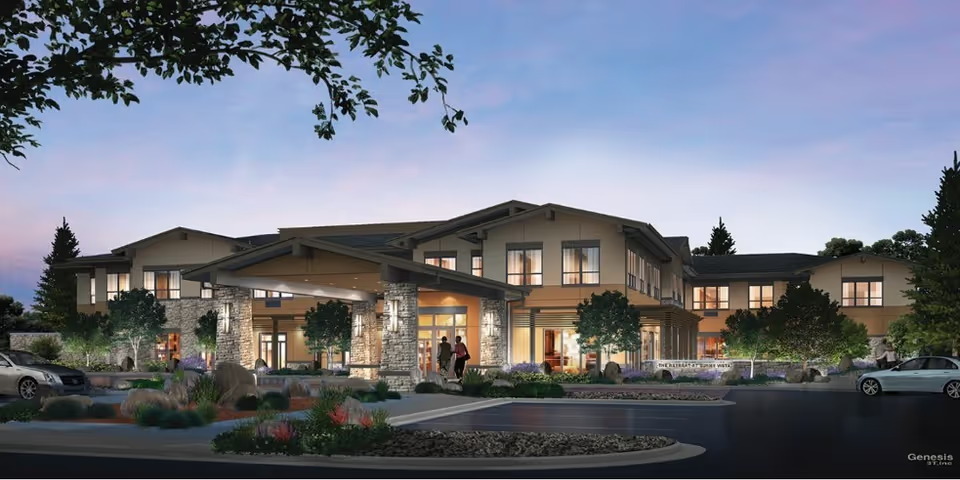
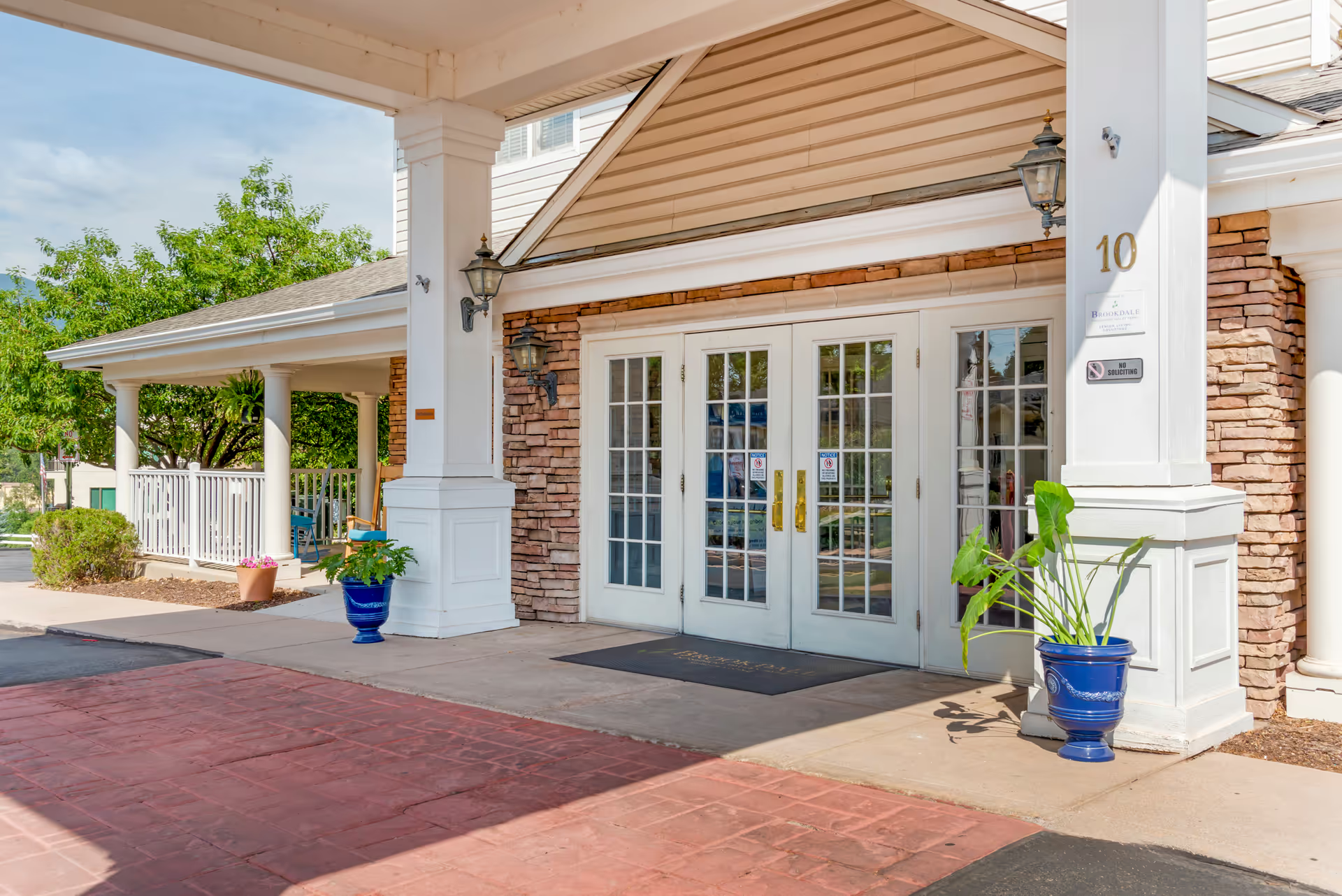
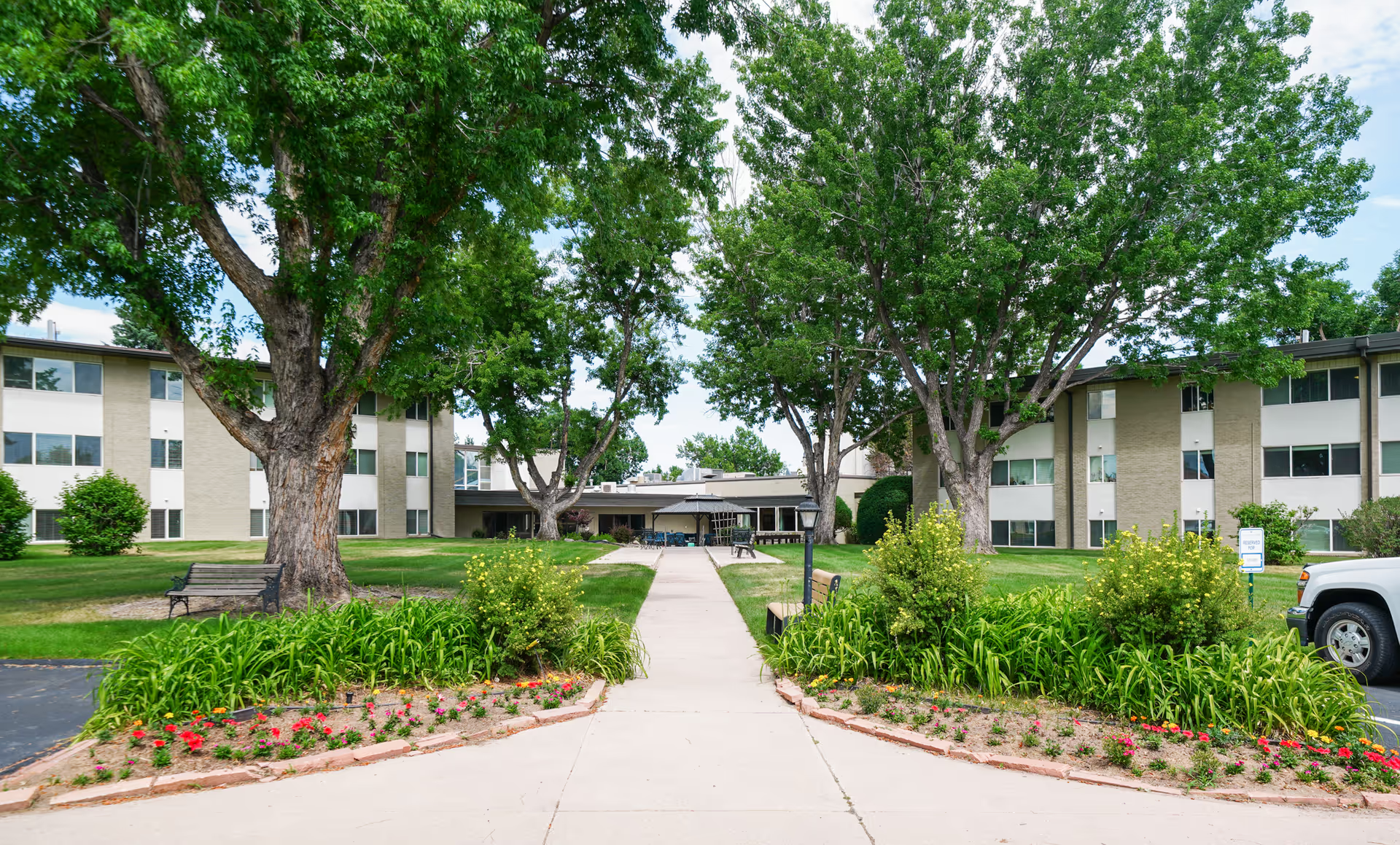
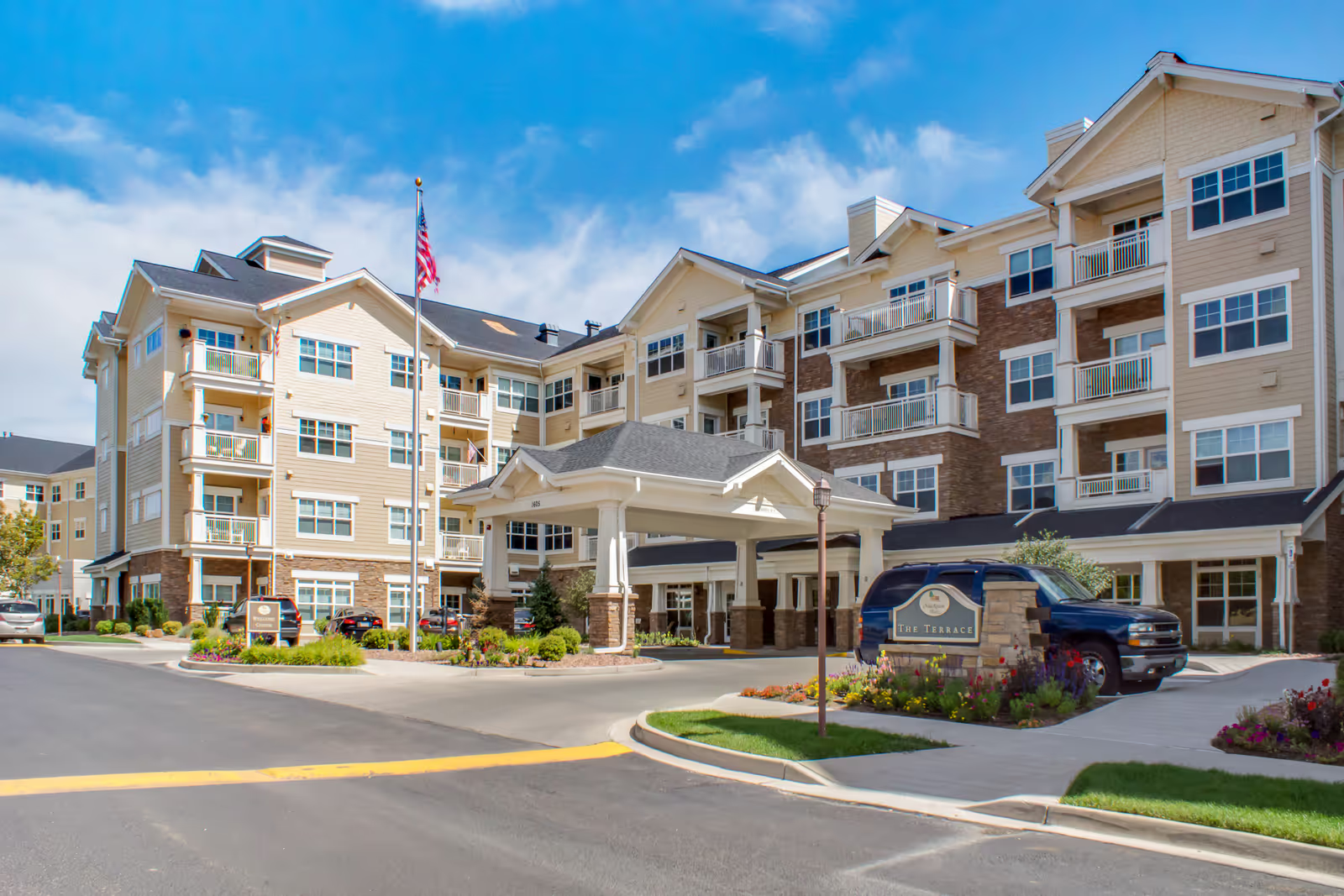
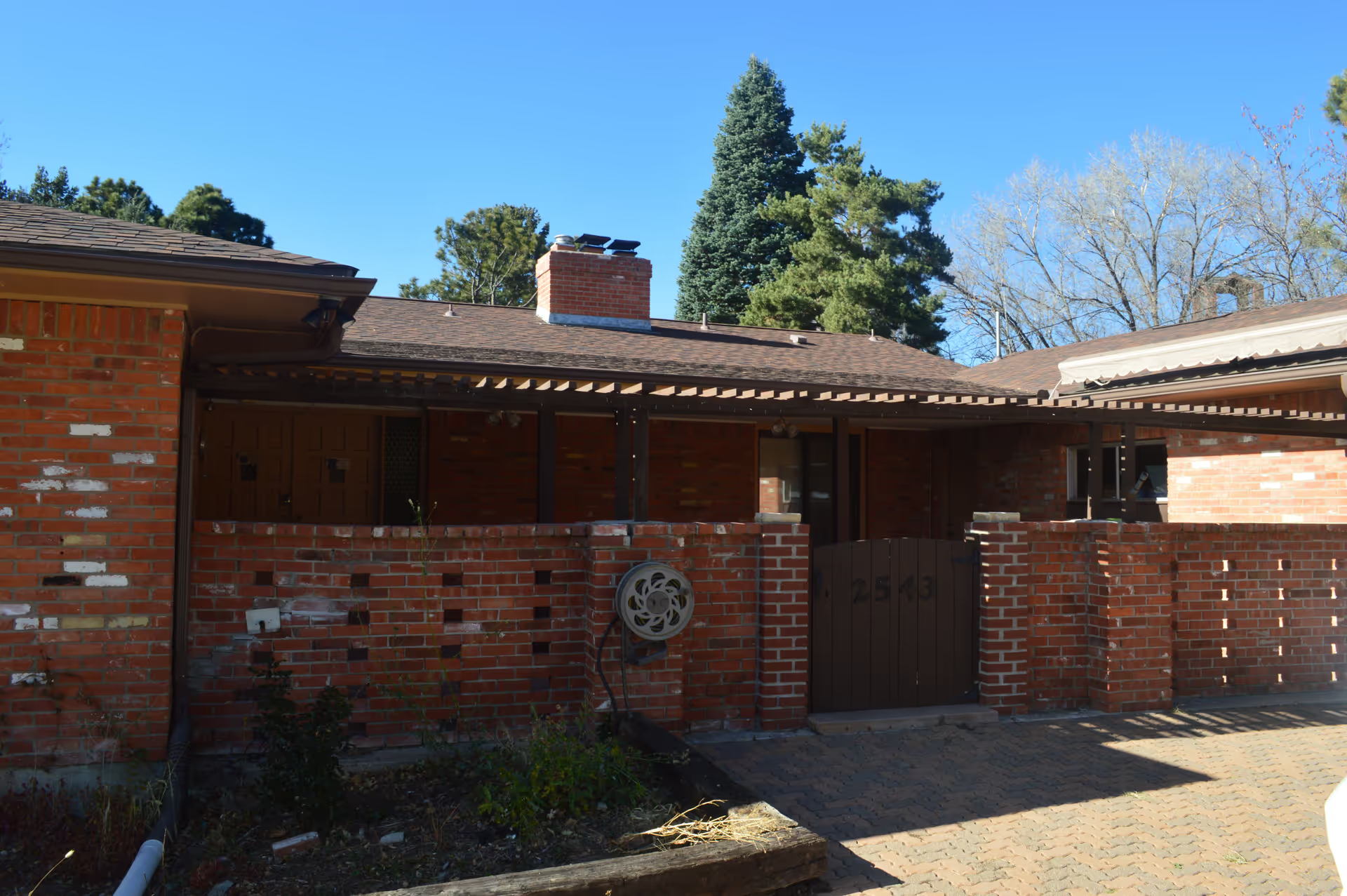
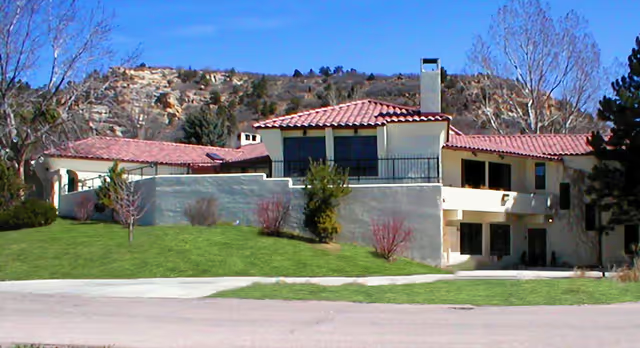
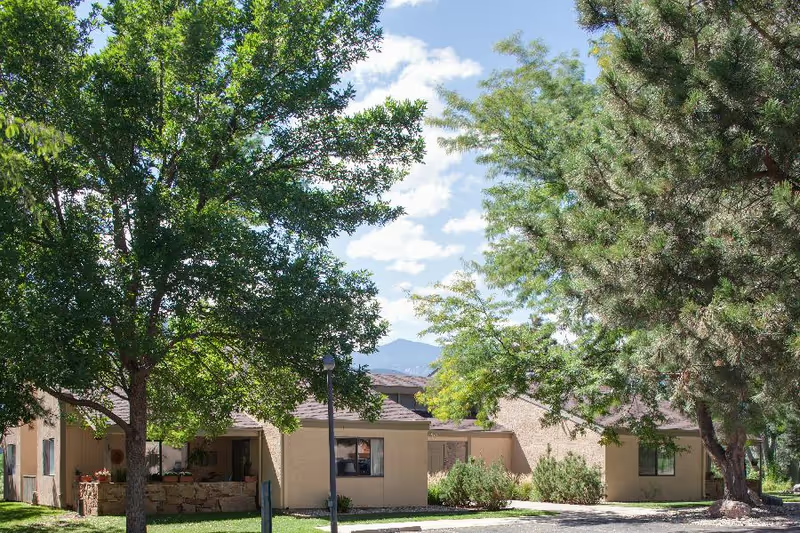
Facility condition and operations are another area of mixed feedback. Positive comments reference clean, well-maintained resident rooms, attractive outdoor spaces, and planned renovations. Negative observations point to sanitation and maintenance issues in some common areas (stairways, elevators), pest-control concerns, laundry-service failures, and delayed repairs. These operational weaknesses contribute to perceptions of an aging facility in need of more consistent upkeep.
Management and administrative practices show variability. Some reviewers praised strong, supportive leadership and efficient operations; others described communication gaps with families, leadership turnover, marketing materials that did not reflect current conditions, and billing or refund disputes. Safety and security procedures also drew attention, including after-hours access concerns and isolated safety-related incidents; these suggest a need to clarify policies and incident follow-up.
Notable patterns: the reviews indicate a bifurcated experience—many positive accounts of therapy outcomes, compassionate caregivers, and rich social programming coexist with reports of inconsistent staffing, maintenance and sanitation lapses, and administrative shortcomings. Prospective residents and families should request recent staffing ratios, inquire about current leadership and turnover, review medication-management and emergency-transfer protocols, and inspect laundry and common-area maintenance practices during a tour. Specific questions about billing, refund policies, and pest-control protocols are also warranted given the pattern of concerns.