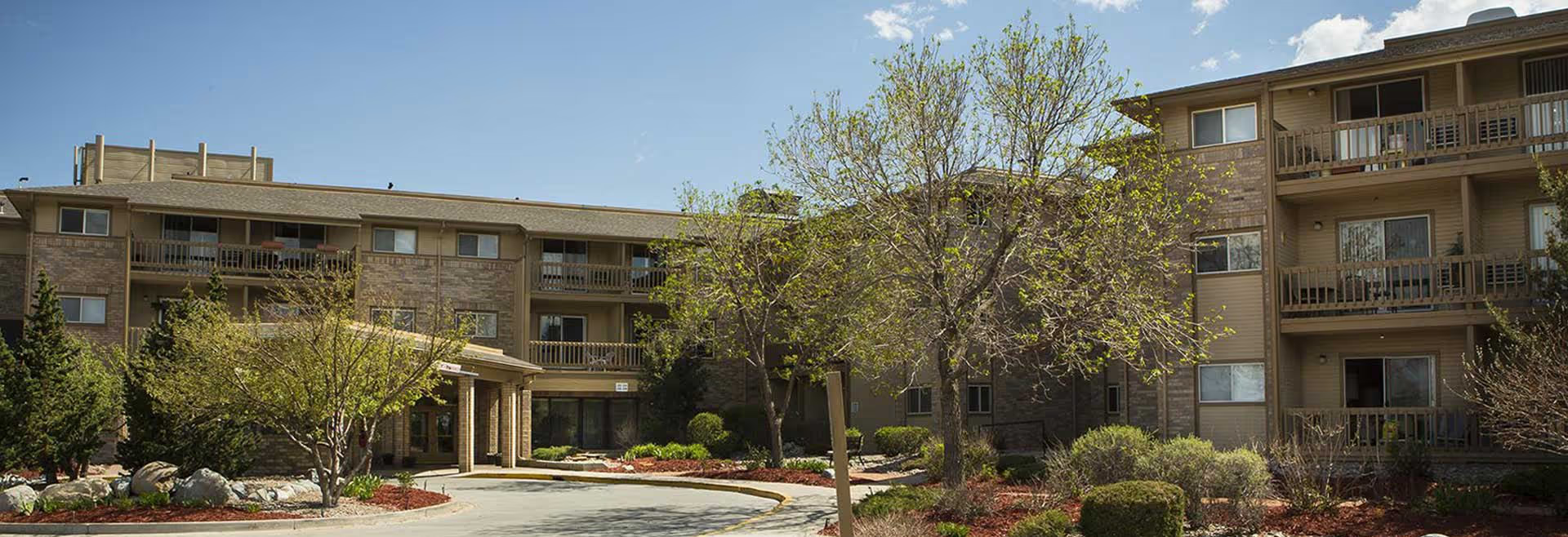
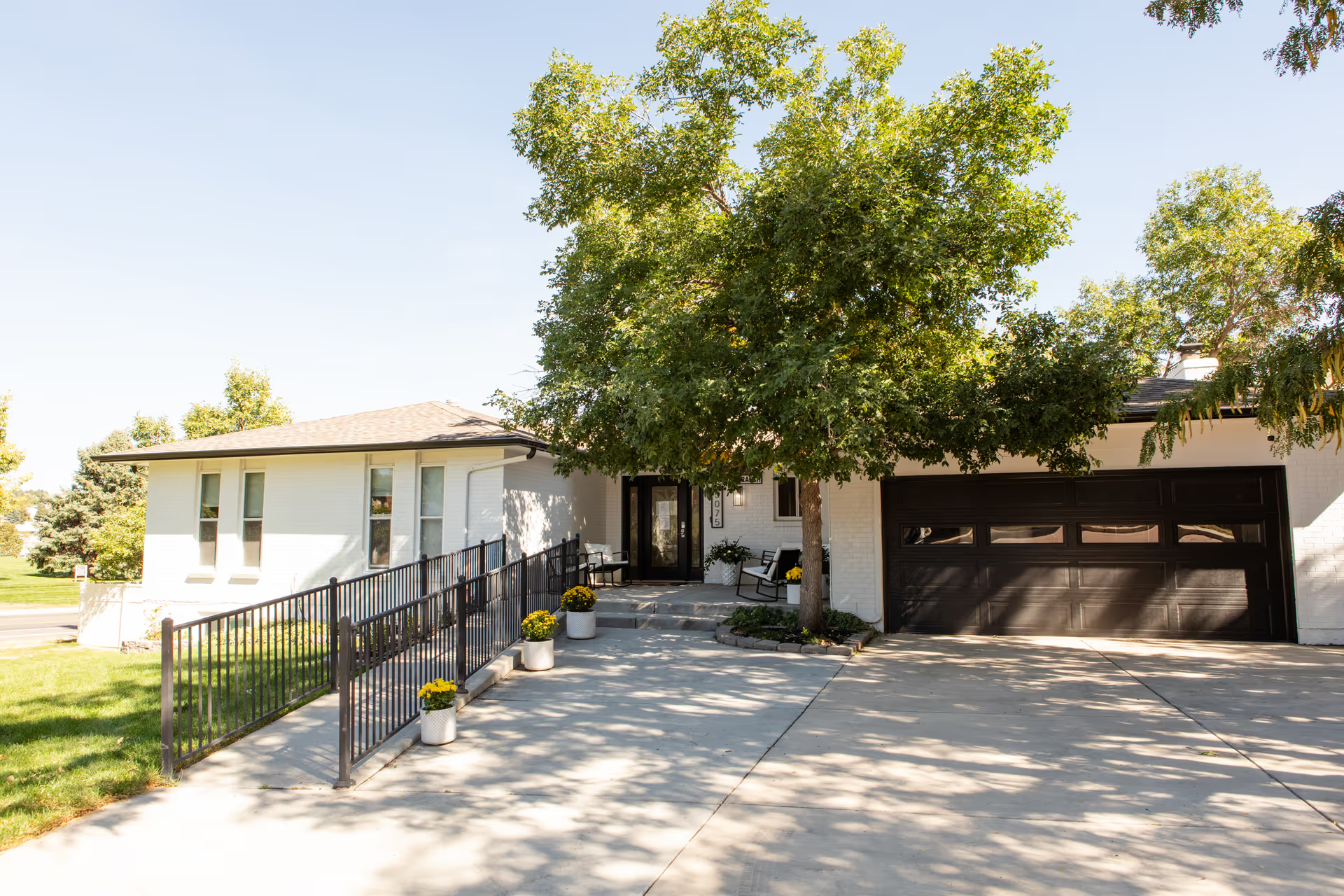
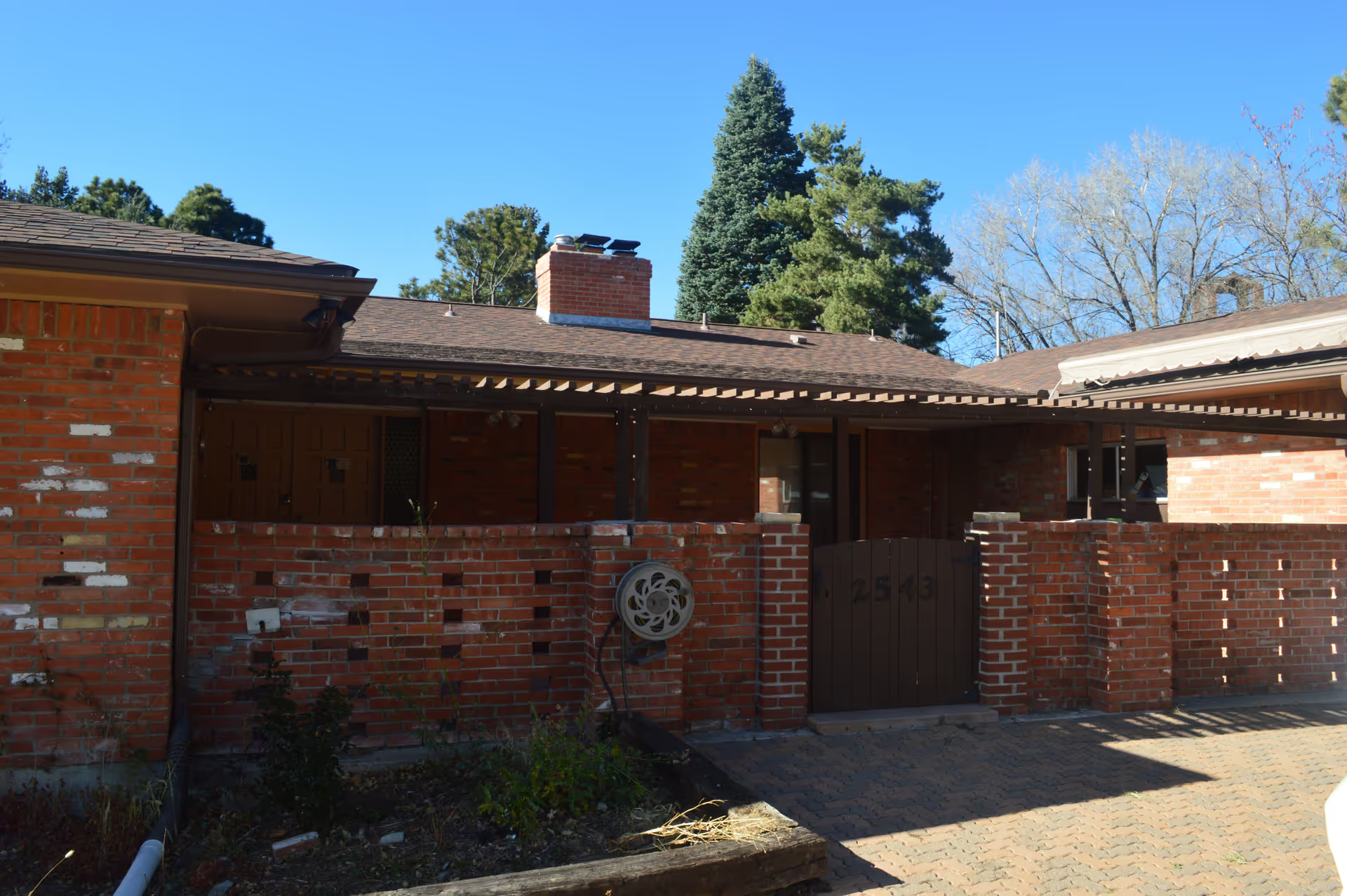
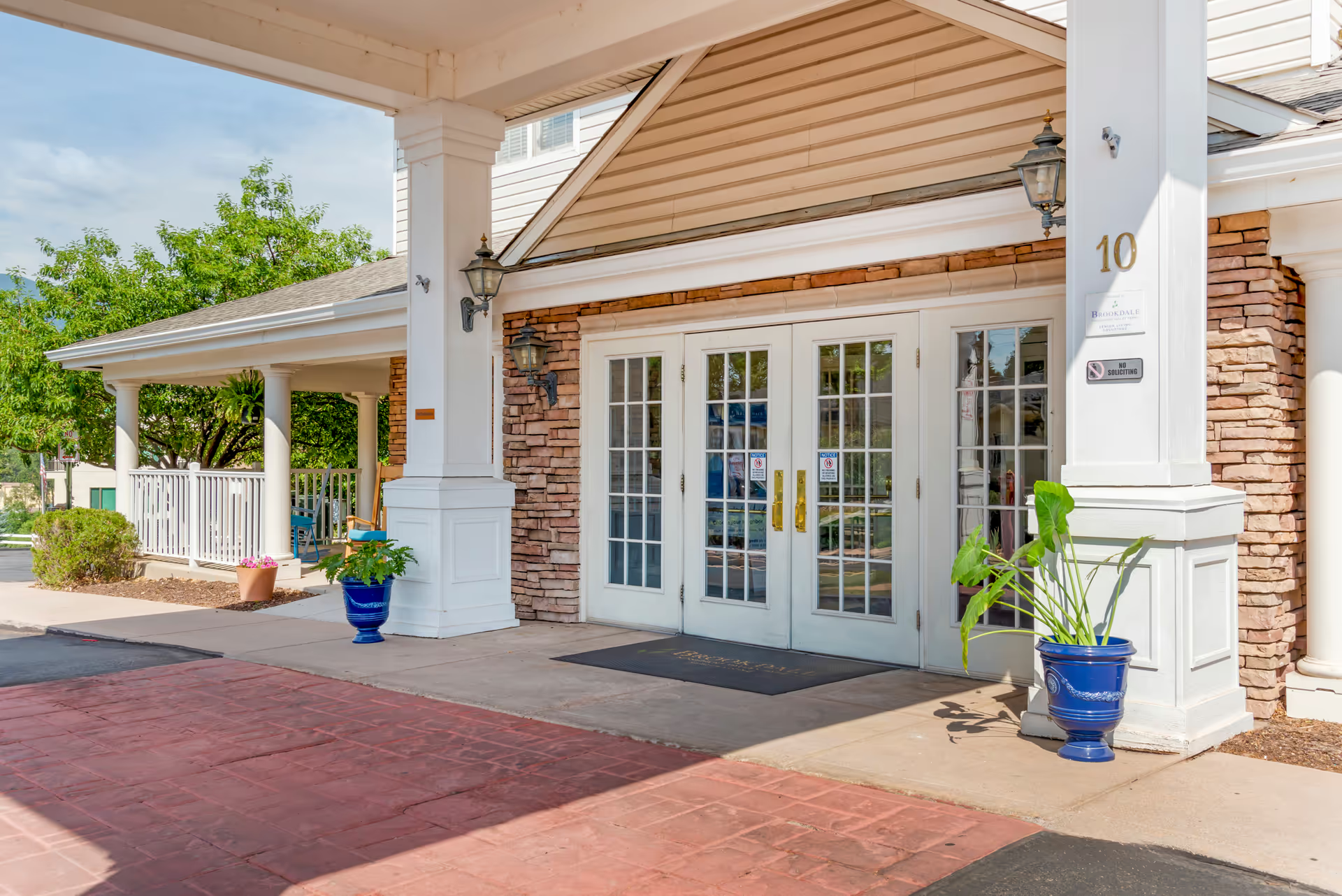
The reviews for Point of the Pines Gardens are highly polarized, with families and residents describing both notable strengths and significant operational concerns. Positive comments emphasize physical amenities — private rooms with attached baths, holiday decorations and an upscale interior — as well as practical supports such as on-site medication-management (QMAP) services, meal and snack availability, and transportation to appointments. Many reviewers praised individual caregivers and some administrators as compassionate and responsive, and several noted that the facility can be an affordable and resident-friendly option for those seeking privacy and flexibility.
At the same time, a recurring set of operational weaknesses appears across descriptions. Staffing levels and staff continuity are frequent concerns: reviewers cite understaffing, high turnover, and variable professionalism. Those operational patterns are linked to complaints about responsiveness of care, communication gaps with families, and inconsistencies in activity programming. Although some staff members are described as attentive, others are described as inattentive or intrusive, creating an uneven caregiving experience.
Clinical-safety and compliance areas also draw attention. While medication-management support is a cited strength, other comments describe gaps in medication-administration controls and broader clinical-safety processes that merit verification. Sanitation and odor-management problems in particular areas, and reported difficulty controlling smoking and substance use on-site, indicate weaknesses in environmental control and enforcement of policies. Dining receives mixed feedback: some reviewers praise the meals and healthy options, while others describe inconsistent food quality and limited healthy choices.
Management and governance are another clear theme. Some families find administration helpful and resident-focused, but others describe weak leadership, poor workforce treatment, and lack of accountability. Serious claims — including allegations of financial misconduct, restrictive visitation policies, and concerns following adverse resident events — are present in the commentary and suggest the need for careful vetting. Given the divergence of experiences, prospective residents and families should verify current staffing ratios, medication-safety protocols, smoking policies, sanitation practices, activity schedules, and complaint-resolution procedures. Reviewing state inspection reports and speaking directly with multiple current residents and staff can help clarify whether the facility’s positive attributes are consistently realized.