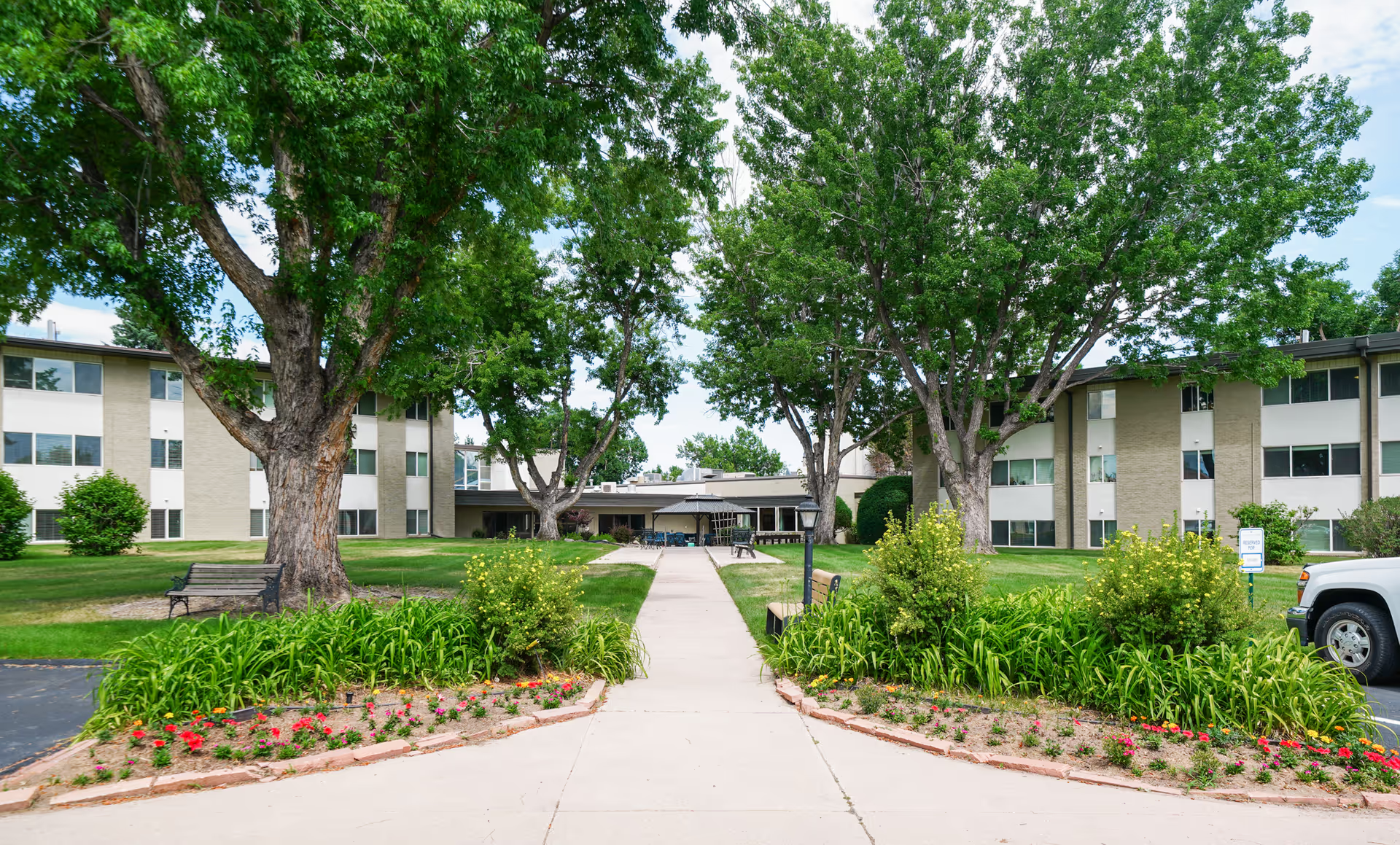
Overall impression: Reviewers portray a facility with strong strengths at the level of daily caregiving and homelike amenities, paired with recurring administrative and operational weaknesses. Many comments highlight attentive direct-care staff, a neighborly atmosphere, home-style meals, and a well-kept small-campus layout. At the same time, families and prospective residents frequently describe breakdowns in communication, documentation, and some aspects of supervision and activity programming.
Care and staff: Care quality is often described positively — caregivers are characterized as caring, patient, and willing to provide personalized attention, and some families described staff who feel like extended family. However, reviewers also described high turnover and periods of understaffing that can strain service delivery. Language barriers were cited as a complicating factor for clear communication between staff and families. Prospective residents should ask about current staffing levels, turnover rates, and language capabilities during a tour.
Dining and activities: The dining program is consistently identified as a strength in terms of home-cooked meals and on-site kitchens in each building, with adequate dining space. A smaller number of comments raised concerns about portioning or insufficient food at times. Activity programming is an area of repeated concern: several families requested more on-site activities and engagement options. Expect a primarily residential, low-intensity activity schedule; verify the current activity calendar before moving in.
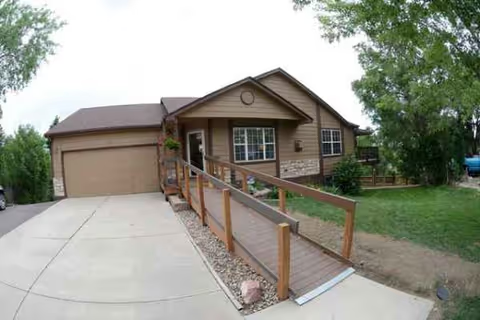
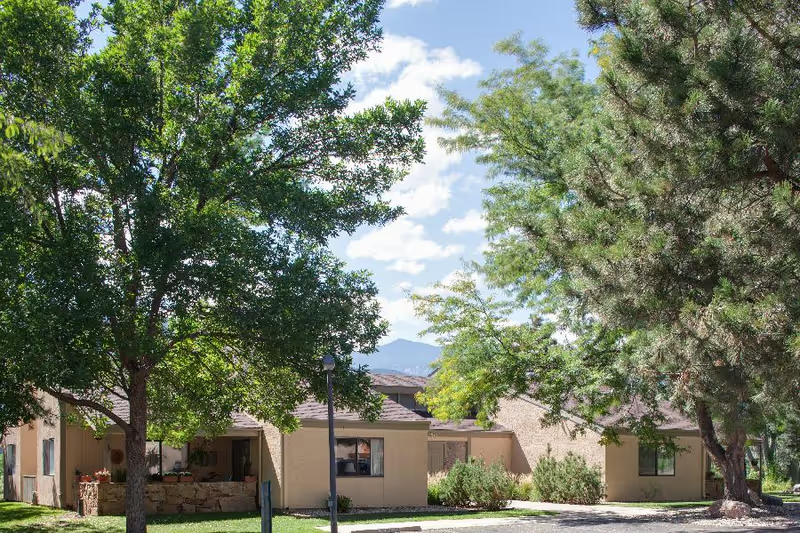
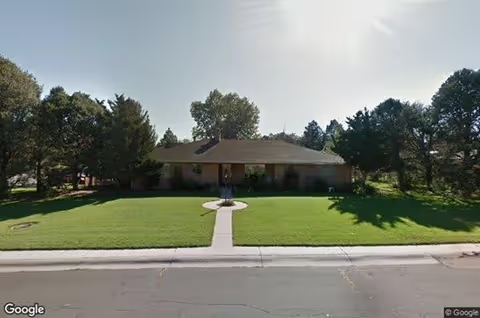
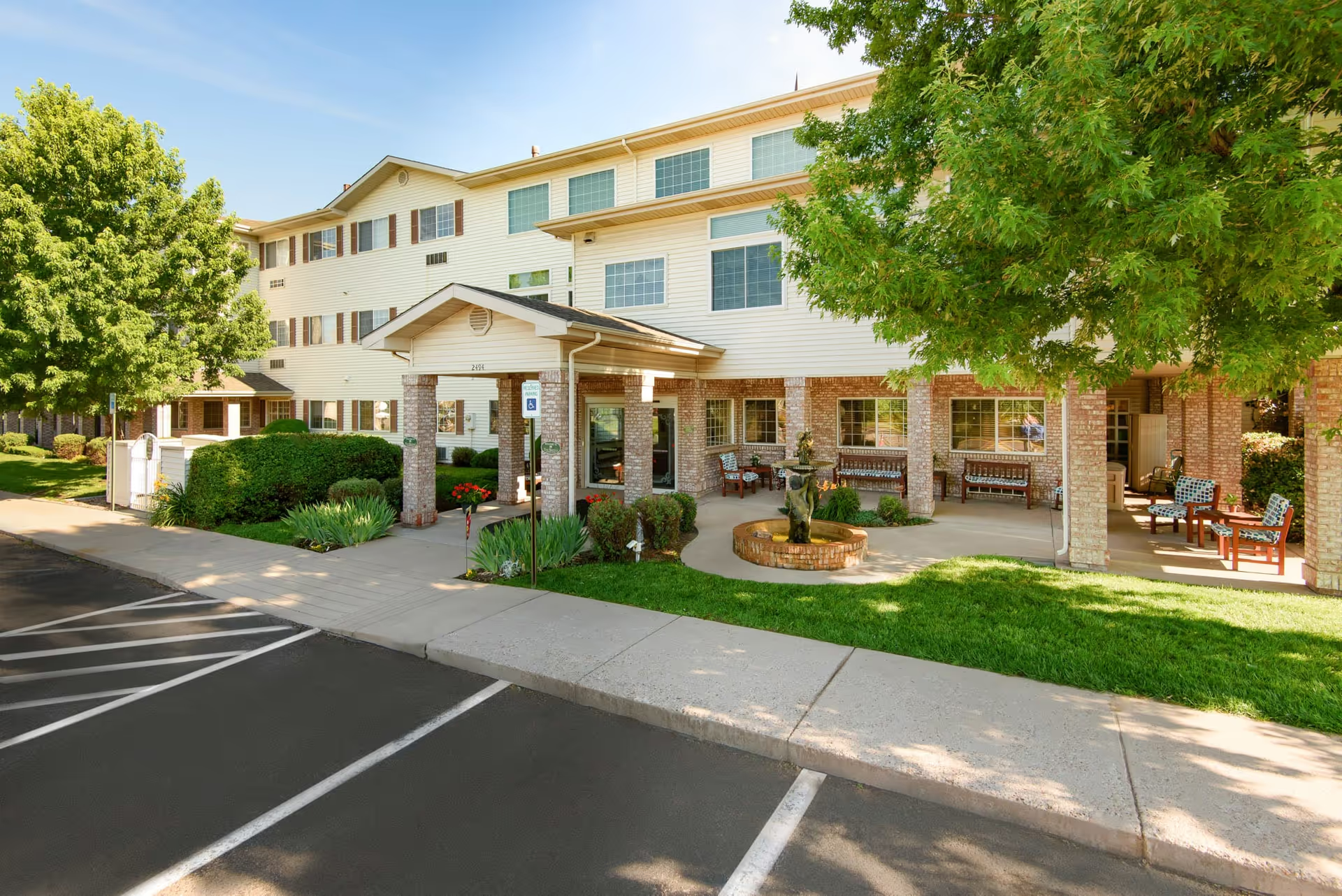
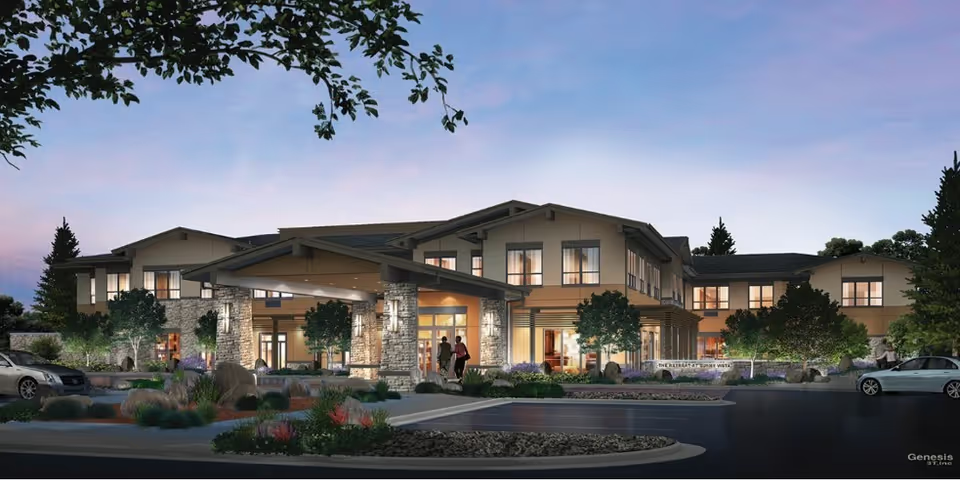
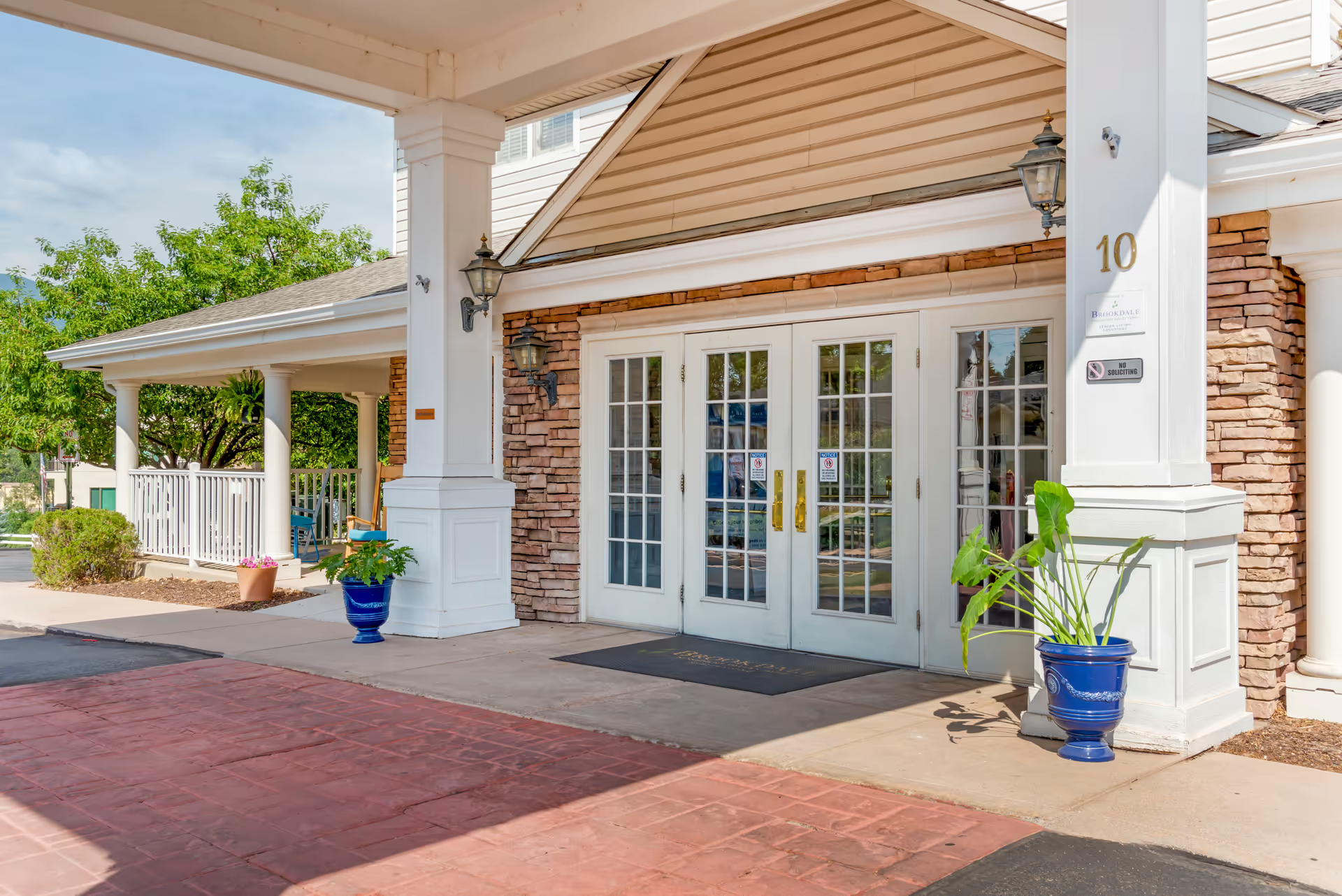
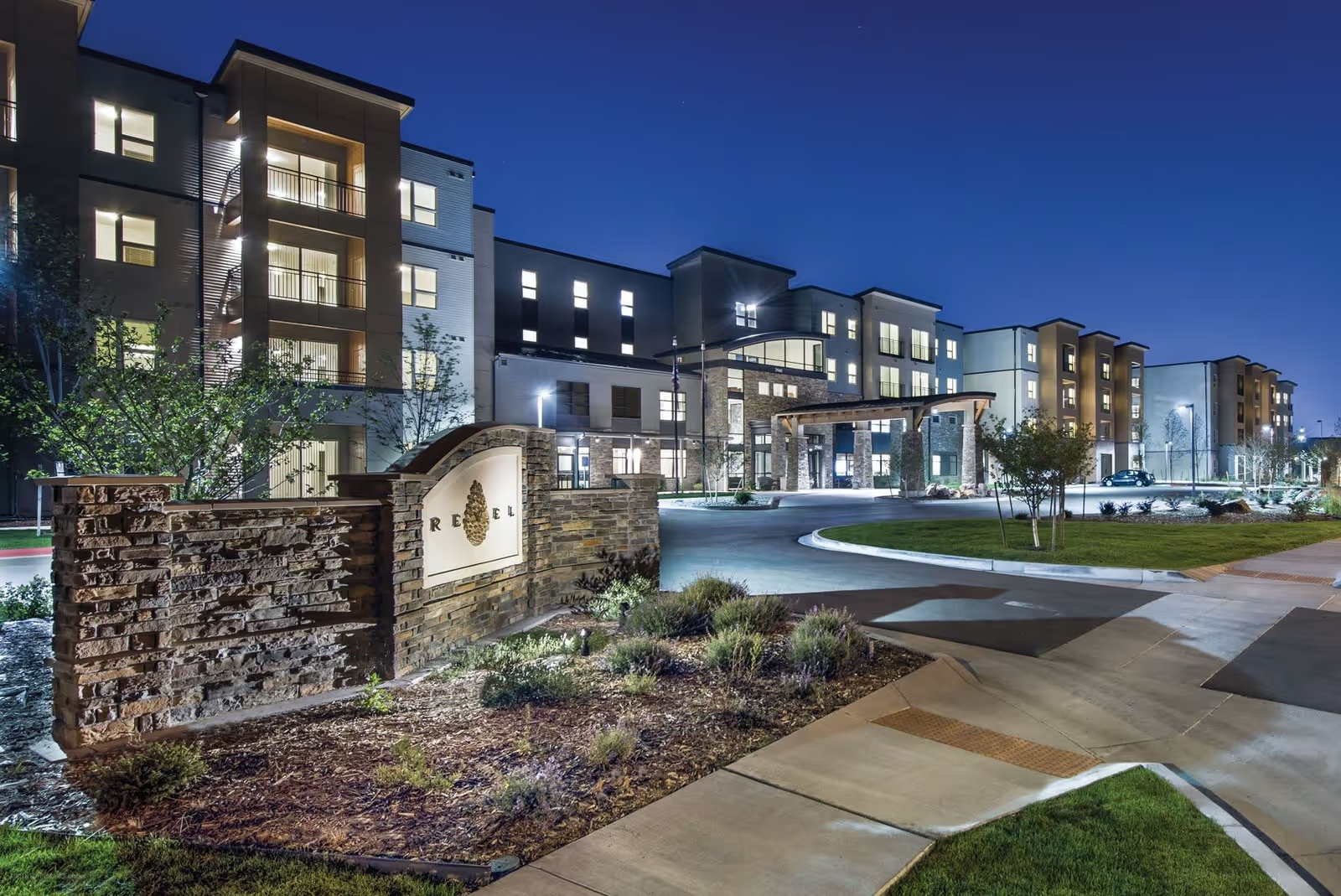
Facilities: The physical environment is described as clean, home-like, and well-maintained, with gardens and private rooms that in some units include half baths. The three-building campus offers a small-community feel. Size and layout suitability vary by individual needs — some families found the facility too small for higher-dependency needs.
Management and administration: Administrative issues are the most frequent source of negative feedback. Themes include delayed or unclear family notifications (including concerns following a resident's death and the handling of personal effects), inconsistent handling of contracts and move-in/billing practices, and difficulty obtaining clear contact information or staffing schedules. There are also mentions of misplaced documents and belongings. These are operational traits rather than direct assessments of clinical care, but they affect family confidence and the overall experience.
Notable patterns and guidance for families: Experiences appear polarized — many families praise direct caregivers and the homelike setting, while others are dissatisfied with administrative responsiveness and oversight. Before committing, families should: review the written contract carefully (fees, move-in/move-out clauses, refund policies), ask for documented communication policies and emergency notification procedures, confirm staffing levels and language capabilities, request the activity schedule, and clarify how personal belongings and end-of-life notifications are handled. These due-diligence steps can help match expectations to the facility’s operational strengths and weaknesses.