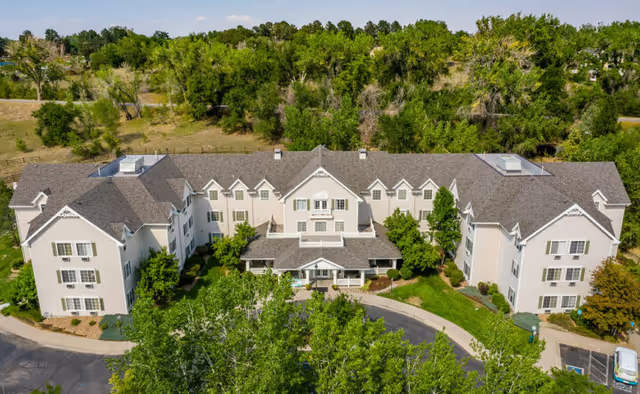
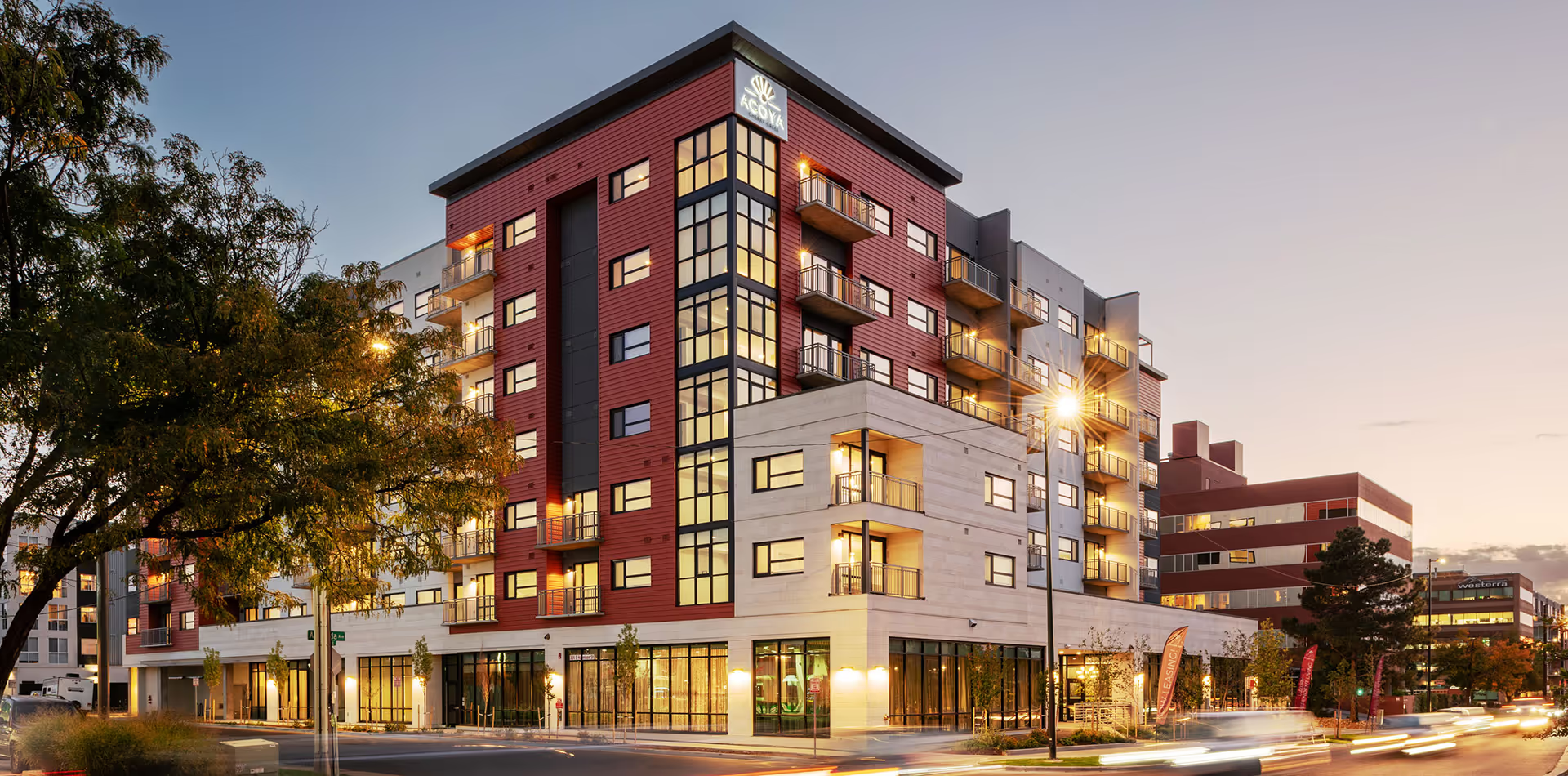
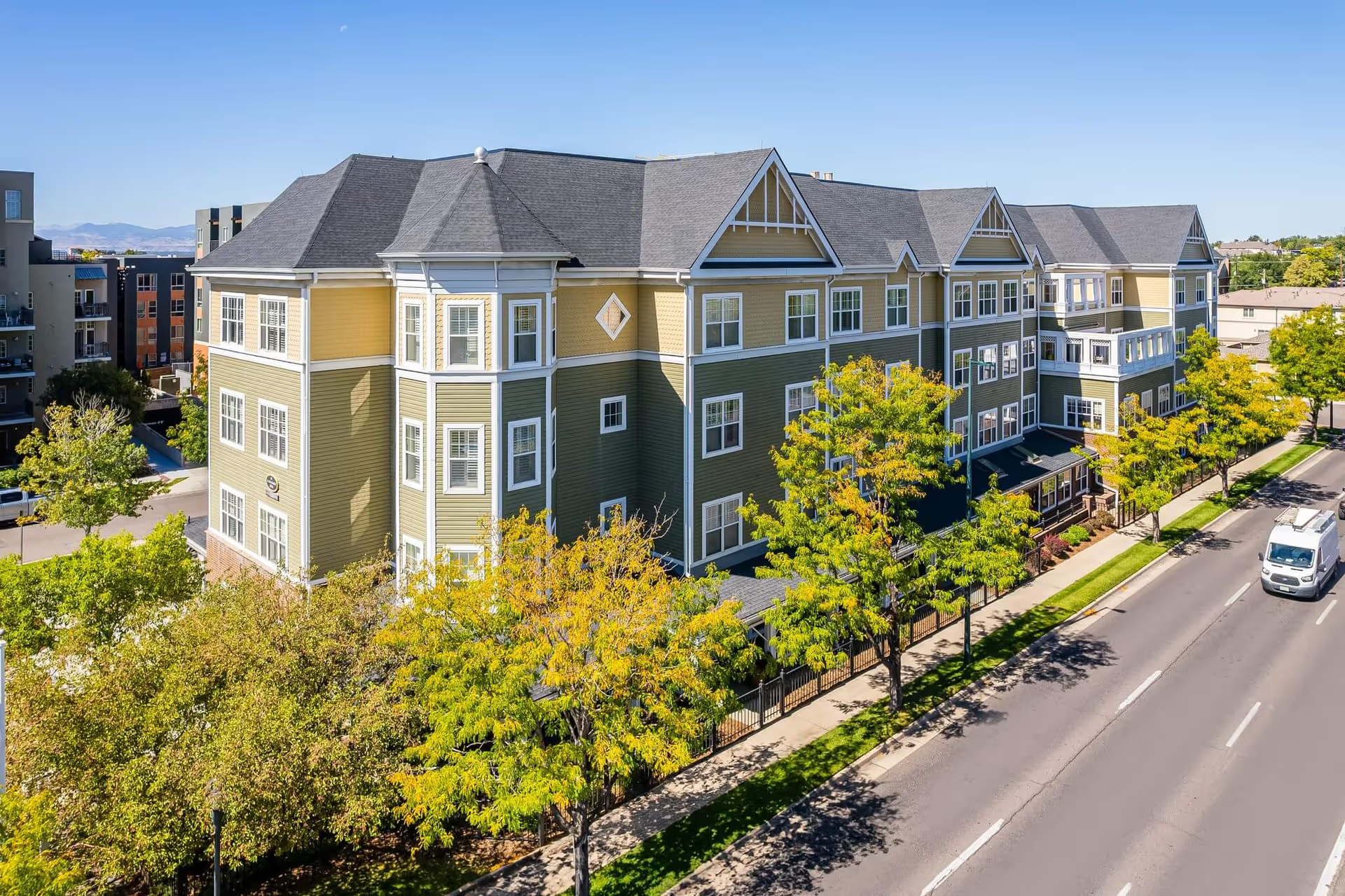
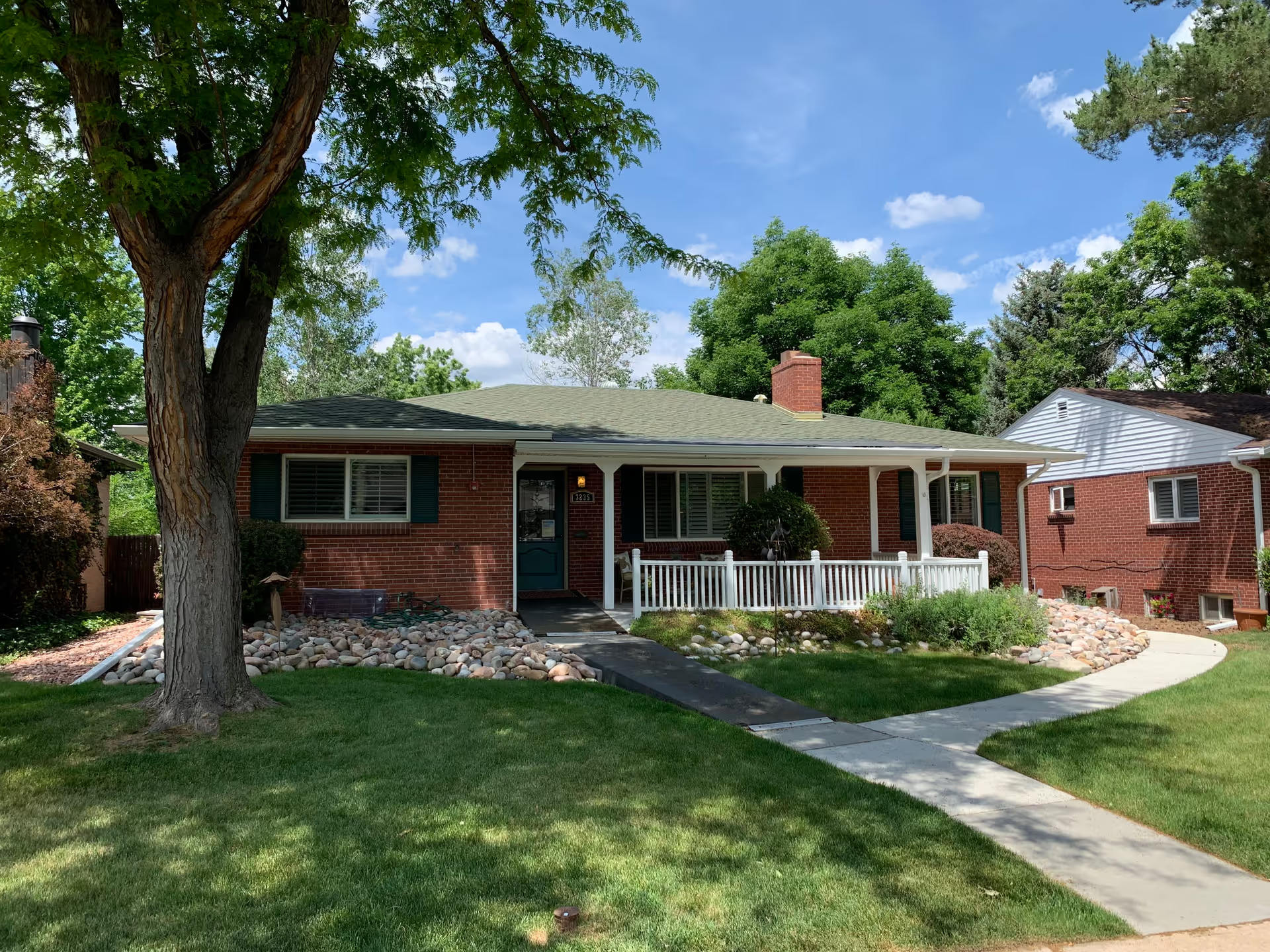
Amberwood Post Acute elicits strongly polarized feedback. Many families and residents describe warm, compassionate hands-on care from CNAs, LPNs, RNs and therapy staff; reviewers frequently cite individualized attention, effective acute-event response (for example seizure care), coordinated rehabilitation services, and an activities program that contributes to a home-like, family-style atmosphere. The facility's interior, courtyard and dining areas receive positive comments for cleanliness and pleasant presentation, and meals are often described as hot, thoughtfully planned and inclusive of ethnic menu options.
Clinical strengths highlighted across reviews include attentive bedside care, engaged therapists who assist with equipment and discharge planning, and disciplinary teamwork. Several administrators and specific managers were named positively for accessibility and involvement in family communication and financial coordination. When staffing and leadership align, families describe a sense of safety, responsiveness and trust in the care team.
Counterbalancing those positive themes are repeated operational issues that affect the resident experience. A pattern of medication-administration delays and inconsistencies in timing or follow-through appears in multiple accounts; relatedly, reviewers raise concerns about slow call-light response times and delays in toileting and personal assistance. Staffing variability, including reliance on agency personnel, is linked to inconsistent care continuity and uneven staff training or identification practices.
Communication and management practices are another area of division. While many families praise an accessible, hands-on administration, others describe poor after-hours accessibility, unanswered voicemails, and unresolved maintenance or care issues. Financial- and billing-process problems, including confusing Medicaid guidance and billing disputes, were also cited. A subset of reviews raises more serious allegations, including identity/security concerns and discriminatory treatment; these issues indicate potential gaps in safeguarding and security procedures and merit careful inquiry.
Facility-level sanitation and safety items surfaced as well: there are isolated pest-control and cleanliness concerns, occasional reports of animals and noise control issues, and mentions of falls and safety incidents that suggest opportunities to strengthen transfer-safety and infection-control practices. Finally, reviewers note occasional lapses in staff professionalism and tone, which contribute to a perception of inconsistency in the resident experience.
For prospective residents and families, the salient pattern is clear: Amberwood displays many operational strengths—compassionate caregivers, strong rehab services, engaging activities, and an inviting physical environment—paired with variability in staffing, medication timeliness, communication, security and certain maintenance processes. A recommended approach when evaluating this facility is to tour multiple times, speak directly with nursing leadership about medication administration protocols and call-response metrics, review recent state inspections, ask about pest-control and security safeguards, and discuss financial and after-hours communication procedures before placement.