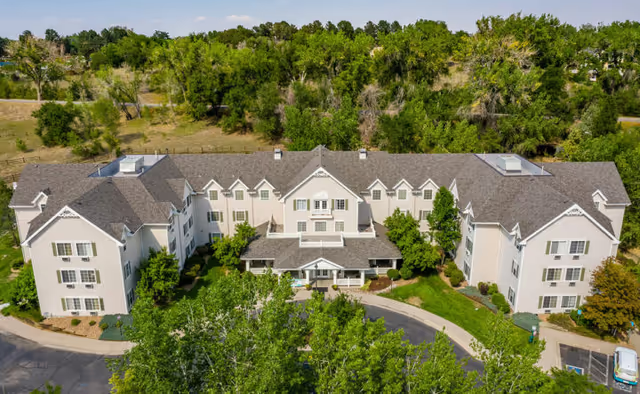
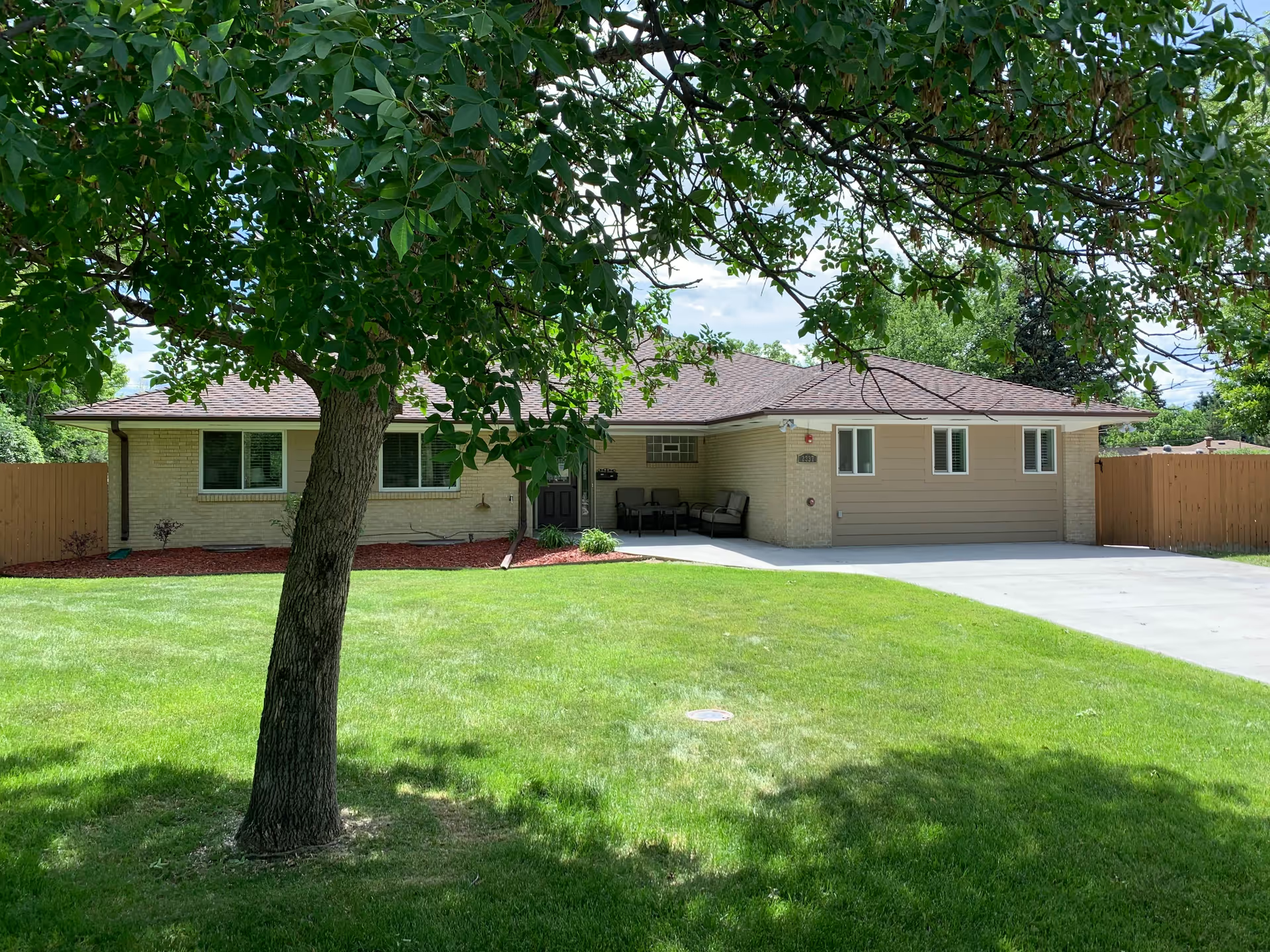
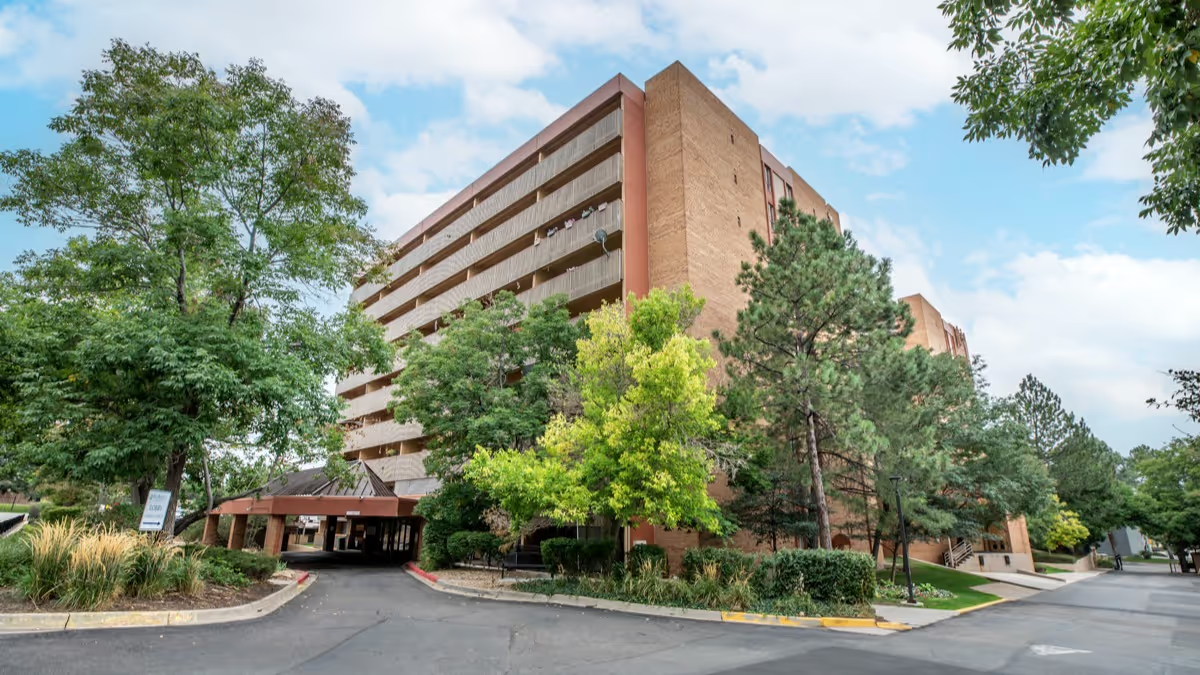
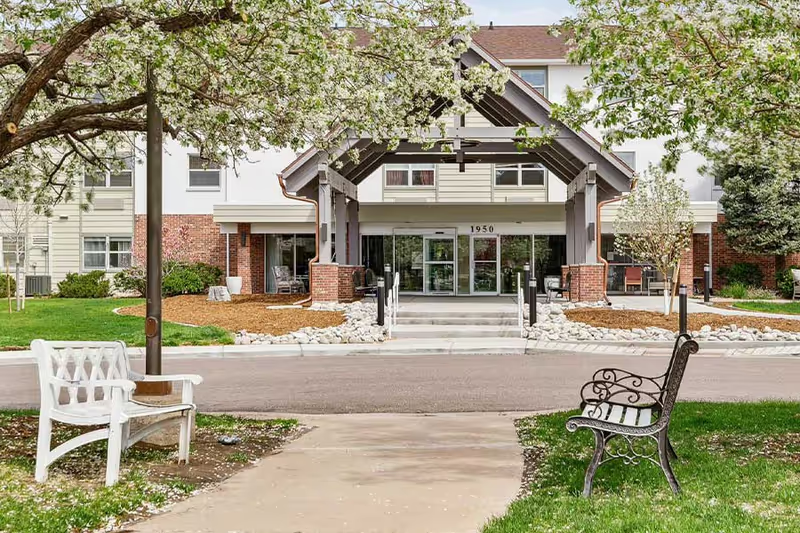
Eastern Star Masonic Retirement Campus presents a mixed but informative profile for prospective residents and families. Many reviewers highlight strong, compassionate hands-on caregiving: staff are frequently described as kind, attentive, and respectful, with aides and kitchen personnel who remember preferences and take time with residents. The campus offers multiple levels of care—independent living, assisted living, and memory care—along with an on-site Alzheimer’s-specific unit. Physical assets noted positively include cottages and patio homes with garages and yards, a newer wing with spacious, clean units, well-maintained grounds, gardens and walking trails, large recreation spaces, and on-site transportation to appointments and shopping. Dining is often described as family-friendly and plentiful, with personalized meal accommodations and a willingness by staff to deliver food when needed. The community also appears to be in active demand, as evidenced by reported waitlists for many unit types.
Care quality and staffing present a nuanced picture. Many families report excellent day-to-day care, a strong activities program, and smooth move-in experiences. At the same time, there are repeated operational concerns: reviewers describe inconsistent leadership and management oversight, gaps in medication-administration practices and clinical follow-up, and variability in staff training and stability. These factors are associated with uneven experiences—some families praise seamless communication and attentive clinical outreach, while others describe delays in family notification, lapses in follow-up, and perceived shortfalls in emergency response procedures. There are also accounts indicating a meaningful difference in experience depending on which wing or unit a resident occupies, suggesting operational variability between older and newer buildings.
Dining and activities are strengths for many residents. The facility supports a broad activities calendar, outings and day trips, and social dining settings. Food quality is commonly praised, and staff often remember preferences; however, a subset of reviewers said meal quality and consistency can vary. Facilities and amenities are a frequent positive: multiple housing types (duplexes, cottages, patio homes), washers/dryers and accessible showers in units, and attractive outdoor spaces are commonly cited. Pet restrictions and limitations on transportation frequency were noted as operational constraints that may matter to prospective residents.
Management and governance are the areas with the most divergent feedback. Positive accounts describe responsive admissions and supportive leadership; negative accounts describe inconsistent oversight, poor communication, and in a few cases serious allegations about clinical management and handling of critical incidents. There are also comments about high staff turnover that can affect continuity of care. Taken together, the pattern indicates a facility capable of high-quality, person-centered care but one whose day-to-day performance appears sensitive to leadership consistency and staffing stability.
For families considering Eastern Star, an in-person visit and targeted questions are advisable. Suggested inquiries include: how medication administration and clinical oversight are documented and audited; current staffing ratios and turnover rates for the unit of interest; protocols for emergency response and family notification; differences in amenities or staffing between specific buildings or wings; transportation schedules; and pet-policy specifics. Reviewing contract terms and asking for recent inspection records or references from current families can also help clarify whether the aspects of the community that matter most to you are reliably delivered.