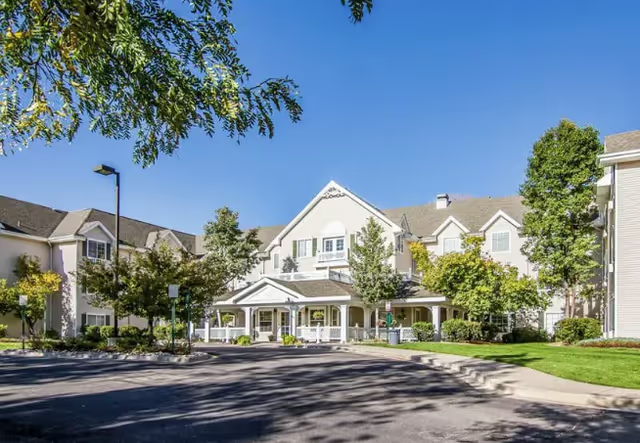
The reviews portray a facility with a clearly mixed profile: many families and clinicians praise the staff and therapeutic services, while others raise substantial operational and facility concerns. Strengths most consistently noted include compassionate, long‑tenured nursing and CNA teams, individualized attention from caregivers, and skilled PT/OT services. Several reviewers highlighted strong hospice and end‑of‑life support, responsive maintenance and housekeeping, private‑room options, and pleasant outdoor areas such as gardens and a dining patio that contribute to a smaller, welcoming community feel.
Care quality assessments vary. Positive accounts emphasize attentive, respectful interactions, clinical competence, and a family‑oriented atmosphere. However, recurring operational themes indicate understaffing that can produce delays in responding to call lights and in providing timely assistance. A limited number of accounts describe serious clinical incidents and adverse outcomes; those reports suggest gaps in clinical escalation and monitoring that families should explicitly review with facility leadership and, if desired, the local ombudsman.
Dining and activity impressions are similarly mixed. The facility offers hospitality‑focused dining, in‑room meal service, and accessible communal meal spaces, which some families praised. At the same time, multiple reviewers described inconsistent meal quality, limited menu variety, and challenges accommodating dietary restrictions and food intolerances. Prospective residents should ask about current menu cycles, special‑diet processes, and how the kitchen handles specific intolerances or allergies.
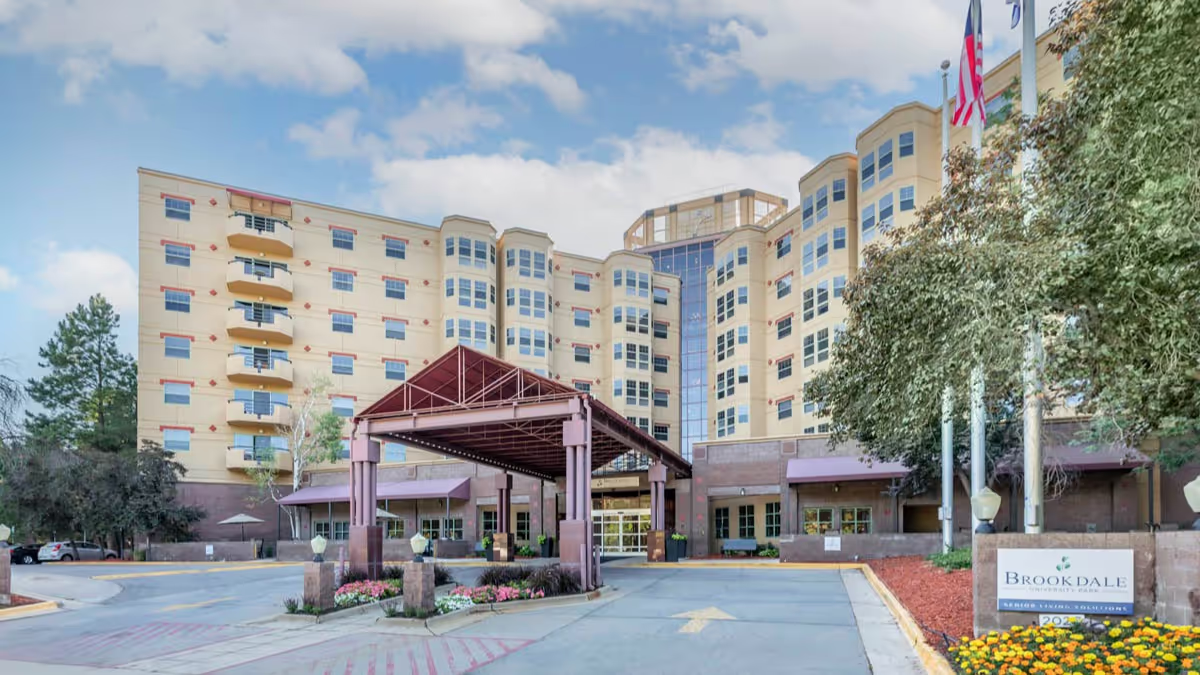
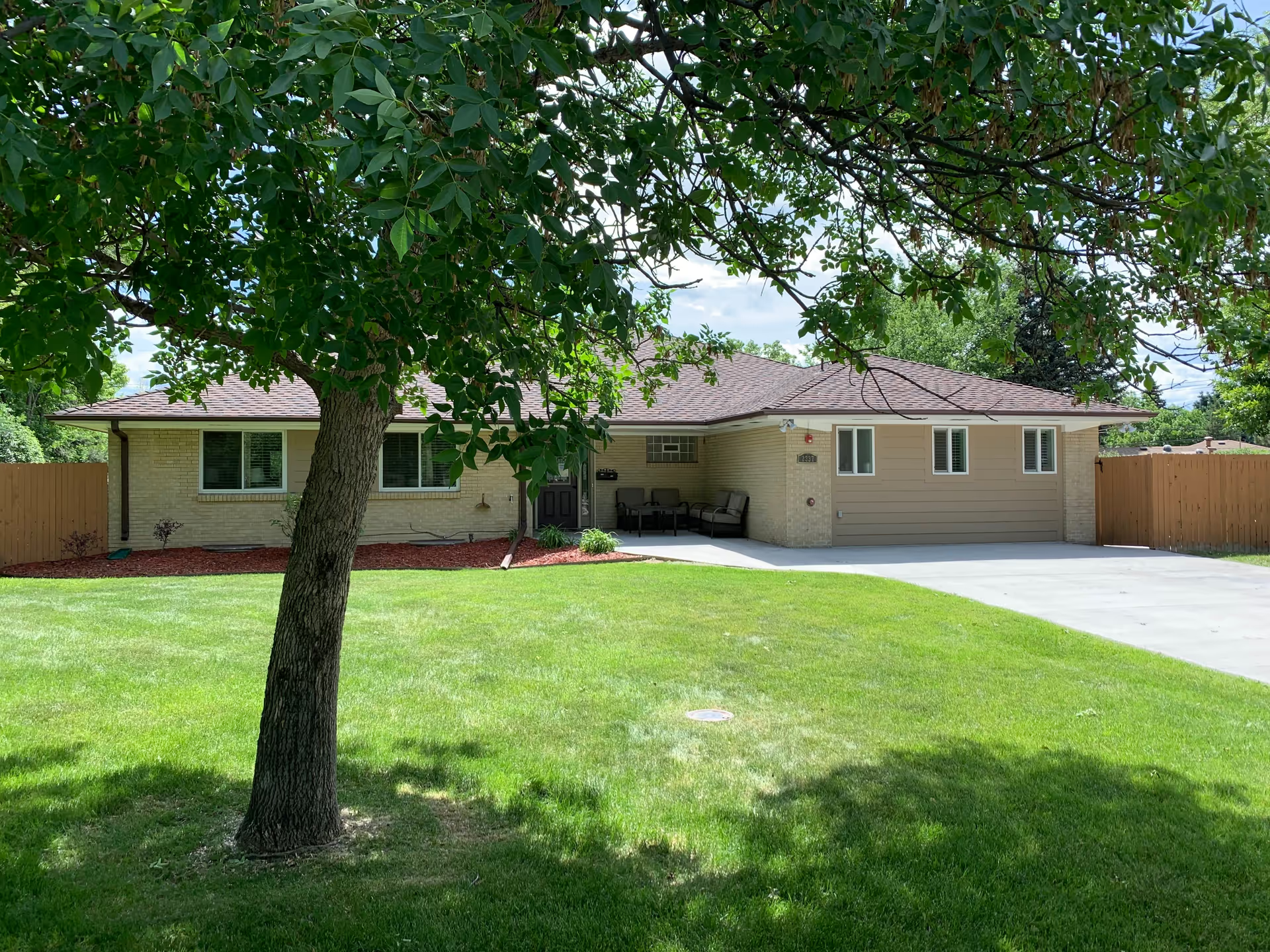
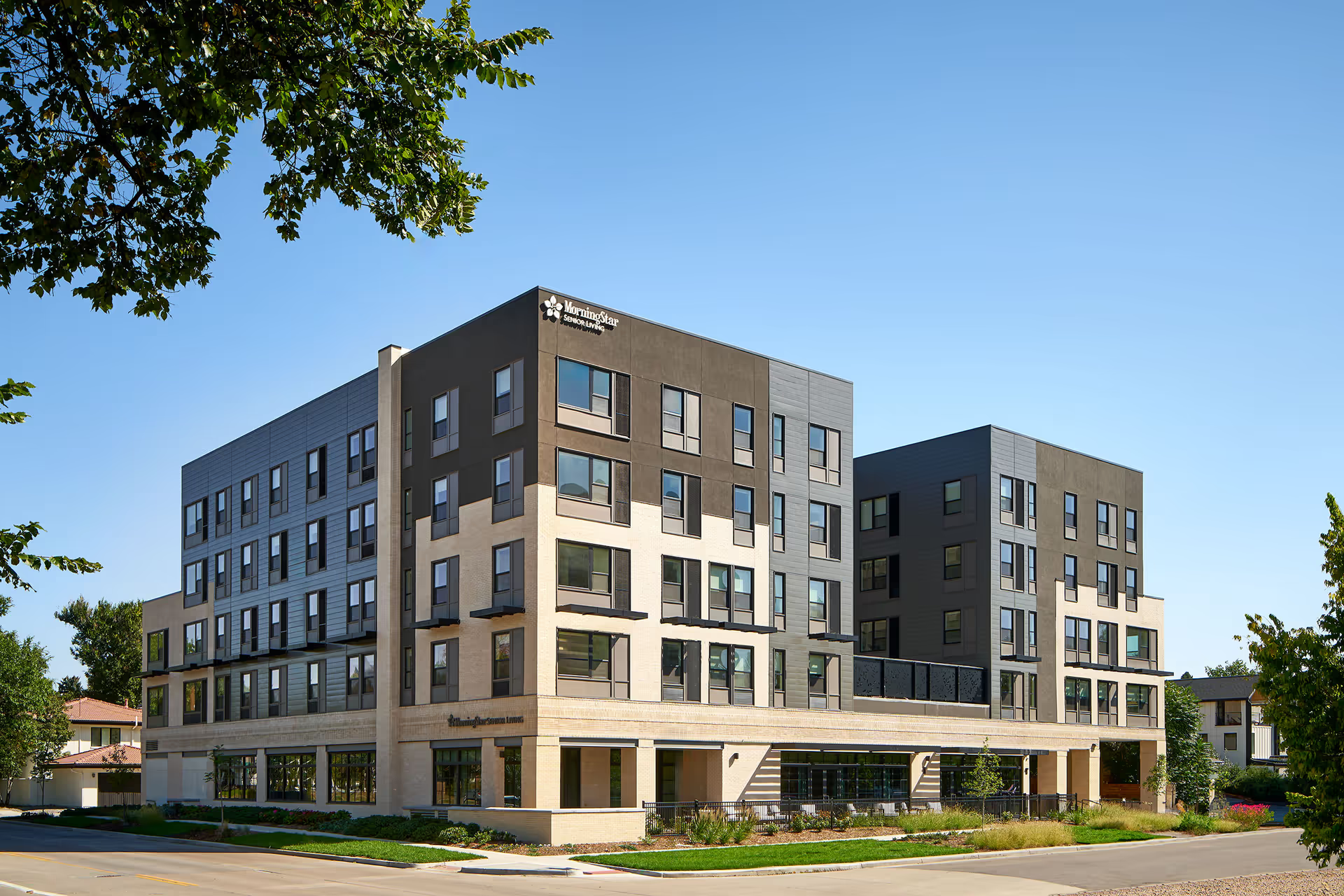
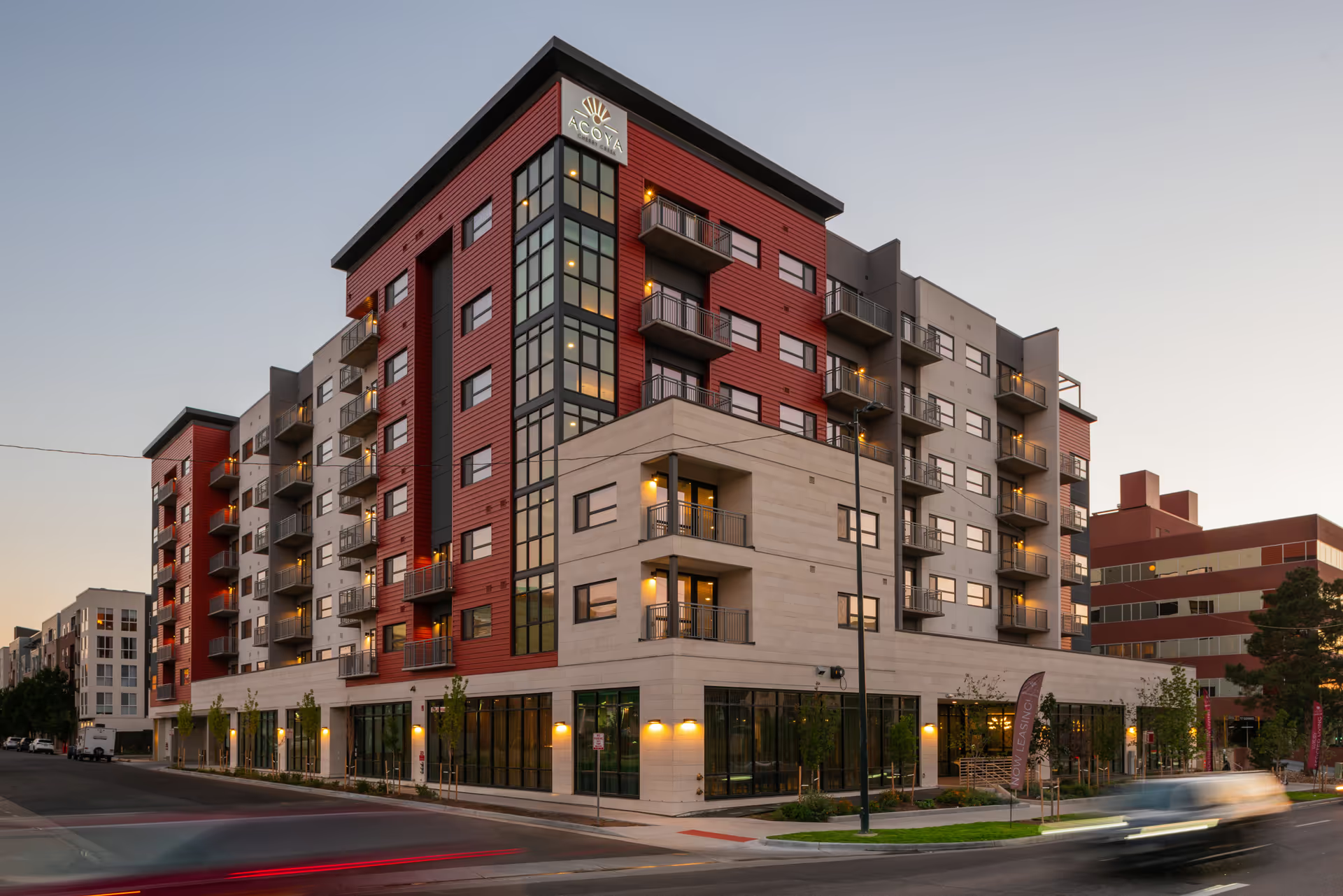
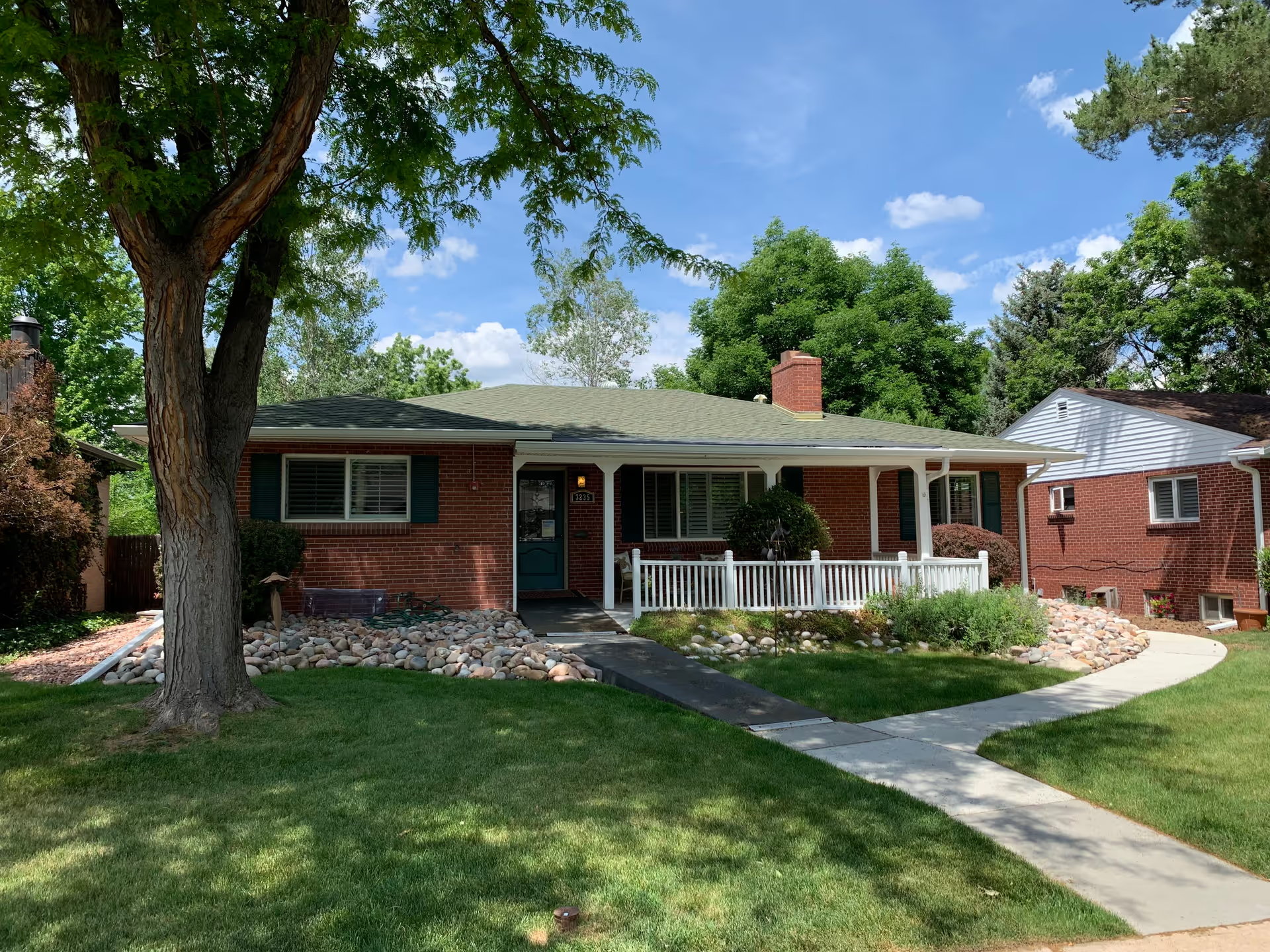
Physical plant and environment feedback also diverges. Positive remarks cite a clean, well‑kept interior in many areas, murals, calming rooms, and engaged housekeeping staff. Conversely, others report sanitation concerns and persistent odor control issues in certain areas, sticky floors, and an older building with dated décor and HVAC/temperature control problems (limited air conditioning or uneven heating). Rehabilitation services are praised by some families but characterized as space- or capacity-limited by others; this suggests variability between units or over time.
Management and organizational practices elicit mixed reactions. Several reviewers commend clear communication, administrative support, and professionalism; others describe defensive or disorganized management, inconsistent visitor accommodations, and strict policy enforcement around personal property. These contrasting impressions point to variability in leadership responsiveness or in how policies are applied.
Overall, prospective residents and families should weigh the facility’s clear strengths in caregiving culture, therapy services, and small‑community amenities against documented operational weaknesses: staffing stability, sanitation and odor control, meal-service consistency, aging infrastructure, and certain management/process issues. Recommended next steps before placement include an in‑person tour during mealtime, specific questions about staffing ratios and response times, review of dietary protocols, inspection of the resident unit for odors and temperature control, and a discussion with administration about handling of personal items and escalation procedures for clinical concerns.