Reviewer feedback for Westwood Post Acute is mixed, with a substantial number of families and former residents praising clinical care, therapy services, activities, and a compassionate staff culture, while other reviewers describe significant operational and responsiveness concerns. The pattern across reviews suggests strong performance in rehabilitation and social programming for many patients, accompanied by intermittent problems tied to staffing consistency, communication, and certain aspects of clinical practice.
Care quality is described positively by many reviewers: nursing staff and nurse practitioners are frequently characterized as attentive, and the facility's therapy teams (physical and speech) receive consistent praise for rehabilitation outcomes and family communication. Several reviews highlight specialized care capabilities such as PEG‑tube management and coordination with primary physicians, and some families emphasize 24/7 supervision and proactive clinical oversight. Conversely, other reviewers described lapses in clinical consistency, with specific concerns about ostomy/PEG care and variable responsiveness to bedside requests. These divergent accounts point to variability in clinical practice and a need to verify current competency standards, training, and supervision if clinical complexity is a deciding factor.
Staff and culture are another area of contrast. Many reviewers emphasize compassionate, respectful staff–resident interactions, a welcoming atmosphere, and staff who engage residents personally. Housekeeping, social services, and maintenance receive repeated commendation for keeping common areas tidy and addressing issues quickly. At the same time, some families reported variability in staff conduct, communication tone, and perceived understaffing or turnover that affected day‑to‑day responsiveness. Language barriers were cited in several instances as an obstacle to reliable communication for non‑English speakers.
Dining and activities are generally strong points. Numerous reviewers complimented varied menus, accommodating dietary needs (including vegetarian options) and quality meals, and many cited an active calendar with frequent outings, community events, and family‑friendly programming. However, there are also accounts of inconsistent meal quality and cold meals on occasion, indicating that dining experience can vary by shift or day.
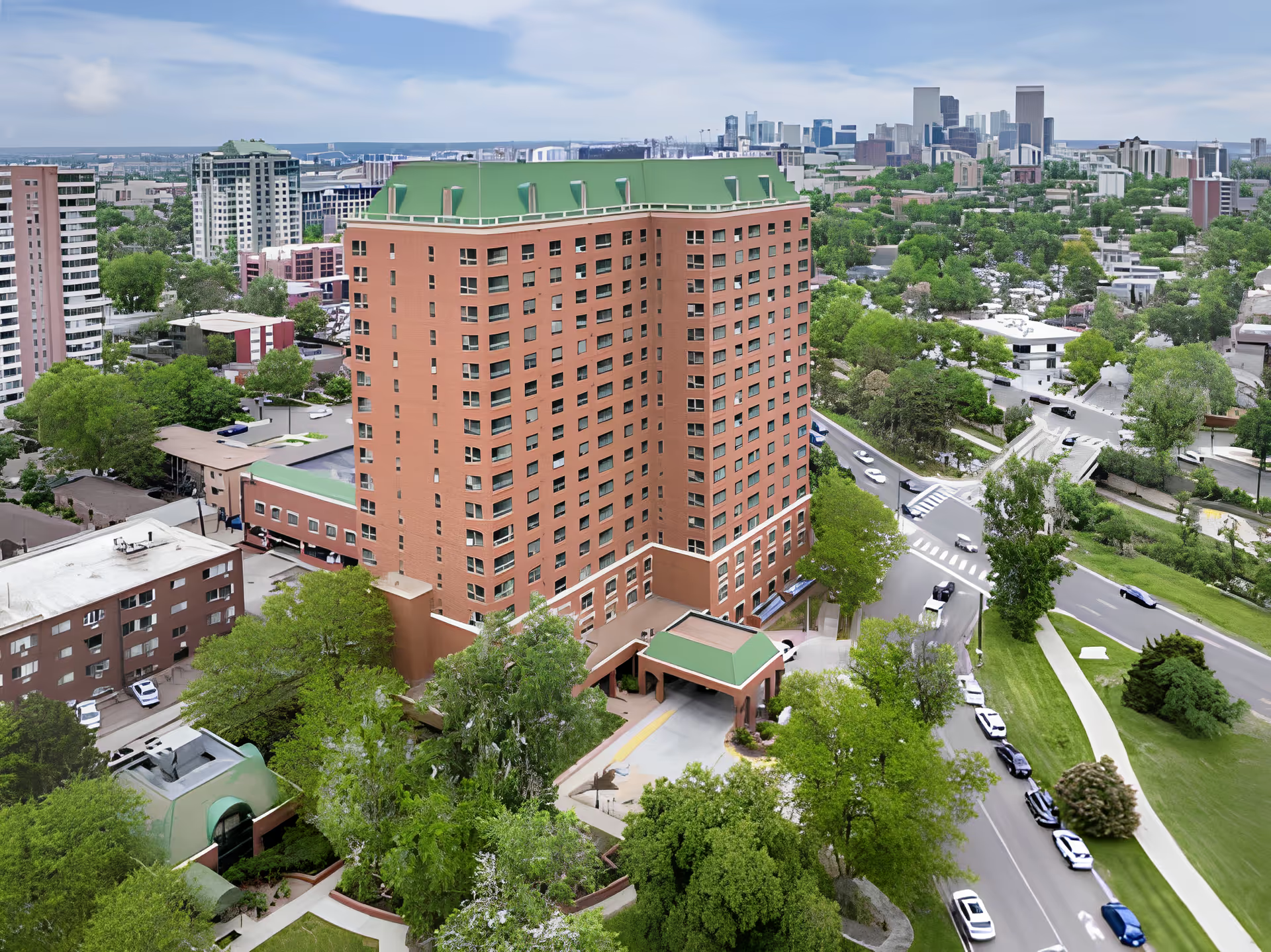
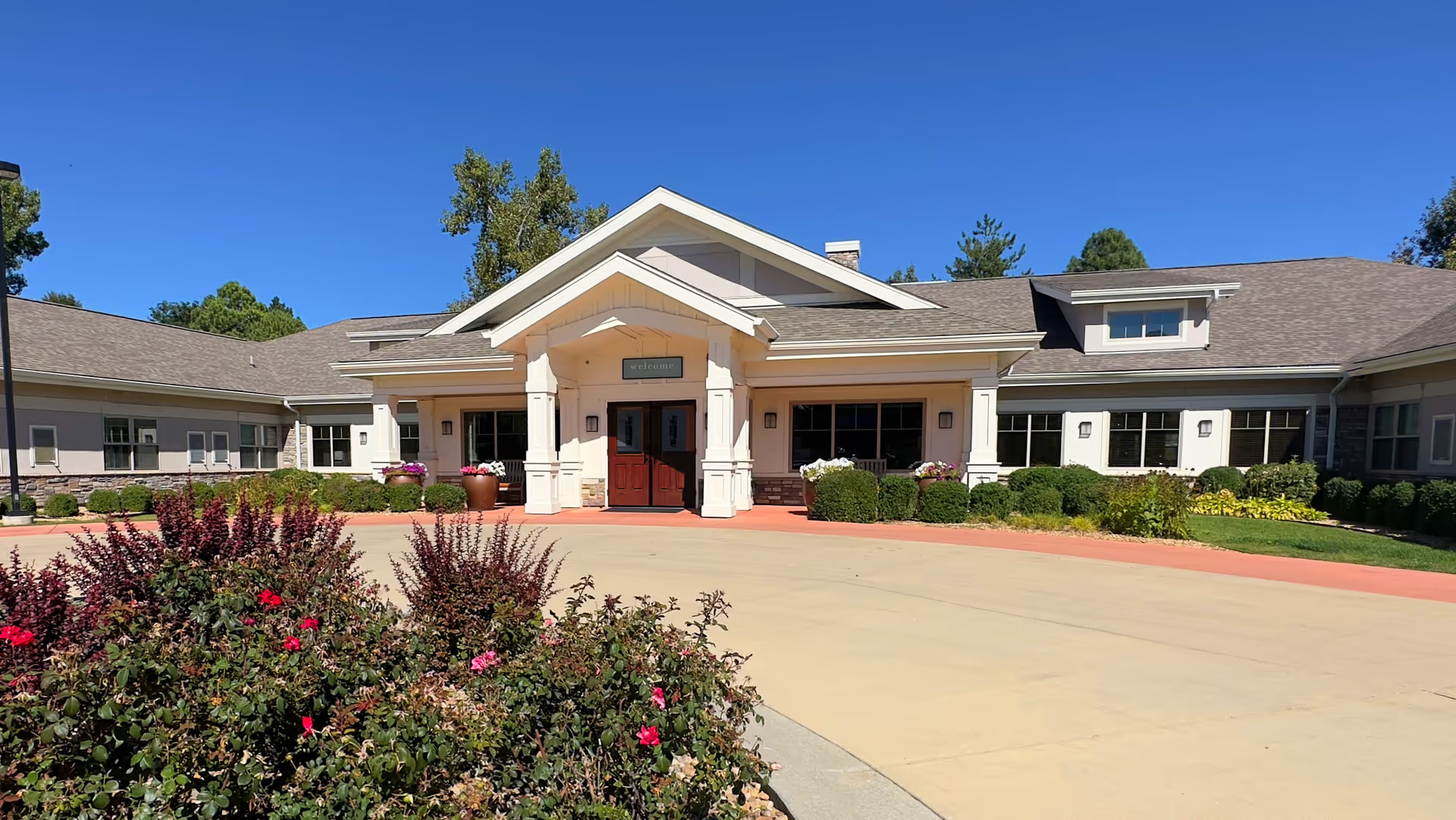
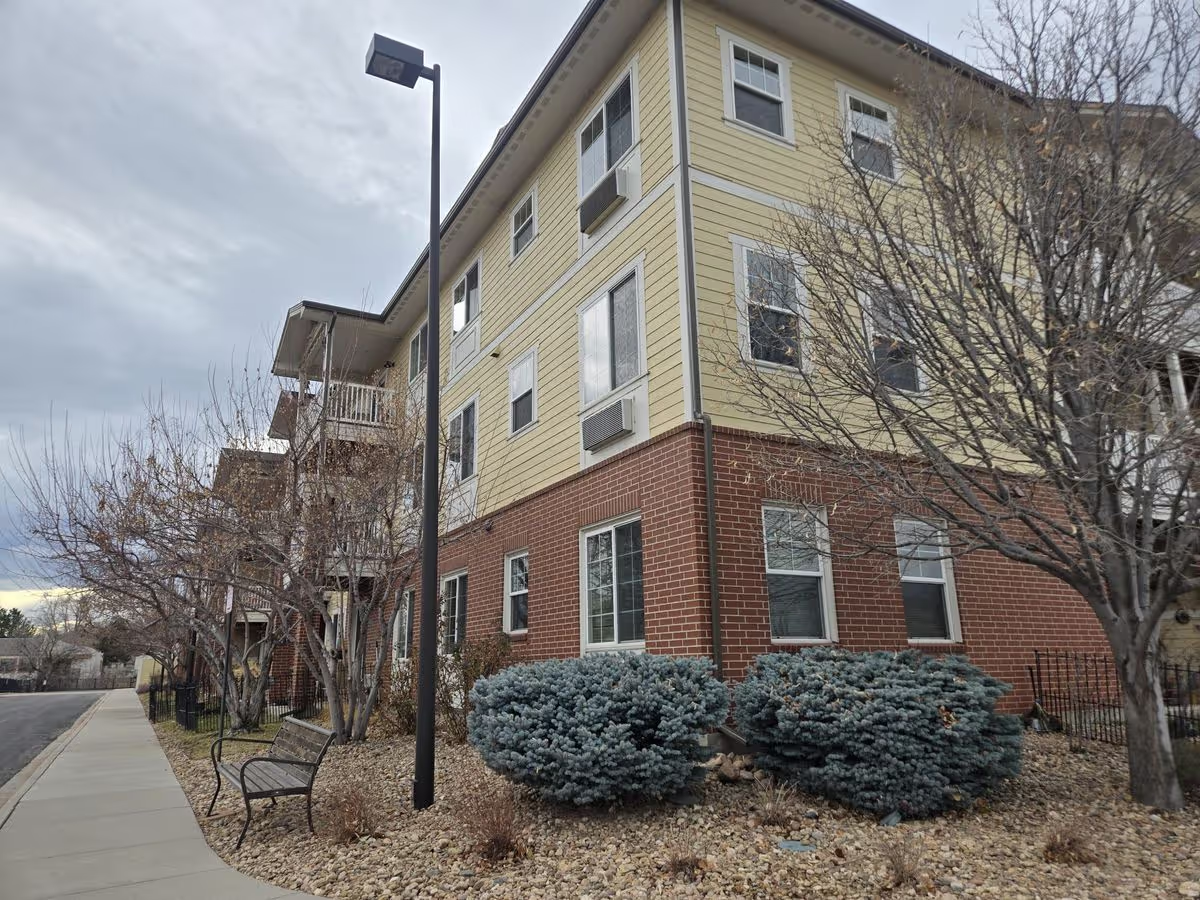
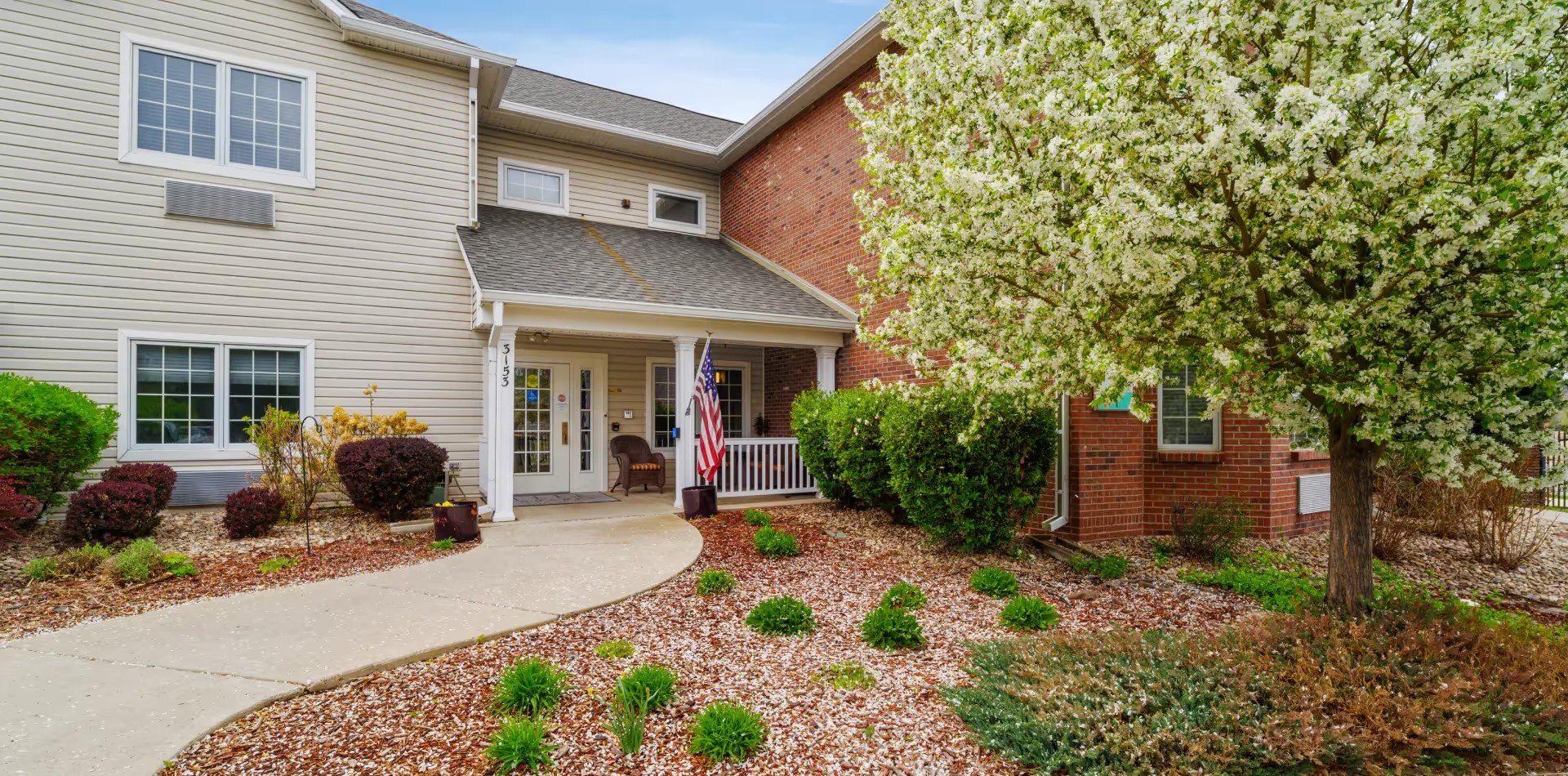
Facility condition and amenities are described as an older building that has been well maintained in many areas: reviewers frequently mention private, spacious rooms with private bathrooms, a garden area, fresh paint, and festive decor. Others flagged parts of the infrastructure as dated or inconsistently maintained, suggesting that condition may vary between units or over time.
Management and administration receive both praise and criticism. Several reviews credit new or engaged leadership with improvements in staffing, responsiveness, and resident morale. In contrast, some reviewers allege problematic administrative decisions around placement and readmission, and there are statements raising questions about review transparency. These divergent views imply that organizational change and turnover have affected experiences, and that administrative practices may be uneven.
Overall, the reviews form a polarized picture: many families report high‑quality rehabilitation, compassionate caregiving, and an active community, while others report operational weaknesses that, in some cases, impacted safety‑sensitive areas and family trust. Prospective residents and families should schedule a facility visit, ask specifically about current staffing ratios, clinical training and competencies (especially for ostomy/PEG care), language services, readmission and personal‑property policies, sanitation protocols, and recent quality‑improvement initiatives. Verifying recent state inspection results and requesting references from current families can help corroborate whether the positive aspects described are representative of typical resident experience at this time.