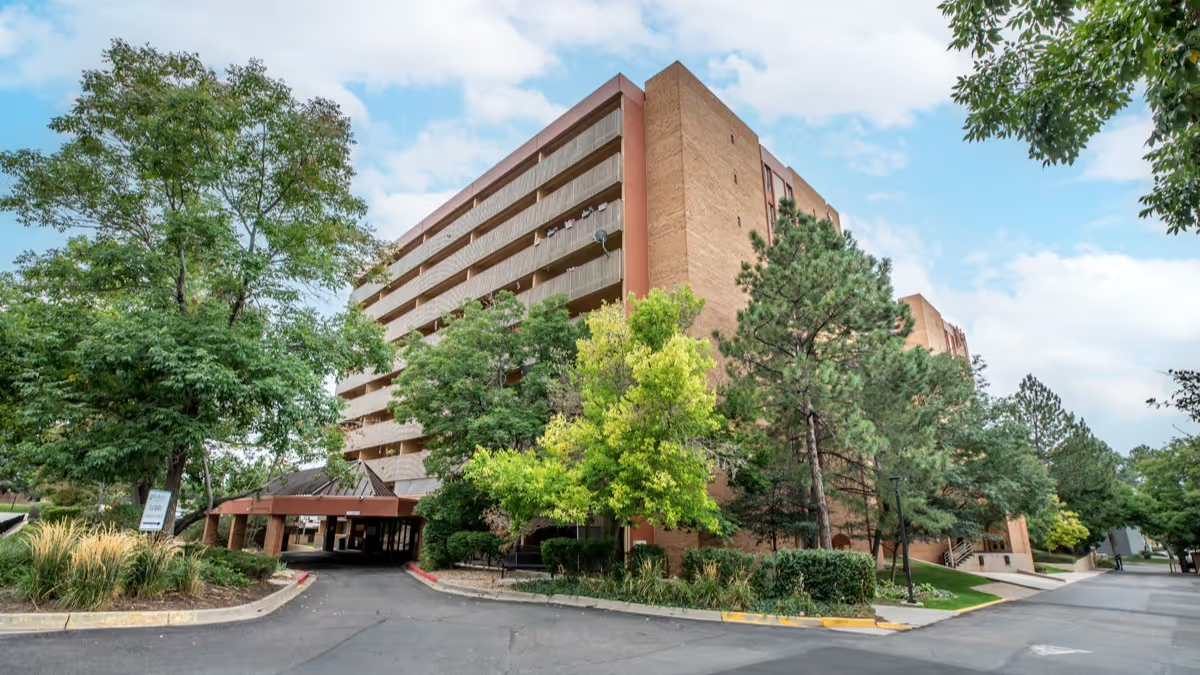
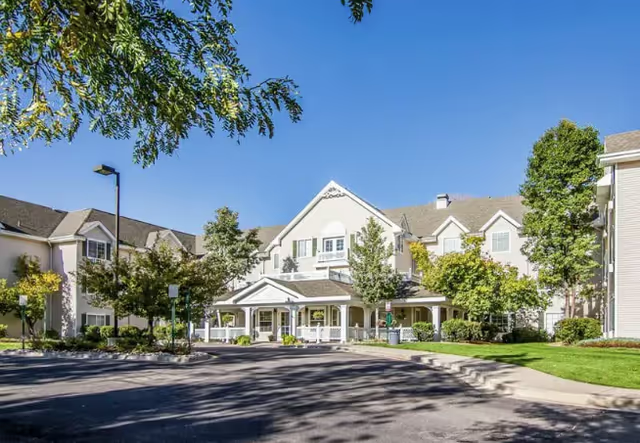
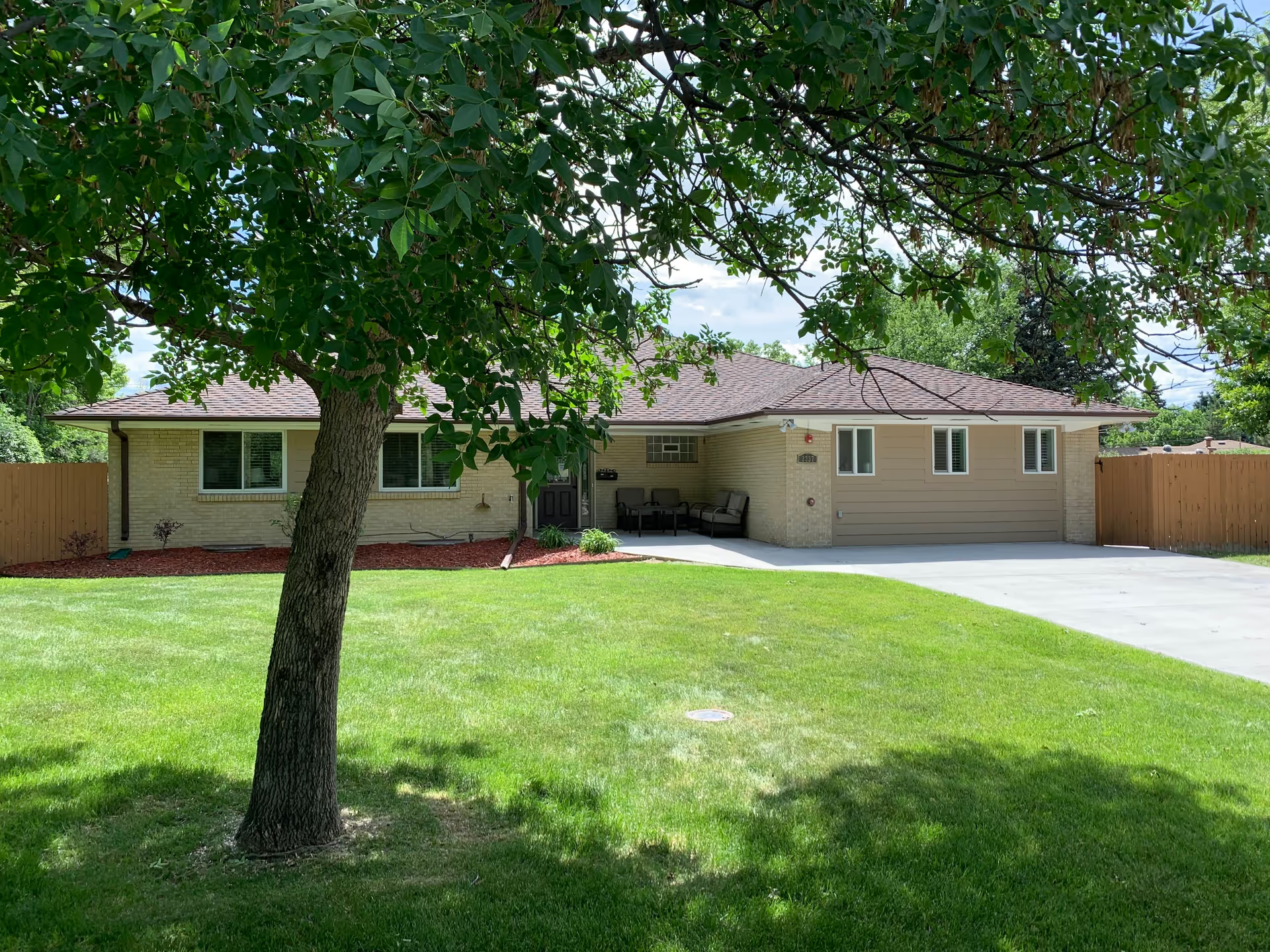
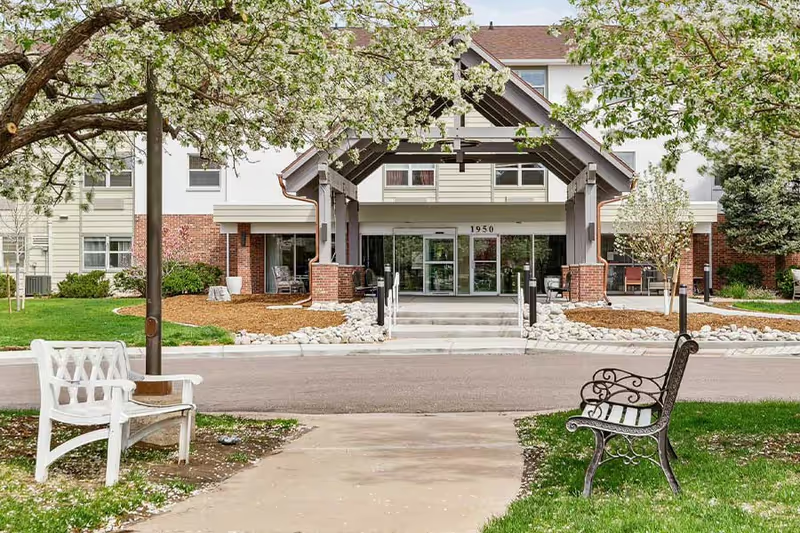
Woodland Estates elicits strongly mixed but consistent themes. The facility is repeatedly praised for its frontline caregiving team: many families describe compassionate, attentive CNAs and nurses, organized therapy staff, and social-work/hospice support that provide measurable clinical and emotional benefits. Skilled nursing and rehabilitation services receive particular commendation when staffing and scheduling are adequate — reviewers report successful mobility gains, effective post-acute care, and supportive therapy interventions. Admissions and move-in experiences are frequently highlighted as smooth and welcoming, with specific staff members noted for helpfulness and follow-through.
At the same time, a sizable body of feedback identifies operational weaknesses that affect day-to-day resident experience. Staffing levels and turnover are recurring concerns that translate into delayed responses to call lights, inconsistent medication administration, and variability in hands-on care. Families report gaps in clinical follow-up and in escalation processes that have, in some cases, led to hospital transfers or urgent clinical attention. There is also at least one allegation of staff misconduct that resulted in personnel action; such reports reinforce family apprehension about oversight and incident response.
Dining and activities form a dual pattern: activity programming is a clear strength, with frequent, varied offerings (music, outings, creative classes, games and social gatherings) that support social engagement and community life. Kitchen staff are often praised for accommodation and friendliness. However, reviewers also cite variability in meal quality and consistency — complaints include highly processed or overly soft food, high-sodium choices, and occasional service lapses. Housekeeping and sanitation are described as satisfactory in many areas, yet some comments raise sanitation and pest-control concerns in service zones, and maintenance issues such as elevator outages, limited laundry capacity, and sporadic transport availability have been reported.
Management and communication present a polarized picture. Several families commend specific administrators and admissions personnel for responsiveness, empathy and post-move support; those team members are repeatedly singled out as organizational assets. Conversely, other accounts describe defensive or unresponsive management behavior, unresolved billing disputes, price increases following ownership changes, and reduced amenities. These administrative inconsistencies — from delayed callbacks to opaque billing adjustments — contribute substantially to family frustration.
Overall, Woodland Estates appears to offer a caring, activity-rich environment with notable successes in rehabilitative and end-of-life support when clinical teams are present and functioning at capacity. Prospective residents and families should weigh the facility’s strong human resources and programming against operational risks tied to staffing stability, dining consistency, maintenance reliability, and administrative transparency. Practical due diligence suggestions include asking for current staffing ratios and turnover metrics, reviewing recent incident-response protocols, observing meal service during a mealtime, and clarifying billing and fee structures before admission.