Elk Run Assisted Living elicits broadly positive impressions around culture, amenities, and basic clinical resources, while also showing some operational inconsistencies that families should evaluate. Across many accounts, reviewers emphasize a warm, family-like atmosphere supported by staff who are described as kind, attentive, and communicative. The community offers notable clinical supports — on-site nursing with 24-hour coverage, an in-house physician, and hospice services — that many families viewed as strengths for routine and end-of-life care.
Dining and activity programming are frequently highlighted as standout features. The facility employs an in-house chef and offers varied, personalized meals, with specific praise for breakfasts and meal tailoring to health needs. There is a broad range of daily activities and social programming (yoga, puzzles, outings, performances), plus on-site amenities such as a salon, activity rooms, and outdoor spaces that contribute to an engaged social environment.
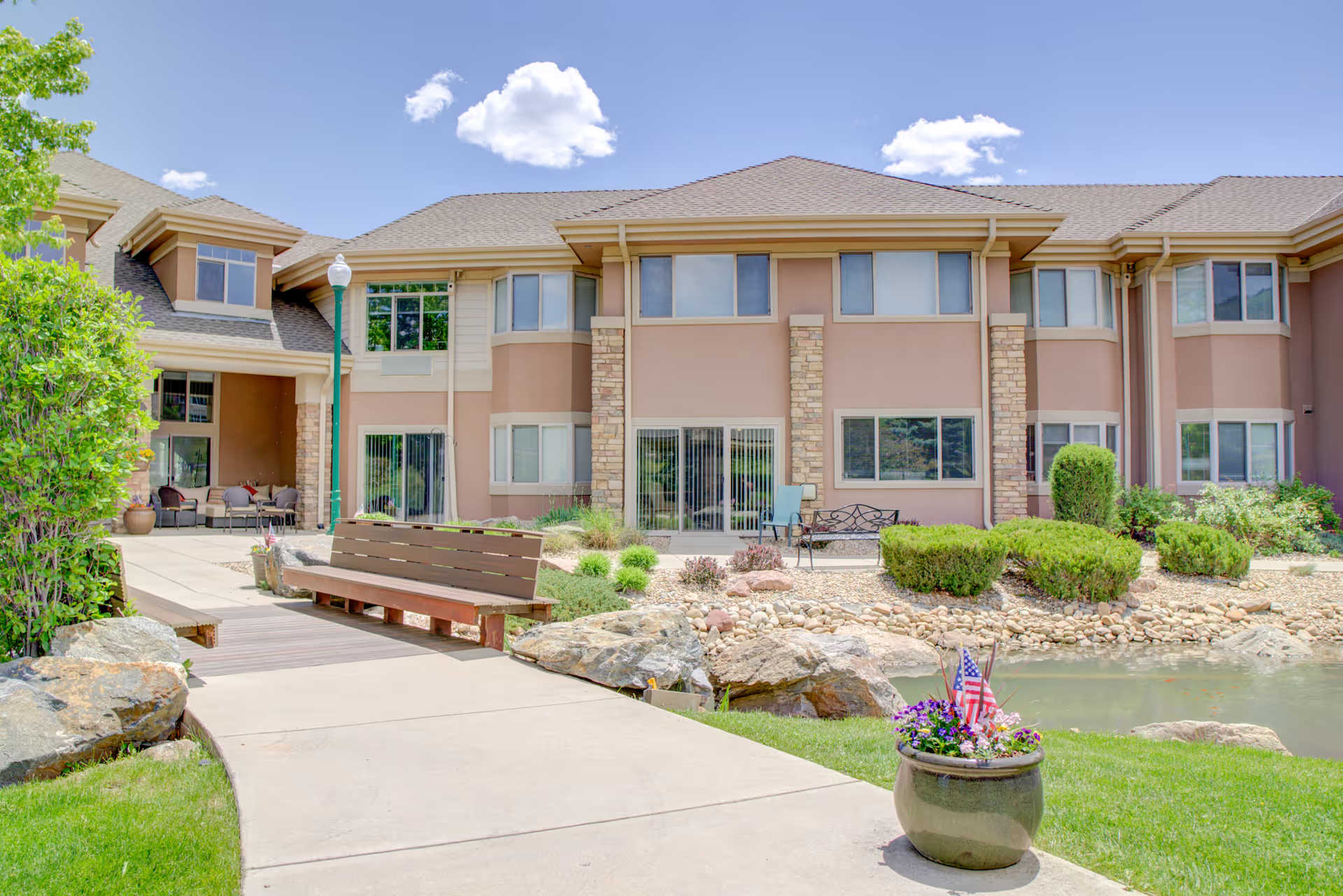
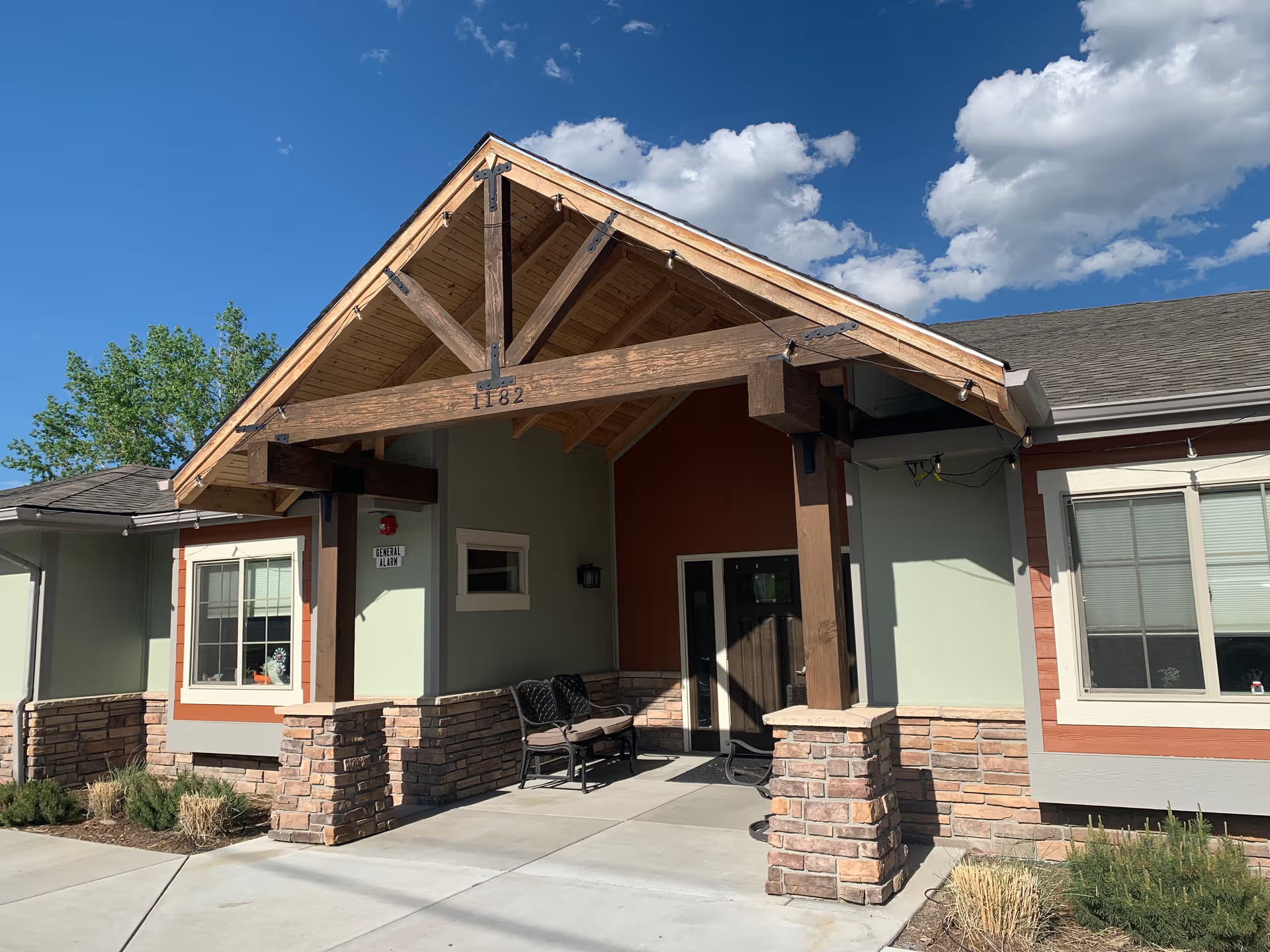
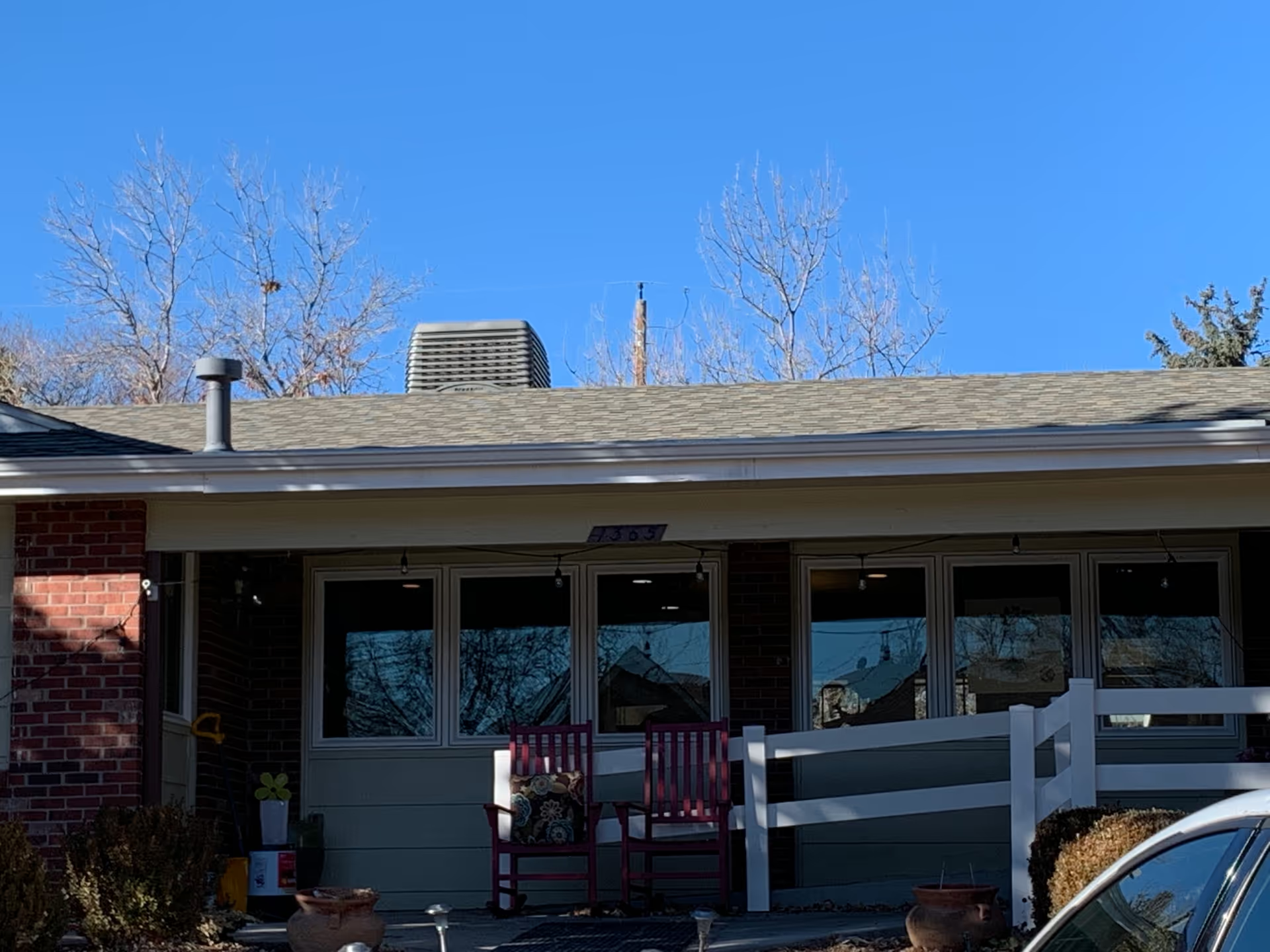
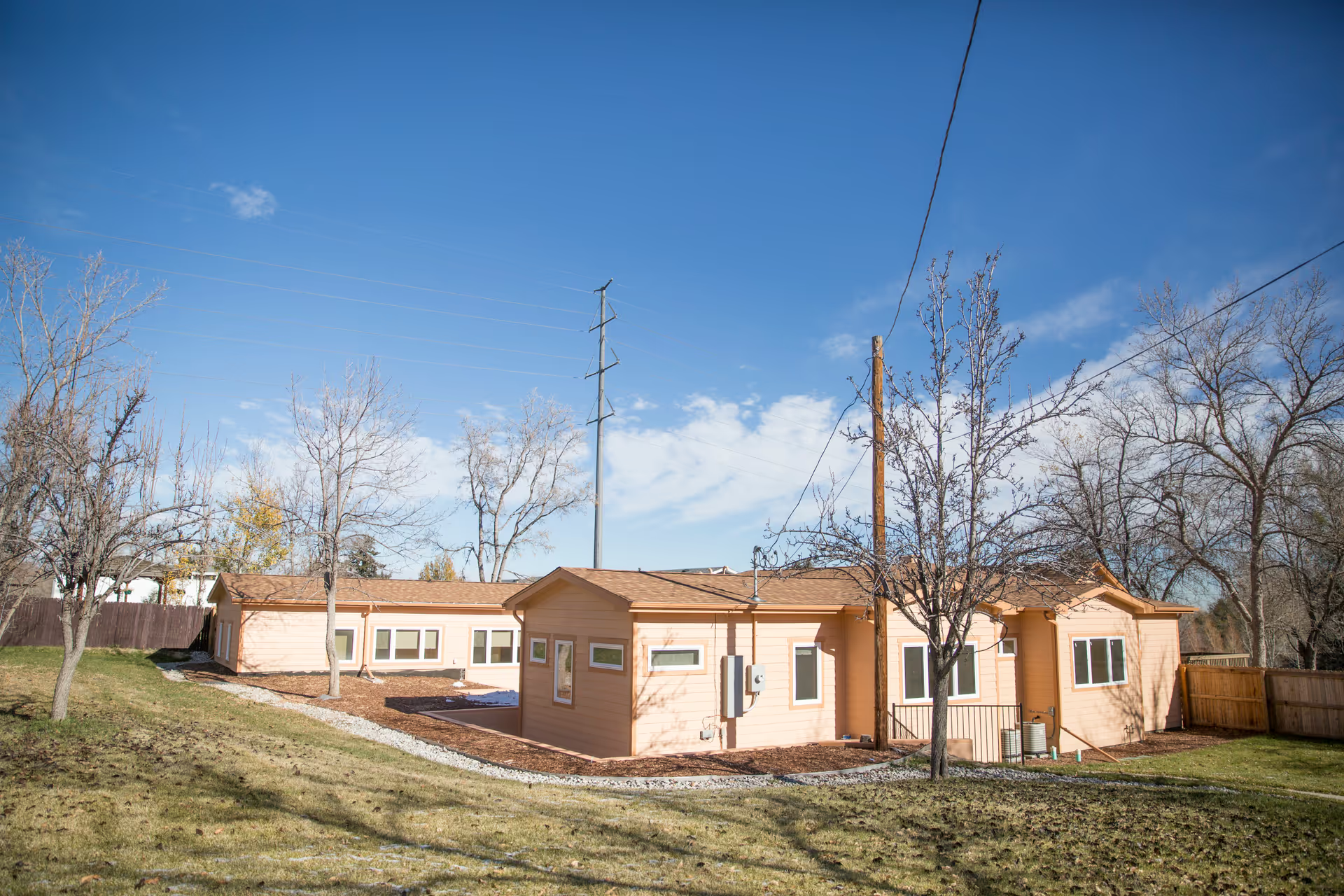
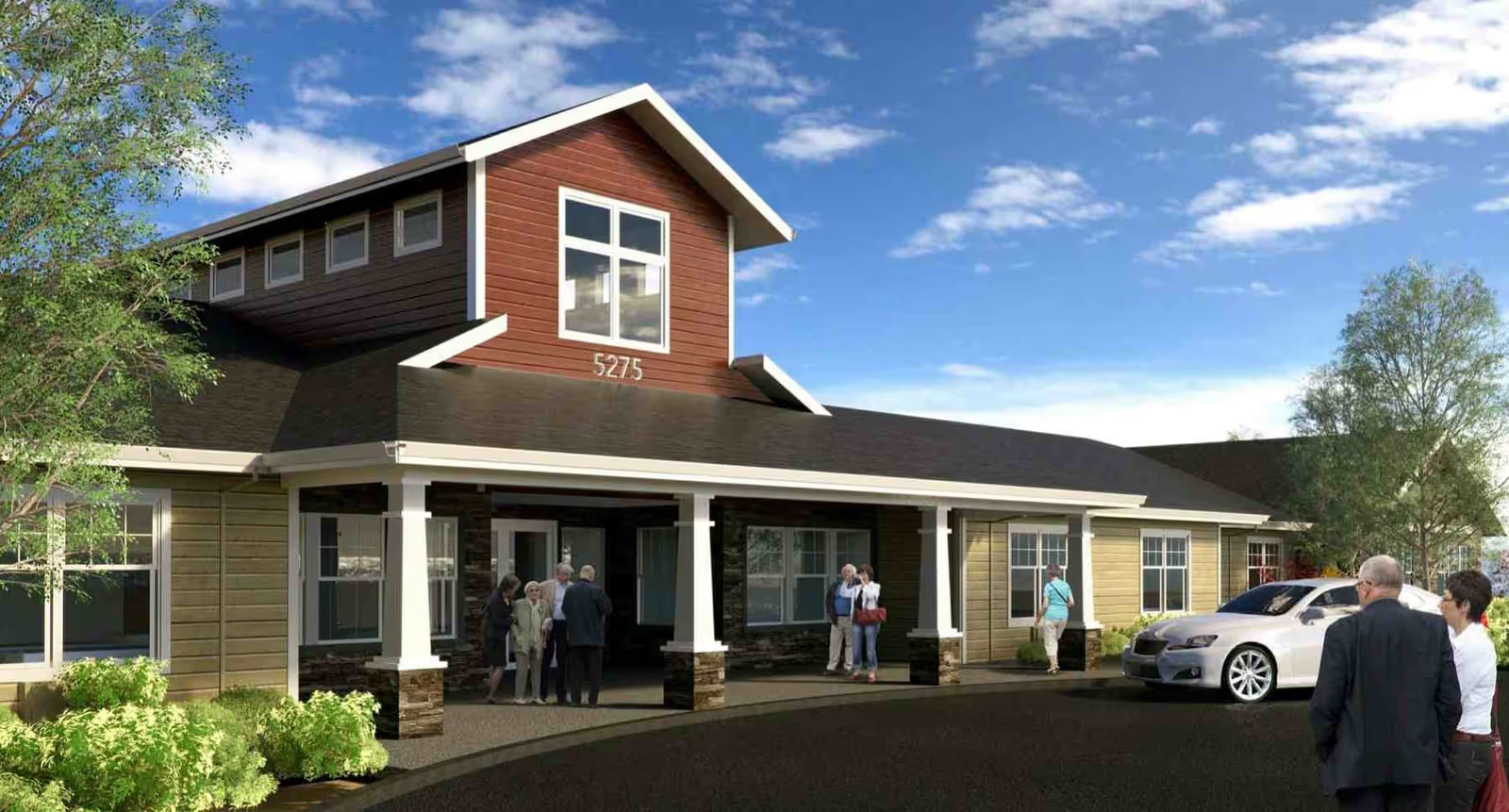
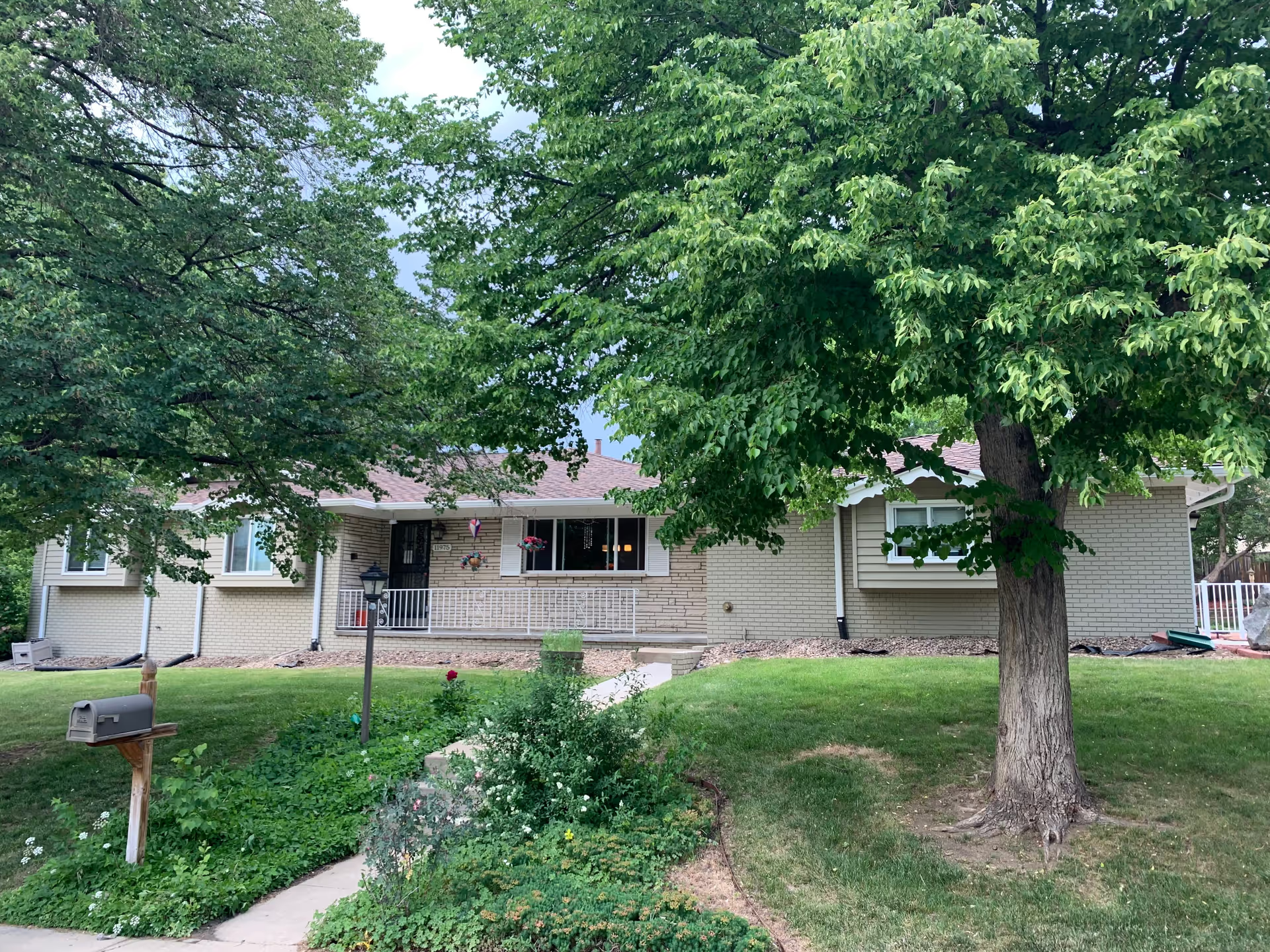
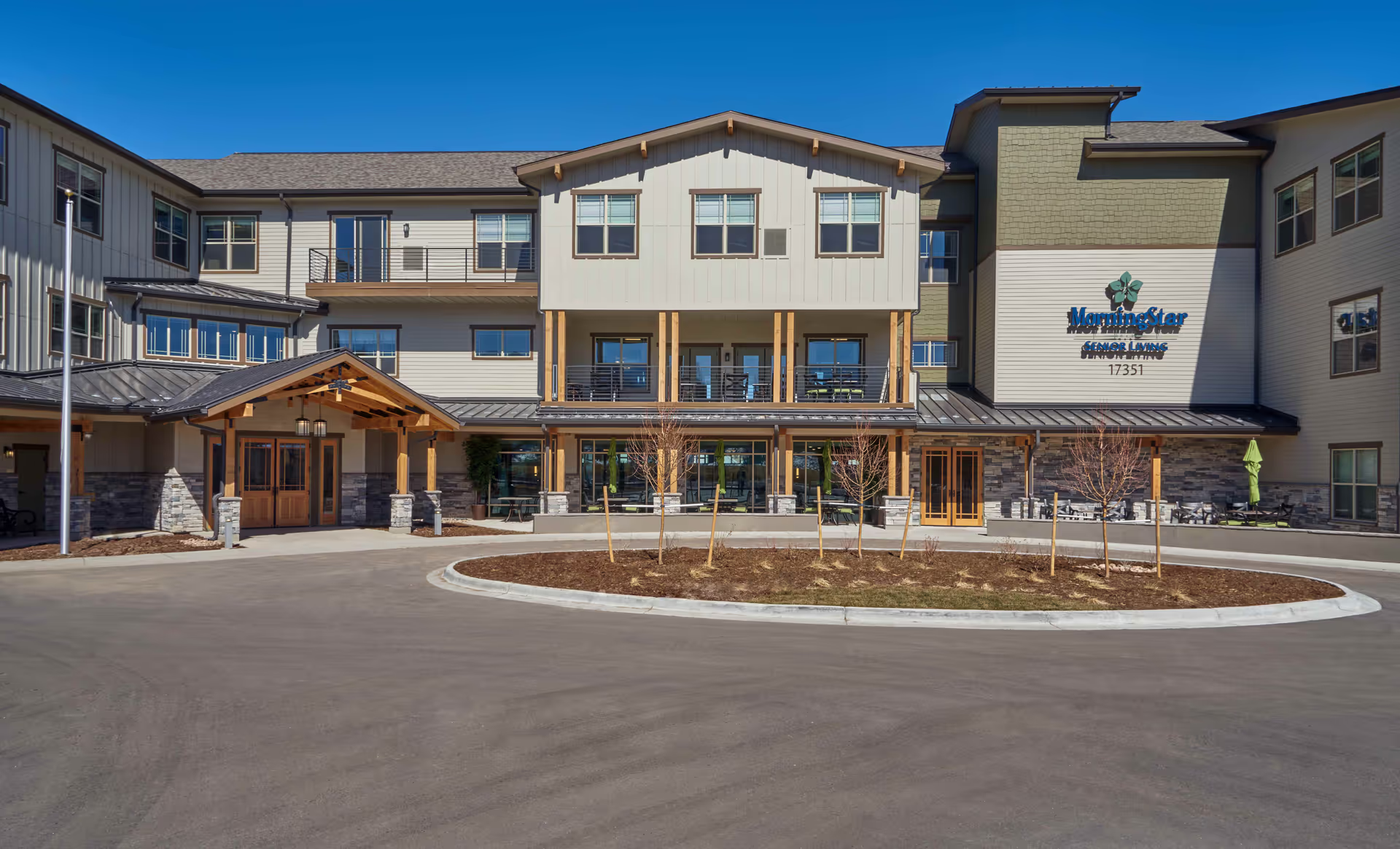
Physical plant and accommodation quality are mixed. Positive comments describe modern, recently remodeled sections, clean common areas, spacious studio apartments, and wheelchair-accessible layouts. However, reviewers also note uneven conditions across the campus: some wings are newer and bright, while other areas are described as older, smaller, or darker. Apartment size and natural-light levels vary by unit, which may affect resident comfort depending on placement.
Operational and care-delivery patterns warrant attention. Several accounts point to inconsistent staffing levels, higher turnover, and episodes in which clinical needs exceeded on-site capabilities; these patterns translate into concerns about care continuity for residents with increasing medical complexity. Relatedly, there are documented lapses in how some clinical incidents and hospital transitions were handled and communicated to families, suggesting that prospective residents should ask about transfer protocols, incident reporting, and how families are informed during urgent events.
Management and leadership impressions are mixed but trending positive in some narratives. Some reviewers praise new ownership, an engaged executive director, and visible improvements in operations and communication. Others describe uneven leadership responsiveness or dismissive interactions, indicating variability in administrative experience depending on timing and personnel. Similarly, staff demeanor is generally characterized as warm and helpful, yet accounts of variable communication tone and attitude suggest cultural consistency may fluctuate.
Bottom line: Elk Run offers many strengths — compassionate caregivers, on-site clinical resources, robust dining and activities, and attractive remodeled spaces — that make it a strong option for residents needing assisted living level care or seeking an active, social community. Families considering Elk Run should confirm that staffing levels, turnover rates, and clinical-transfer procedures align with the prospective resident’s acuity needs, inspect the specific apartment and wing under consideration for lighting and size, and discuss meal composition and management practices to ensure fit with long-term expectations.