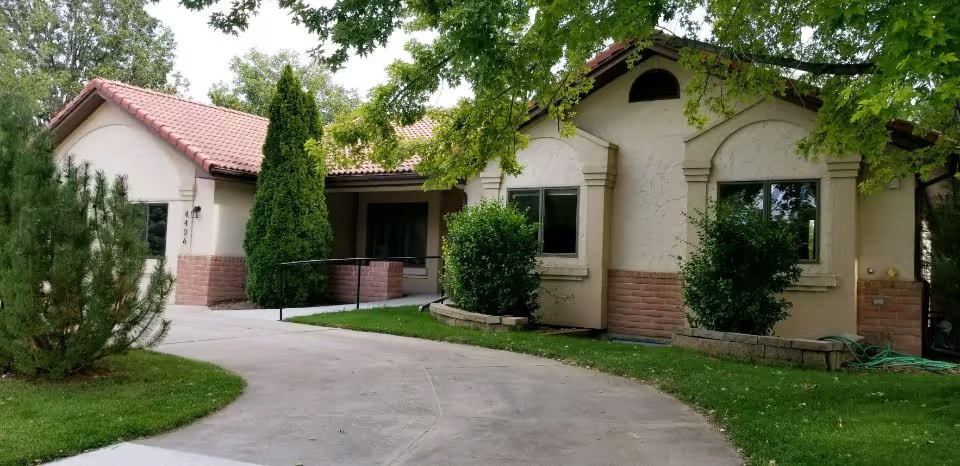
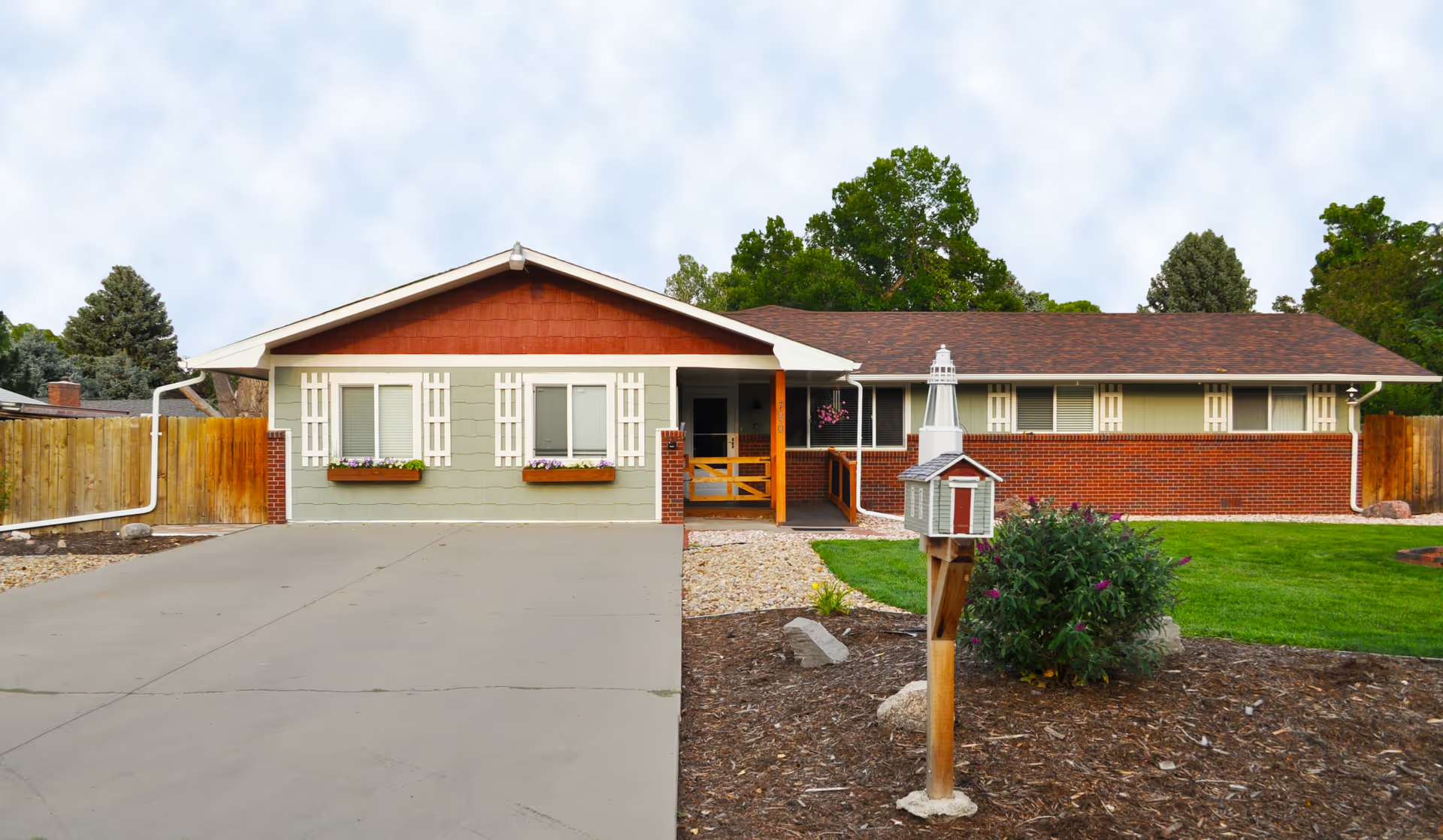
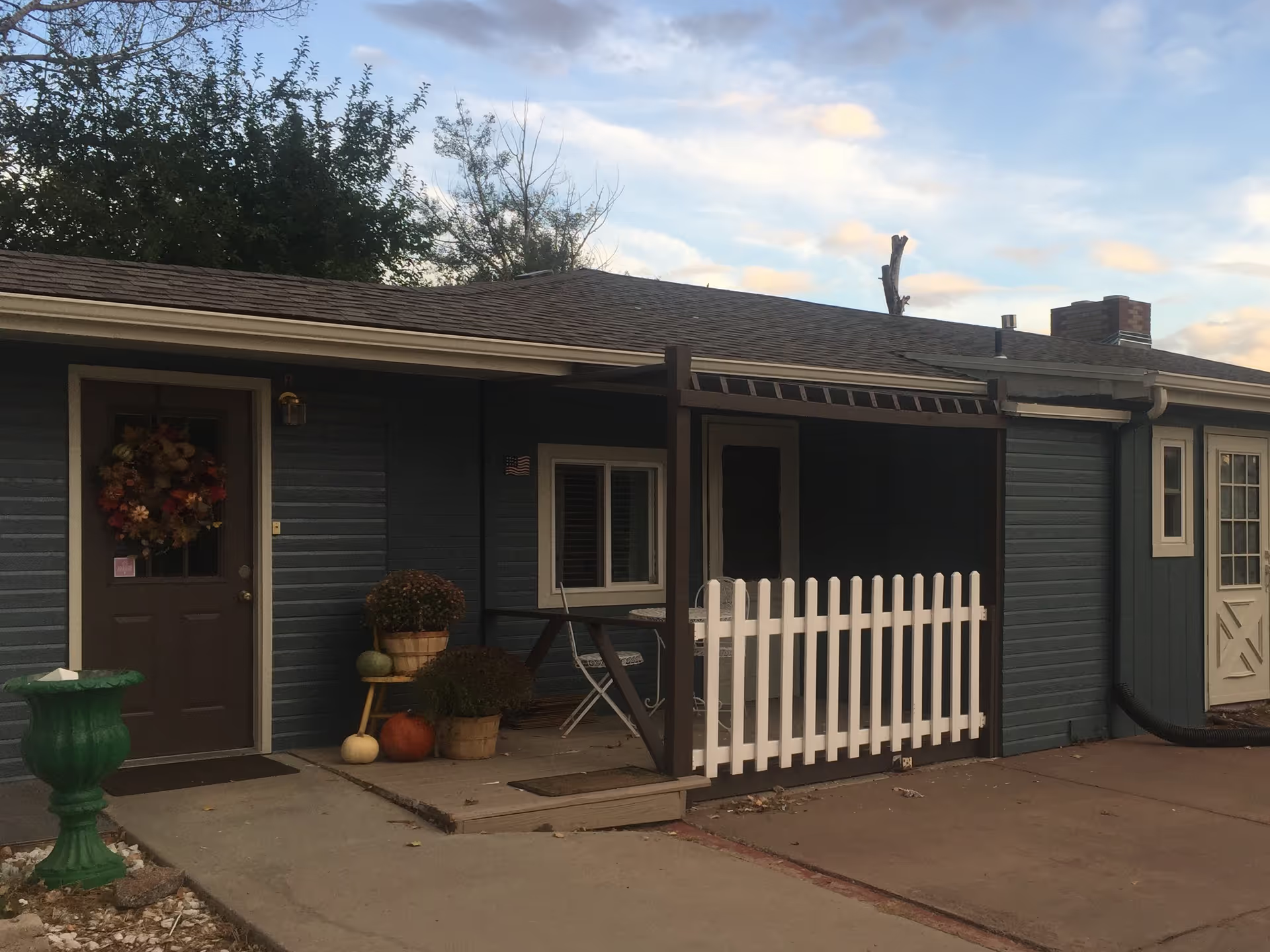
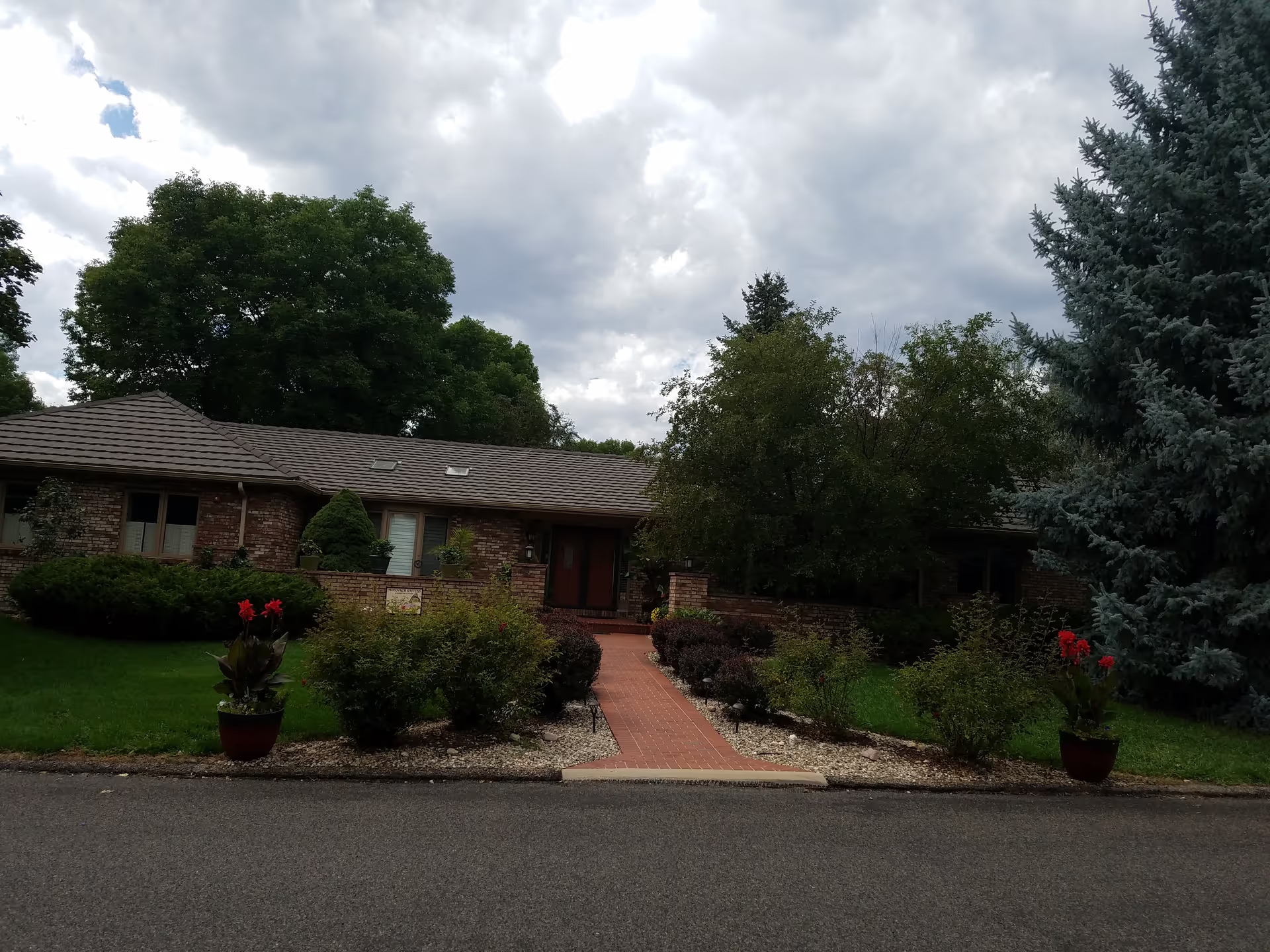
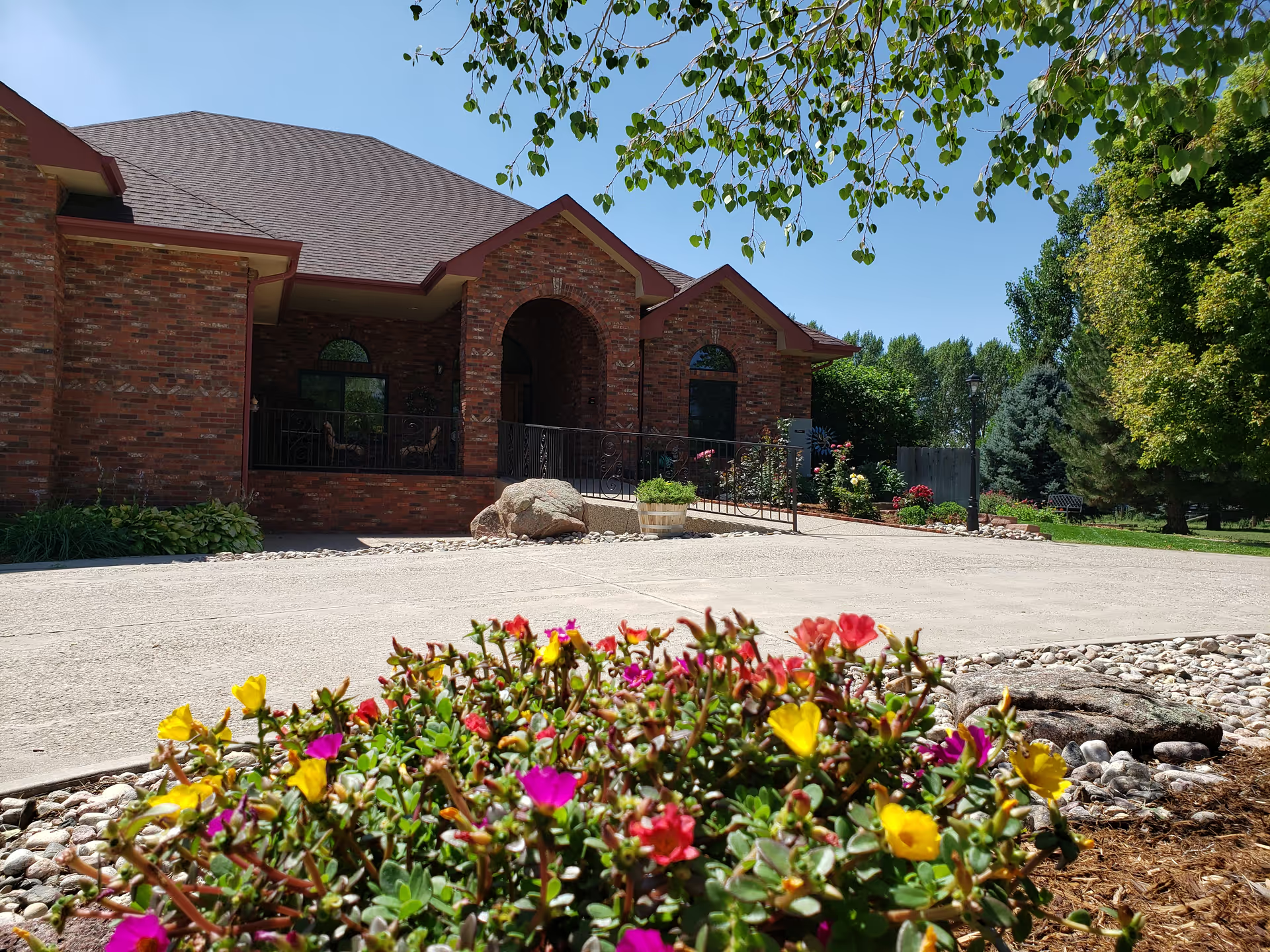
Brookdale Fort Collins presents as a newer, well-appointed assisted-living community with many features families find attractive. Strengths repeatedly cited include a warm, residential aesthetic, clean and apartment-style private studios with kitchenettes and ensuites, on-site nursing and therapy services, and a robust calendar of activities. The dining program is described by many as restaurant-style with a la carte choices and the option to dine in the dining room or in-room. Outdoor spaces, a salon, exercise classes, and pet-friendly policies contribute to a broadly supportive environment for independent and assisted residents.
Care and frontline staff receive frequent praise for compassion, responsiveness, and hands-on support; reviewers describe staff who develop relationships with residents and coordinate care transitions effectively. At the same time, a prominent operational theme is staffing instability. High turnover and periodic shortages are associated with inconsistent caregiver continuity, longer call-button response times, and reports of delayed attention to urgent needs. These staffing patterns appear to be the principal driver of variability in day-to-day resident experience.
Clinical and safety-related concerns surface in several areas of operations. Multiple accounts indicate weaknesses in medication-management processes and unclear pharmacy billing, which families flagged as a significant risk and administrative burden. There are also reports pointing to delayed recognition or response to medical events and to uneven supervision in memory-care settings; together these suggest opportunities to strengthen clinical incident response protocols, handoffs, and family communication following adverse events.
Dining and activities are generally viewed as positive contributors to quality of life, with many residents enjoying varied menus, social meals, exercise programs, outings, and creative classes. However, reviewers also describe inconsistent meal quality and service speed, weekend understaffing in the dining room, and occasional interruption or contraction of activities during infection-control events or staffing shortages. Transportation is offered but operates on a limited schedule, which can complicate outside medical appointments for some residents.
Management and administrative areas show mixed performance. Families frequently praise individual staff members and directors who provide proactive move-in support and personal attention. Conversely, recurring criticisms include inconsistent communication from administrative staff, billing and trust-account disputes, and a lack of price transparency—issues that affect perceived value. Maintenance and housekeeping are generally satisfactory, but isolated reports of sanitation and pest-control concerns indicate a need for stronger facility-wide quality assurance in select areas.
Overall, Brookdale Fort Collins has many attributes that align with a desirable assisted-living setting—caring direct-care staff, therapy services, a full activities program, and comfortable apartments. Prospective residents and families should weigh these strengths against operational risks tied to staffing consistency, medication and billing processes, and the variable performance of memory-care services. Visiting the community at multiple times of day (including weekends), asking for current staffing ratios, reviewing medication protocols, and requesting written fee and incident-communication policies will help clarify whether the facility’s current operational practices match an individual resident’s needs and risk tolerance.