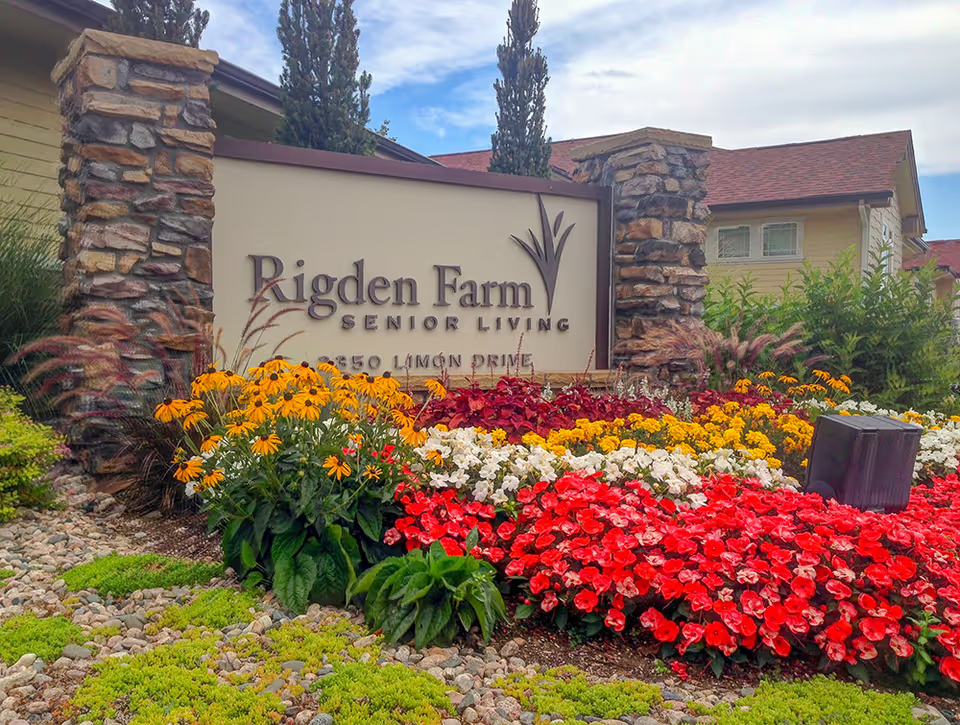
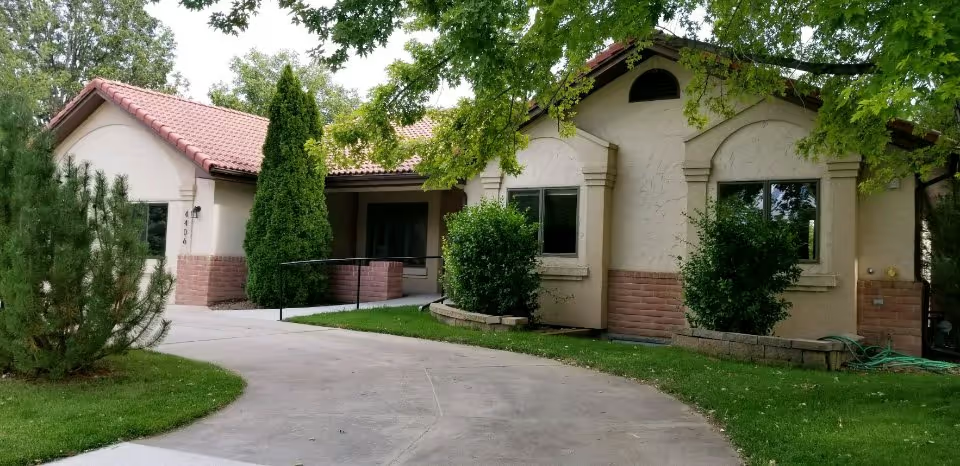
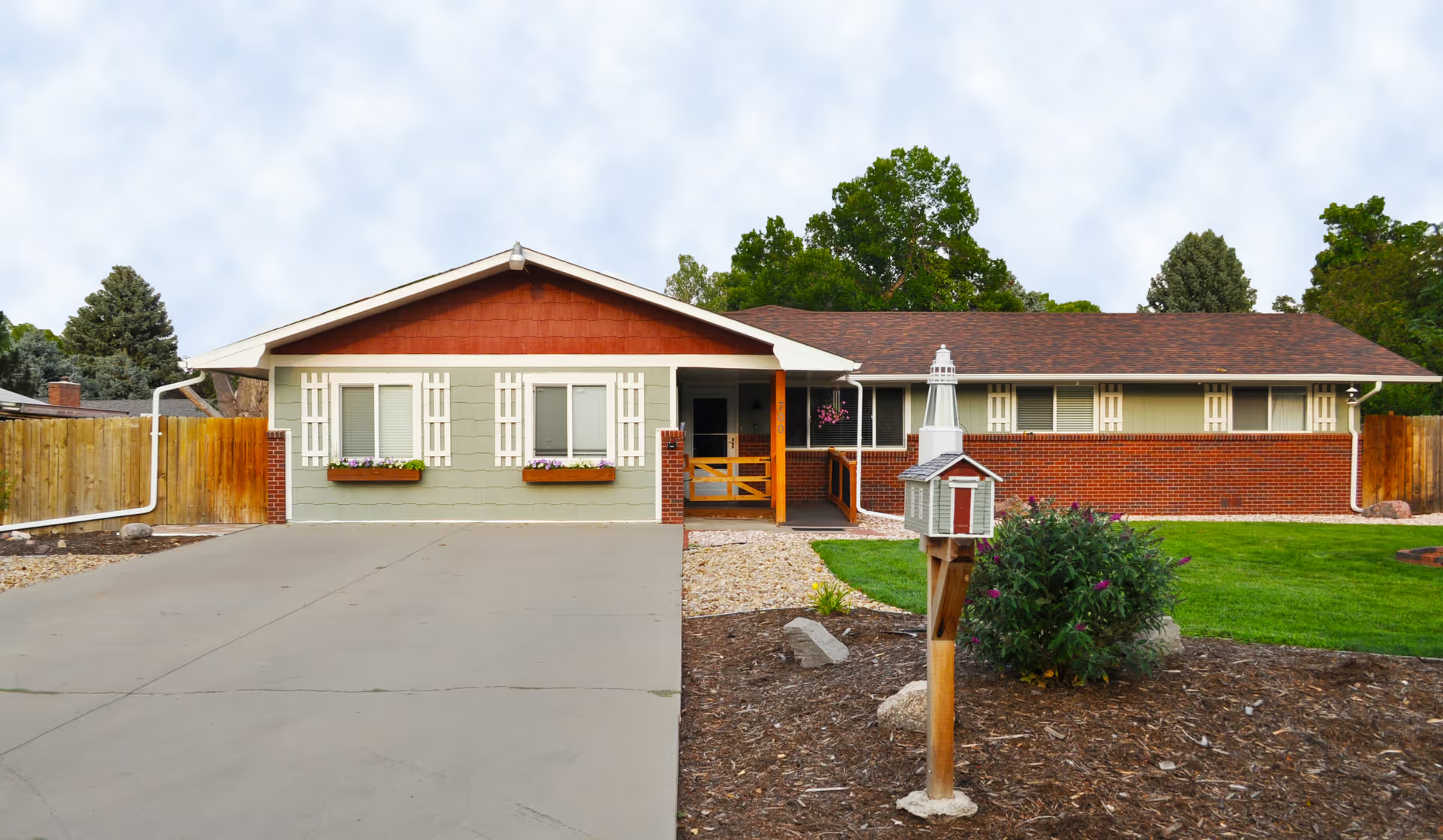
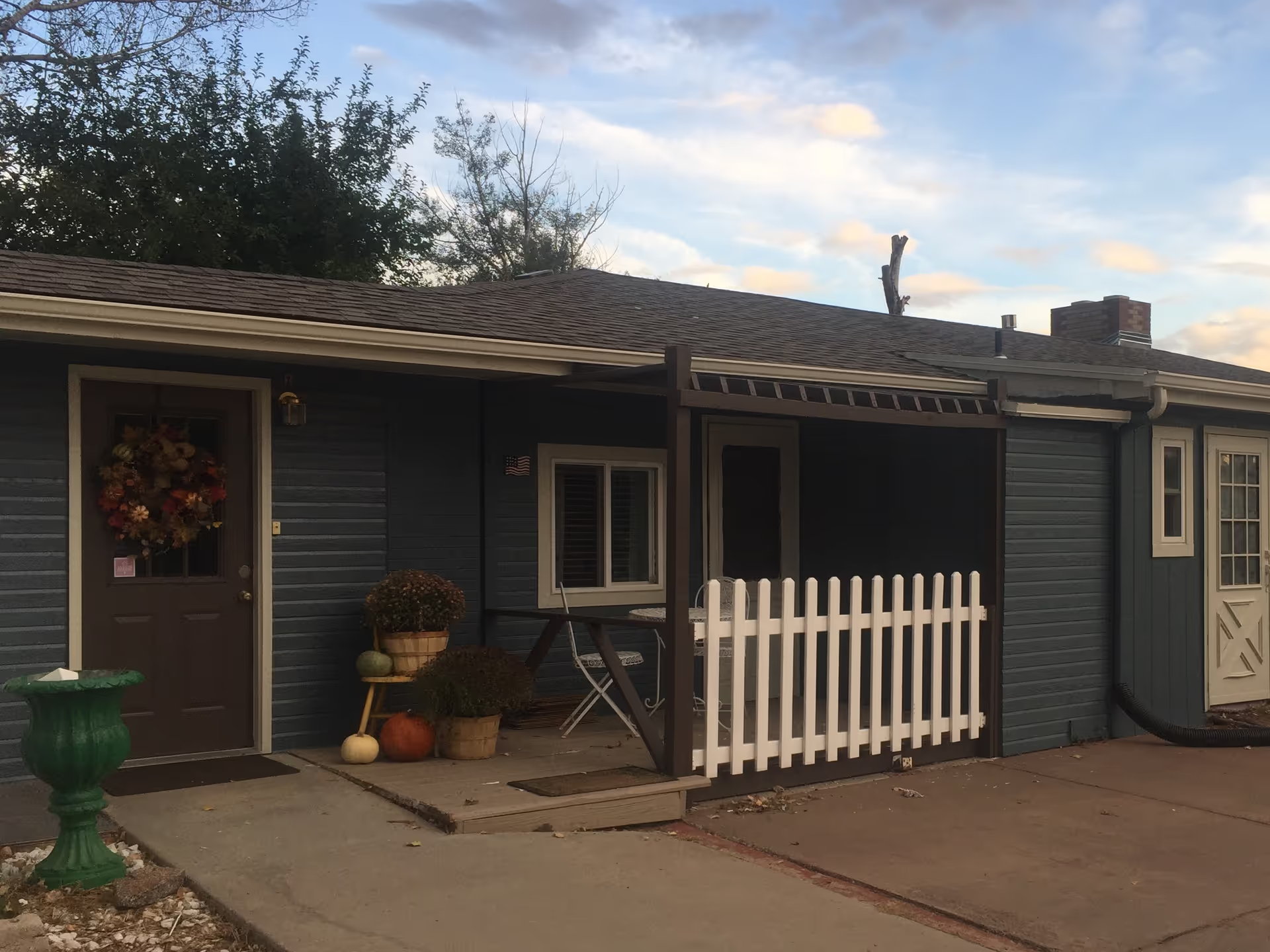
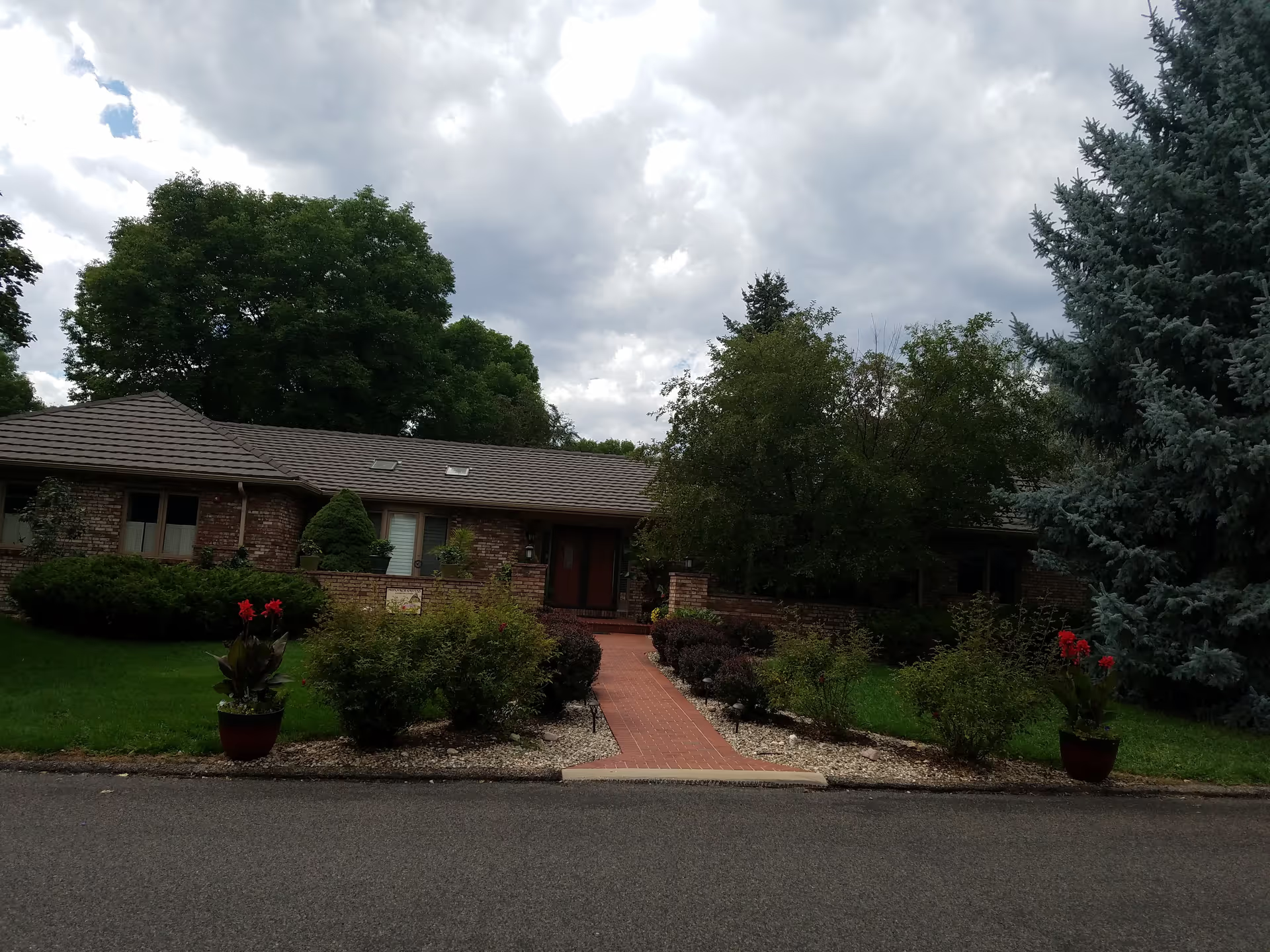
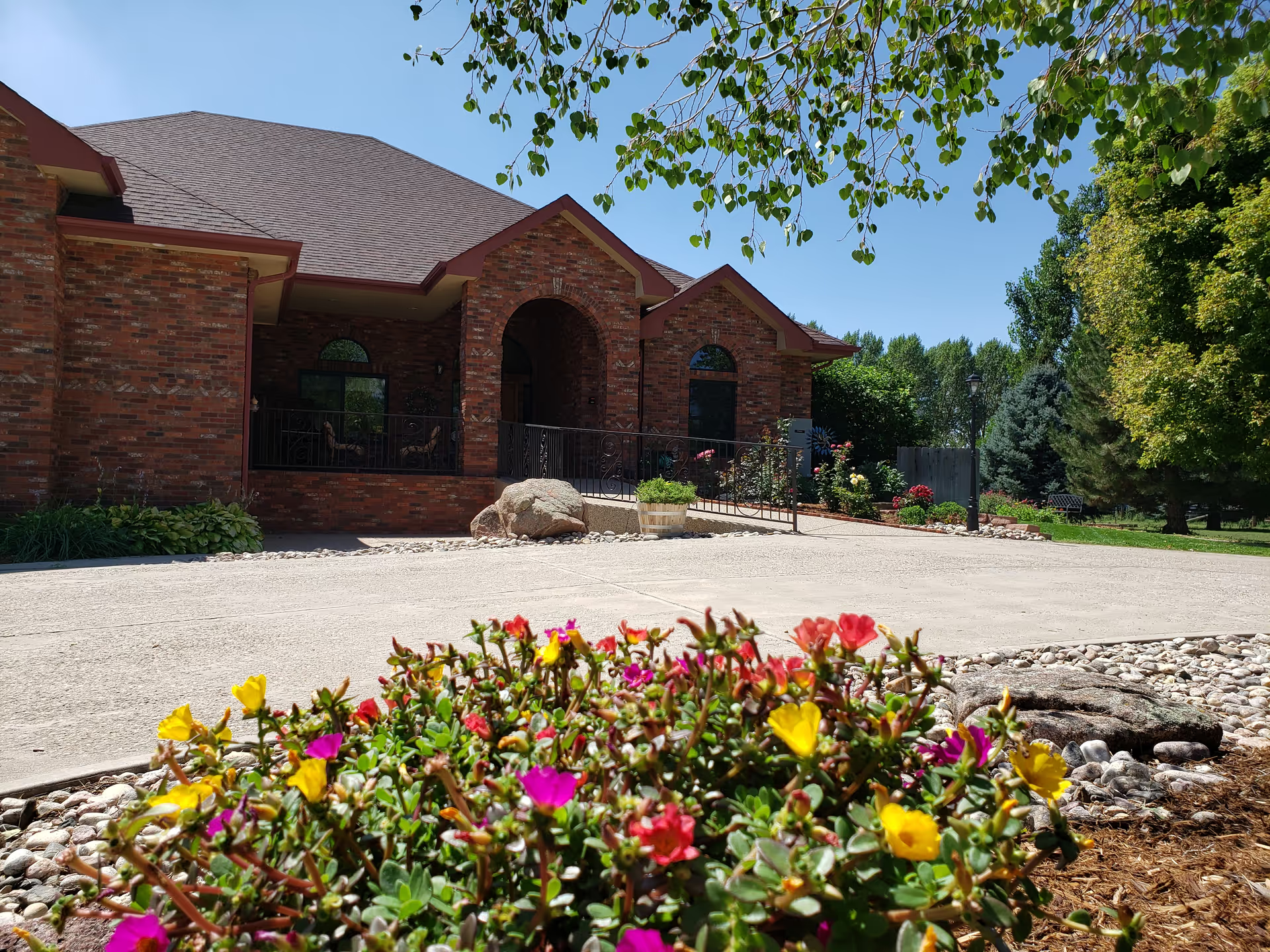
Overall impression: The facility presents as a well-maintained, attractive rehabilitation and long-term care campus with a homey, mountain-lodge ambiance. Physical surroundings, private-room options, accessible bathrooms, and outdoor grounds receive consistent praise. Admissions and social-work staff are viewed as helpful in navigating insurance and placement. The environment, dining room, and availability of ancillary services such as nail care and a small library contribute to a family-friendly feel.
Care and clinical services: Clinical offerings appear mixed. The therapy teams (PT/OT) are a clear strength for many families and former residents; reviewers emphasize effective rehabilitation, functional recovery, and attentive therapists. Nursing staff and many CNAs are described as compassionate and attentive, and caregivers are credited with restoring independence in several cases. However, parallel concerns focus on the facility’s medical oversight and medication processes: reviewers report delays in medication administration, gaps in documentation and diagnostic follow‑through, and limited physician or advanced-practice coverage at times. These issues are often most pronounced during nights, weekends, and holidays. Several families noted problems with weekend staffing and with admissions that arrive on Fridays before full orders and care plans are finalized.
Staffing, training and responsiveness: Staffing consistency emerges as a recurring pattern. While many staff are praised for warmth and professionalism, there are also accounts of understaffing, newer CNAs with limited competency, and slow call-light responses. These operational gaps translate into concerns about timely assistance, bathing and toileting schedules, and prompt attention to care needs. Communication with families is uneven; transportation coordination and advance notification of care events are cited as areas needing improvement. There are also descriptions of isolated safety incidents tied to equipment handling and transfers, indicating a need for stronger transfer-safety protocols and staff training.
Dining and activities: Dining is generally viewed positively—meals, a large inviting dining room, and initiatives to revise menus for older adults are noted. At the same time, there are reports of inconsistent meal-service timing and occasional slow dining service that can affect resident comfort. The activities program is consistently praised: engaged activities directors, frequent programming, live musicians, art classes, and seasonal/event decorating contribute meaningfully to quality of life.
Facilities and operations: Housekeeping and facility appearance are strong points; multiple comments describe a bright, clean, and well-appointed building with wheelchair accessibility. Operational weaknesses include admissions paperwork delays, slow outside-equipment ordering, and occasional lapses in following through on promised services (for example, transportation no-shows). Some reviewers link recent changes in ownership or management to perceived cost-cutting and staffing pressures, suggesting potential operational adjustment during transitions.
Patterns and what to watch for: Prospective residents and families should weigh the facility’s strong rehabilitation services, pleasant environment, and active programming against recurring concerns about medical oversight, medication administration, and staffing consistency—especially on nights, weekends, and holidays. Clarify physician coverage, weekend staffing, medication administration protocols, transfer-safety training, and how the facility handles admissions that occur late in the week. Ask about communication procedures for families, transportation reliability, infection-control practices, and staff training programs to address the operational gaps highlighted by families.
In summary, the facility offers many advantages for rehabilitation-focused stays and for residents who value an active, attractive community; however, families should proactively verify clinical oversight, staffing patterns, and communication processes to ensure they match their expectations for medical continuity and safety.