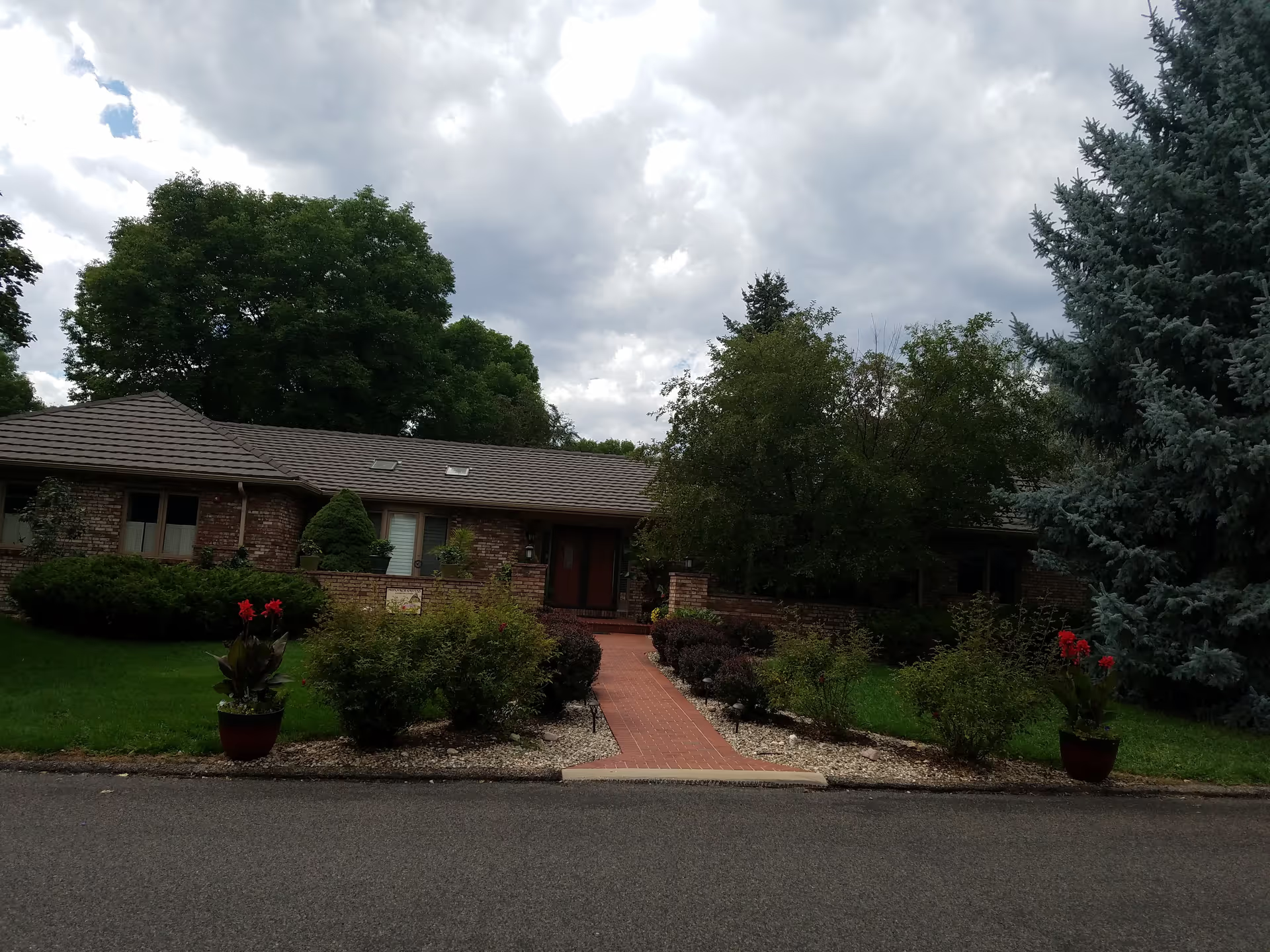
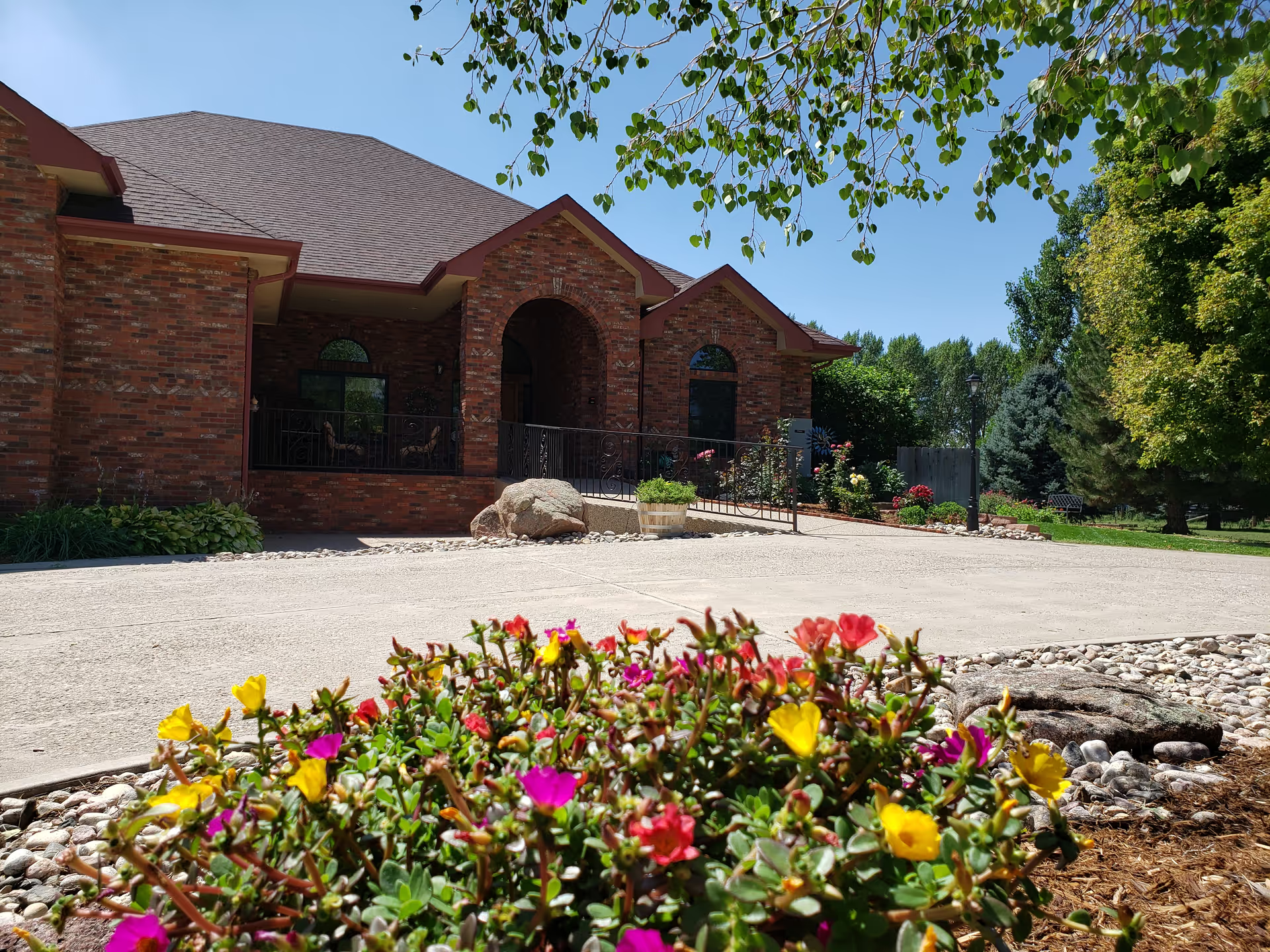
MacKenzie Place presents as a high-end continuing-care community with extensive amenities, varied housing options (independent cottages, apartments, and on-site assisted/memory care), and a broadly home-like atmosphere. Many families and residents praise the community for its clean, well-maintained spaces, restaurant-style dining venues, frequent activities (live music, outings, clubs), and on-site therapy and fitness resources. The campus model — with higher-acuity care available on the same property — is a notable strength for families seeking continuity of services over time.
Care and staff: Staffing is the facility's most frequently cited strength and stressor. Numerous accounts highlight compassionate, attentive caregivers and clinical staff who provided thorough move-in support, medication timeliness, dignified assistance, and strong family communication. Individual staff members and teams are often singled out for exceptional care. Counterbalancing that praise are repeated comments about high frontline turnover, inconsistent handoffs between shifts, and variability in training and behavioral-intervention approaches. These operational patterns have produced uneven experiences in care continuity and responsiveness for some residents.
Dining: The dining program receives both strong endorsements and significant criticism. Positive feedback emphasizes restaurant-quality meals, multiple dining venues (including a bar/pub and special-event dining), and attentive waitstaff. However, other accounts describe a decline in kitchen staffing and menu consistency, outsourcing issues, limited choices at times, and interruptions to meal service. Meal-service reliability and food quality appear to vary by day and management period.
Activities and community life: Activity programming is a clear asset. The community offers a broad calendar — music, games, bridge clubs, exercise classes, weekly excursions, and holiday events — that supports social engagement and family inclusion. Many residents report feeling included and connected; others, particularly in certain memory-care areas, describe quieter or less active programming, indicating variability in engagement levels across units.
Facilities and maintenance: Physically, the property is described as upscale, well-appointed, and clean, with amenities such as pools, salon, chapel, theater, and secure courtyards. Some maintenance and grounds items (worn carpeting, yard care) were noted in a subset of accounts, suggesting intermittent lapses rather than systemic cleanliness problems. Security and access-control processes were called into question in a few reports and merit verification during a tour.
Management and operational patterns: Reviews show mixed impressions of leadership and operational priorities. Positive experiences cite responsive directors and helpful move-in coordination; negative themes include management turnover, perceived emphasis on cost control, incremental fee increases, and occasional breakdowns in communication and meal/staff scheduling. There are also serious, though not universally echoed, allegations concerning billing disputes and restricted visitation at end-of-life; these are notable and should be explored directly with administration and through regulatory/inspection records.
Bottom line: MacKenzie Place offers many hallmarks of an appealing, full-service senior community: strong amenities, active programming, on-site therapy, and many compassionate staff members. Prospective residents and families should weigh those strengths against documented operational weaknesses — especially staff turnover, variability in care continuity and memory-care engagement, and inconsistent dining/service levels. Recommended next steps include an in-person tour that includes the memory-care unit, direct questions about staffing ratios and turnover, review of sample menus and meal-service procedures, clarification of pricing and billing policies, and conversations with current residents and families about recent management changes.