Overview of care quality Residence at Oakridge elicits strongly mixed impressions. Many families describe compassionate, hands-on caregiving, with staff who are described as kind, thoughtful and attentive. Reviewers note regular care-planning and health-assessment meetings and say clinical staff and leadership sometimes go above and beyond to resolve problems. At the same time, other families report significant concerns about responsiveness and timeliness of basic care when staffing is thin. The overall pattern suggests pockets of consistently good bedside care alongside operational stressors that can affect dependability on some days or shifts.
Staff and management Staff are frequently praised for their dedication, long tenure, and the sense of a family-like culture. Several reviewers singled out leadership and specific nurses for strong engagement with families. However, staffing shortages and high workload are recurring themes: staff are described as overextended, which contributes to service variability. Management responsiveness appears uneven — some complaints are addressed promptly (including menu adjustments), while other accounts describe limited managerial presence for day-to-day needs. Staff turnover and continuity concerns were also mentioned as factors that can disrupt consistency of care.
Dining and activities The facility offers an activity program that many residents enjoy and participate in, and families report that residents form social connections. The kitchen leadership has responded to menu concerns in some cases, but food quality and meal satisfaction are inconsistent across reports. Prospective families may wish to observe mealtimes and review menus to judge whether offerings meet expectations for their loved one.
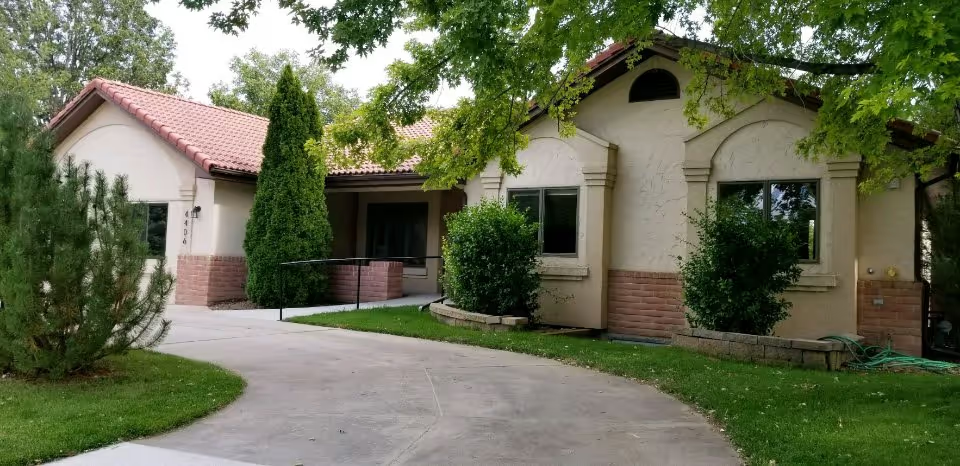
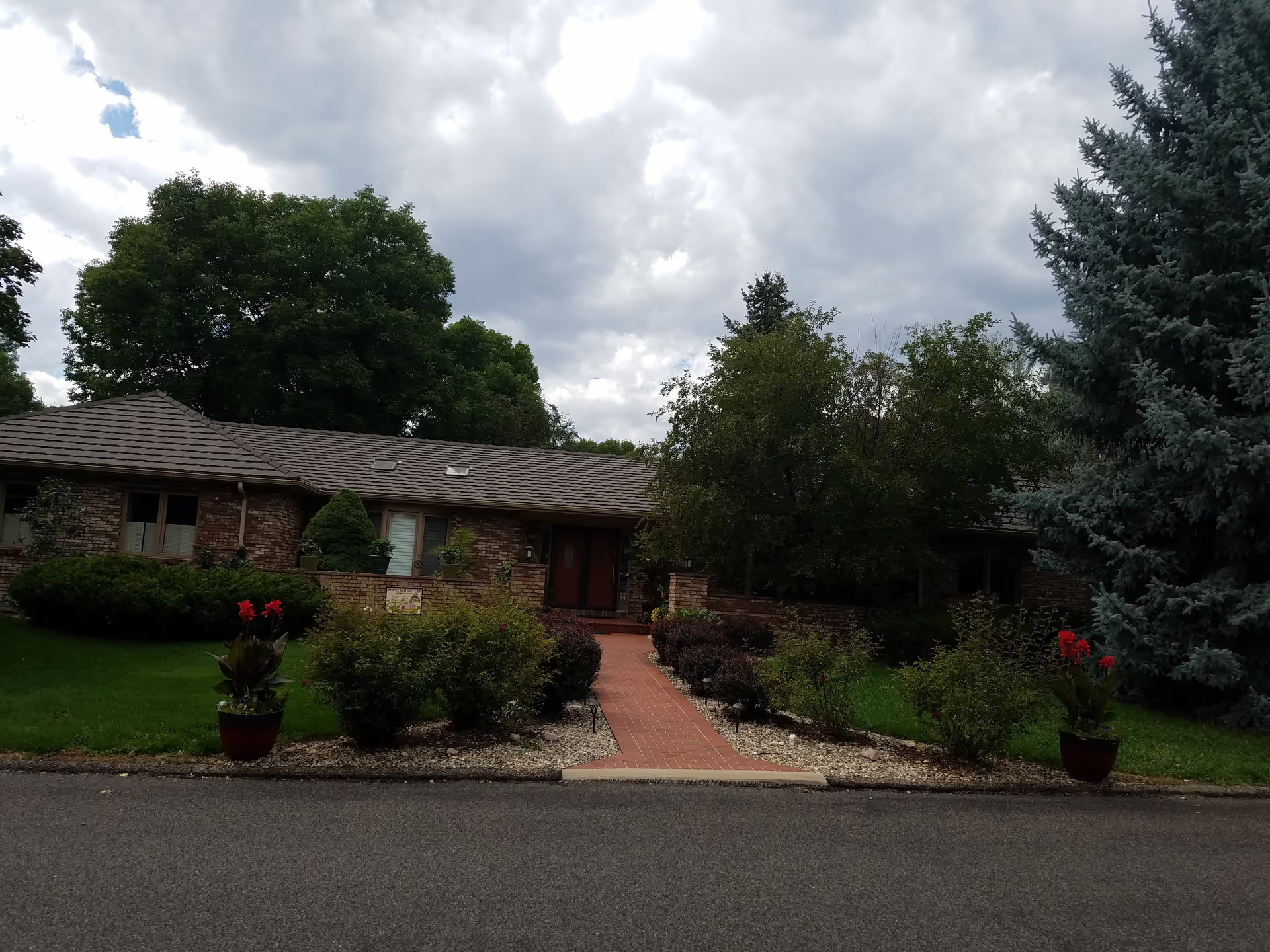
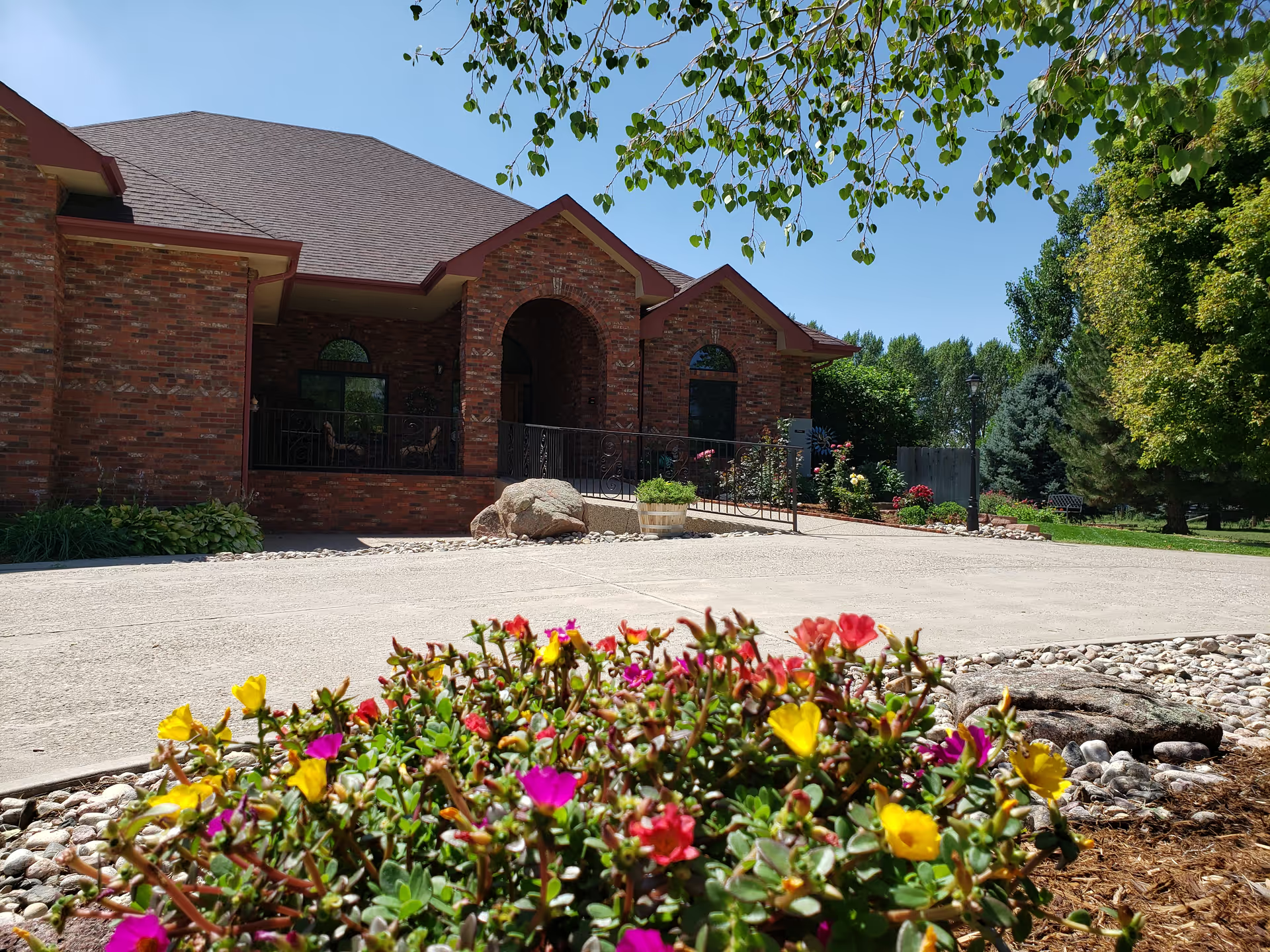
Facilities and logistics The building is described as an older but generally clean facility and is noted for being more affordable than some alternatives. Nonetheless, there are isolated sanitation and safety concerns reported for certain areas that merit attention during a visit. Transportation logistics are a clear operational weakness: scheduling to medical appointments can be unreliable, with late or overbooked van runs creating difficulty for residents who depend on facility transport. Several reviewers advised that the community functions best when families visit regularly and remain engaged.
Clinical coordination and notable patterns There are indications of competent medication technicians and proactive clinical meetings, but at least one account highlights gaps in medication-management coordination with external providers. This points to a need for clear processes for communicating with outside physicians and verifying prescriptions. Overall, reviews cluster into two broad patterns: families who consistently experience attentive, high-quality care and families who encounter operational gaps linked to staffing, transportation, and food service. That variability suggests outcomes may depend on staffing levels, shift timings, and the particular unit or caregiving team.
What to look for if you visit When evaluating the community in person, consider asking about current staffing ratios, turnover rates, transportation scheduling, and protocols for coordinating with outside physicians. Observe mealtimes, activity engagement, and common-area cleanliness; request examples of how recent family concerns were handled and whether care-planning meetings are held regularly. These targeted checks can help determine whether the facility’s strengths — engaged staff, clinical meetings, social programming, and affordability — align with your expectations and whether the operational concerns are being actively managed.