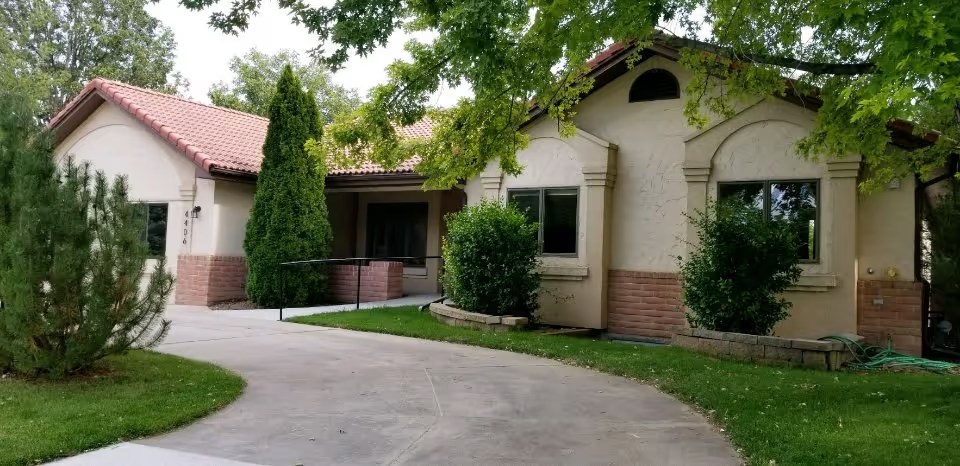
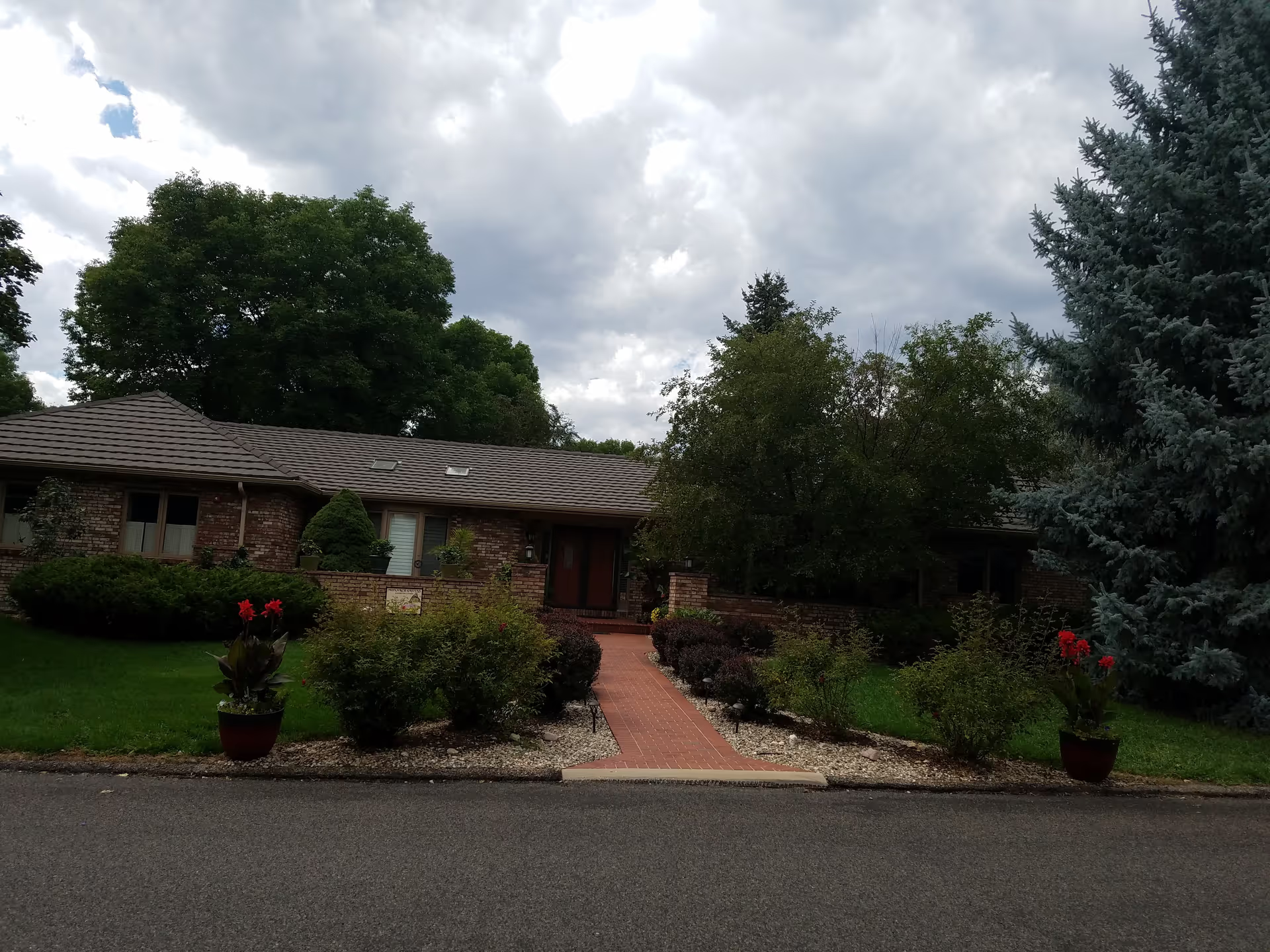
The Gardens at Collinwood presents as a well-appointed, resort-like assisted living and memory-care campus with substantial strengths in facilities, dining, and programming. The physical plant and grounds receive consistent praise: reviewers describe manicured outdoor areas, accessible courtyards, large common rooms, and ample indoor walking space across connected buildings. Apartment options include private studios and one-bedroom layouts, and on-site amenities such as a salon, library, community kitchen, and shuttle service are commonly highlighted.
Dining and social programming are clear assets. Many families and residents note a restaurant-style dining room with flexible, on-demand hours, varied menus, and a chef willing to accommodate dietary needs. The community offers a broad activity calendar—exercise classes, music nights, group outings, movie nights, games, and religious services—supporting regular social engagement. On-site clinical resources (a Physician Assistant and physical therapy services) and weekly housekeeping/laundry are additional conveniences mentioned positively.
At the same time, there is a recurring pattern of operational concerns that prospective residents and families should evaluate. Staffing emerges as a central theme: while many reviewers describe frontline caregivers as caring and attentive, others report understaffing, frequent turnover, and inconsistent training—particularly for residents with dementia or higher medical needs. Those operational issues correlate with complaints about delayed responses to calls for assistance, inconsistent personal-care routines, and some gaps in medication and clinical communication.
Food service quality is generally praised for variety and accommodations, yet several accounts raise sanitation and food-safety issues (improper handling and foreign matter in meals) and note limited late-day dining options at times. Management and administrative practices attract mixed assessments: some visitors found marketing and administrative staff patient, organized, and safety-focused, while other families perceived a stronger emphasis on financial priorities, experienced communication lapses around care changes or billing, and found transfers or transitions administratively difficult.
There are also isolated but serious negative accounts, including descriptions of theft and other staff-conduct concerns; such reports should prompt direct inquiry during a tour. Other practical considerations reported include variable apartment sizes (some studios feel small or lack separate bedroom doors), navigation challenges across a large multi-wing campus, availability constraints and waitlists, and differing views on value relative to cost.
In summary, Collinwood offers strong physical amenities, engaging programming, and an appealing dining model that suit many residents. However, families assessing the community should verify staffing levels and turnover, dementia-care training and staffing ratios for the specific unit they are considering, clinical-communication protocols (medication notifications and incident reporting), food-safety practices, and contractual/financial terms. An in-person tour with direct questions about recent staffing metrics, examples of memory-care programming, and steps the community takes to address sanitation and security concerns will help determine fit for an individual resident’s care needs.