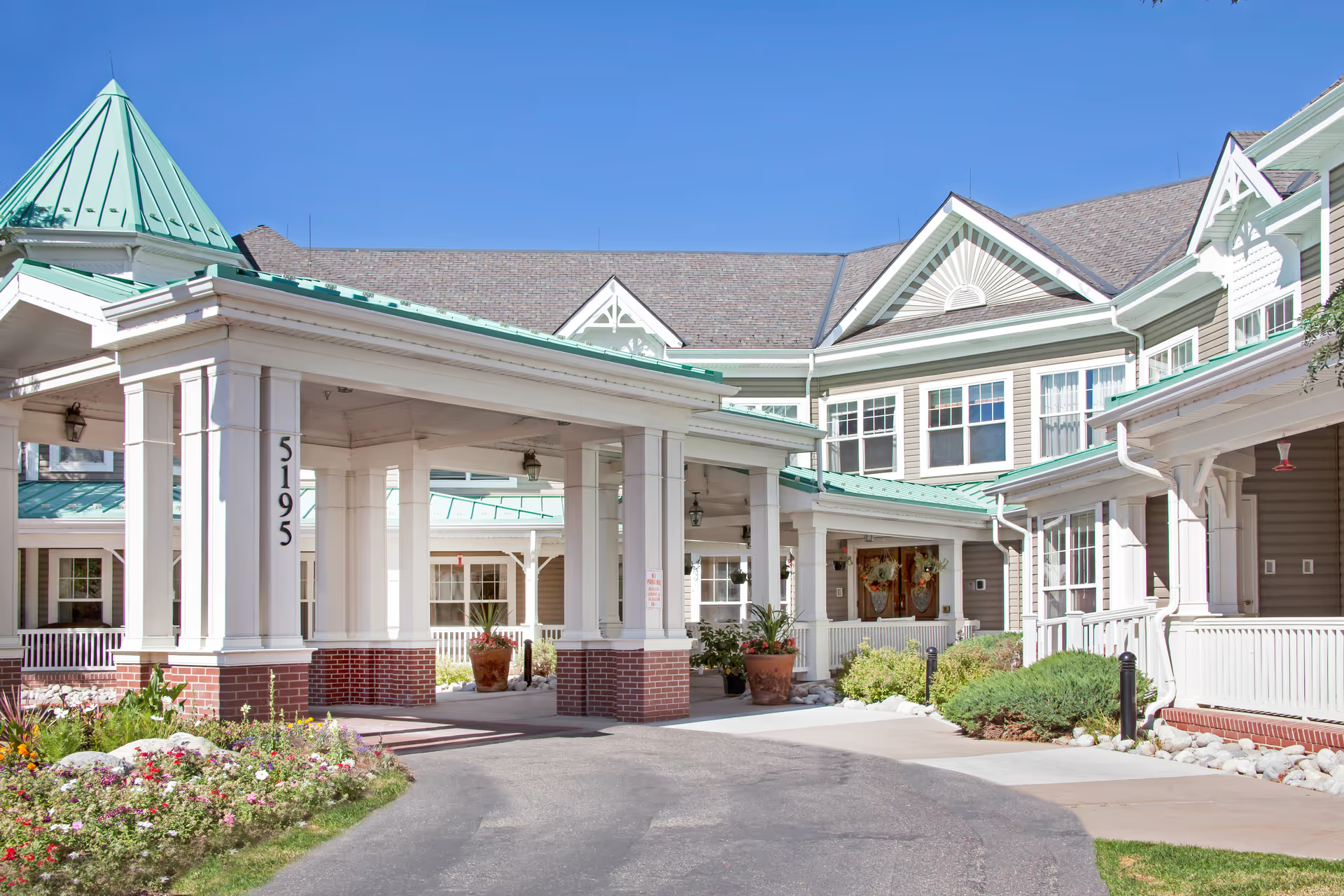
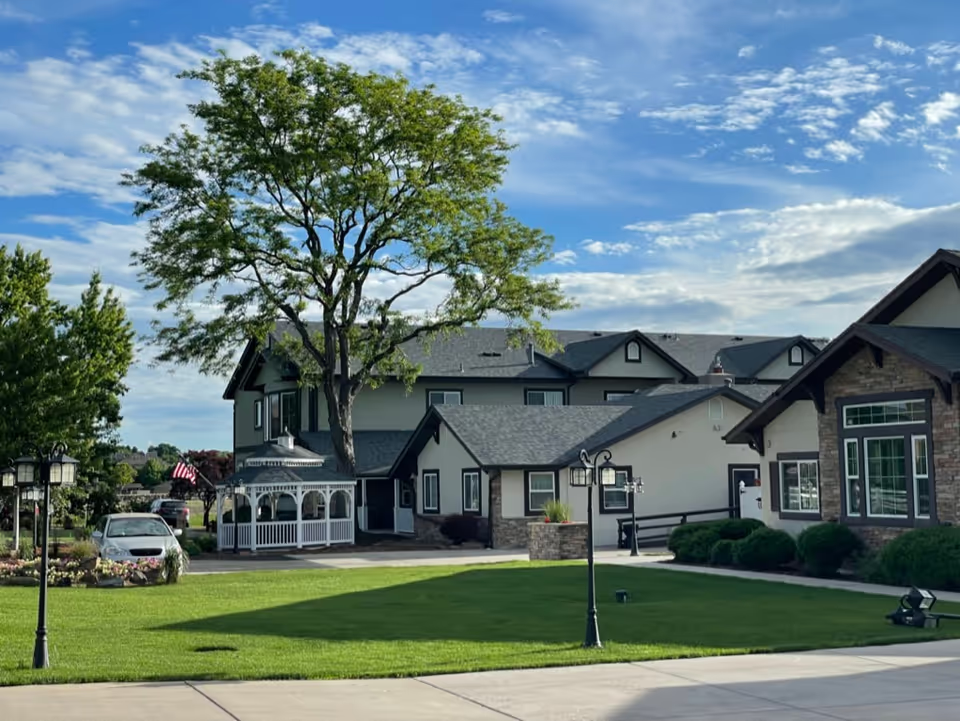
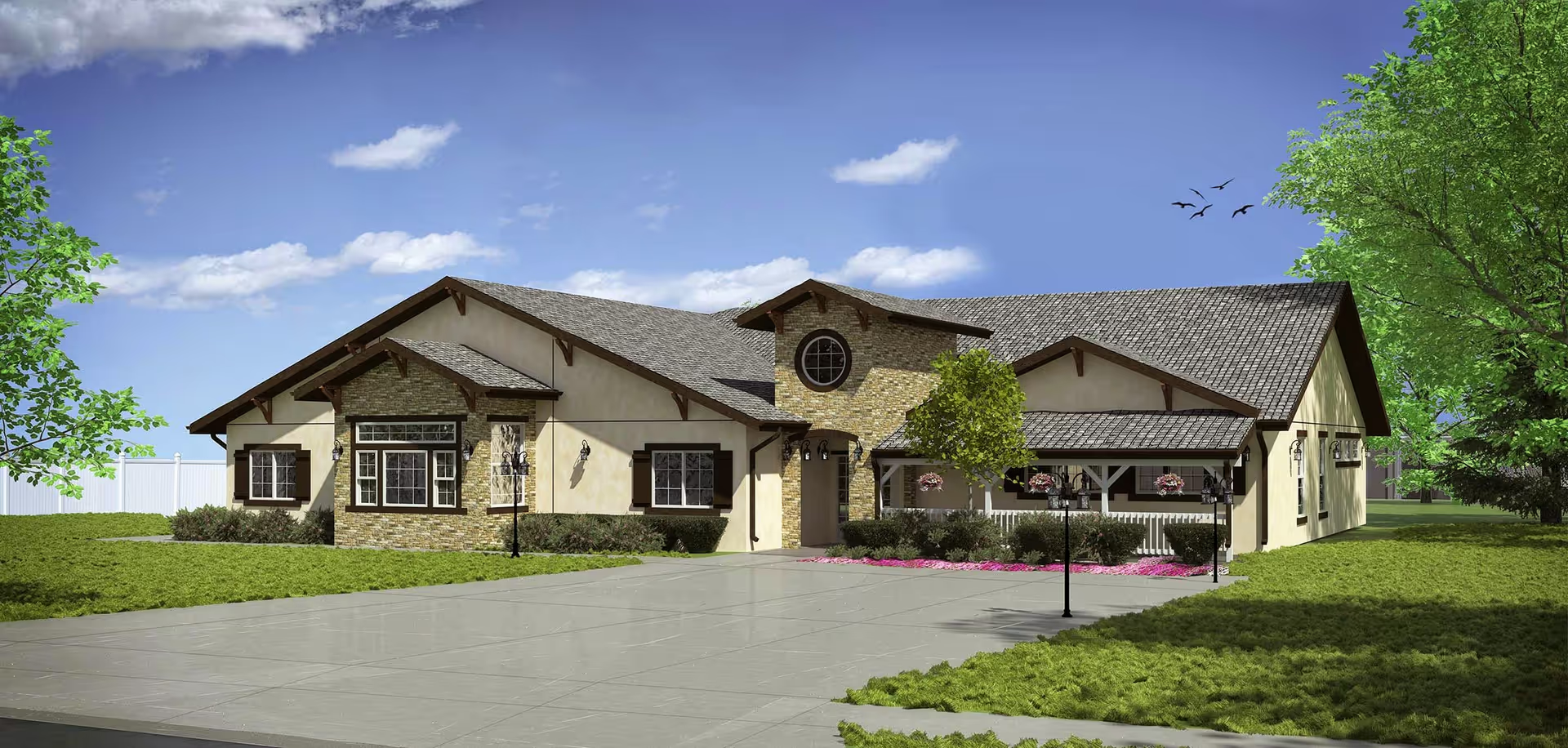
Reviewers’ experiences at Lakewood Post Acute and Rehabilitation are notably mixed, with clear areas of clinical strength alongside recurring operational concerns. The facility receives frequent praise for its rehabilitation services: reviewers describe strong physical, occupational and speech therapy teams, individualized therapy plans, and daily therapy schedules that helped many patients regain mobility and return home. Several reviews highlight coordinated discharge planning, effective home-therapy transitions, and on-site medical coverage by physicians and physician assistants. The environment and amenities are often described positively — a modern, hotel-like building with spacious private rooms, in-room refrigerators, private bathrooms, pleasant common areas, and family accommodations such as pull-out beds and flexible visitation options. The activities program (bingo, music, cooking groups, Wii bowling and therapy-animal visits) and bilingual staff resources were also noted as meaningful quality-of-life contributors.
At the same time, a substantial portion of feedback raises operational concerns that prospective families should consider. The dominant theme is inconsistent staffing levels, especially overnight and on weekends, which correlates with delayed call-button responses and gaps in basic assistance such as bathing and toileting. Related safety issues were described, including falls, transfer challenges, and instances where promised bariatric or other equipment was unavailable. Medication-administration processes were another recurring concern: reviewers cited missed or mistimed doses and isolated medication errors, indicating variable reliability in medication controls and documentation.
Dining and housekeeping impressions are polarized. Some reviewers praised meal variety, generous portions, and accommodating kitchen staff; others described interrupted meal delivery, cold or repetitive menu items, and inconsistent special-diet handling. Cleanliness and sanitation issues — including isolated pest-control concerns and inconsistent housekeeping in rooms or bathrooms — were raised frequently enough to warrant attention. Property accountability and laundry handling also appeared uneven, with multiple comments about misplaced or lost personal items.
Communication and management performance were variable. Several families commended responsive administration, clear admissions processes, and helpful case managers; others reported difficulty reaching case management, confusing or delayed discharge paperwork, and billing or insurance coordination problems. There are also reports that staff tone and conduct can be inconsistent — ranging from highly compassionate to brusque or uncommunicative — which affects family confidence. A limited number of reviews mention serious clinical outcomes such as hospital readmissions and concerns following a resident's death; these are framed in reviewer accounts as prompting regulatory complaints or requests for investigation.
Taken together, the pattern is one of a facility with strong rehabilitation capabilities, useful amenities, and many dedicated staff, but with operational variability that affects day-to-day care consistency. Recommendations for prospective residents and families: schedule an in-person tour to observe staffing levels and mealtime service, ask about nurse-to-patient ratios (including night/weekend coverage), review medication-administration protocols and infection-control policies, confirm availability of any specialized equipment needed, and request specifics on communication practices for case management and family updates. Those measures will help determine whether the facility’s strengths align with the patient’s clinical needs and expectations for reliable daily assistance.