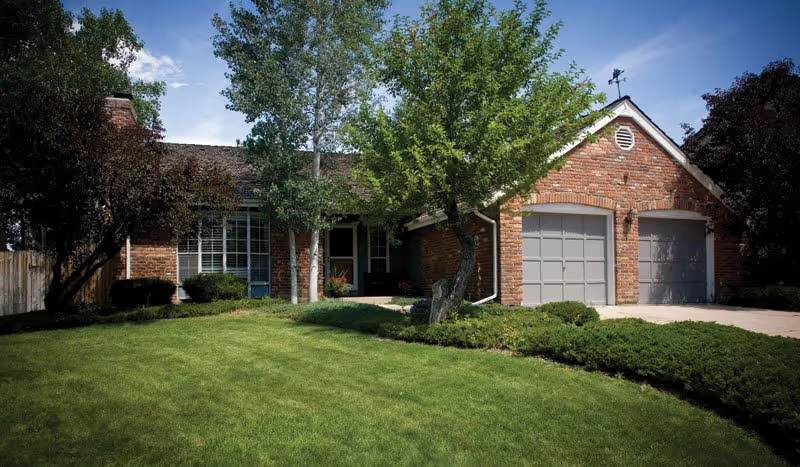
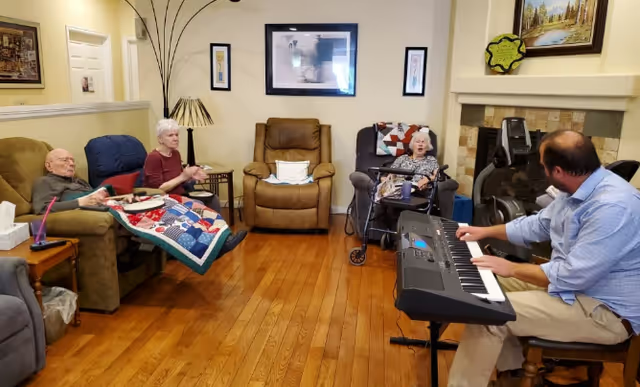
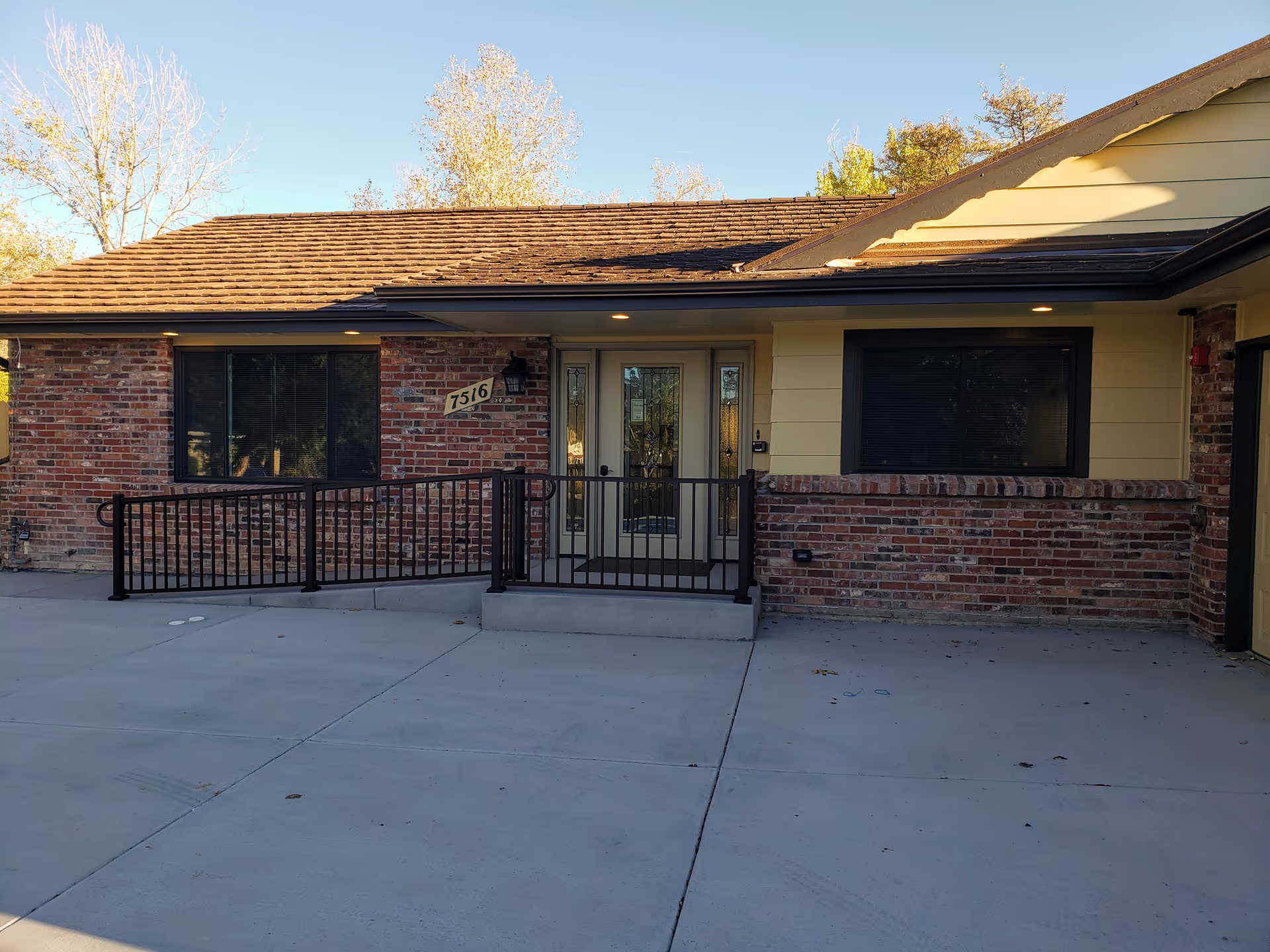
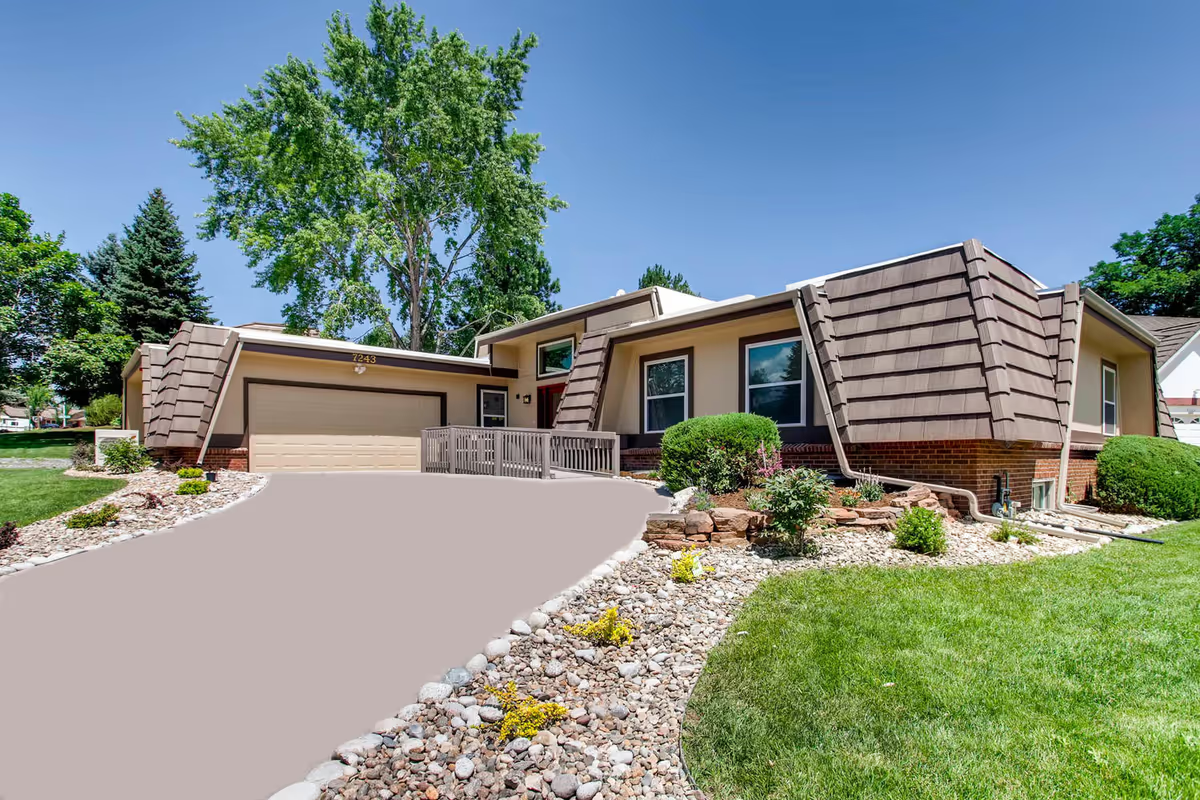
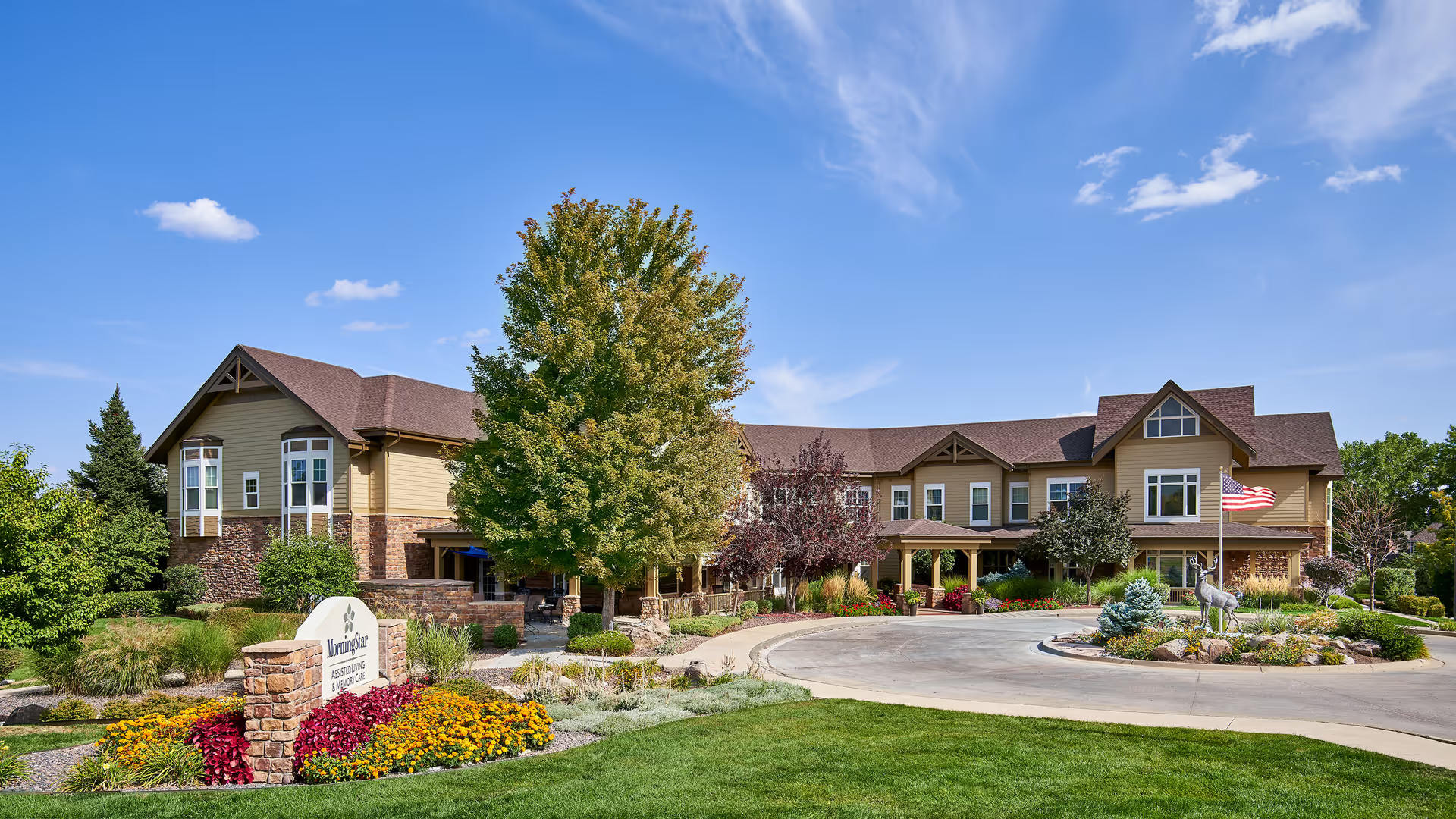
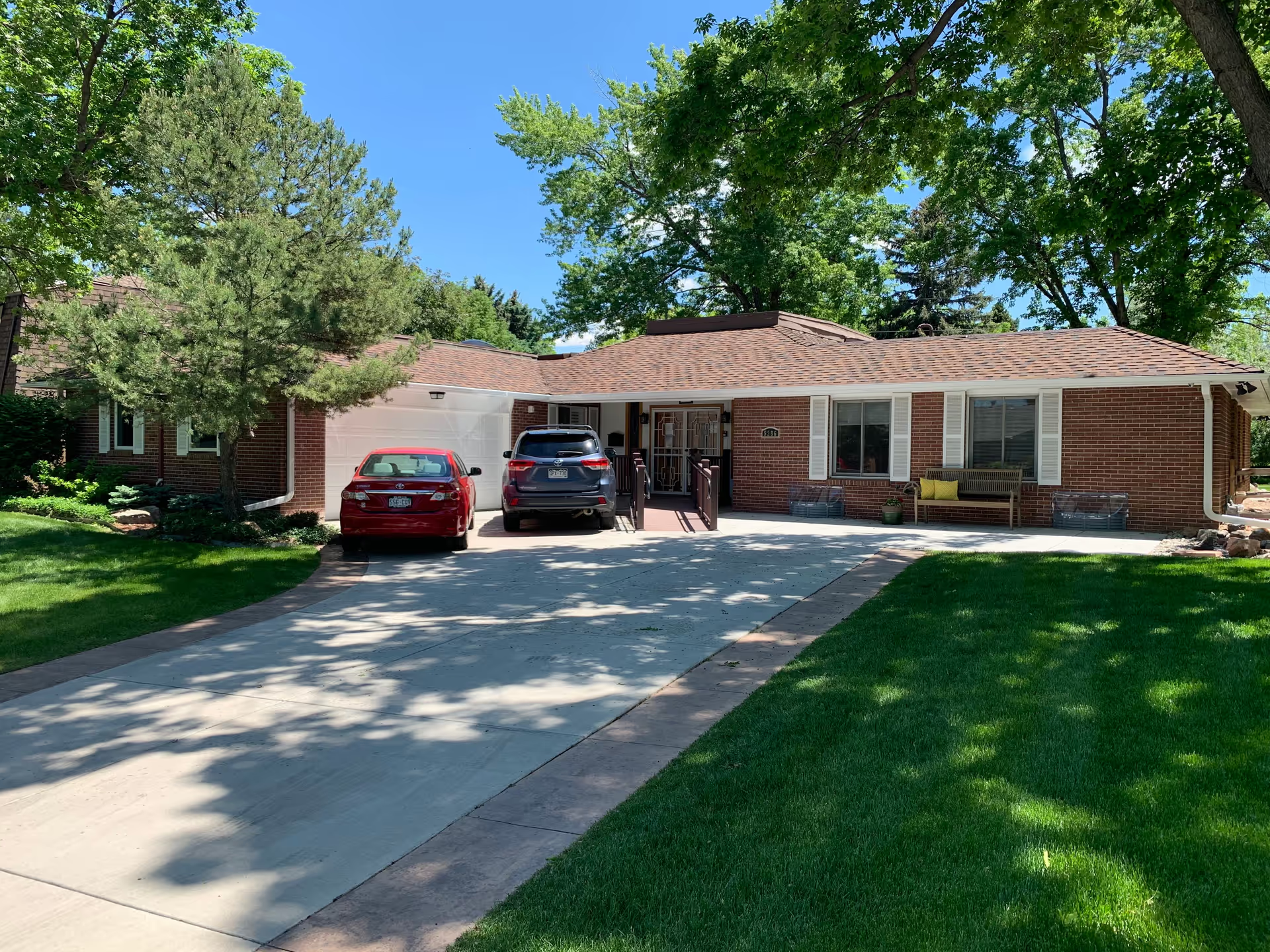
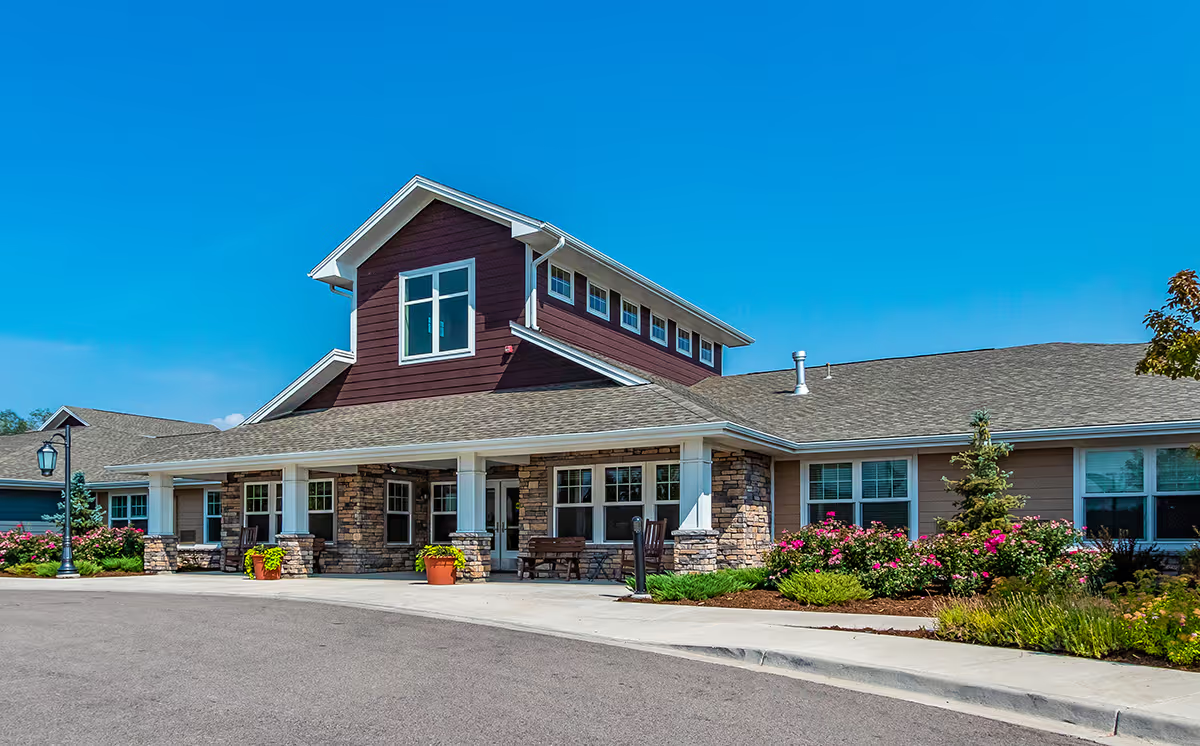
Overview Catharines Quality of Life Homes 5 presents a mixed picture. Several families described consistent interpersonal strengths: caregivers who are attentive, welcoming, and able to create a home-like, intimate atmosphere. The community emphasizes dementia care, with observable staffing coverage (two caregivers during daytime and one overnight) and large bedroom accommodations. The rural setting with gardening and animal-access opportunities is a distinguishing feature that some families found valuable for engagement and quality of life.
Care and staff Care quality appears to vary. Positive accounts highlight compassionate, helpful staff who make residents comfortable and approachable communication for families. At the same time, reviewers identified operational patterns that undermine continuity of care: staff rotation between buildings, inconsistent interpersonal tone among personnel, and gaps in dementia-focused training. These practices can be disruptive for residents with memory impairment; prospective families should verify staffing continuity, staff training credentials, and how the facility manages handoffs between caregivers.
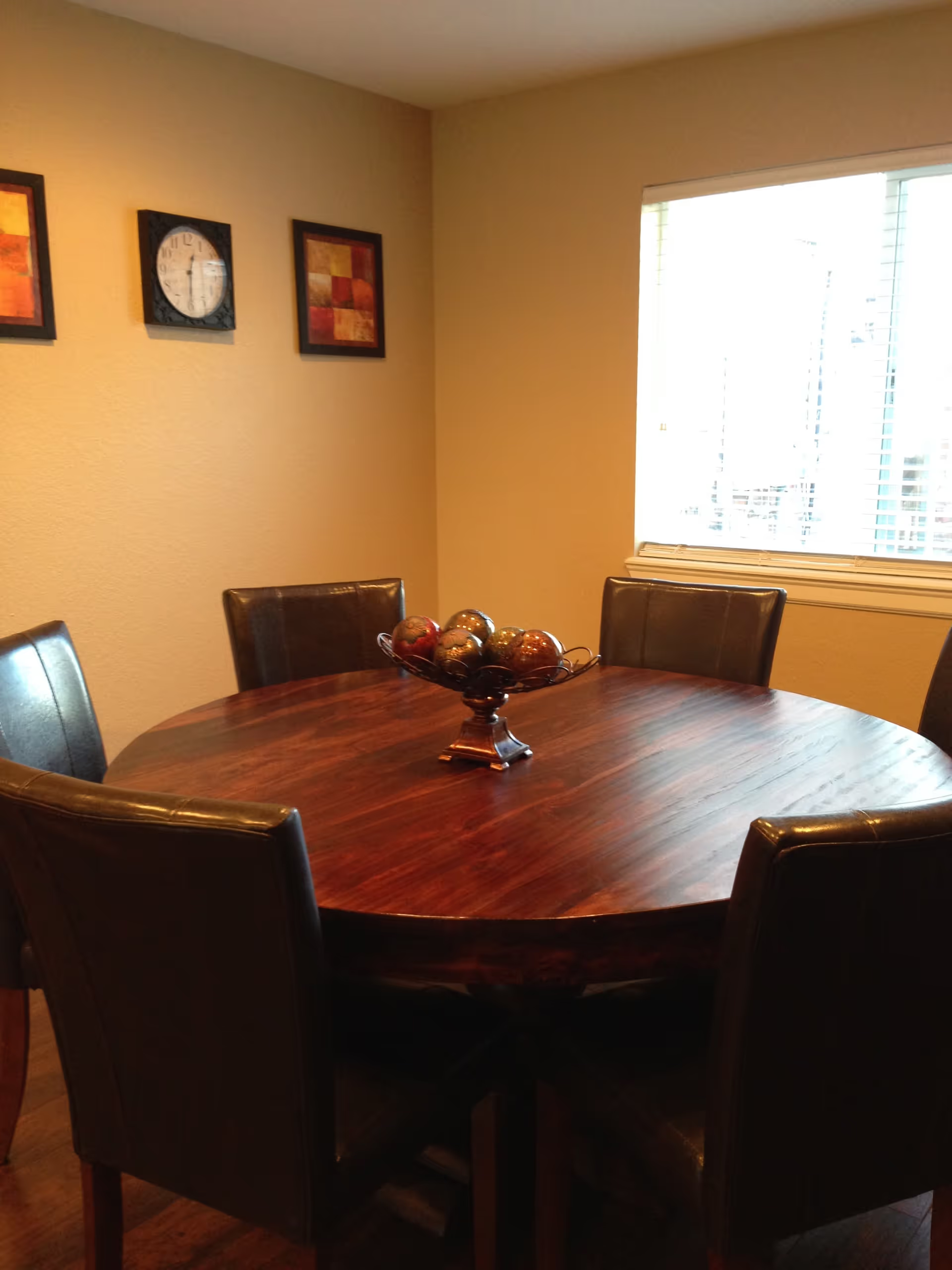
Dining and activities Dining was described positively by many families — meals were noted as pleasant with a reasonable variety. However, there are also comments that food availability is constrained by budgetary limits; this suggests variability in meal-service continuity under certain conditions. Activity offerings include gardening and interaction with animals, which fit the rural/residential model, but some families perceived the overall activity program as limited. Ask for a current activity calendar and sample menus to evaluate whether programming and nutrition match a prospective resident’s needs.
Facilities and sanitation The community presents several physical strengths: large bedrooms, an intimate residential layout, and generally clean common areas. At the same time, there are intermittent concerns about room-level cleaning and sanitation attention. These are operational issues rather than single incidents, so families should request the housekeeping schedule, inspect private-room maintenance during a visit, and ask how the facility monitors cleanliness metrics.
Management and notable patterns A recurring theme in negative comments is a perception that management prioritizes financial considerations and can be slow or unresponsive to family concerns. That perception is paired with staffing practices (rotation across units) and reported limitations tied to budget. For families evaluating this community, important due-diligence items include reviewing staffing ratios and turnover data, asking about dementia-specific training and supervision, clarifying meal-budget policies, and documenting the process for raising and resolving concerns.
Recommendation for prospective families Balance the community’s strengths — dementia focus, caregivers who many families find comforting, large rooms, rural activities, and transparent pricing — against operational drawbacks related to staffing consistency, training, cleaning routines, and management responsiveness. During a visit, observe staff–resident interactions, review training records, inspect a private room for cleanliness, sample a meal, and request written policies on staffing continuity, activity programming, and how families are notified about issues. These checks will help determine whether the facility’s environment and operational practices fit a prospective resident’s clinical and social needs.