Reviewer feedback for this facility is notably polarized: a number of families praise warm, family‑style care, strong rehabilitation outcomes, and a pleasant physical environment, while other accounts describe systemic operational weaknesses that affected clinical outcomes and daily comfort.
Care quality appears mixed. Several families highlighted effective rehabilitation (PT/OT/SLP) and attentive nursing in specific units, and some long‑term residents receive stable, competent care. At the same time, there are repeated concerns about medication administration lapses, delays in clinical follow‑up, and insufficient monitoring that some families link to hospital readmissions or clinical decline. Incontinence‑care delays and related odor concerns in resident rooms were raised as ongoing issues by some reviewers. Memory‑care performance is uneven: one unit is described as knowledgeable and secure, while other comments point to inadequate dementia‑specific approaches and staff training.
Staffing and staff behavior emerge as central themes. Many reviewers describe direct‑care employees as compassionate, friendly, and family‑oriented; several praised individual nurses and aides for going the extra mile. However, chronic understaffing, frequent use of temporary/travel staff, and high turnover contribute to inconsistent continuity of care. Families also described limited staff engagement during visits, slow response to call lights, and occasional prioritization of documentation tasks over bedside time. There are reports of role confusion, with social‑work functions sometimes handled informally by aides, which can complicate care coordination.
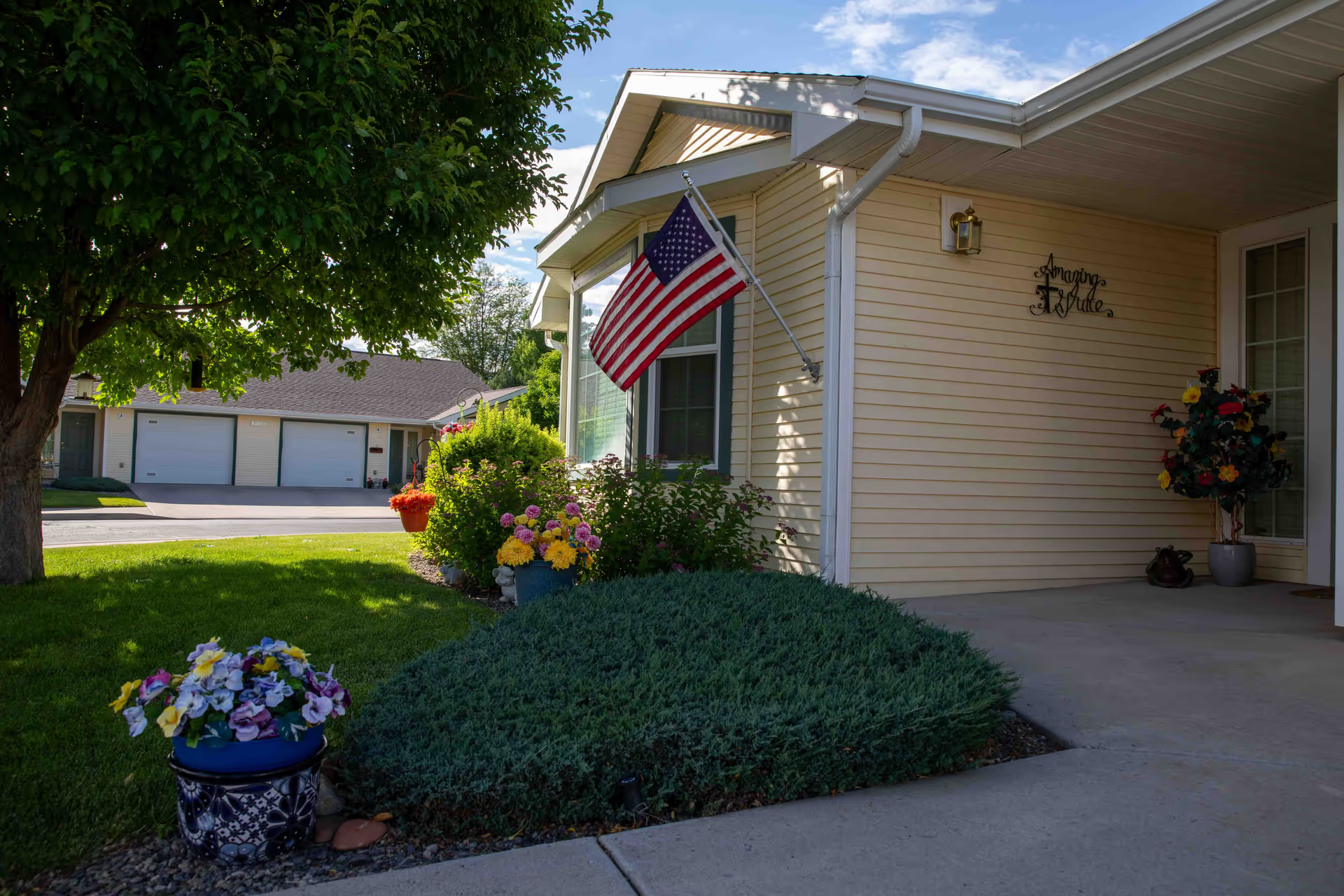
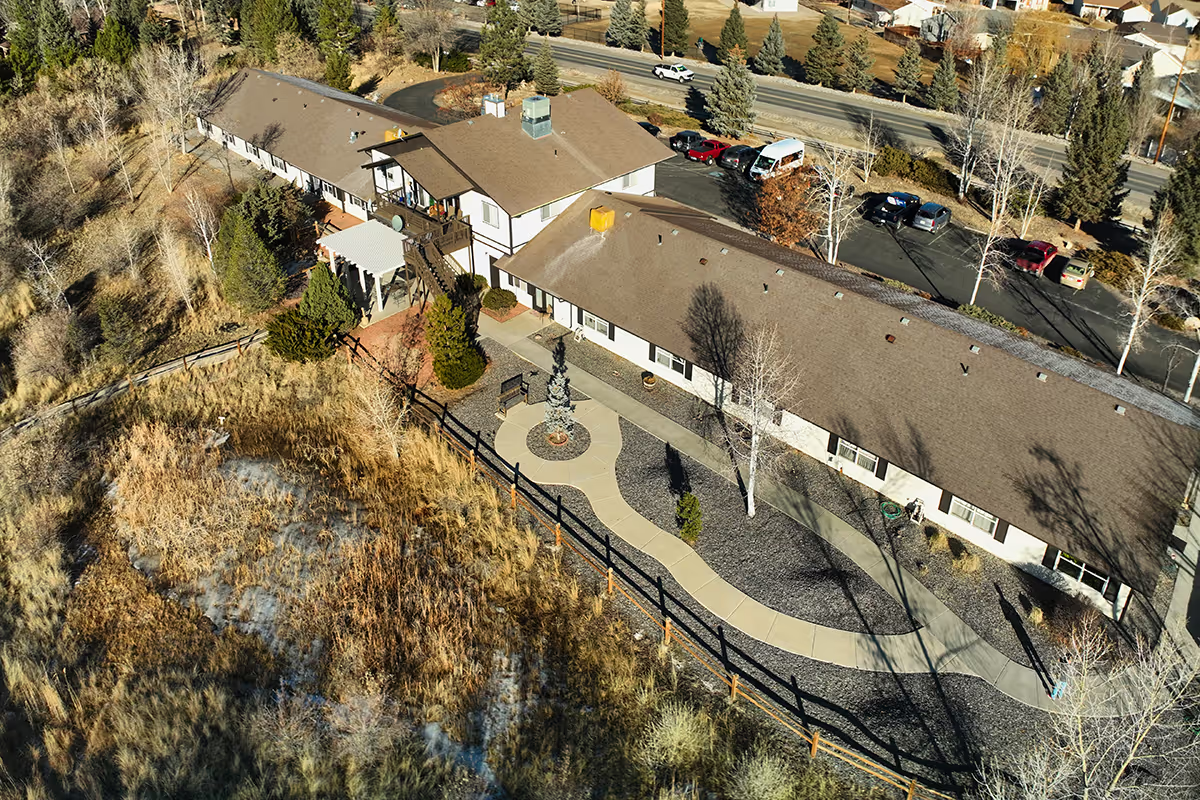
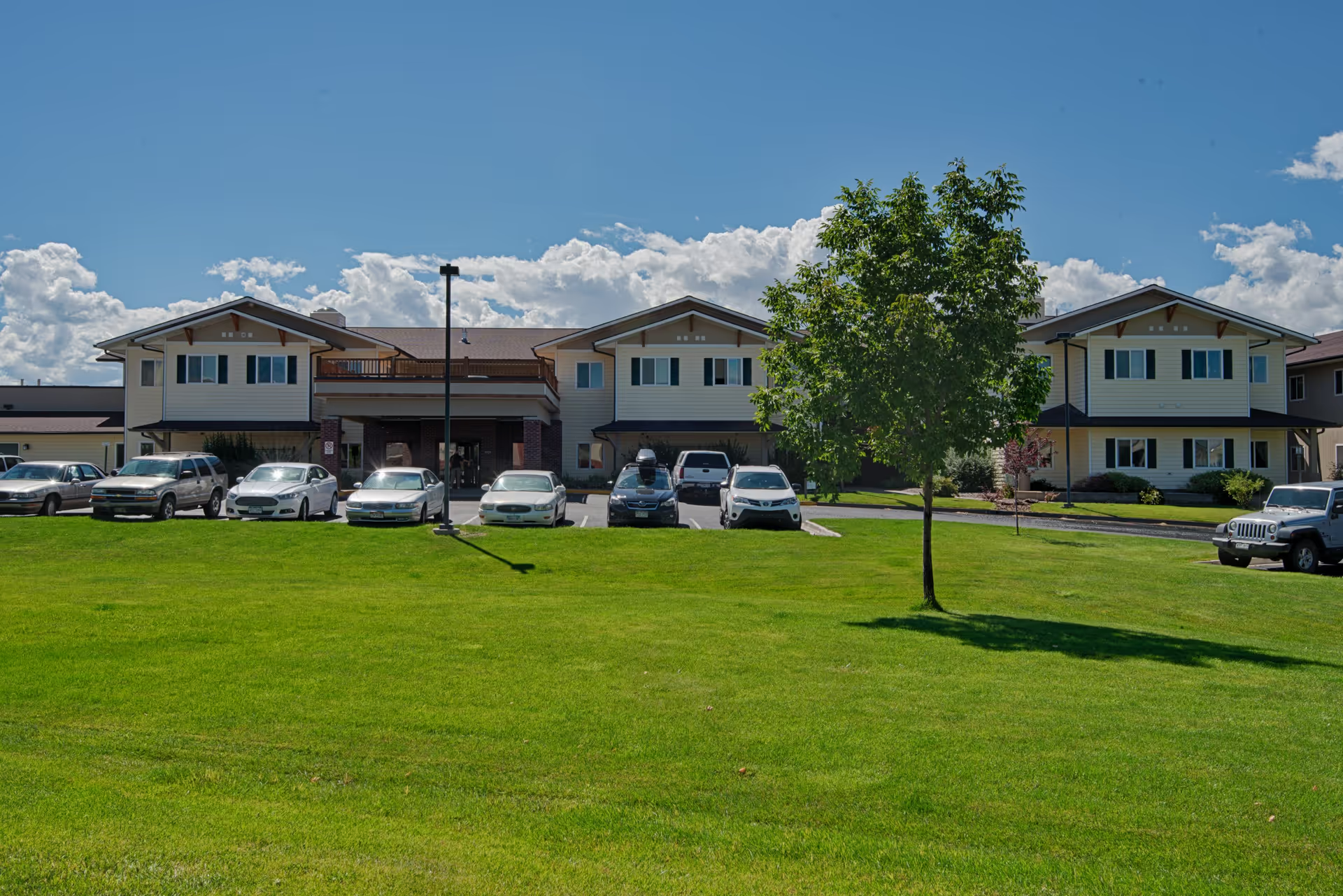
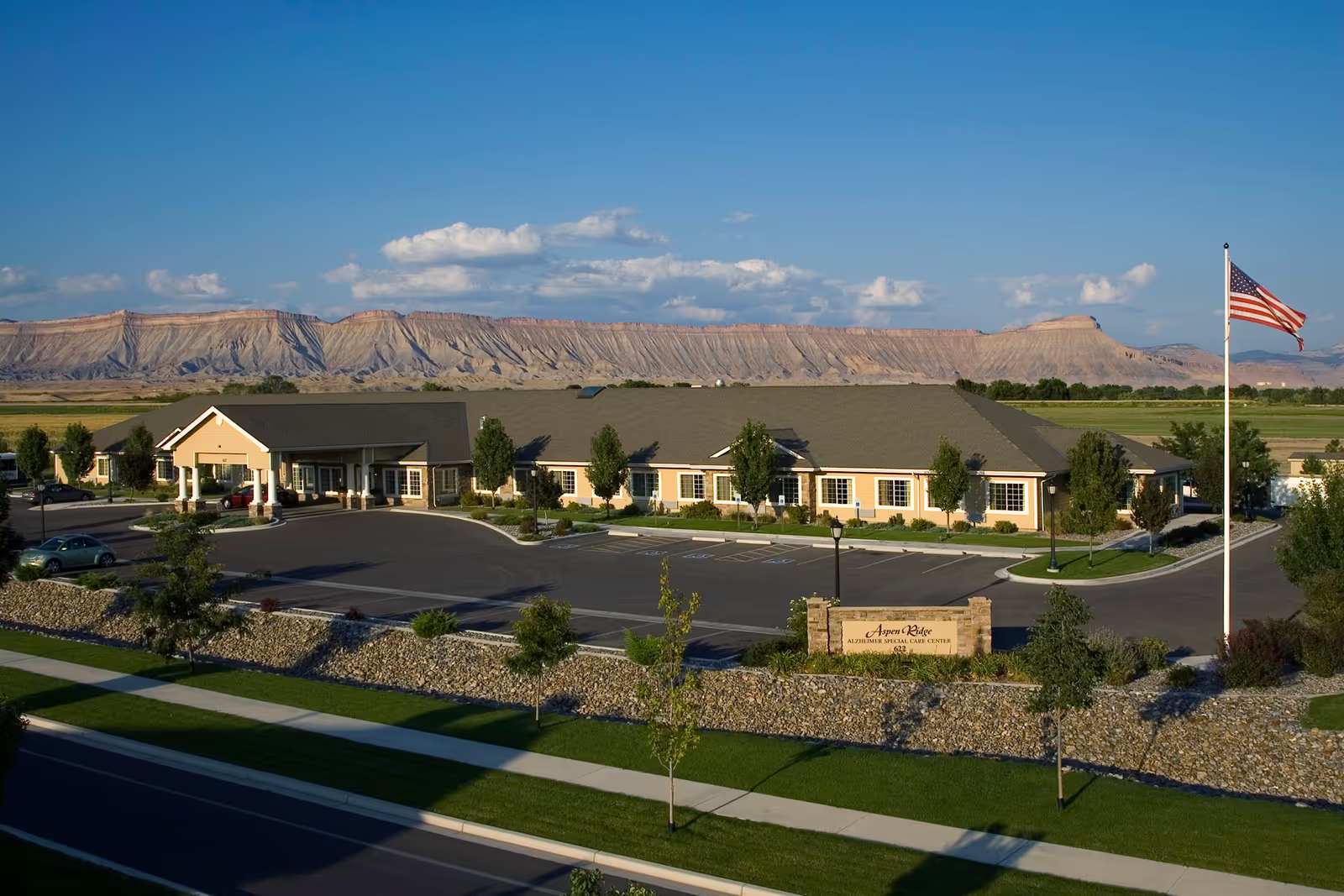
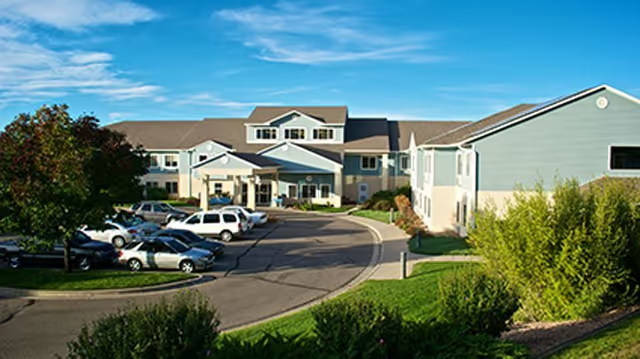
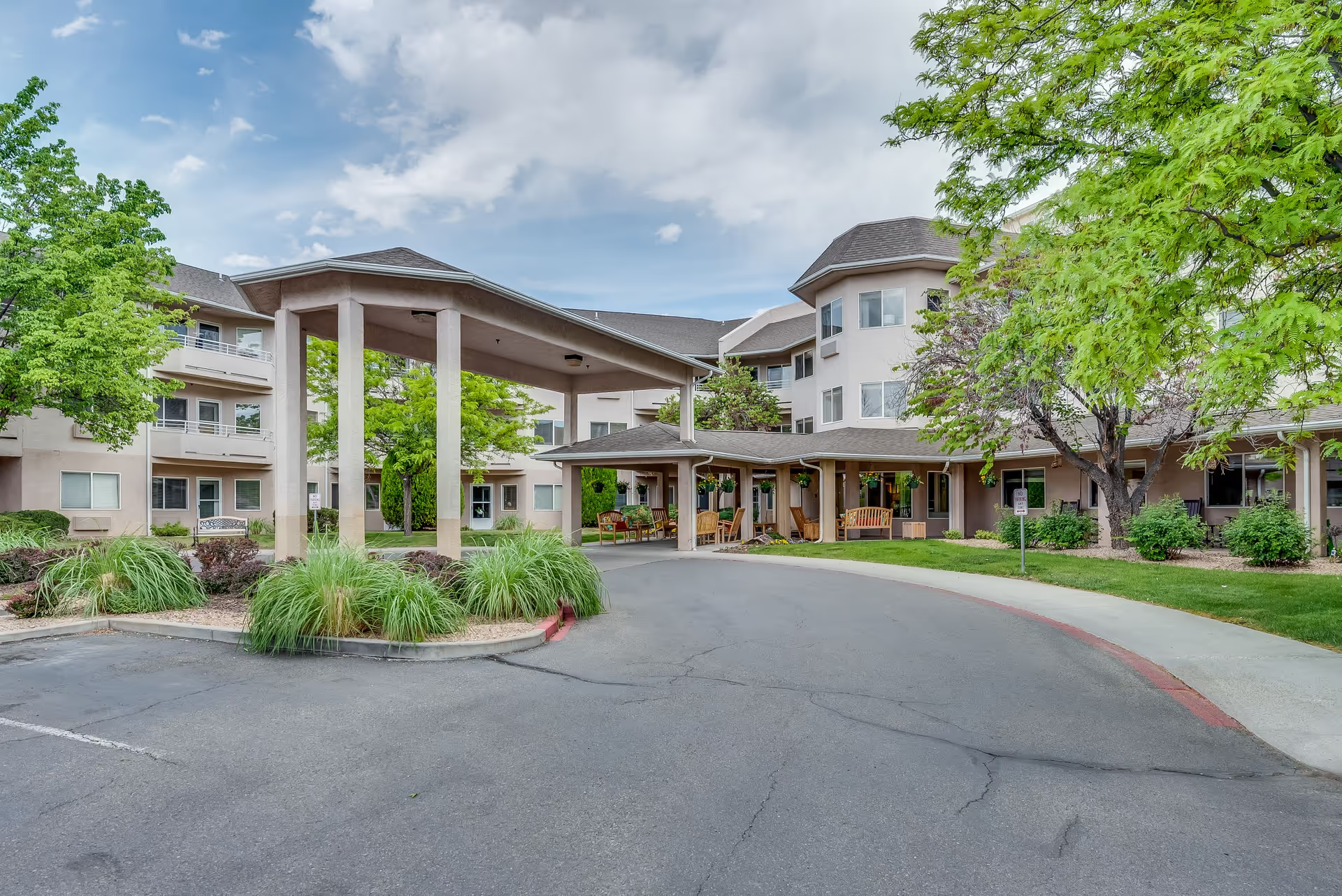
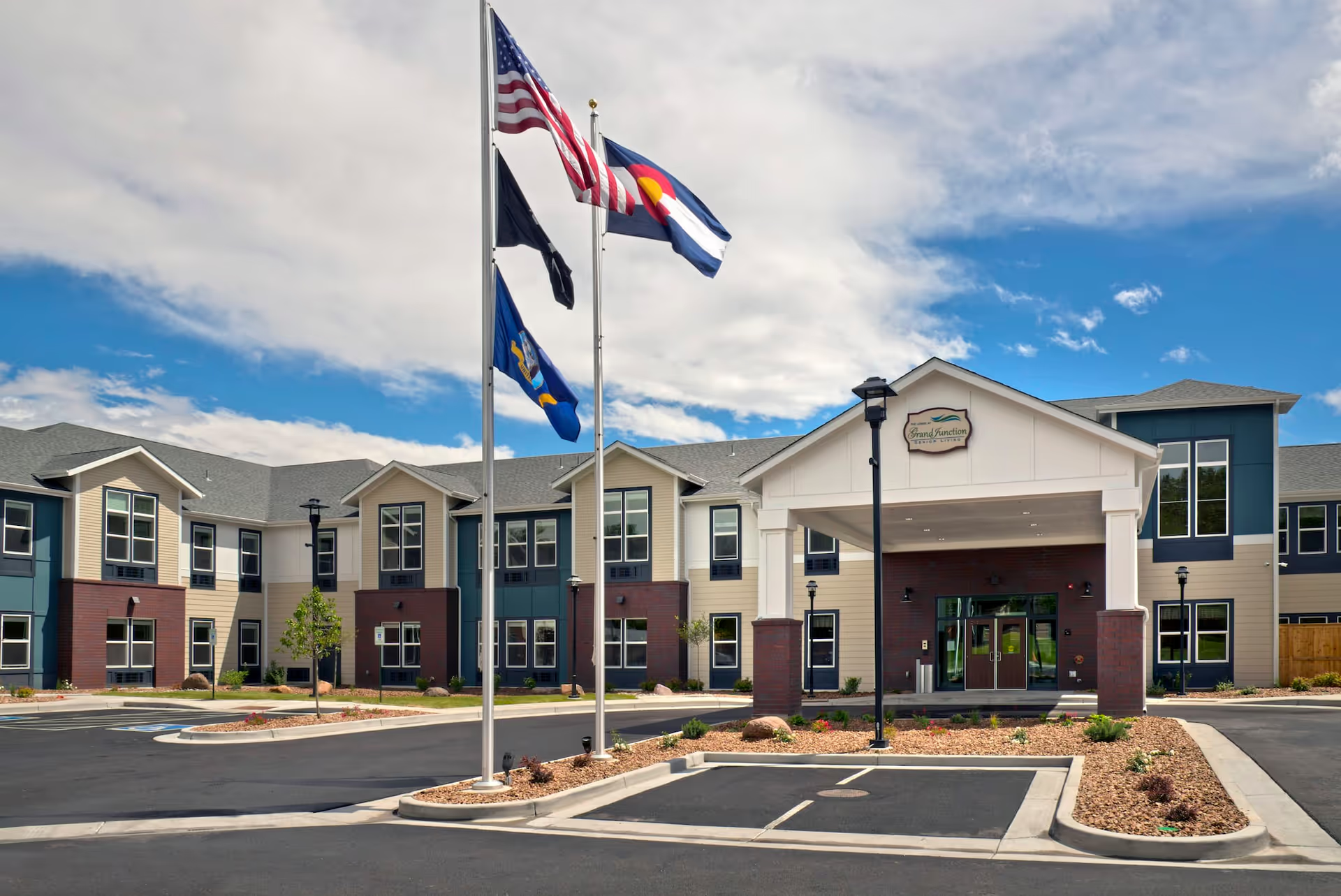
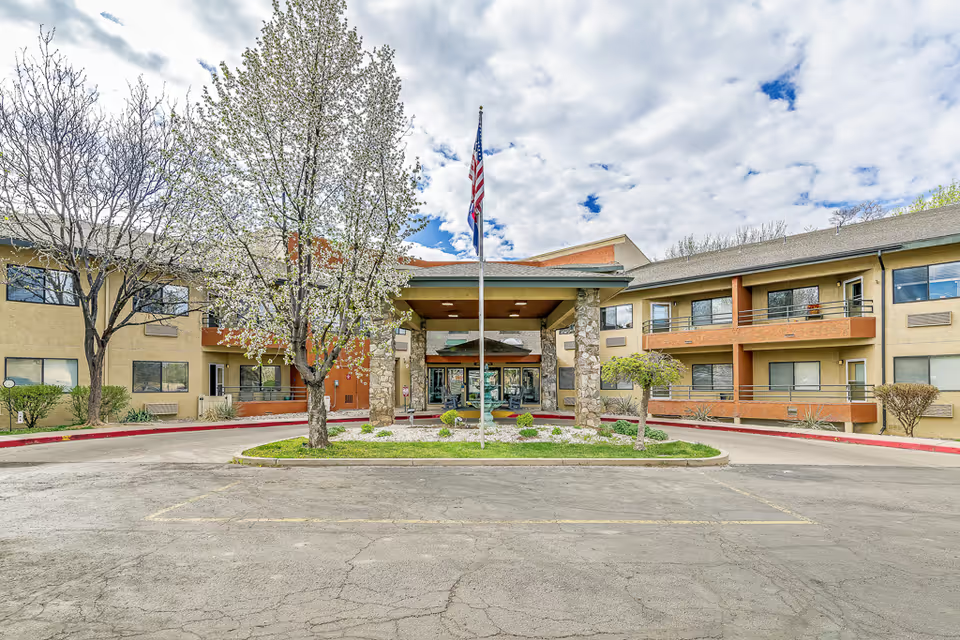
Dining, activities, and the physical plant receive largely positive remarks alongside some caveats. Numerous reviewers praised the home‑cooked meals and a well‑maintained courtyard and common areas; accessibility features and spacious bathrooms were noted positively. A robust activities program and organized outings were described by families who found the environment engaging. Conversely, other families characterized dining as cafeteria‑style and inconsistent in quality, and some units were described as noisy or chaotic, which can be disruptive for residents with cognitive impairment.
Management and communication show a pattern of mixed performance. Positive experiences include accommodating policies, thoughtful celebrations, and helpful admission support during difficult times. Negative patterns include unmet administrative promises, delayed or unclear communication about care plans, and difficulties coordinating transitions with hospitals or external providers. A small number of serious, individual complaints — including concerns following a resident's hospitalization and death — indicate that prospective families should probe clinical oversight and escalation pathways carefully.
Taken together, the facility offers clear strengths in rehabilitation, compassionate staff relationships, and a pleasant physical environment for many residents. However, the consistency of those strengths appears tied to unit staffing and leadership; operational weaknesses such as understaffing, inconsistent training, medication and incontinence‑care lapses, and communication gaps have produced significant negative experiences for some families. Prospective residents and families should tour the specific unit they would occupy, ask for current staffing ratios and agency‑staff use, review medication‑administration and escalation protocols, inquire about dementia‑care training and activities, and request examples of how the facility handles hospital transitions and family communication.