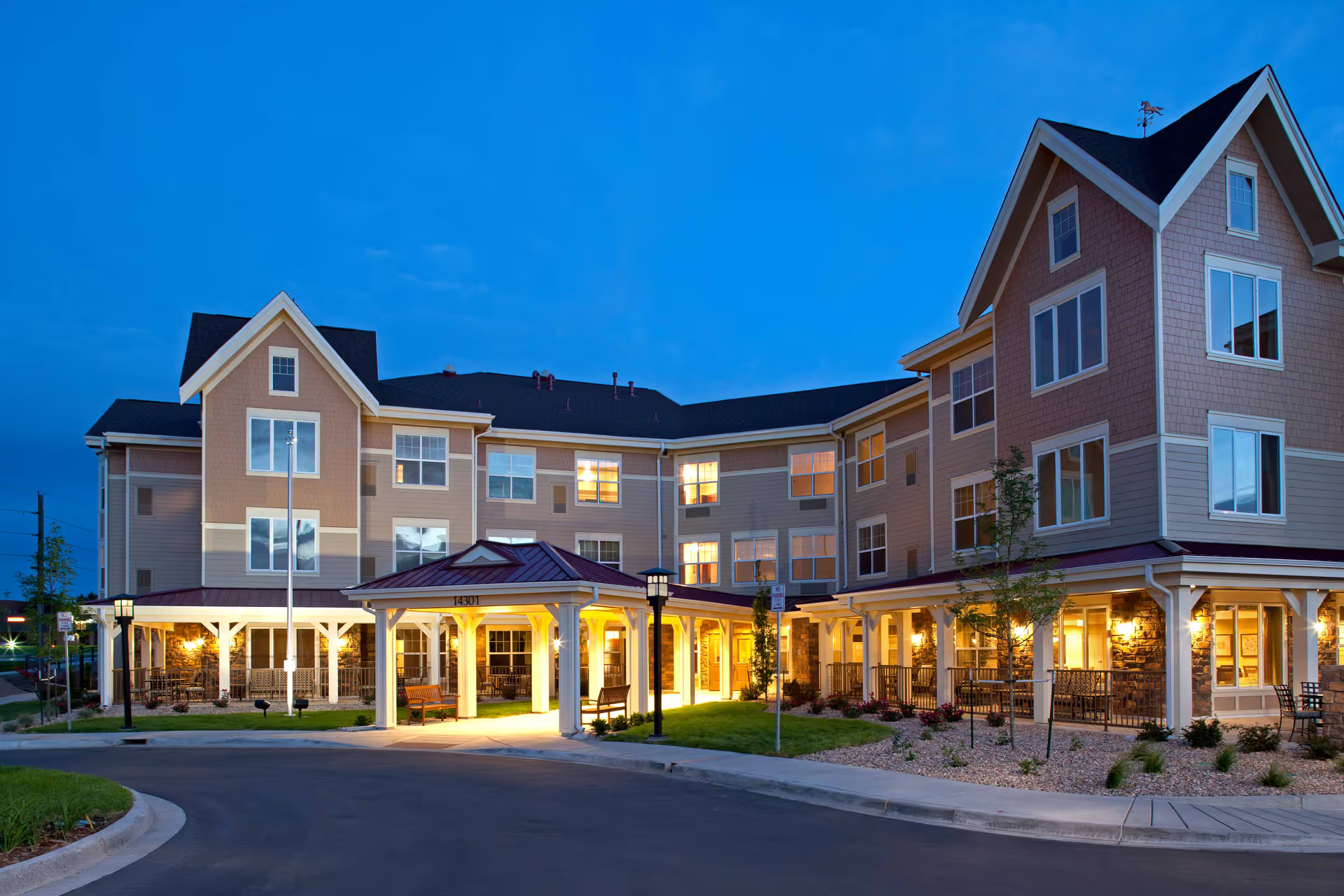
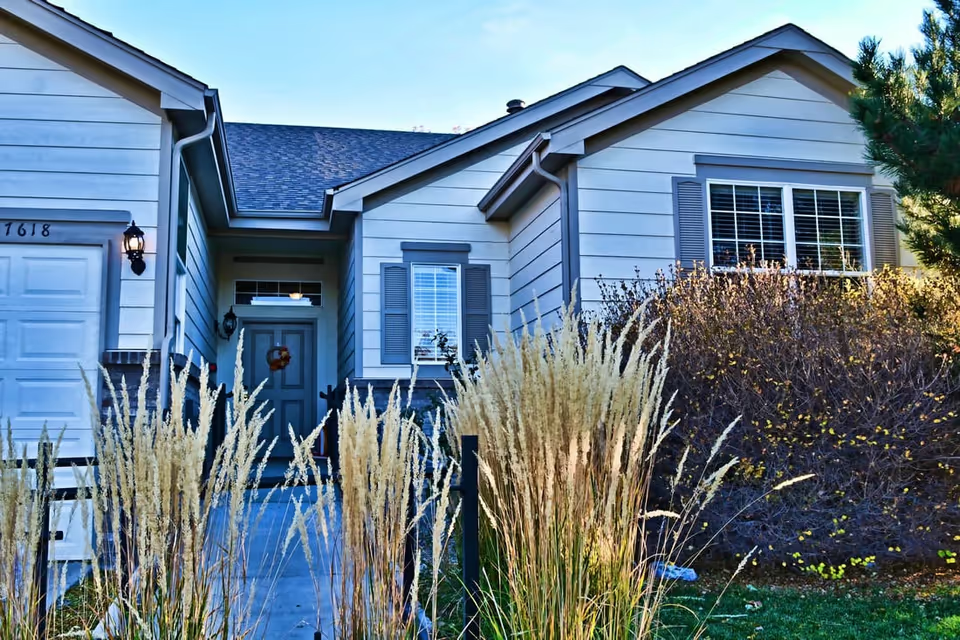
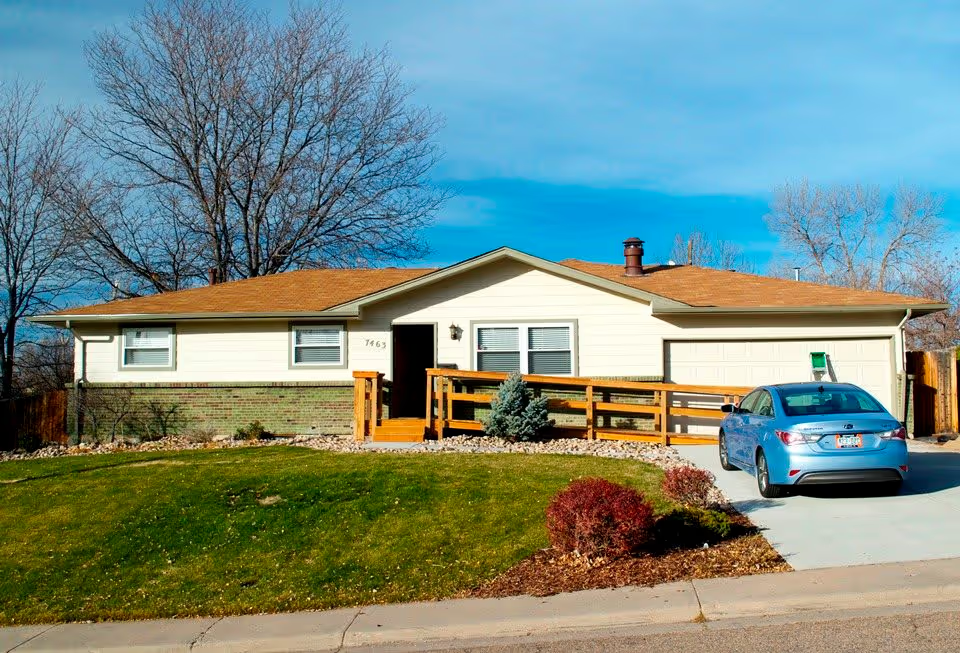
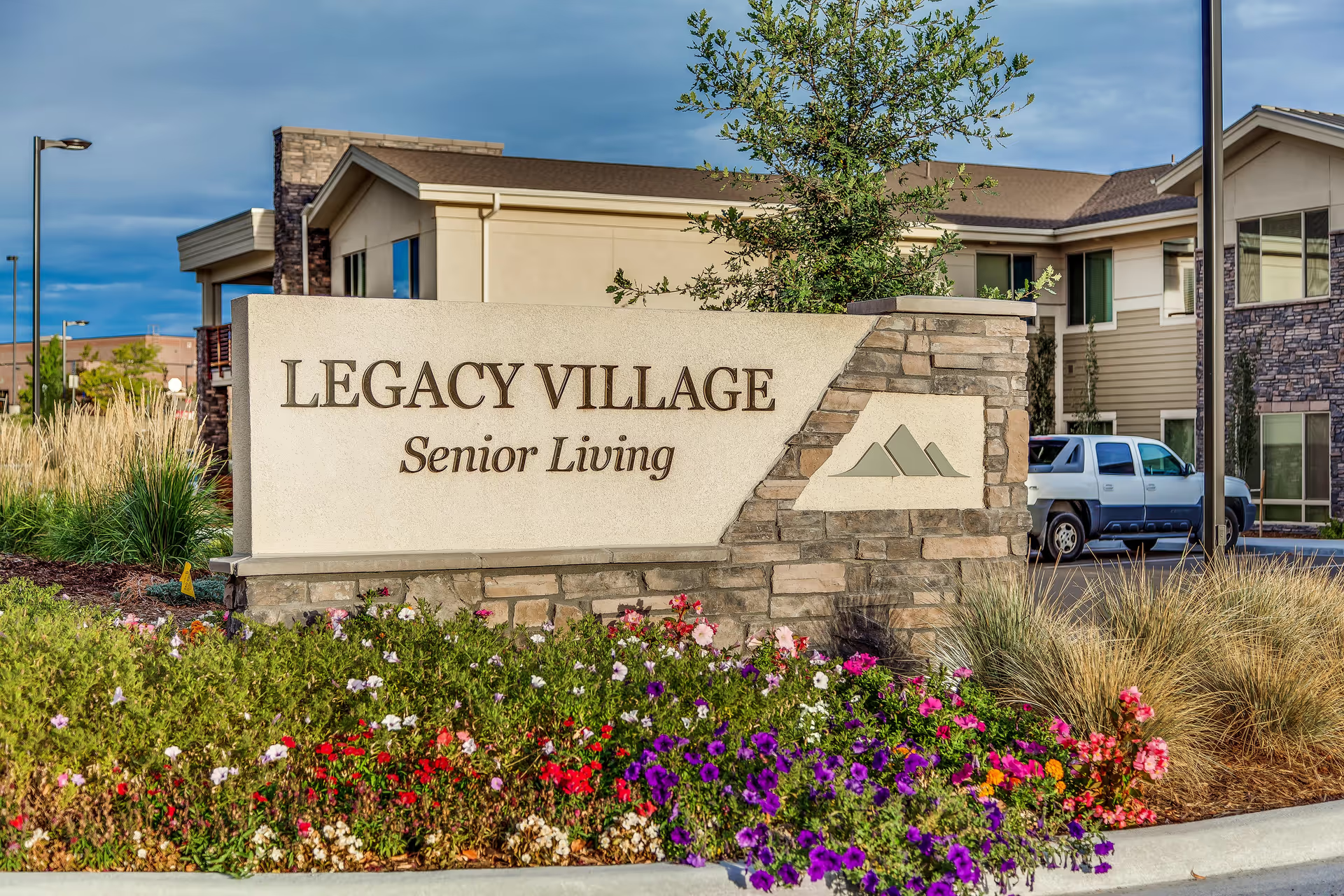
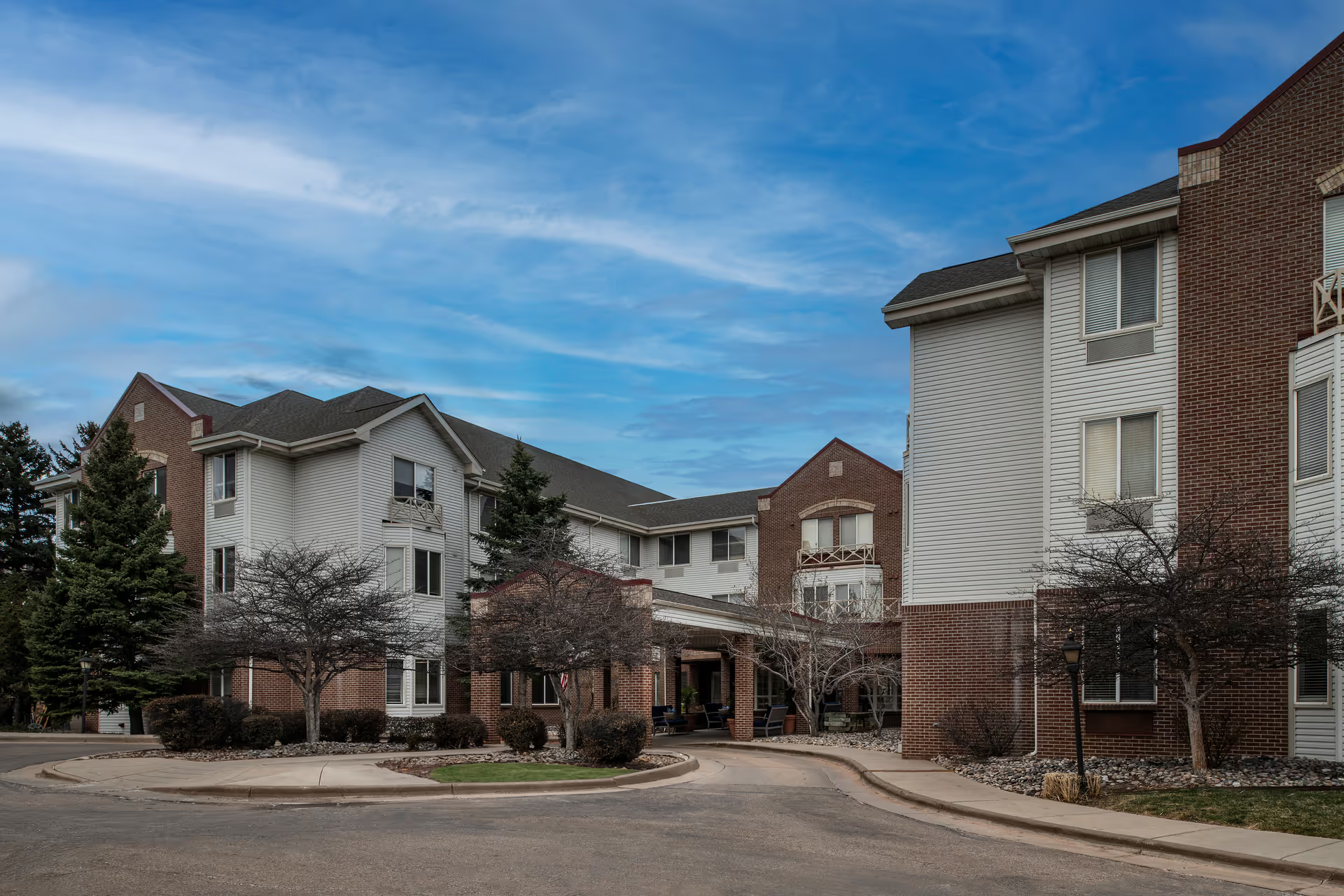
Lincoln Meadows presents as a modern, amenity-rich senior living community with strong strengths in independent-living offerings and communal life. Reviewers consistently praised the facility's presentation: clean, contemporary apartments across a range of floor plans, appealing common areas (library, theater, fitness center, salon), well-kept grounds and walking paths, and a generally hotel-like atmosphere. Move-in and transition support, as well as many on-site services such as physical therapy and rehabilitation, are frequently described as smooth and well-coordinated.
Staff performance is a clear mixed pattern. Many families and residents describe caregivers, activity staff, and front-line employees as compassionate, familiar with residents by name, and attentive — attributes that support strong social engagement and perceived resident well-being. The activities program and outings (exercise classes, movie nights, church runs, local trips) are frequently cited as robust and well-run, contributing to an active community life. Conversely, recurring concerns relate to staffing stability: high turnover, occasional understaffing and uneven weekend coverage that appear to affect continuity of care and responsiveness.
Dining is another polarized area. The community's restaurant-style dining and varied menus earn high marks from numerous residents, with praise for presentation and portioning, and some families note improvements with a new chef. At the same time, there are persistent complaints about inconsistent meal quality, cold or undercooked items, portion variability, and long wait times tied to dining-staff shortages. These inconsistencies extend to meal delivery and room-service requests for ill residents, where some families experienced billing and service disagreements.
Clinical and safety-related themes warrant careful attention. Several reviews describe lapses in medication administration, delayed or missed deliveries of essential clinical supplies (including oxygen), and concerns about timeliness of response to clinical changes. There are also comments indicating gaps in infection-control practices and outbreak response. While many reviewers compliment nursing and memory-care staff, these clinical inconsistencies — combined with staffing turnover — generate uneven experiences across assisted-living and memory-care levels. Additionally, there are serious individual allegations, including claims of theft and billing improprieties, and some families expressed concern about leadership communication following critical incidents; these points underscore the need for strong oversight and transparent family communication.
Operational and management patterns are mixed. Several families praise specific leaders and the executive team for responsiveness, while others describe inconsistent communication, professionalism issues at the front desk or marketing interactions, and billing errors (late fees, charges for unused services). Maintenance complaints are generally pragmatic: occasional unresolved repairs (laundry/dryer problems), noise issues (airplane and plumbing noise), and locked-door usability. Price and perceived value are recurring considerations; some residents feel the cost is reasonable relative to amenities, while others question value when service quality is inconsistent.
Overall, Lincoln Meadows appears to be a well-appointed community that delivers strong social programming, attractive spaces, and many caring staff members. Prospective residents and families should weigh those strengths against documented operational weaknesses: variability in clinical care and medication processes, staffing stability, dining consistency, and management communication. A recommended approach when considering this community is to meet clinical leadership, review medication- and emergency-response protocols, clarify billing practices, and discuss staffing continuity and recent staffing trends for the specific level of care being considered.