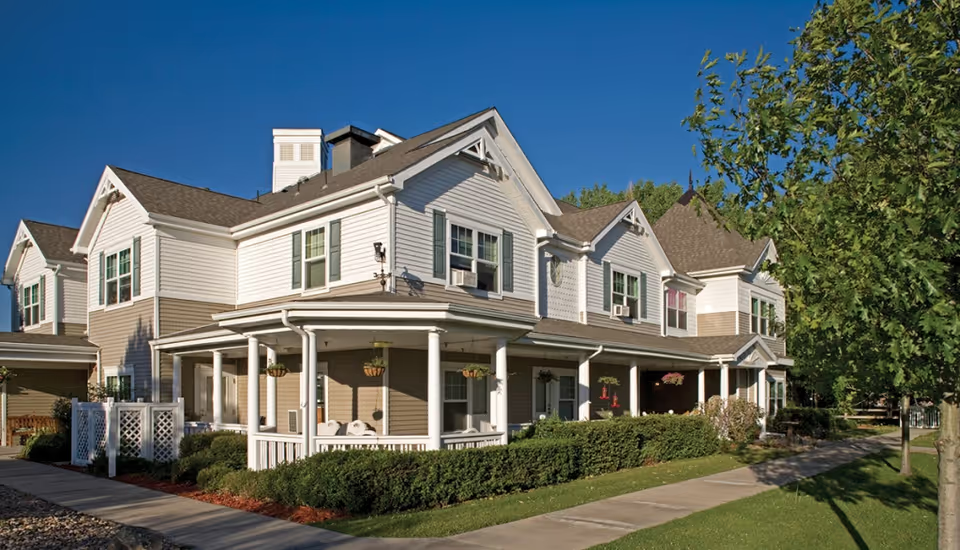
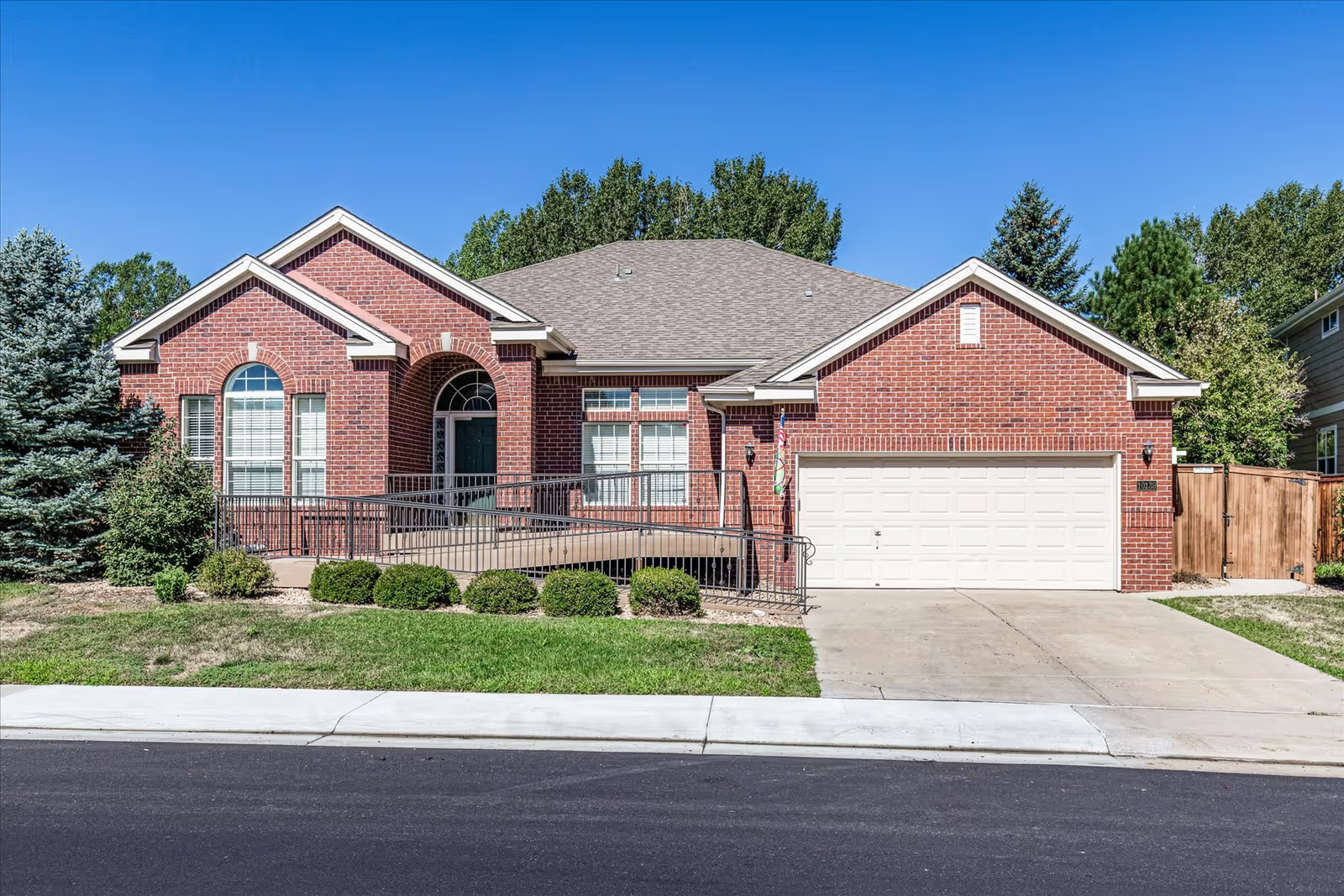
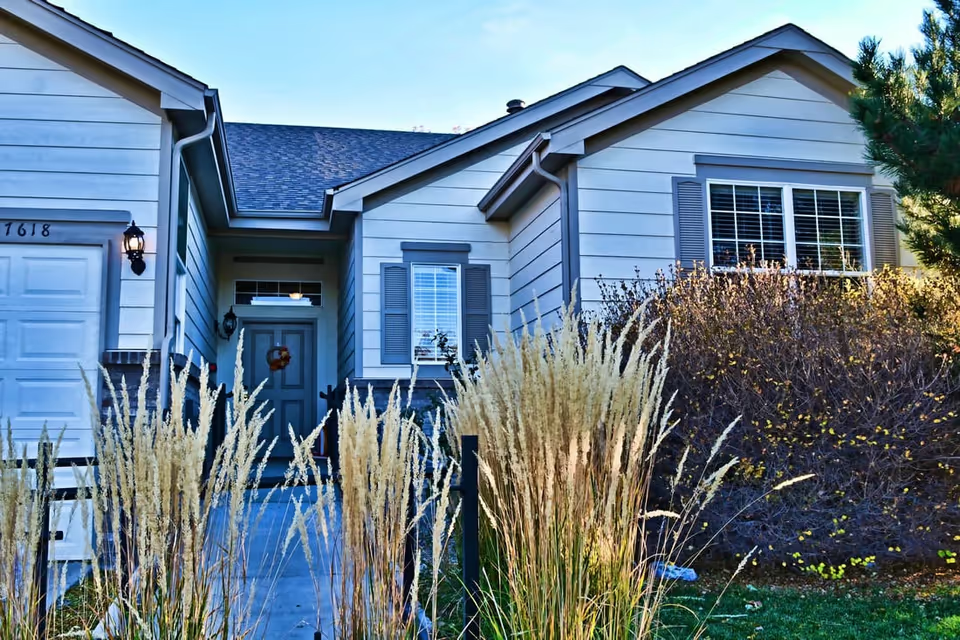
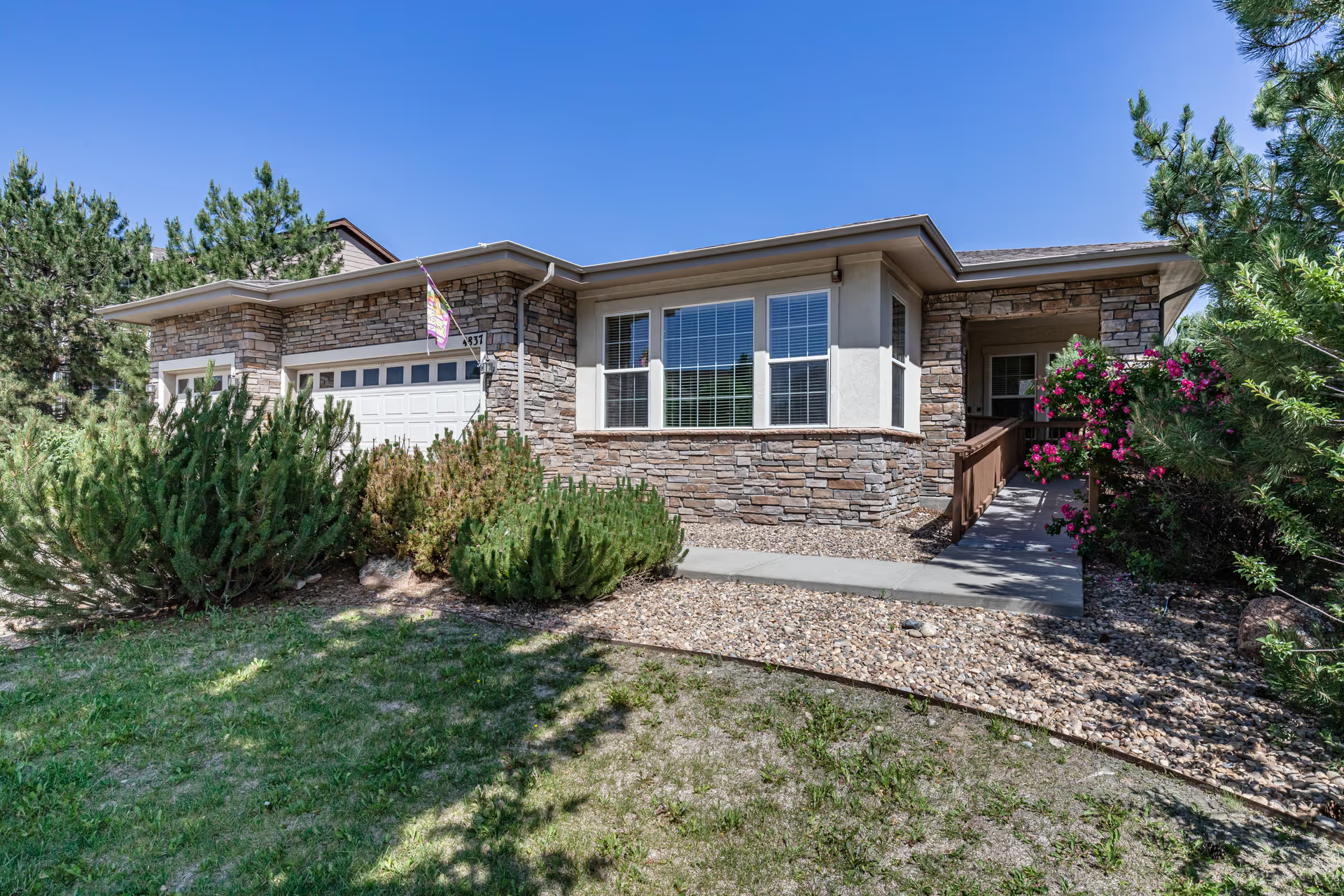
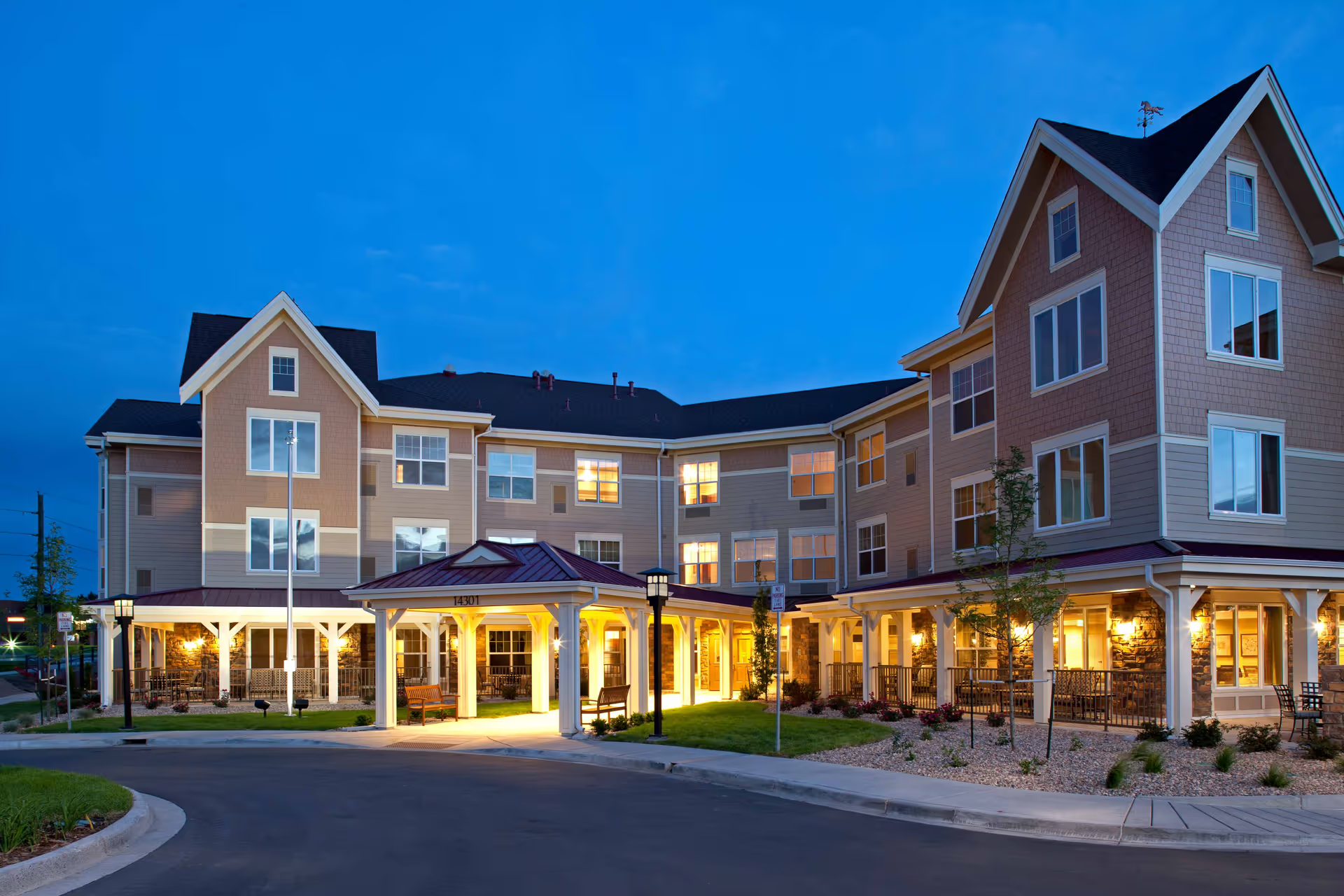
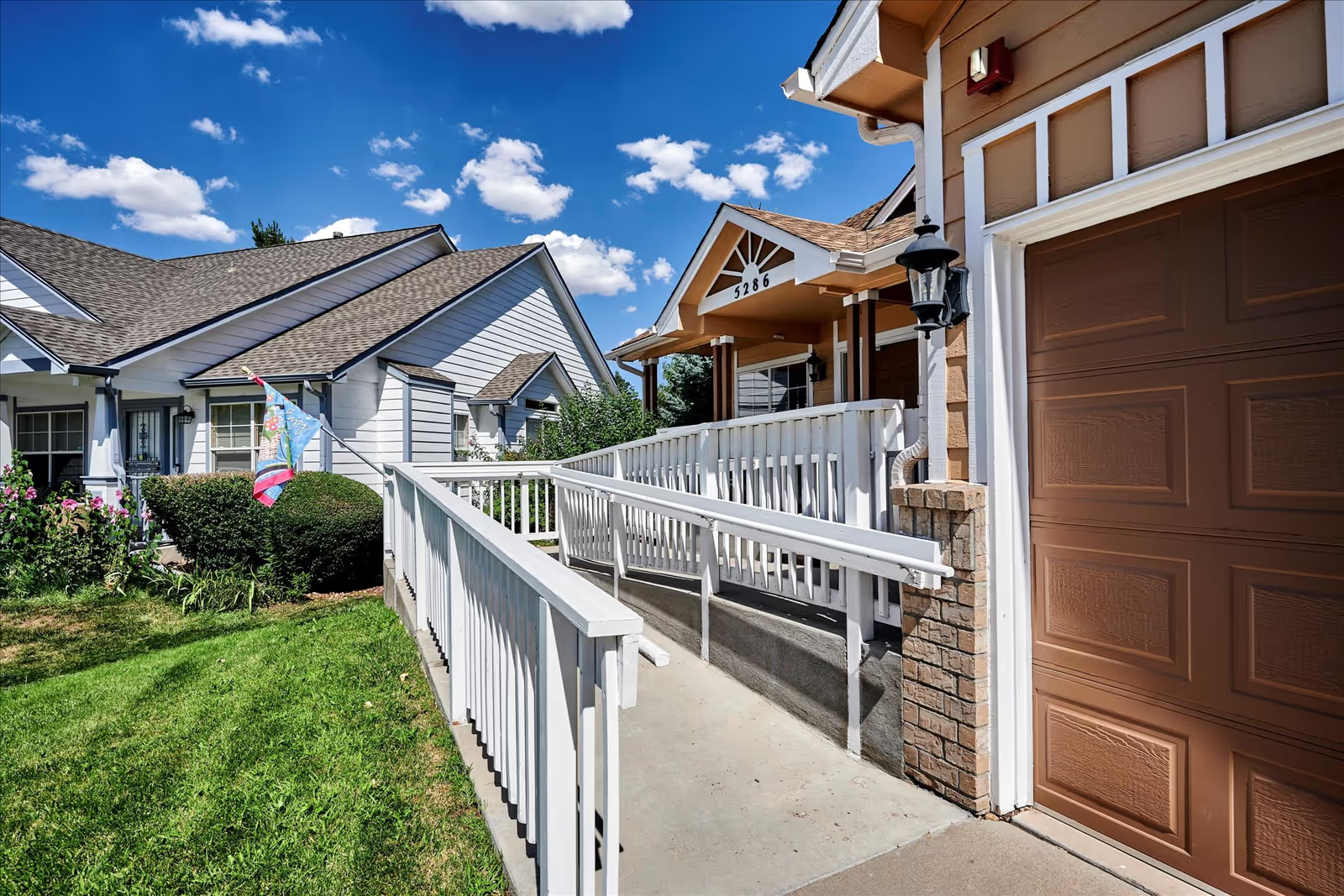
MorningStar Senior Living of Parker elicits a strongly mixed set of impressions. Many families and residents praise the community's physical environment and social offerings: the campus and common areas are frequently described as attractive and well-appointed, apartments are spacious and pet-friendly, and the overall atmosphere is often characterized as home-like or resort-like. On-site clinical resources such as nursing, primary-care access, and rehabilitation services, along with integrated hospice support, are cited as valuable strengths. Social programming is a prominent positive — frequent activities, outings, happy hours, exercise classes, and chapel or volunteer offerings support engagement across independent, assisted, and memory-care levels.
Staff behavior and culture are a clear focal point in reviews. Numerous accounts highlight compassionate, attentive caregivers and front-line staff who take time with residents, personalize dining preferences, and occasionally go above and beyond (for example, coming in off-duty to meet families). Those experiences generate strong recommendations and indicate pockets of high-quality, family-centered care. At the same time, there are recurrent concerns about understaffing and turnover that undermine consistency: families describe longer response times, variable resident supervision, and gaps when higher-acuity needs arise. These operational staffing patterns appear to be a principal driver of other clinical and service-related shortcomings.
Clinical care and safety present uneven results. Positive notes about on-site therapy and nursing coexist with reports of medication-management errors, delayed assessment or treatment following falls or infections, and inconsistent follow-up after clinical events. Memory-care safety and supervision are an explicit concern in several accounts, with descriptions of security and programming controls that require improvement. Taken together, these items suggest gaps in training, clinical protocols, and post-incident communication pathways rather than wholly absent clinical capability.
Dining and activities are important strengths but show variability. The dining program is often praised for presentation and variety in many meals, and for accommodating resident preferences when staff know them. Conversely, reviewers also note repetitive menu cycles, limited healthy or pescatarian options, and occasional failures to accommodate allergies or special diets. Activity volume and variety are generally good — some residents flourish with many offerings while others report being overwhelmed by activity schedules or find the mix between independent and assisted residents challenging for programming balance.
Facility operations and management responses show inconsistent performance. Positive accounts describe responsive executive-level staff, prompt maintenance, and polished community events. Negative accounts point to lapses in sanitation, pest-control, laundry handling, shower or drainage design issues, and missed or unreturned family communications including care conferences. Financial concerns recur as well: many families mention frequent fee increases or perceived mismatch between cost and the level of clinical care received. Overall, the pattern is one of a well-resourced physical environment and strong pockets of caregiving excellence, coupled with recurring operational weaknesses — chiefly staffing levels, clinical process consistency, cleanliness controls, and family communication.
Recommendation for prospective residents and families: evaluate the community in person (including memory-care units and assisted-living staffing ratios at different times of day), ask for documentation on clinical protocols (medication administration, fall assessment, wound care), review recent staffing and turnover metrics, and discuss specific dietary and sanitation expectations. For those whose needs are primarily independent or moderately assisted and who value social programming and amenities, MorningStar Parker can be a very positive choice. For higher-acuity needs or where consistent clinical follow-up and rapid emergency response are essential, families should confirm current staffing, clinical oversight, and remediation plans before moving forward.