Overall assessment: Feedback about Bridgeport Health Care Center is mixed. Families and observers describe committed licensed nursing staff and supportive ancillary teams alongside persistent operational and environmental issues. Strengths include nursing staff who are perceived as hardworking, a caring direct-care culture in parts of the facility, adequate supplies, an active activities program, and relatively spacious resident rooms and units. Several comments also express cautious optimism about improvement if new ownership or investment occurs.
Care quality and staffing: Clinical care impressions are variable. Licensed nurses receive praise for dedication and for efforts to keep residents engaged and comfortable. However, direct-care assistant availability and performance appear inconsistent; concerns include delayed responses to resident needs, limited visibility of CNAs during busy periods, and reports of on-duty behaviors that undermine supervision (personal phone use and resting in common areas). Extended or atypical shift patterns were noted and linked by reviewers to staff fatigue. There are also observations of gaps in clinical leadership and supervision, which reviewers associate with uneven care practices and unclear nurse-manager engagement.
Dining and housekeeping: Housekeeping and dietary staff are cited as supportive and effective. Reviewers indicate the kitchen provides meals and that housekeeping maintains a baseline of service. At the same time, there are environmental-service shortcomings tied to maintenance and sanitation that affect perception of dining and common areas; these are operational issues rather than assessments of meal quality per se.
Activities and atmosphere: Activity programming and staff efforts to maintain resident morale are frequently mentioned as positives; staff-organized activities reportedly help keep residents engaged. Despite programming, the overall facility atmosphere is described by some as sterile, institutional, or dated; reviewers indicate the physical environment could benefit from updates to make it feel warmer and more inviting.
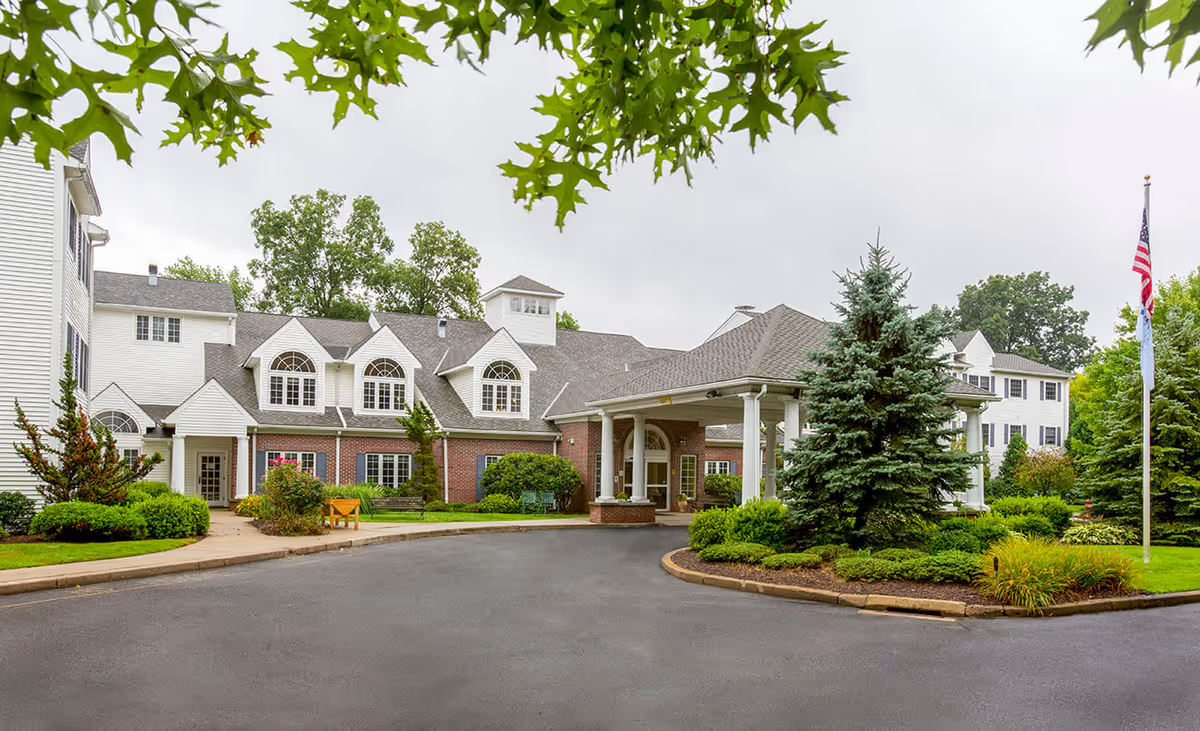
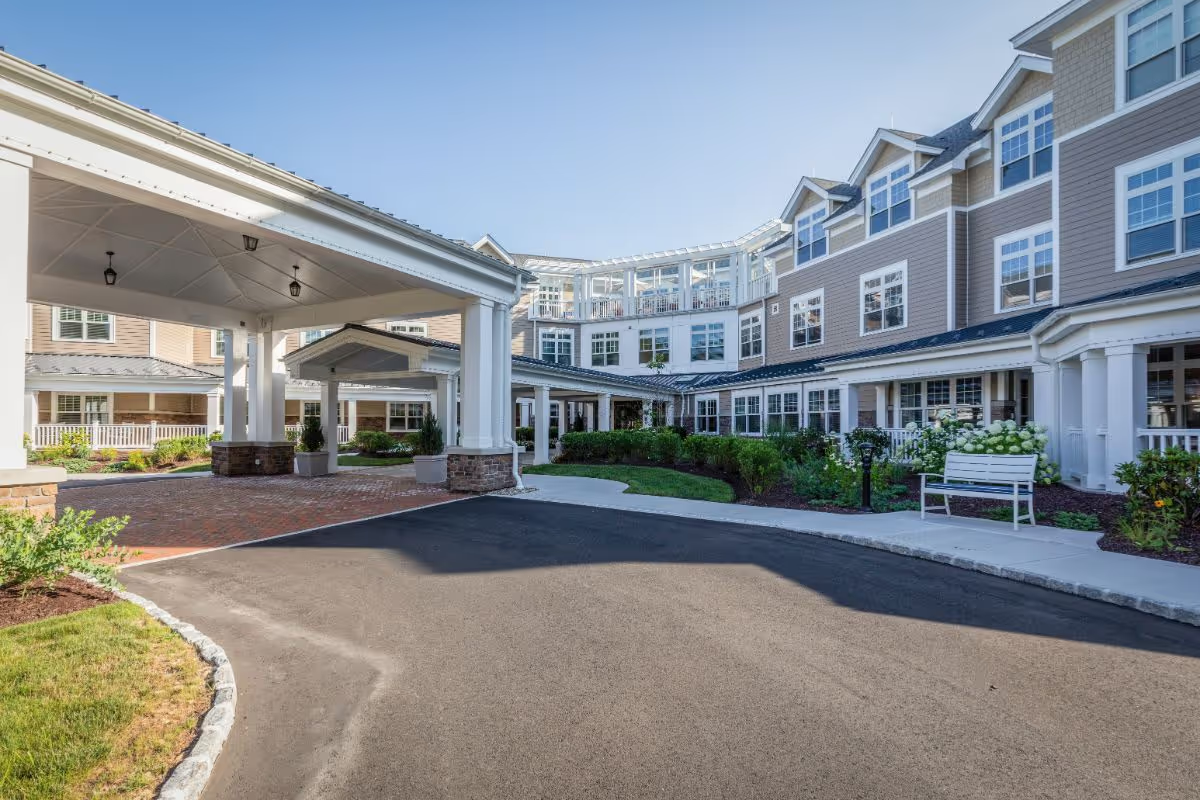
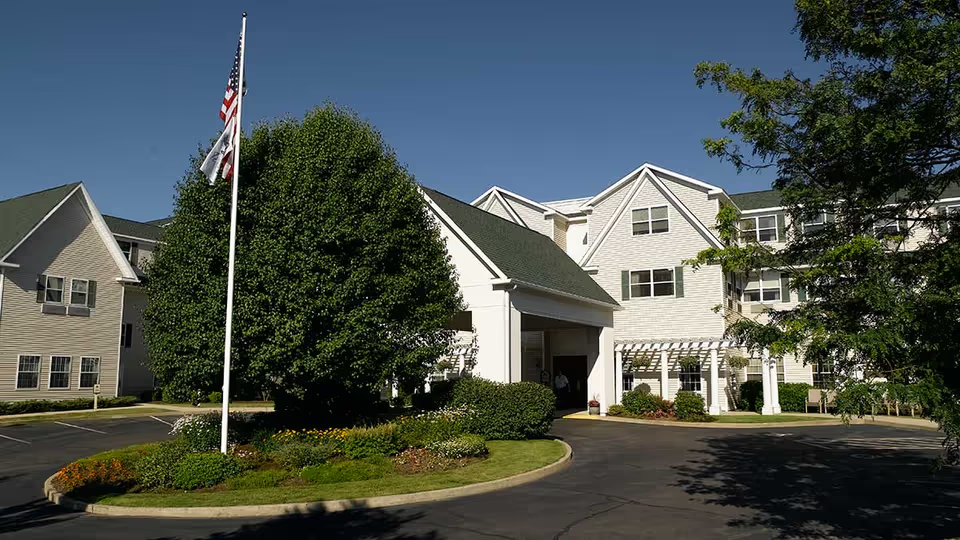
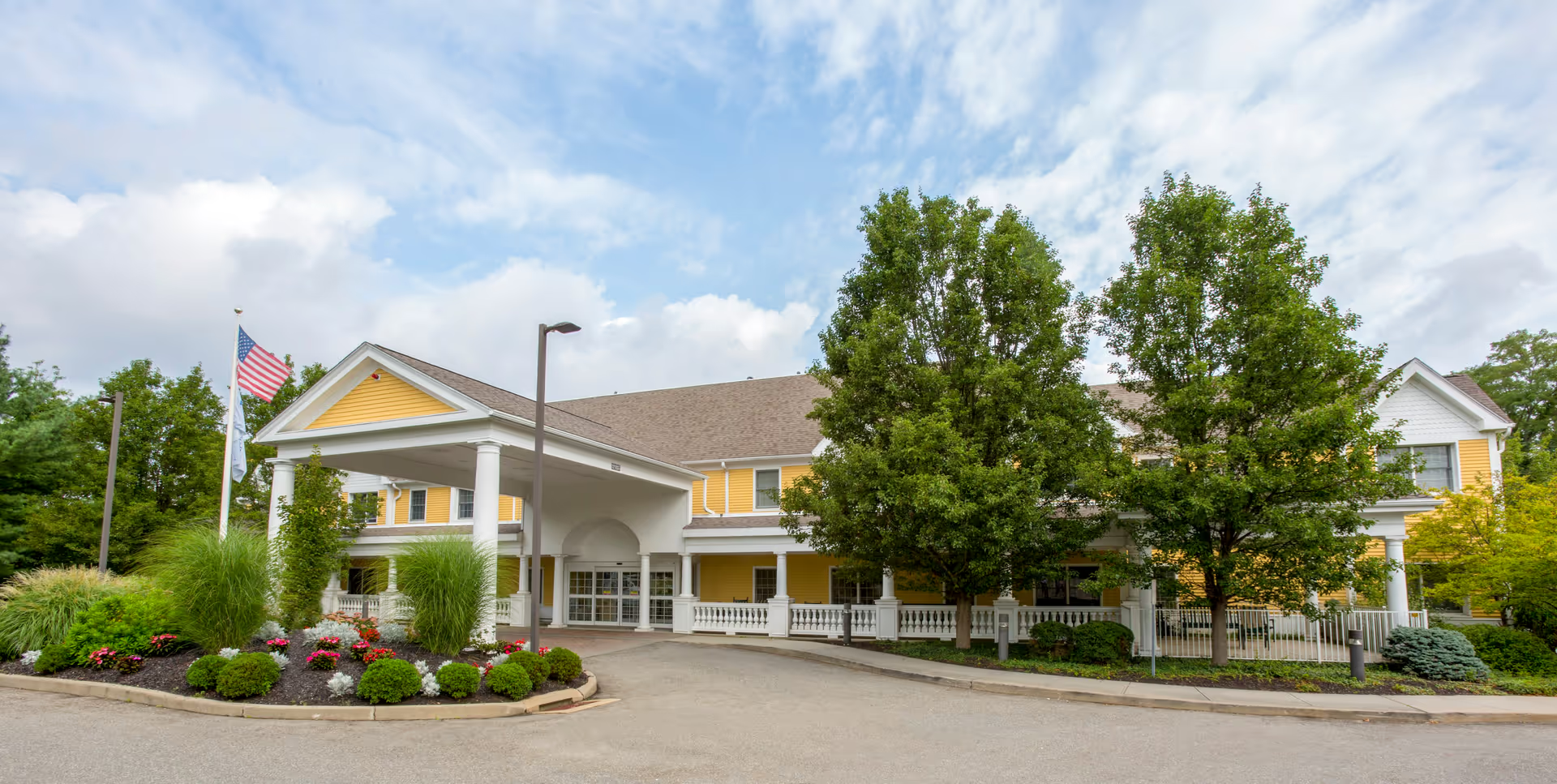
Facilities and infection/environmental control: The building is characterized as an older, run-down structure with dated décor and some cluttered work areas such as nursing stations. Room size and unit layout are generally viewed positively, but infrastructure concerns persist. Reviewers raise sanitation- and odor-related concerns, note pest-control issues in some areas, and raise questions about environmental maintenance practices (including temporary filtration measures and water-safety handling). Those issues are presented as systemic maintenance lapses rather than isolated events.
Management and governance: Opinions about management are mixed. Some describe respectful interactions with management; others criticize recent leadership changes and question administrative responsiveness. Specific operational complaints include perceived cost-driven decisions that affect safety and resources, an inactive or insufficiently engaged director of nursing, and barriers to outside partnerships (for example, disagreements around on-site animal rescue efforts). There are also mentions of security and safety management gaps, including incidents that required external intervention and concerns about the effectiveness of the facility's call/response and incident-handling processes.
Notable patterns and risks: Recurrent themes are variability in direct-care staffing and professionalism, environmental-maintenance shortfalls, and weak clinical oversight. These patterns intersect: limited supervision and extended shifts may contribute to inconsistent CNA performance and slower response times. Reviewers suggest that targeted management attention, investment in the physical plant, strengthened clinical leadership, and clearer staffing practices could address many of the identified weaknesses. There is interest in potential service expansion (for example, a ventilator-capable unit) if resource and oversight gaps are resolved.
Bottom line: Prospective residents and families should weigh the facility's evident strengths in nursing dedication, housekeeping and dietary support, activity programming, and room size against consistent concerns about staff coverage and conduct, environmental maintenance, and managerial effectiveness. If considering this facility, ask for current information on clinical leadership, staff-to-resident ratios and shift schedules, environmental-safety measures (including pest-control and water-quality practices), incident-response procedures, and any planned capital improvements under new ownership.