Sharon Health Care Center elicits a strongly mixed but patternable response: many families and residents praise the frontline caregiving and therapy programs, while other accounts identify operational weaknesses that have direct implications for resident safety and family confidence.
Care and staff: A large proportion of reviewers describe nursing staff, aides, and therapists as compassionate, hands-on, and effective. Physical and occupational therapy are frequently cited as helpful, and several comments single out individual leaders and supervisors who provided reassuring, attentive leadership. At the same time, reviewers describe variability in staff performance by shift and day; staffing shortages and inconsistent assignments appear to contribute to delays in assistance and uneven continuity of care. Several accounts raise concerns about medication-administration processes and coordination between the medical team and nursing staff, with examples of delayed responses to alerts and examples of missed or inconsistent clinical follow-through.
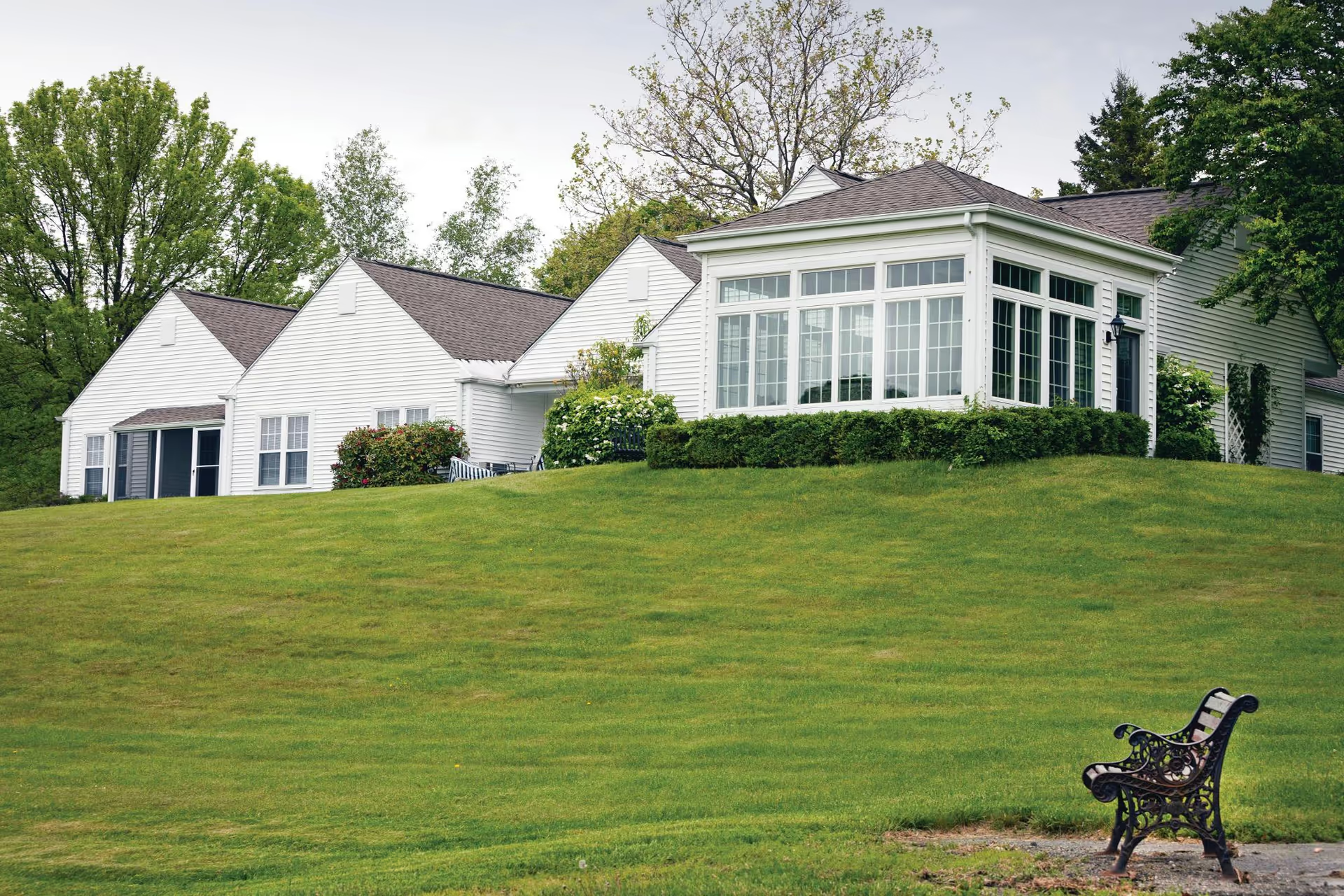
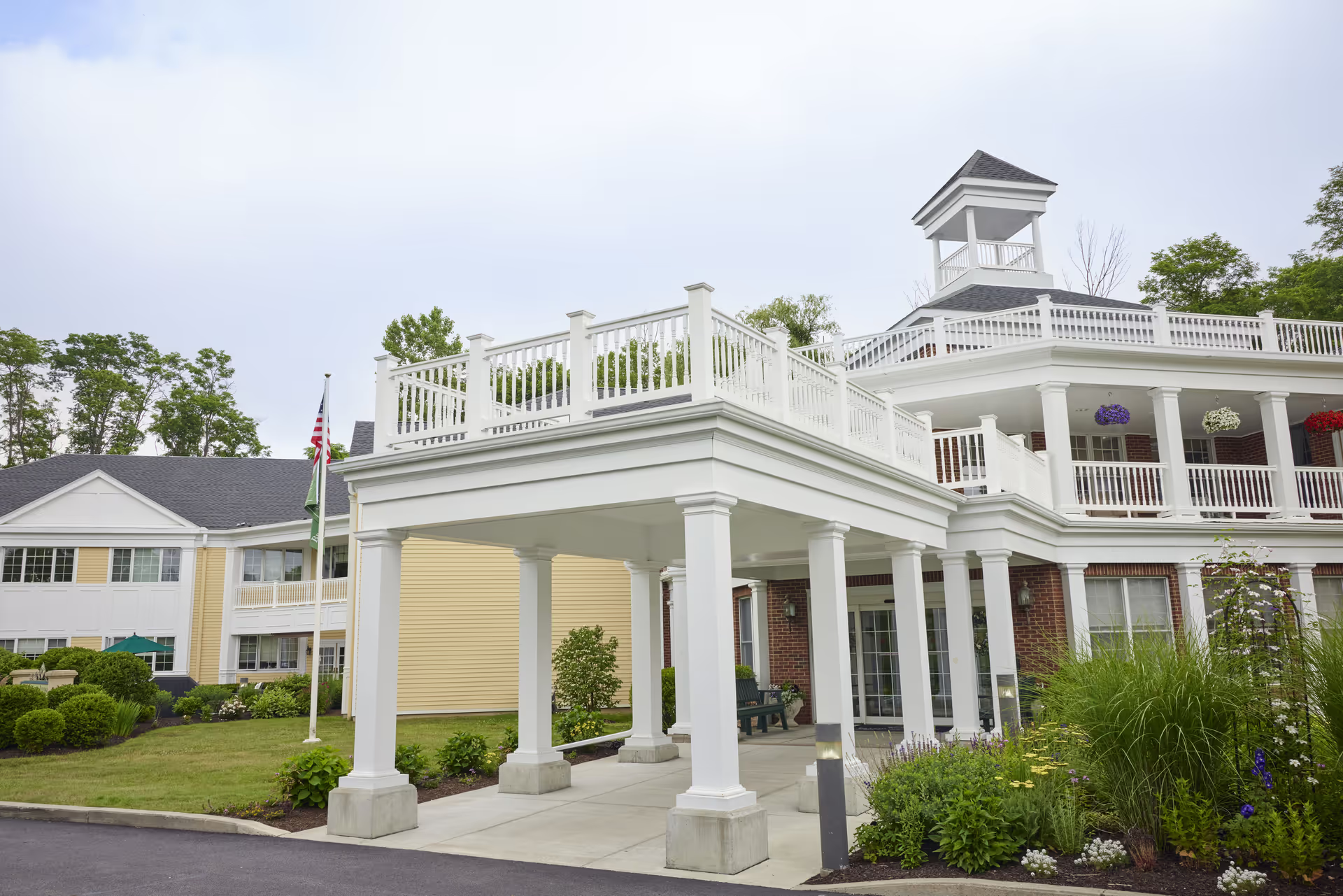
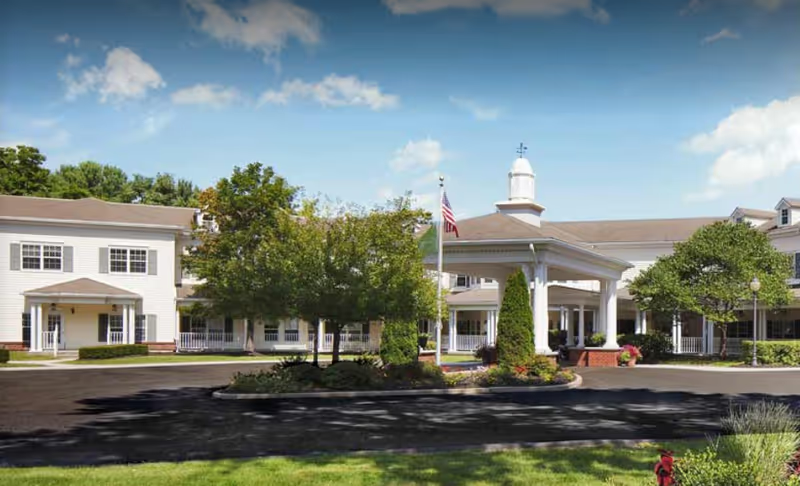
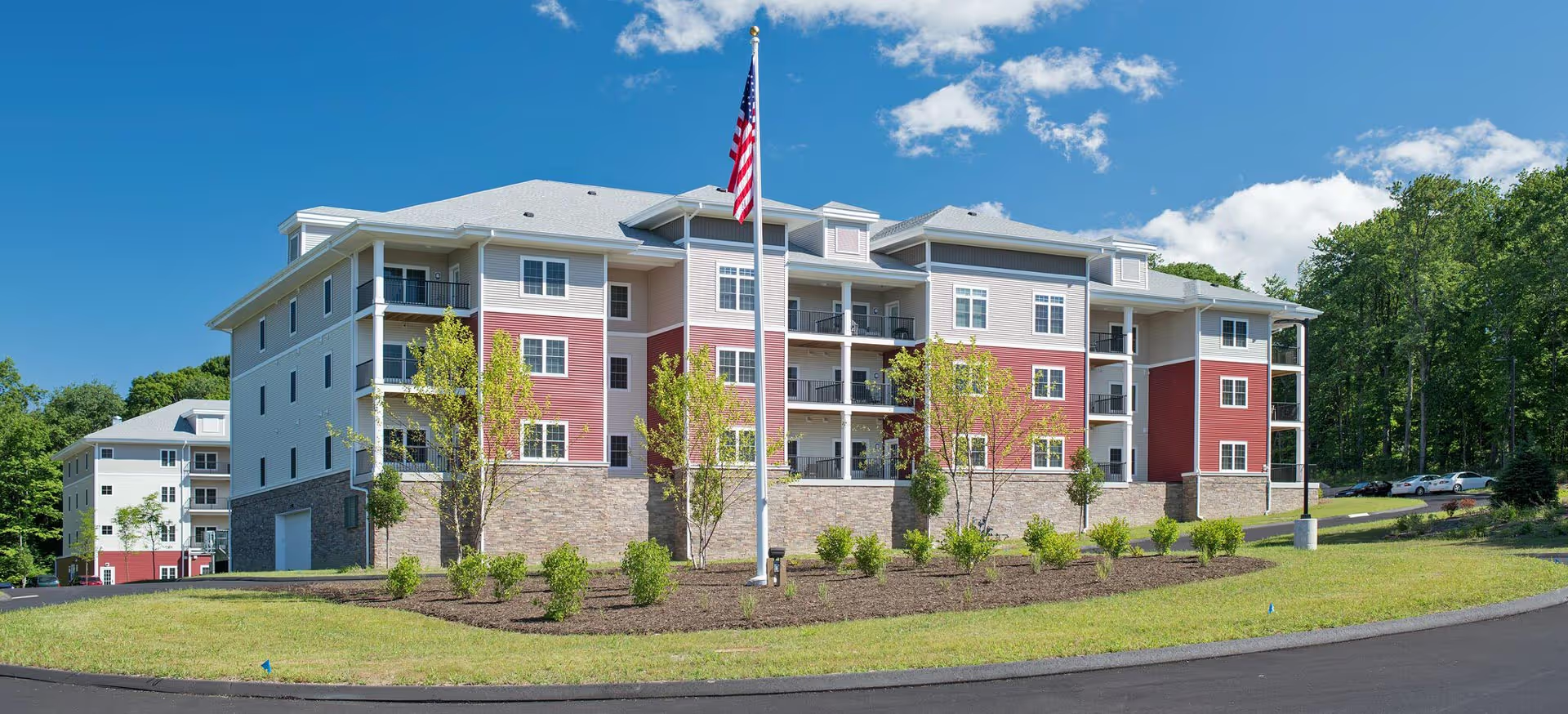
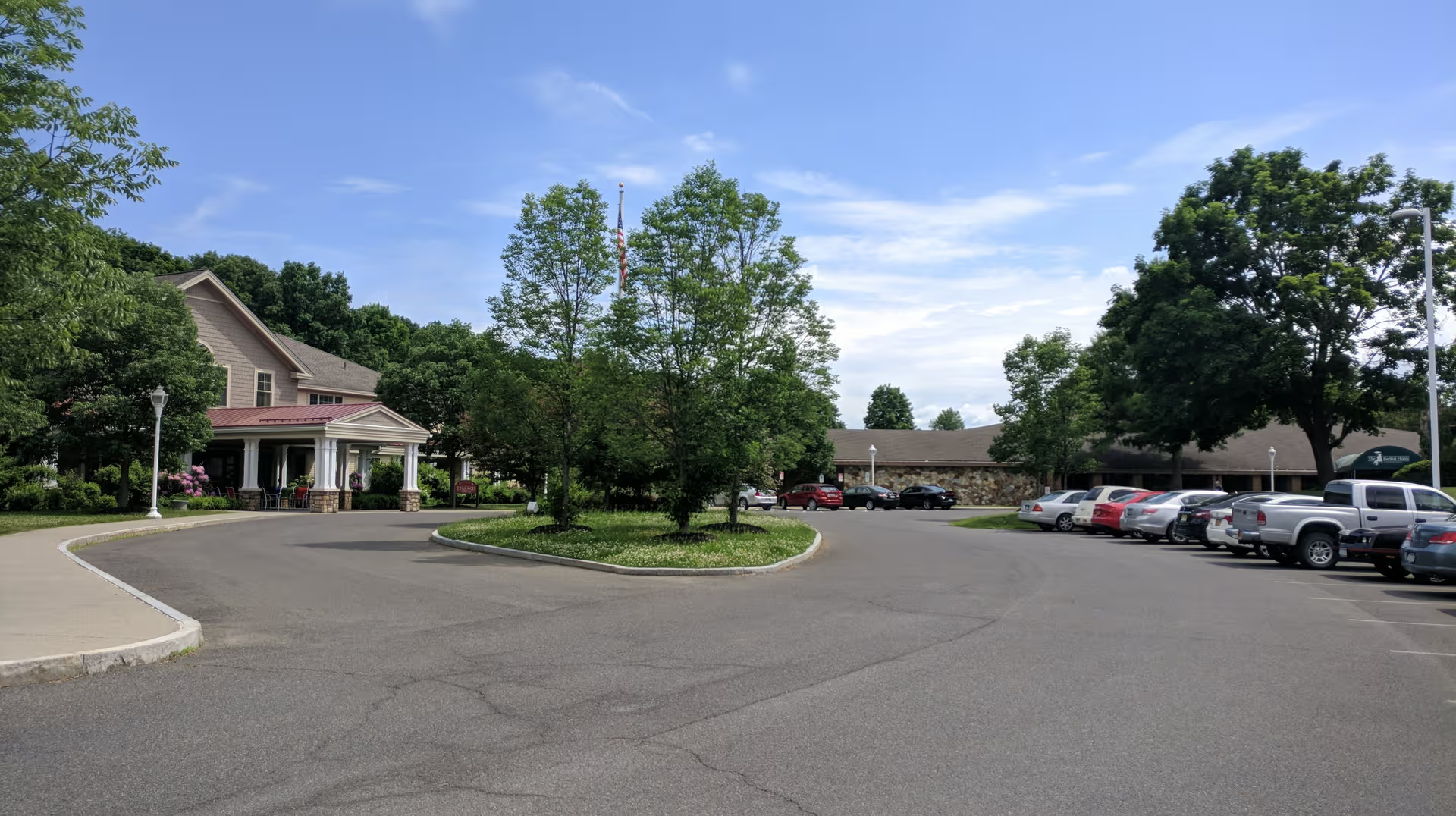
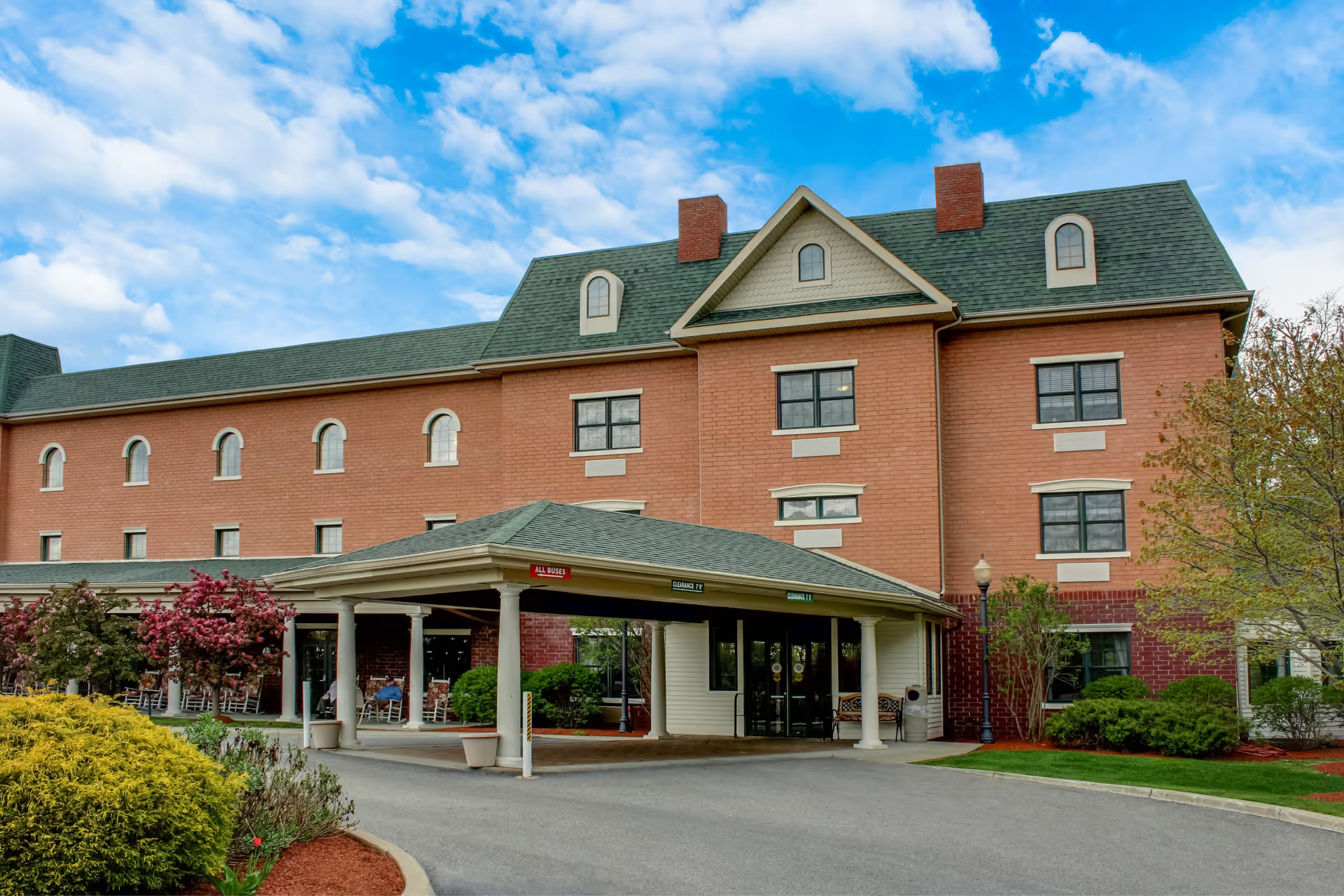
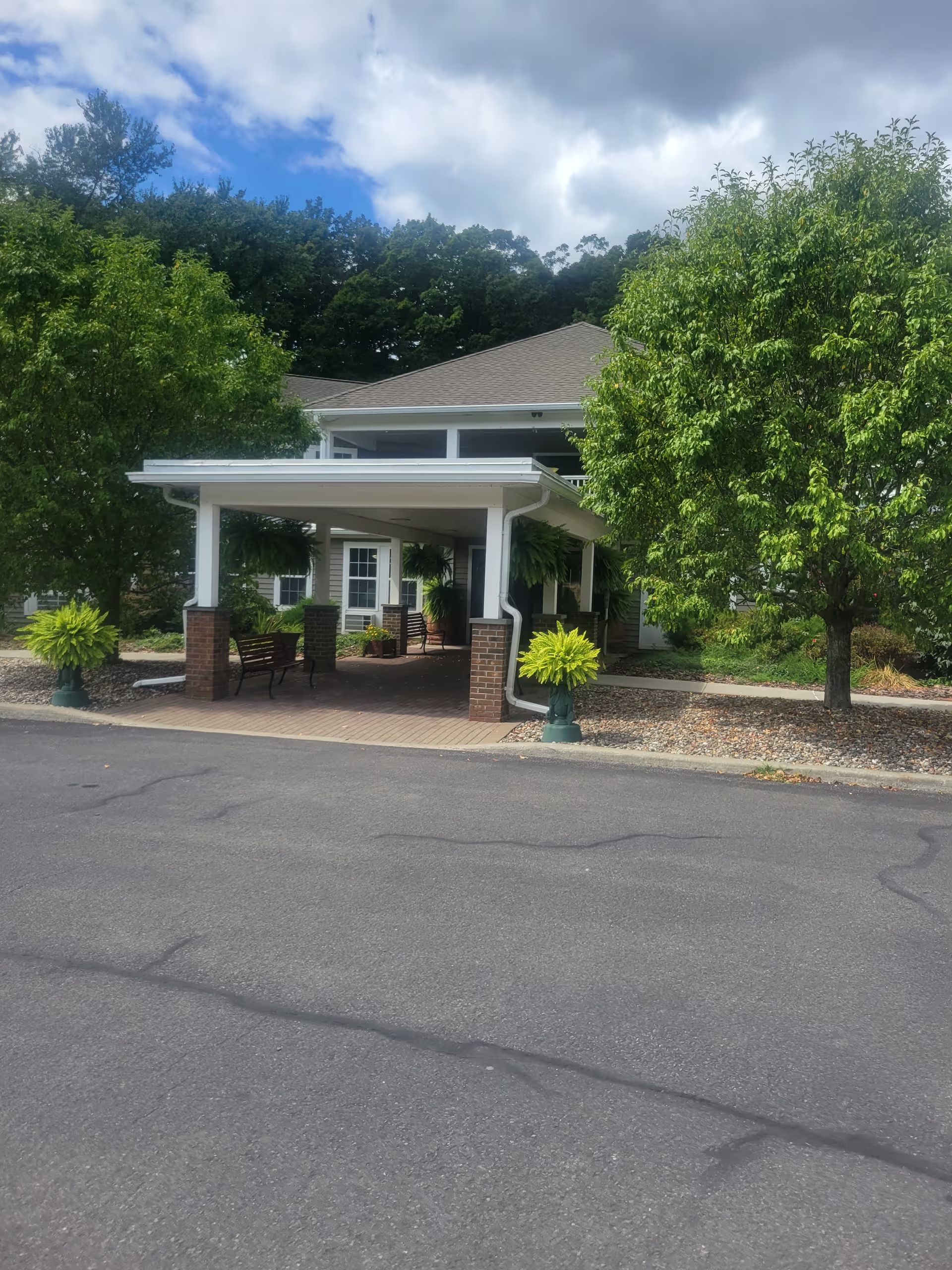
Dining, activities, and facilities: Many reviewers compliment the facility’s cleanliness, room comfort, and an active activity program (games, themed events, outings). Food quality is described positively in several accounts, though a minority raise issues with diet suitability and inconsistent meal experiences. The center’s proximity to a hospital and its small, home-like scale are seen as advantages. Operational items such as elevator availability, occasional supply gaps (beverage cart/snacks), and isolated sanitation or property-security concerns were also noted.
Management, safety, and communication: Administrative responsiveness is the clearest recurring concern. Reviewers describe limited or unclear grievance processes, variable family communication, and situations that left families feeling unsupported in escalation. There are also accounts pointing to property-security weaknesses and at least one allegation of retaliatory action following a complaint; these are serious family-level concerns that prospective families should investigate further. Overall the pattern is one of strong bedside staff performance coupled with gaps in systems—staffing, medication oversight, emergency-response times, and complaint resolution—that can produce uneven experiences.
Notable patterns and guidance for prospective families: The facility frequently receives high marks for bedside care, therapy, and the social environment, but those positives coexist with operational risks tied to staffing consistency, medication controls, call-response times, and grievance handling. Prospective residents and families may wish to ask targeted questions about staffing ratios by shift, medication-safety protocols and audit practices, average call-button response times, property safeguards, the facility’s grievance and incident-investigation procedures, and how clinical communication is managed between physicians, nursing, and therapists. Doing so will help clarify whether the day-to-day operating practices align with the aspects of care most important to your situation.