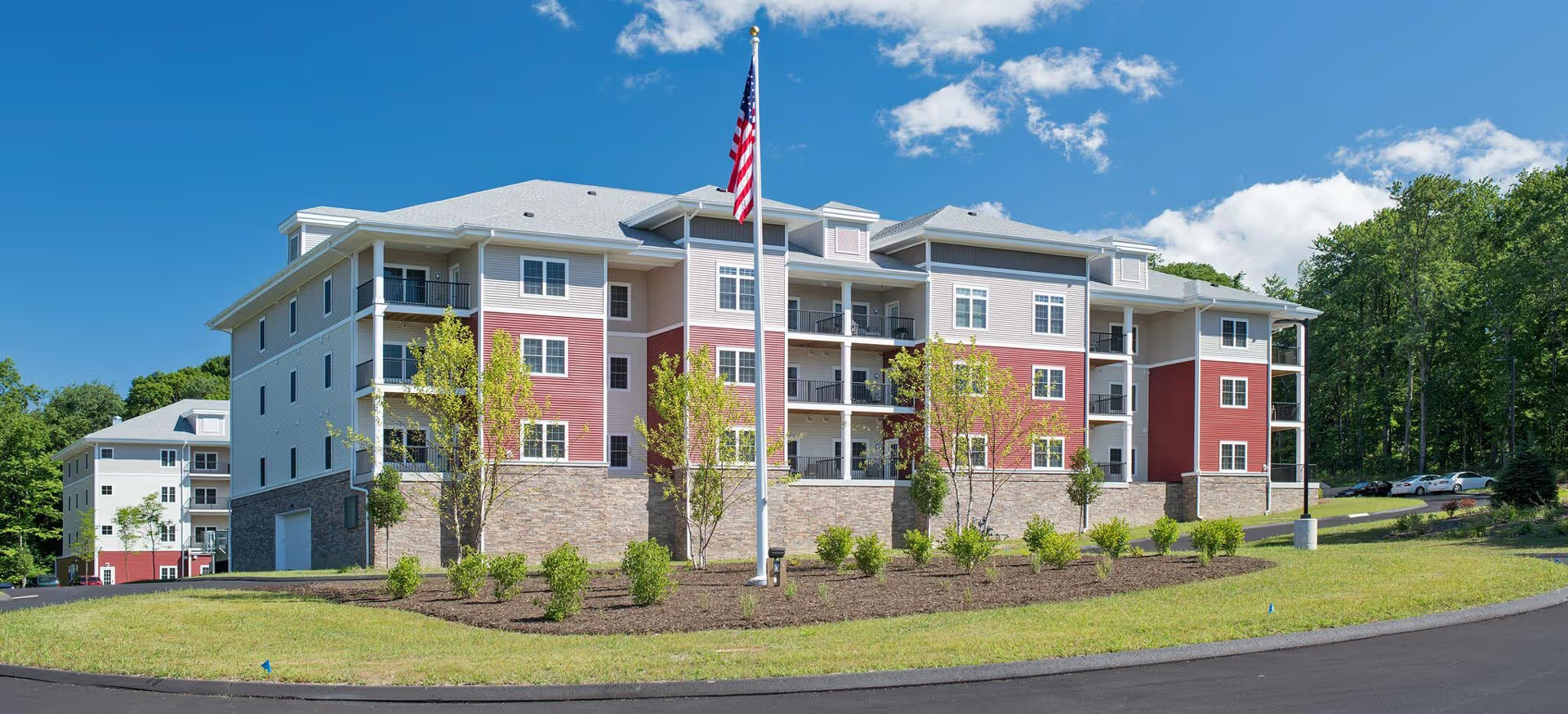
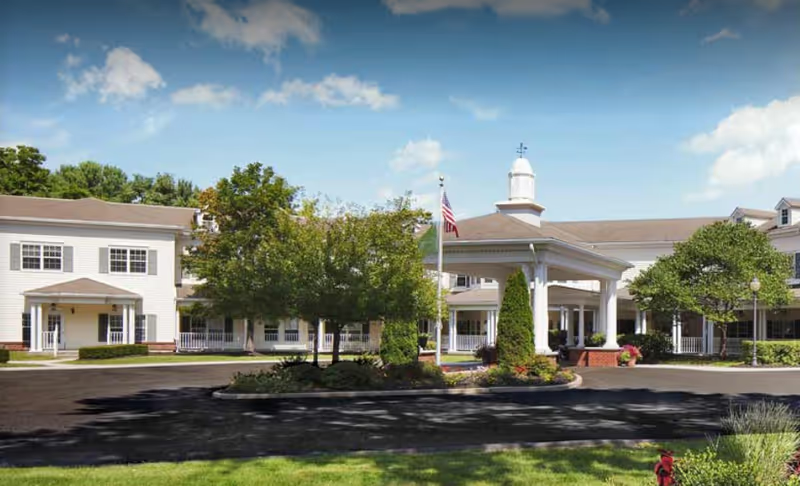
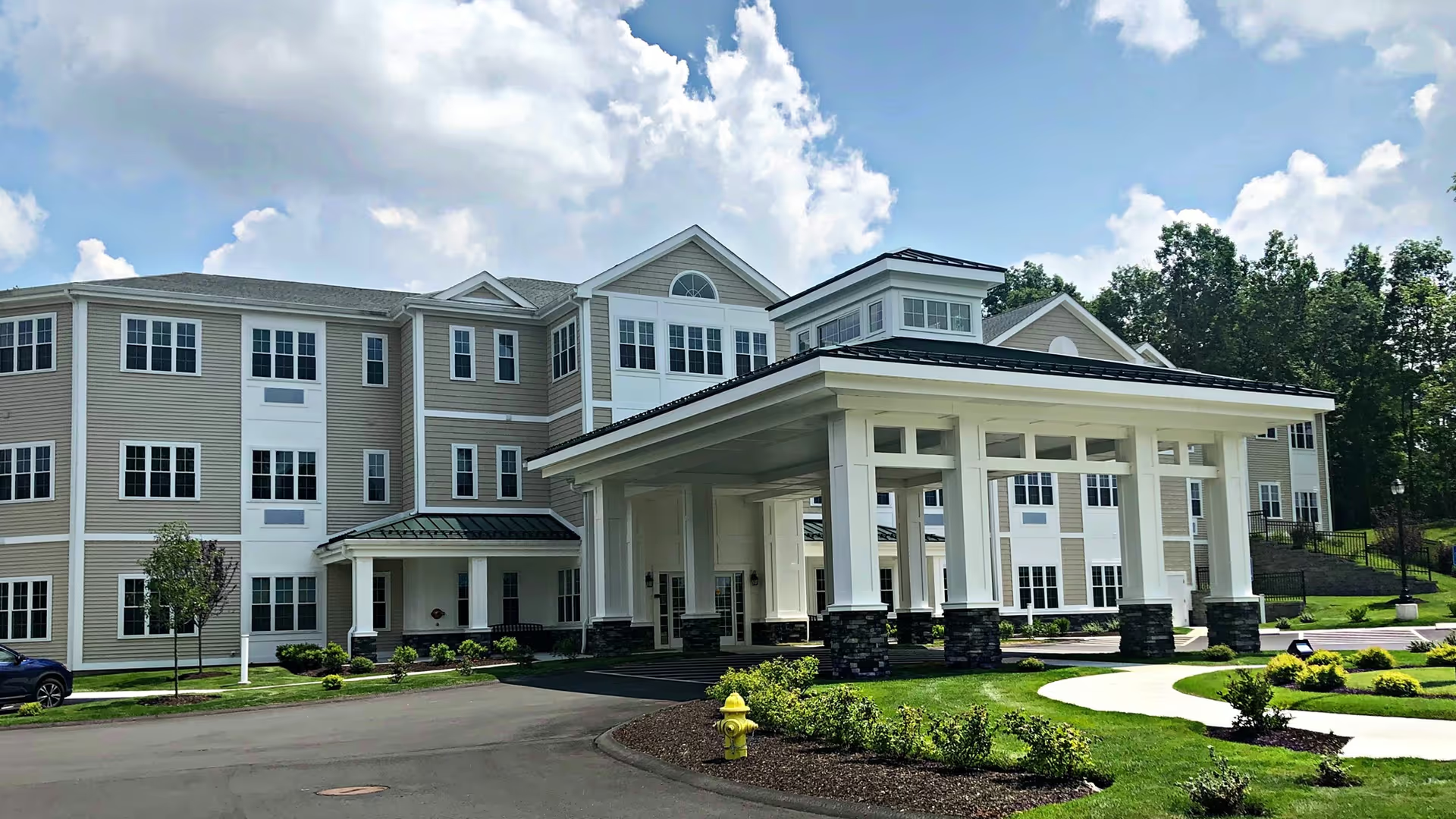
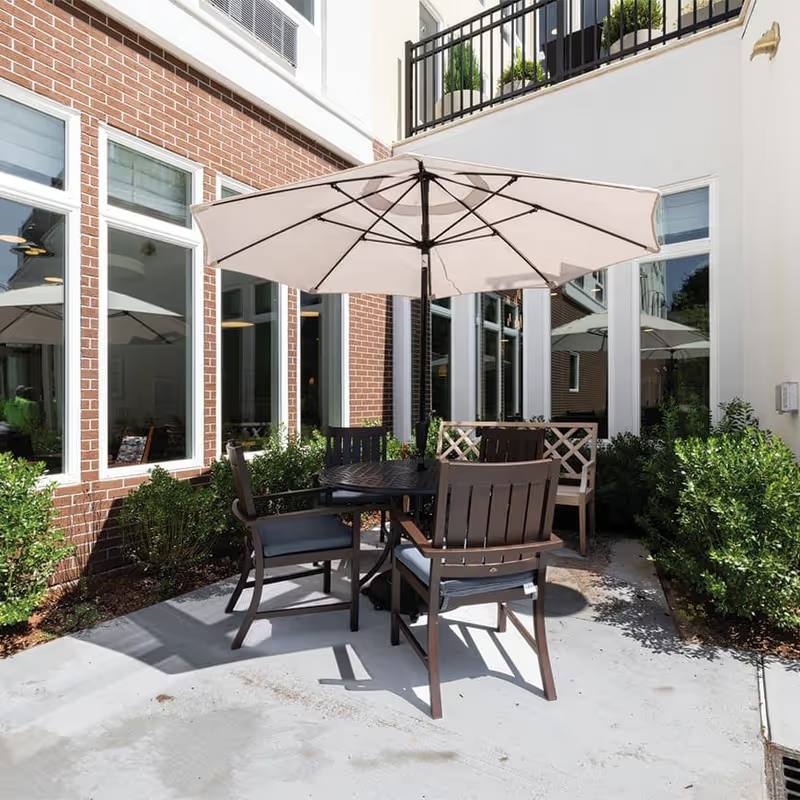
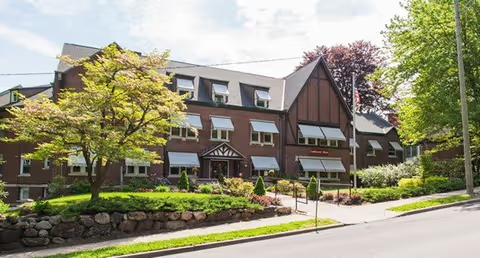
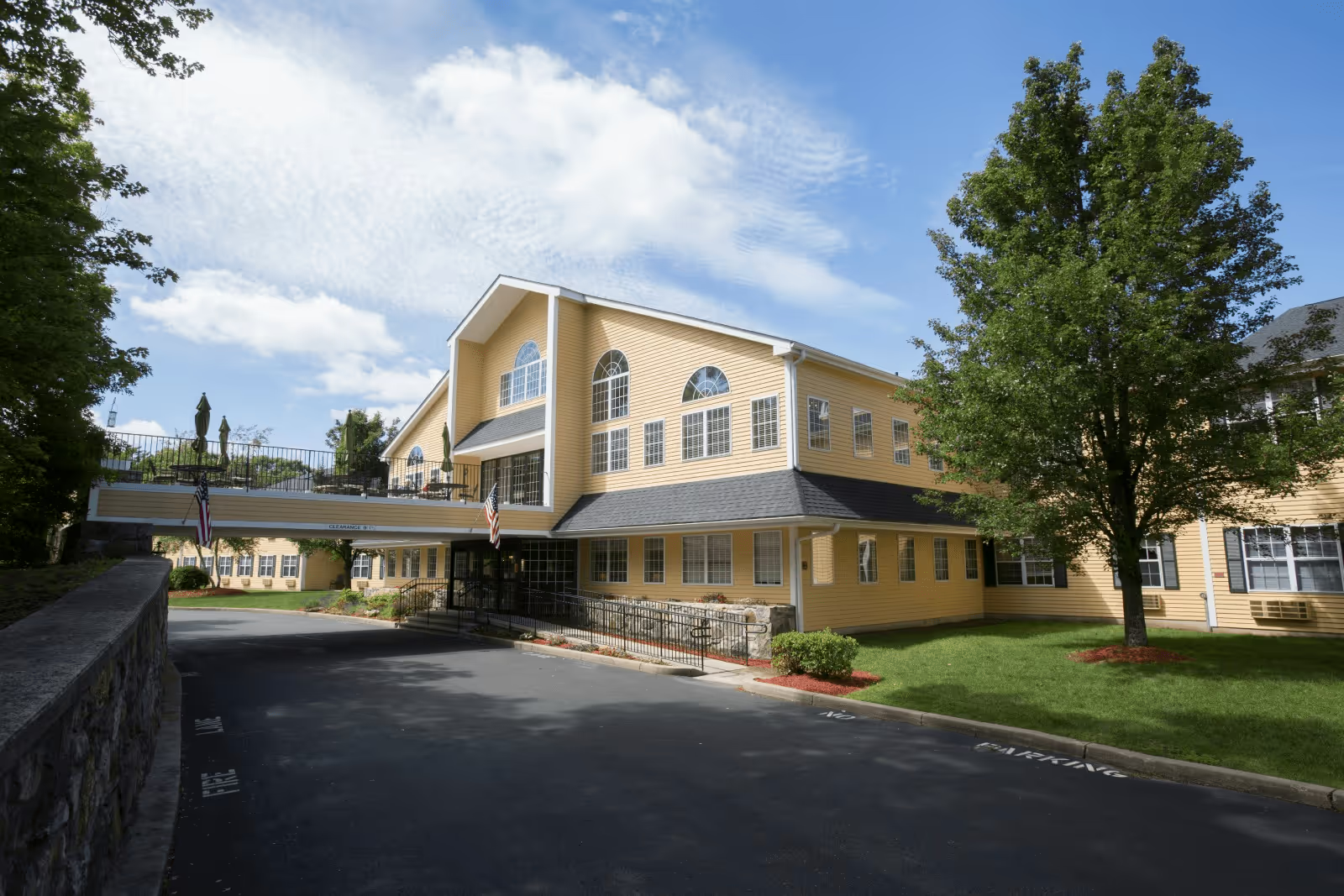
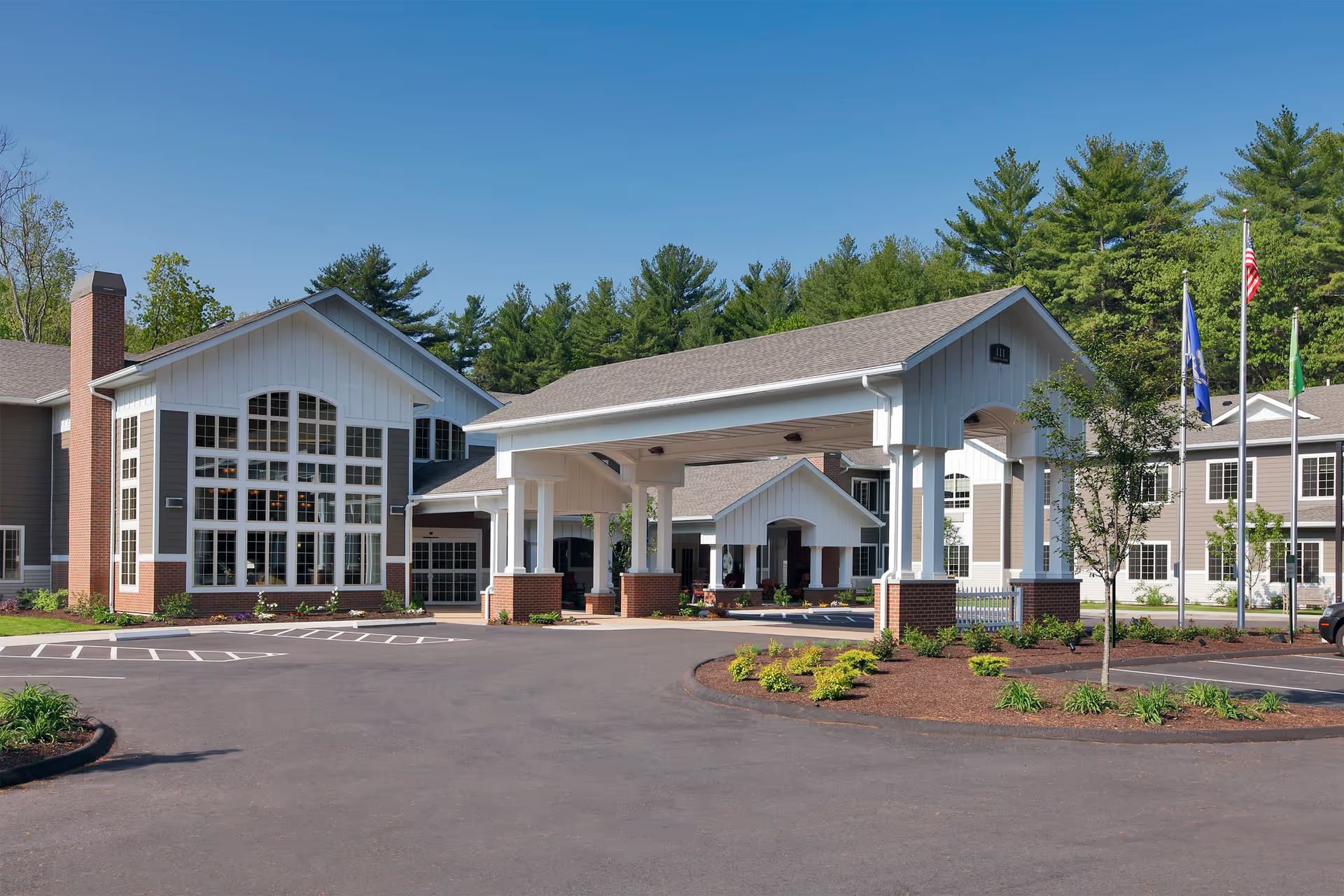
Brandywine Litchfield by Monarch is consistently described as a well-appointed, hotel-like assisted living community with a strong emphasis on resident engagement and hospitality. Families and residents frequently cite a clean, refurbished physical environment, comfortable apartments and attractive common spaces, including a courtyard and salon. The property’s presentation and housekeeping receive repeated positive mention, and many residents describe the community as convivial and family-like.
Clinical care and staffing are central strengths in these summaries. Reviewers highlight compassionate, attentive aides and nurses, 24-hour in-house nursing coverage, and hands-on care that has supported health improvements for some residents. The community is credited with personalized care plans, proactive medical coordination (including concierge-style resources and in-house medical responsiveness), and assistance with appointments and transportation. Many families emphasized smooth move-ins and ongoing, accessible communication from staff.
Dining and programming are other prominent positives. The dining program is characterized as restaurant-style with a creative chef, menu variety, accommodations for diets, and frequent praise for the food and desserts. Housekeeping and laundry are included services that reviewers find valuable. Activities are extensive — exercise, music, arts and crafts, outings, and regular events — and are frequently described as keeping residents socially engaged and mentally stimulated, with special programming that includes memory-care residents.
Despite the many favorable comments, several operational concerns recur. Cost is a notable theme: families describe premium pricing, significant rate increases, and additional fees for services, creating financial considerations for prospective residents. Staffing consistency and morale emerge as another pattern; reviewers reference turnover and instances where management tone affected staff. There are also mentions of uneven dining management and meal-timing issues, and a small number of accounts point to gaps in coordination between administrative and clinical teams following incidents, suggesting opportunities to strengthen incident-response protocols and family communication.
For prospective residents and families, the dominant pattern is one of strong hospitality, active programming, and attentive clinical coverage, balanced against premium cost and occasional operational inconsistency. Visitors should evaluate staffing continuity, recent rate-change history, meal-service procedures, and the community’s incident-reporting and follow-up practices during a tour. Overall, Brandywine Litchfield appears to offer an engaged social environment with robust support services, while cost and occasional administrative inconsistencies are important considerations to clarify before admission.