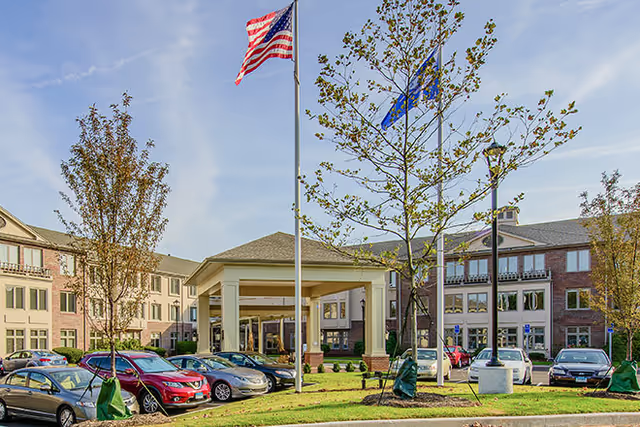
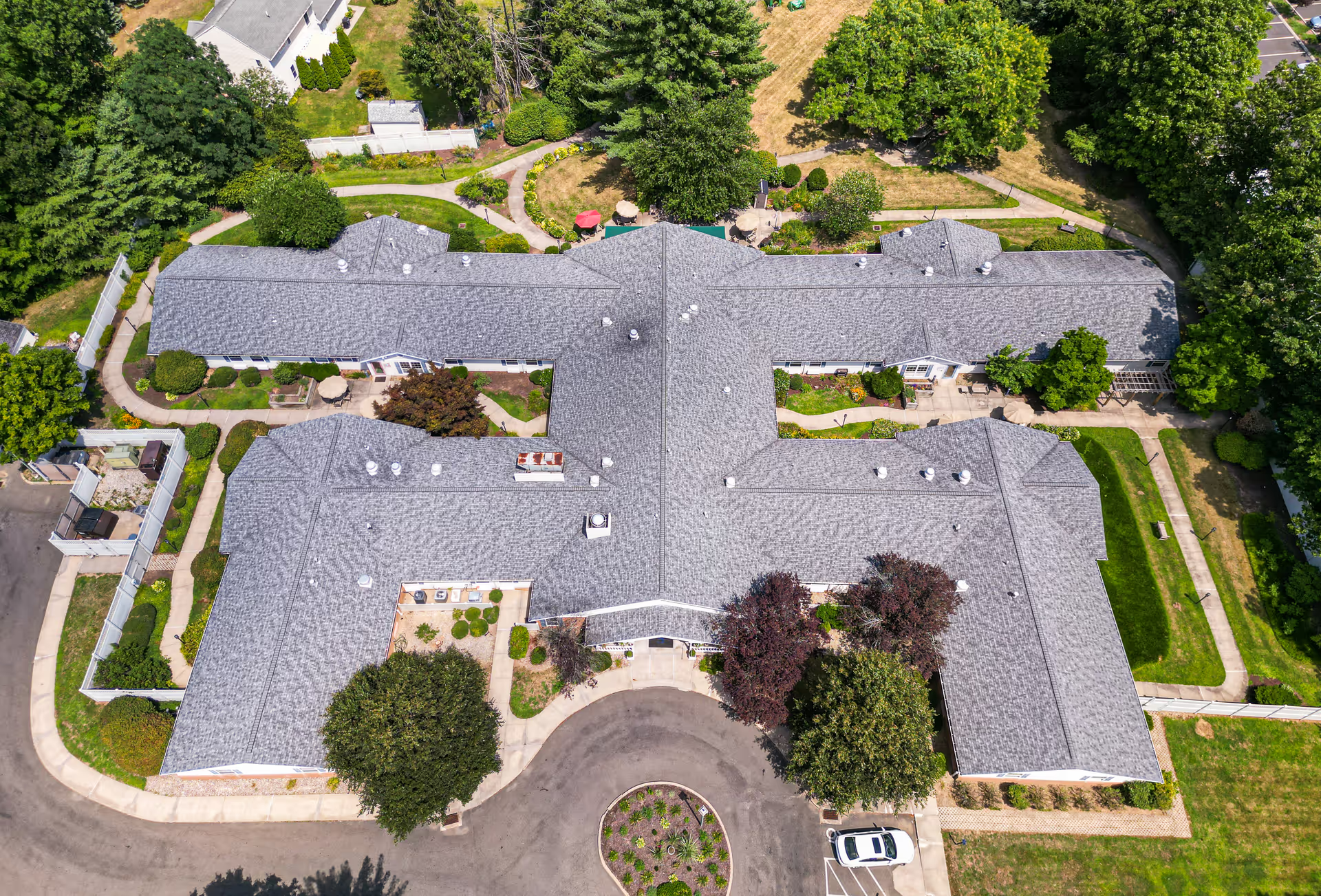
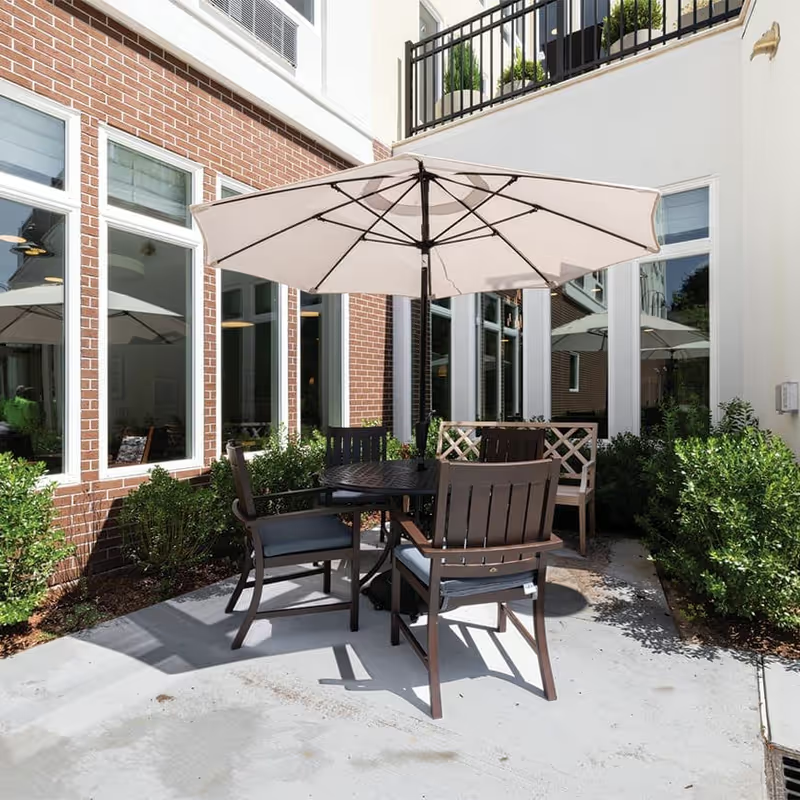
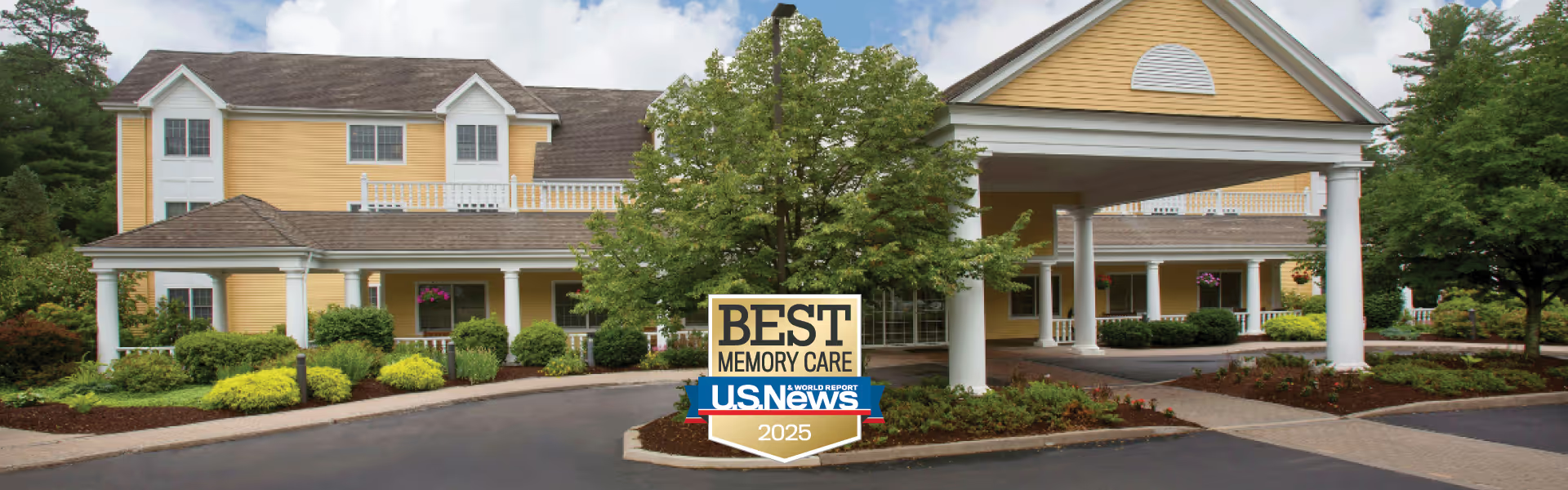
Farmington Station is consistently described as a clean, modern, hotel-like senior living campus with extensive amenities and a busy activity schedule. Reviewers commonly highlight a pleasant physical environment — bright rooms, outdoor courtyards, a movie theater and dining spaces that resemble restaurant service — and ongoing investment in upkeep and updates. The community offers a broad range of programming across independent, assisted and memory-care levels, including dementia-focused activities, music therapy, outings and exercise groups, and provides respite and transitional-care options.
Direct-care staff and nursing receive frequent praise for compassion, attentiveness and relationship-building; many families characterize staff as warm, familiar and responsive when present. Memory-care programming and dementia-focused engagement are often noted as strengths, with specialized activities and daily programming for residents with cognitive impairment. Maintenance, dining staff and certain leadership figures (including front-desk ambassadors) are singled out positively for personalized attention. The community also maintains robust infection-control practices and regular family updates during public-health events.
At the same time, recurring operational concerns appear across reviews and deserve attention during a tour and contract review. Communication responsiveness to families is variable: some families describe excellent, proactive updates, while others cite difficulty reaching staff or delays in emergency communication. Several reviews indicate gaps in clinical-incident response and transfer procedures, including instances that raised questions about resident identification and emergency transfers; these have led families to request clearer protocols and faster family notification. Staffing variability was also linked to delays in responding to call pendants and inconsistent daytime checks for some residents, suggesting that staffing levels and scheduling can affect day-to-day responsiveness.
Financial and administrative practices are another pattern to verify. Reviews note opaque pricing, add-on fees, and significant price increases over time, along with admissions interactions where marketing expectations did not align with operational realities. New-resident onboarding and orientation processes are described as inconsistent by some families — missing welcome materials or formal tours — so prospective residents should request a written list of inclusions and an orientation plan. Laundry and personal-item handling also produced isolated concerns; these observations point to process areas where families may want explicit assurances and documented procedures.
Dining and activities are overall strengths, but reviewers mention variability: many praise the quality, variety and chef flexibility, while others experienced occasional service interruptions or menu inconsistencies. Activities are plentiful and often engaging, but effectiveness can vary depending on individual resident needs and cognitive level; families of residents with higher agitation or specialized behavioral needs should assess fit with the Life Guidance memory-care approach.
In summary, Farmington Station offers a high-quality physical environment, broad programming and a generally caring staff that creates a family-like atmosphere for many residents. Prospective residents and families should balance those strengths against operational cautions: clarify pricing and fee structures up front, review staffing and emergency-communication protocols, confirm onboarding and laundry processes, and evaluate how the memory-care model fits a given resident’s behavioral profile. Asking for written commitments on responsiveness, transfer procedures and included services during the tour and contract stage can help align expectations with daily experience.