Shady Oaks presents as a small, family-run assisted living with a consistent emphasis on personalized, compassionate care. Reviews consistently describe an attentive caregiving team, onsite registered nurses, and a high staff-to-resident ratio that support individualized care plans and close clinical oversight. Families and residents emphasize quick responses to medical issues, coordinated transitions from hospital or rehab, hospice capability, and a documented infection-control record during the COVID-19 pandemic.
Clinical quality and day-to-day care are described as strengths. Nursing staff are portrayed as proactive and knowledgeable; caregivers are repeatedly characterized as kind, respectful, and attentive to resident preferences and dignity. Several accounts highlight effective problem-solving, frequent communication with families, and coordination with external clinicians. End-of-life and hospice arrangements are handled with an emphasis on comfort and family involvement.
Dining and programming are also notable features. The facility operates with a trained chef who prepares traditional, tasty, and nutritious meals with accommodations for special diets. Activity programming includes arts and crafts, music and sing-alongs, bingo, worship opportunities, holiday celebrations, and animal visits; a proactive recreation director is mentioned. The small, home-like scale appears to support frequent, personalized social interactions and a close-knit community atmosphere.
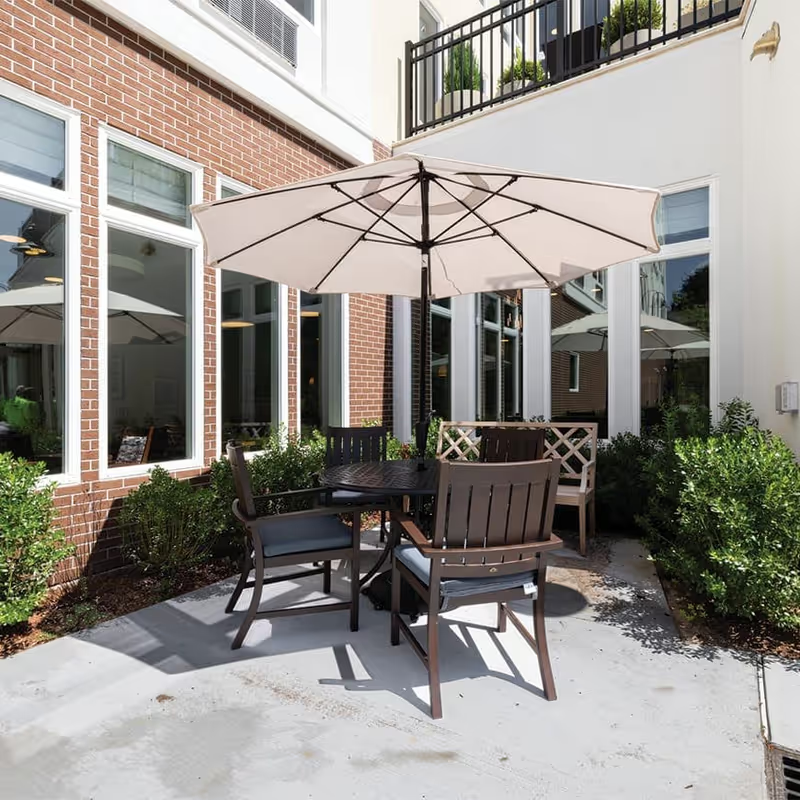
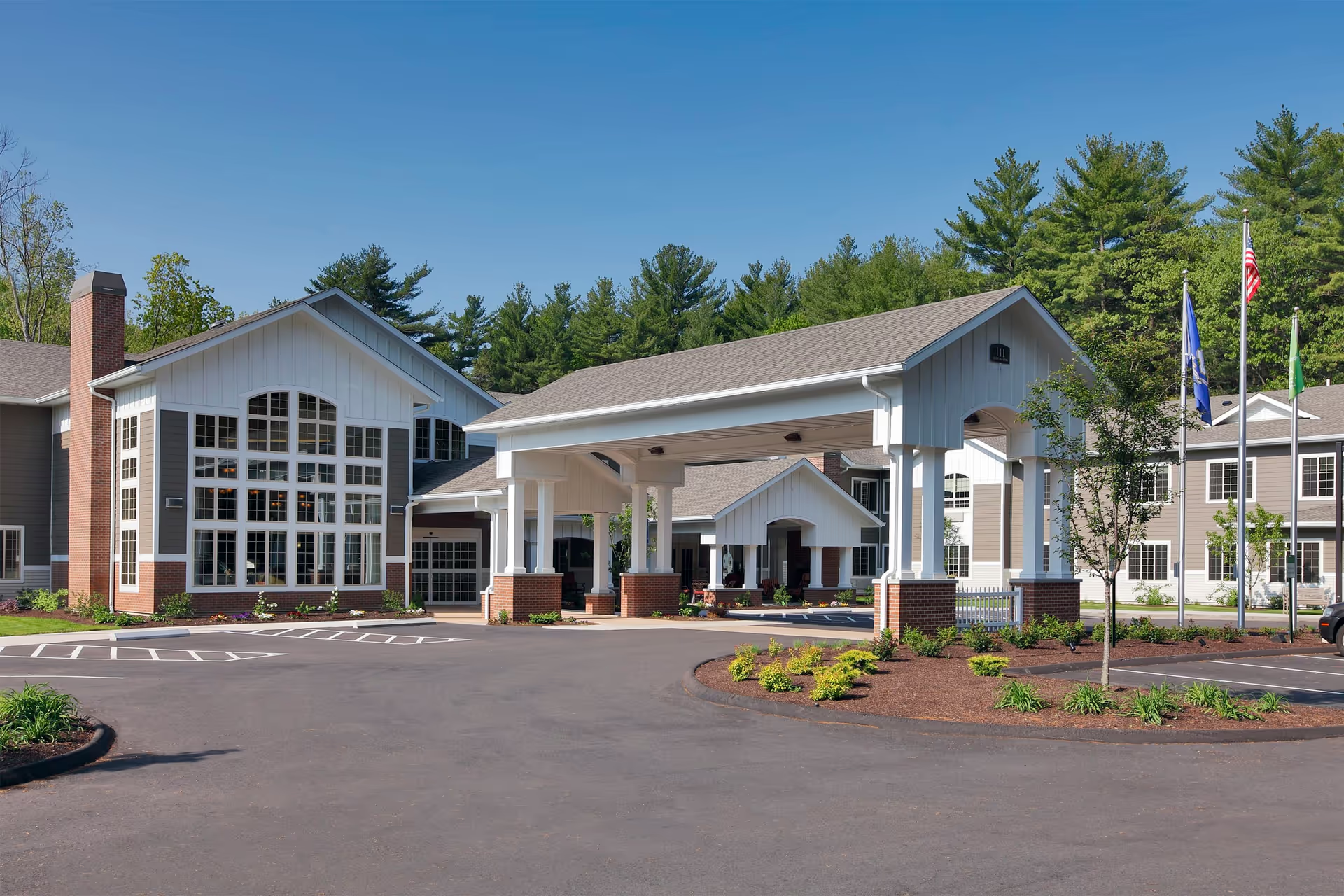
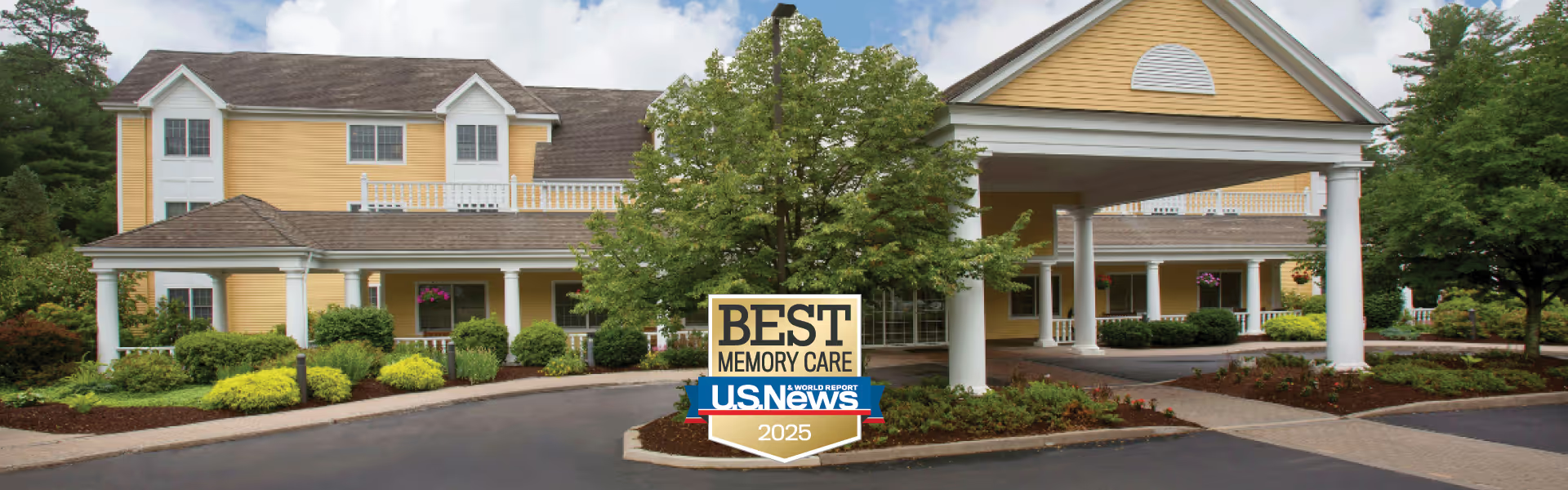
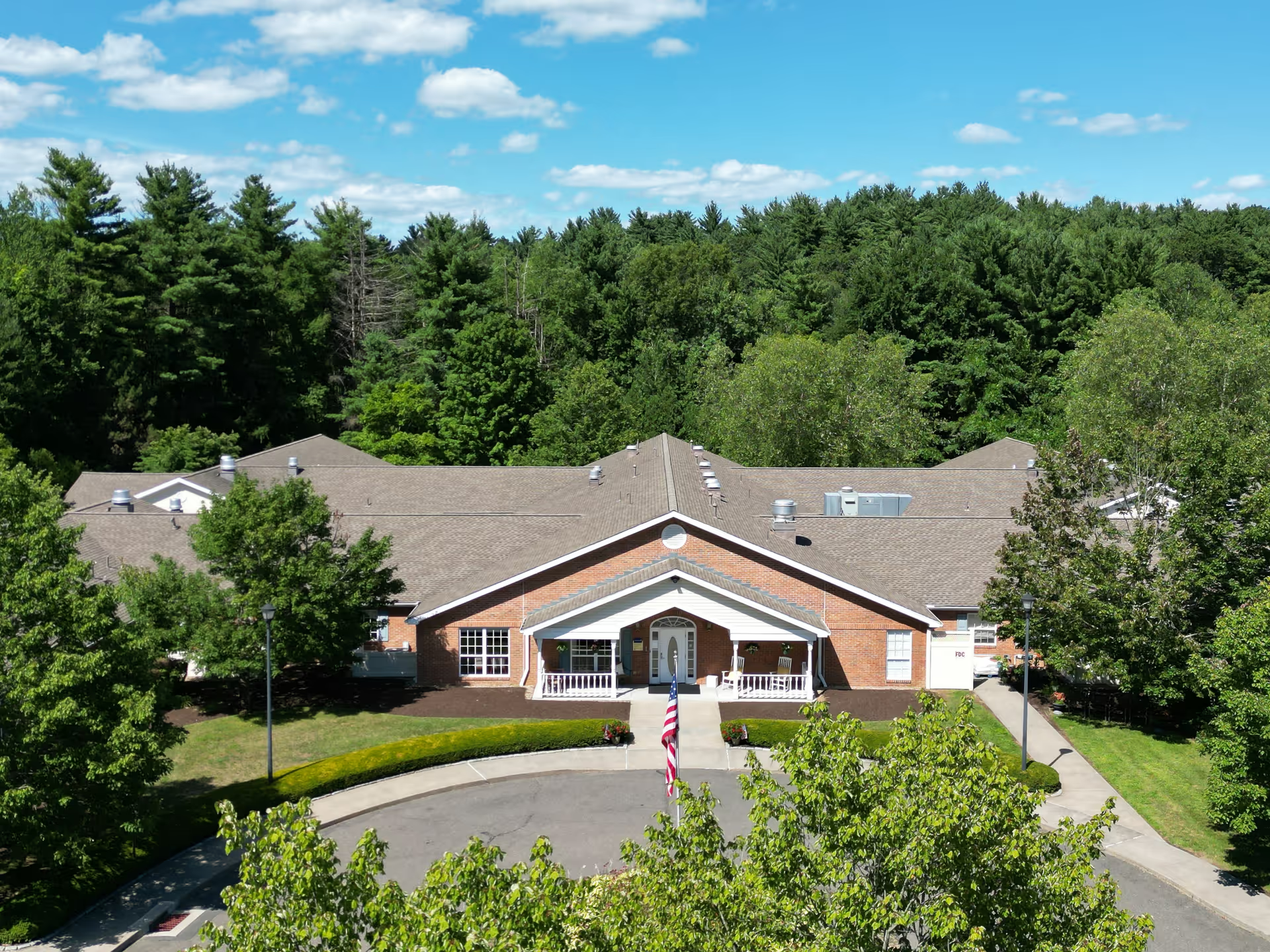
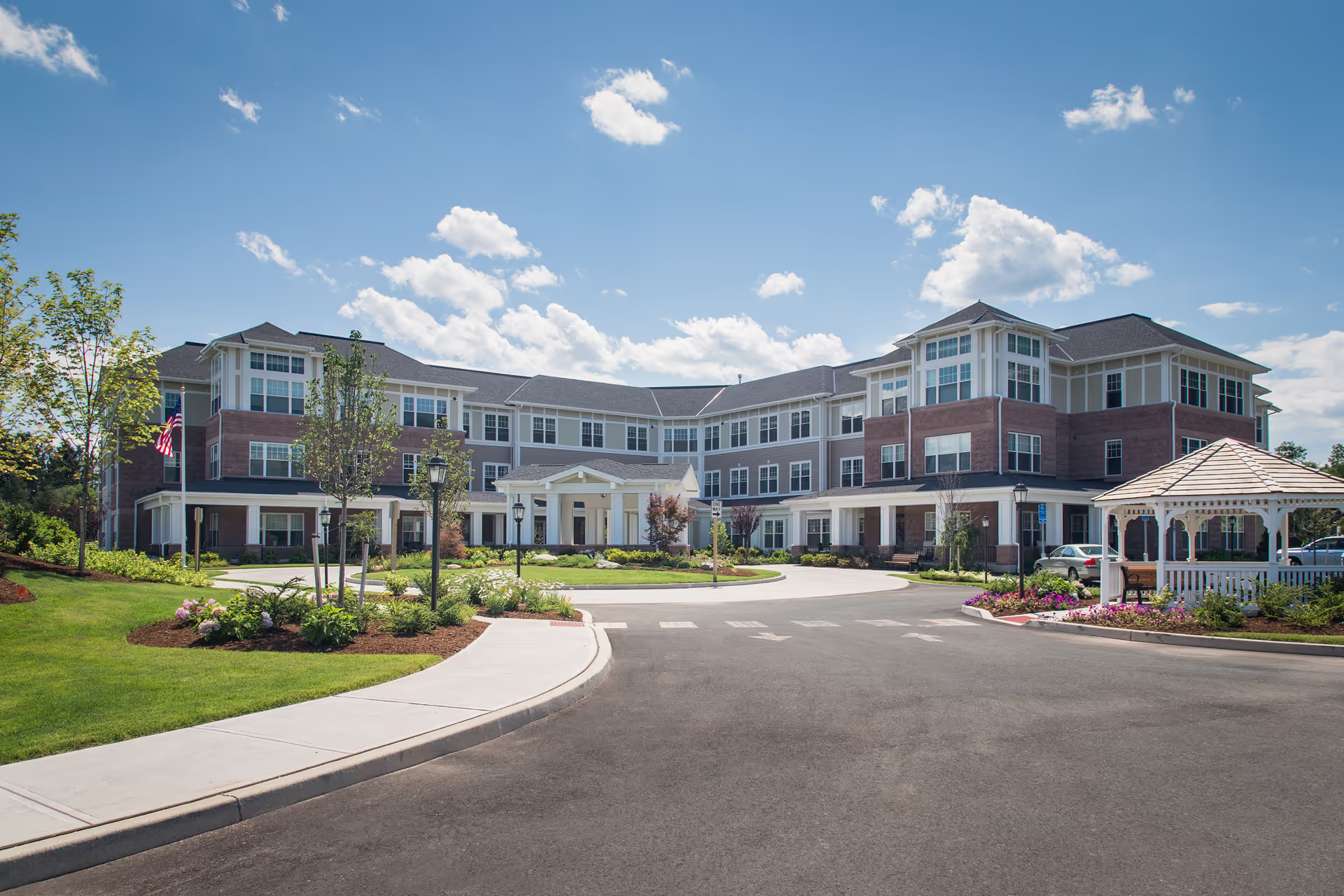
The physical environment is described as clean, bright, and cozy, reinforcing the home-like character. Owner/director involvement is a prominent theme: the owner is frequently accessible, visible in daily operations, and central to family communication and problem resolution. This governance style appears to produce rapid decision-making and a family-oriented culture but also creates an operational dependency on leadership presence.
Patterns that prospective residents and families should weigh include the facility’s small size and resulting capacity limits; reviewers noted waitlist situations. The smaller scale brings advantages in personalization and continuity but may also mean fewer large-community amenities or a narrower range of specialty therapies compared with larger campuses. Because management is hands-on and owner-driven, families may wish to ask about contingency plans and administrative continuity.
Overall, the reviews portray Shady Oaks as a well-staffed, warm, and clinically attentive assisted-living option with strong infection-control practices, good meal service, and active family communication. Prospective families should confirm current bed availability, review the activity schedule relative to desired engagement levels, and discuss clinical service limits or referral pathways for specialized therapies before admission.