Arden Courts Farmington is presented consistently as a dementia-specialized memory-care community with a household model and a strong focus on creating a home-like environment. Reviewers highlight the facility's four small wings (or cottages), private rooms with ensuite bathrooms, individualized staff assignment by household, and extensive outdoor areas and walking paths. These design features, combined with staffing continuity in many cases, are described as supporting resident orientation, socialization, and mobility.
Care quality is generally portrayed as strong. Families frequently cite compassionate, dementia-trained nurses and aides, responsive nursing leadership, and visible medical oversight. Many accounts emphasize respectful, hands-on caregiving, attention to grooming and attire, and positive end-of-life support. At the same time, there is a pattern of contrasting experiences: while numerous reviews praise long-tenured staff and continuity of care, others point to intermittent concerns about staff conduct and clinical practices. These divergent reports suggest that quality is often high but may vary by shift or household.
Dining and programming are commonly described as strengths. Meals and refreshments receive favorable comments, and the recreation program is characterized as active, imaginative, and person-centered—offering arts and crafts, music, faith-based programs, entertainers, and family events that promote engagement and social connection. Reviewers emphasize that activities and social opportunities contribute to improved mood, mobility, and a sense of purpose for many residents.
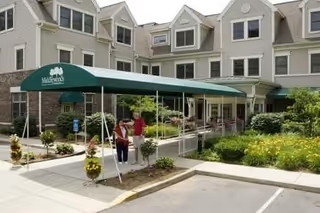
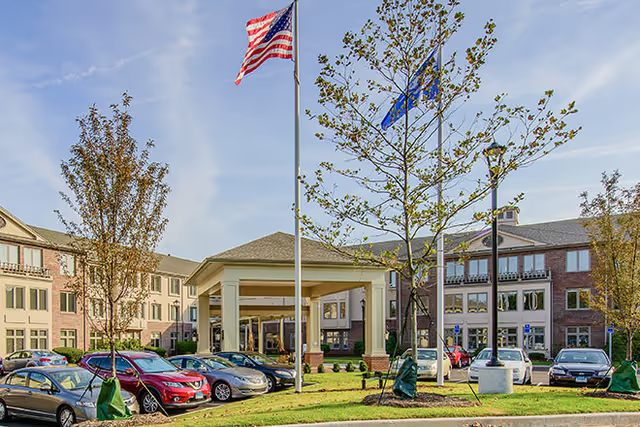
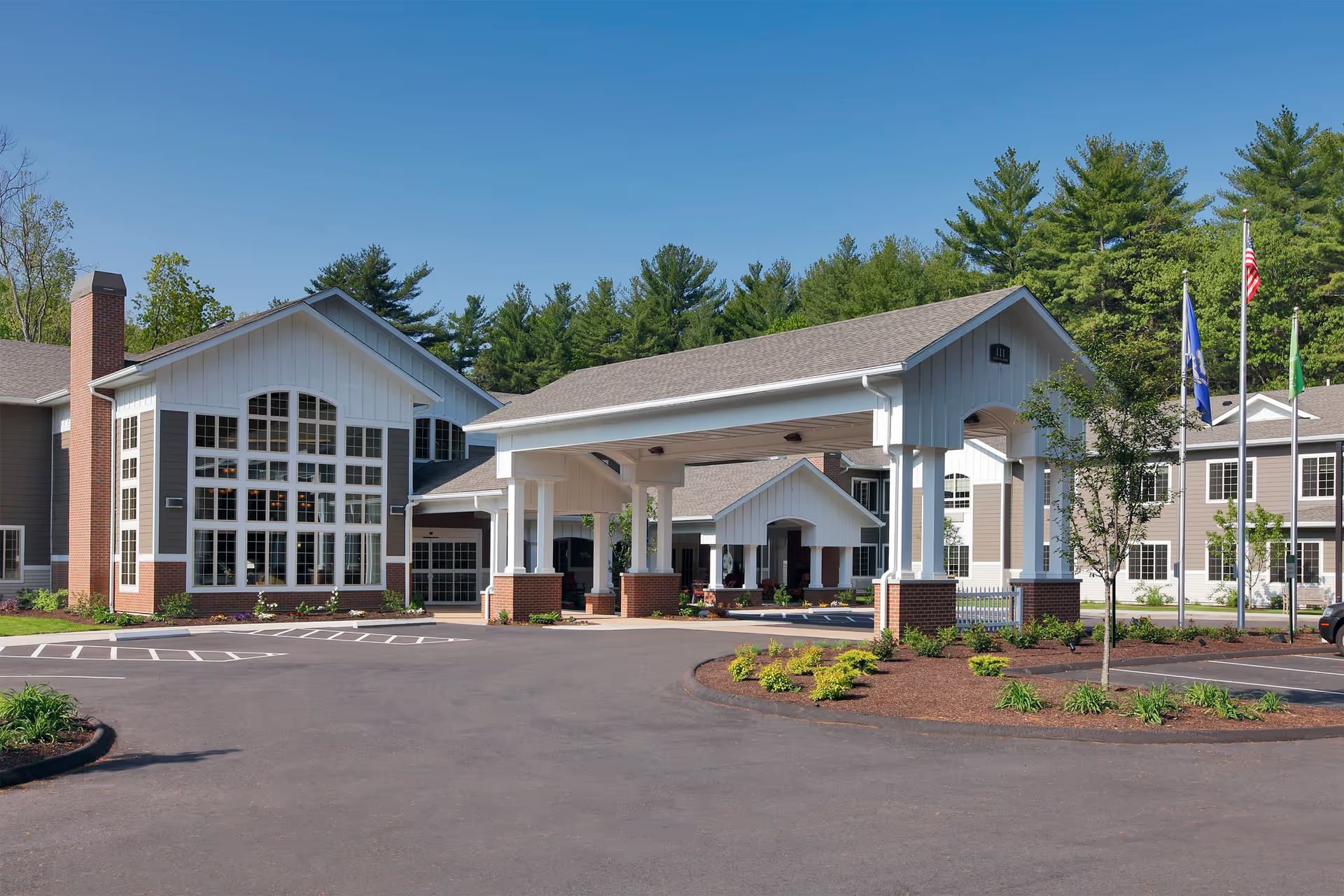
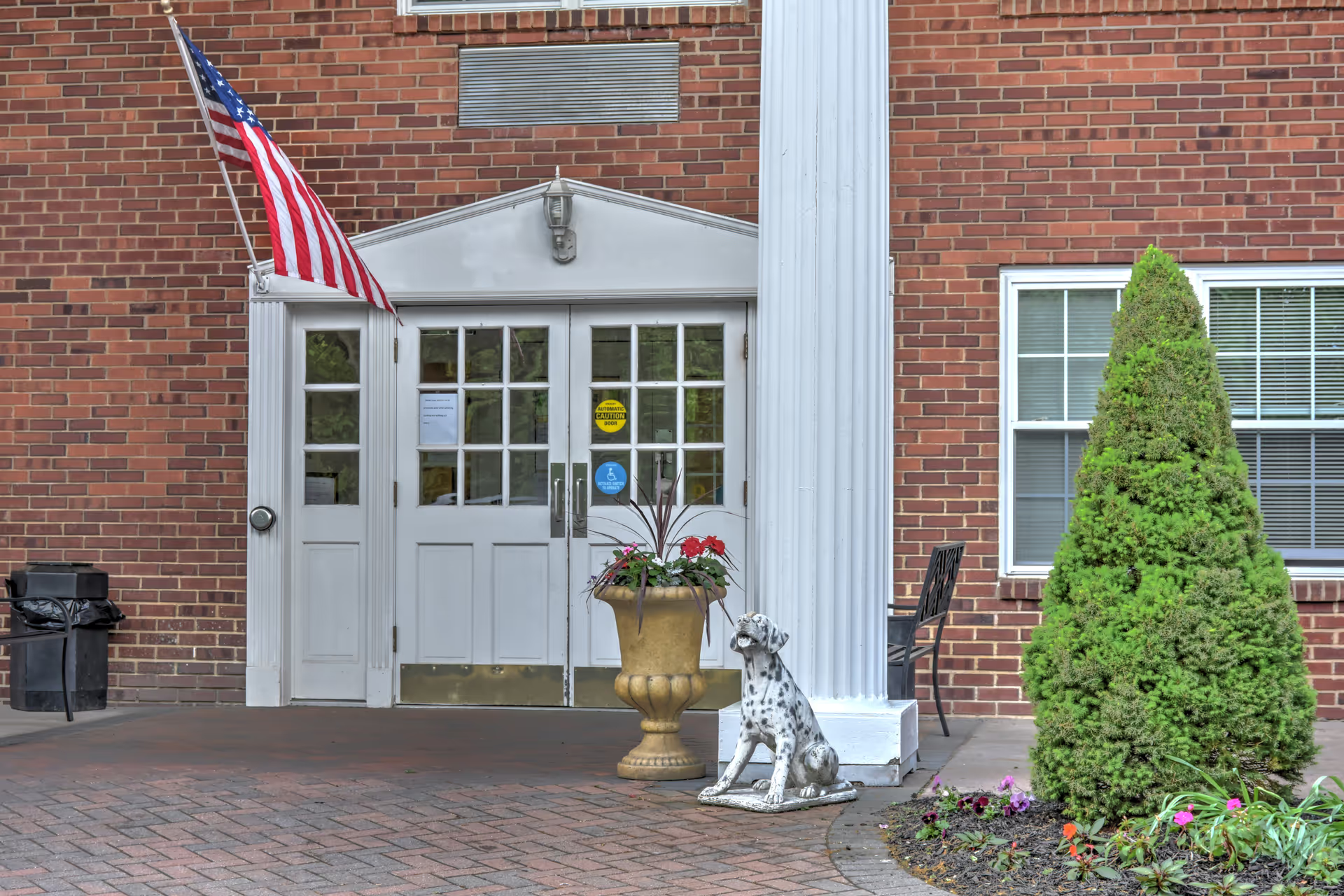
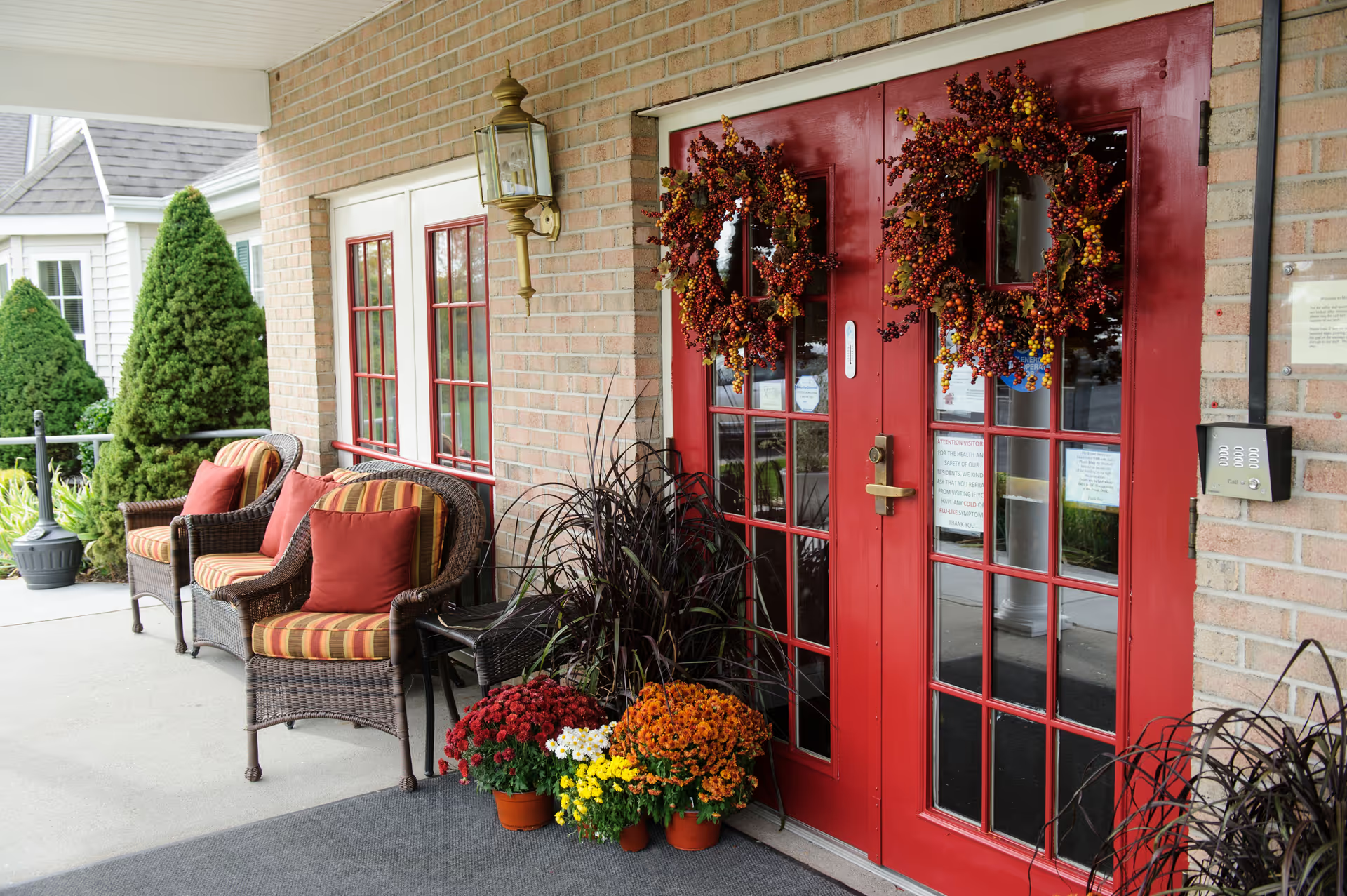
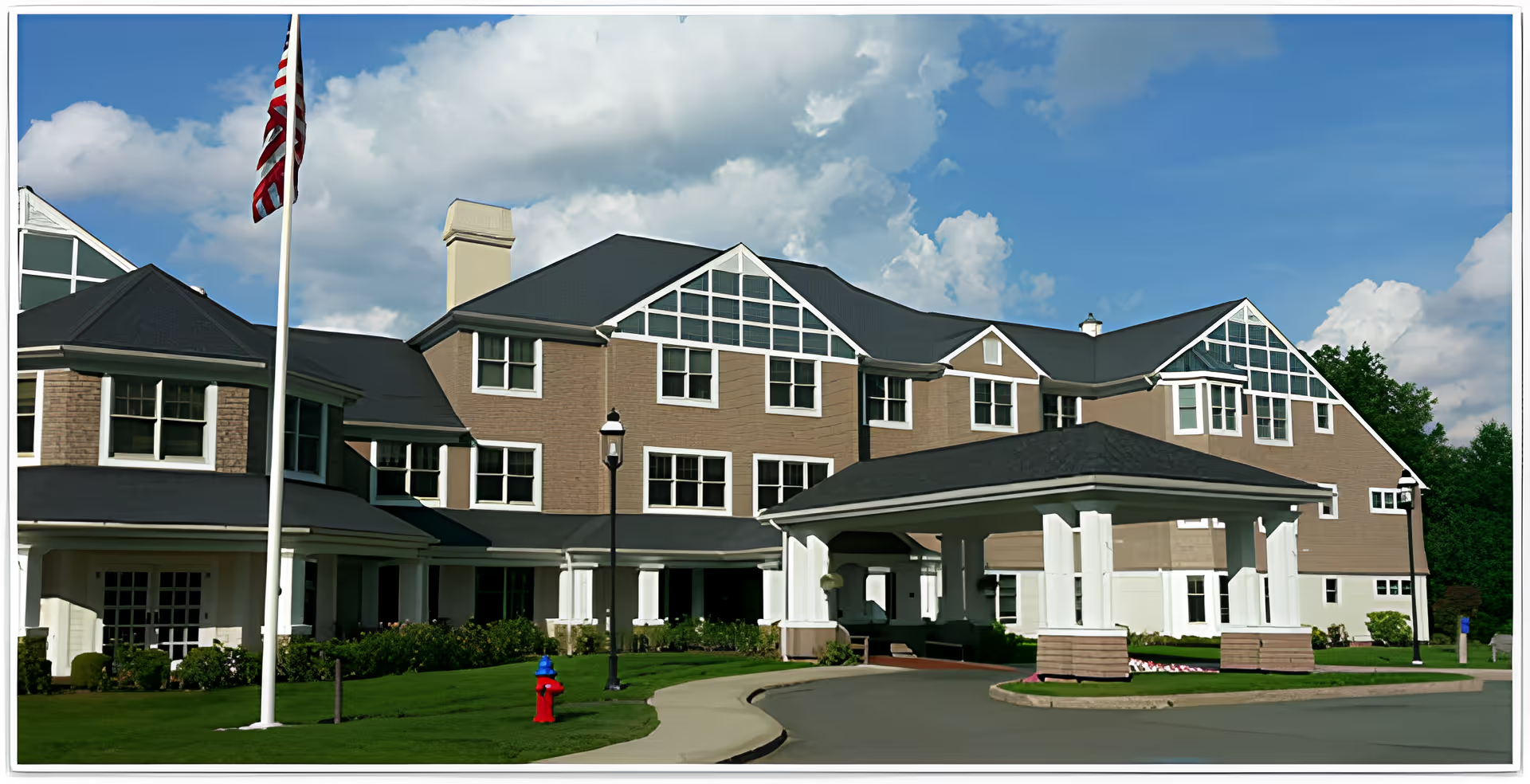
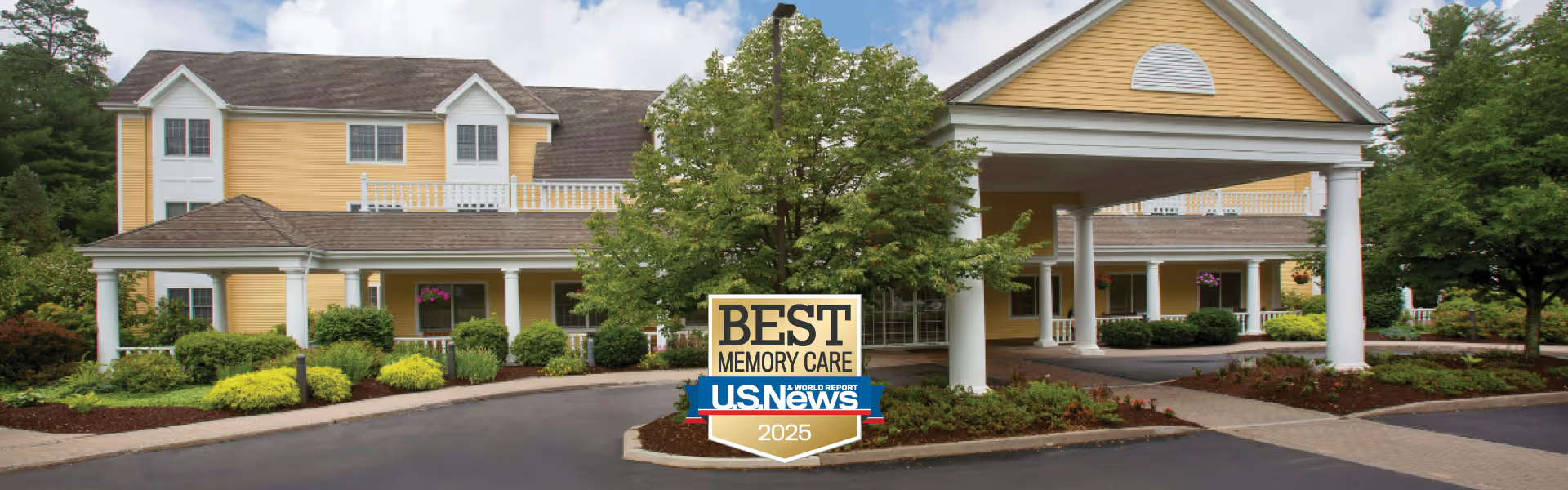
Facility and environment receive favorable remarks for cleanliness, landscaping, secure outdoor patios and courtyards, and a homey aesthetic with porches and communal living-dining areas per household. Families appreciate the secure yet non-institutional feel and the convenient location near retail and medical centers. However, some operational limitations are noted: the facility lacks certain equipment for higher-acuity transfers, and accessibility can be a challenge for families who must travel a distance.
Management and communication present a mixed pattern. Many families praise engaged leadership, effective nursing directors, and staff who proactively engage with residents and relatives. Positive mentions include helpful admissions support and expedient placement. Conversely, recurring operational themes include inconsistent communication around billing and family contacts, uneven orientation support for new residents, and variable staffing levels particularly during certain shifts. There are also concerns referencing medication-management and clinical documentation practices, along with laundry/sanitation-process issues and occasional professionalism complaints. These items indicate areas where administrative oversight and process standardization could reduce variability in the resident experience.
Overall, Arden Courts Farmington is depicted as a well-appointed, dementia-focused community with substantial strengths in personalized caregiving, programming, and environment. Prospective families should weigh the facility's strong clinical leadership and activity offerings against operational variability (staffing consistency, communication, and specific clinical-process controls). A careful in-person tour, discussion of staffing patterns for the prospective household, clarification of billing/contacts, and review of clinical and transfer equipment capabilities are advisable steps before placement.