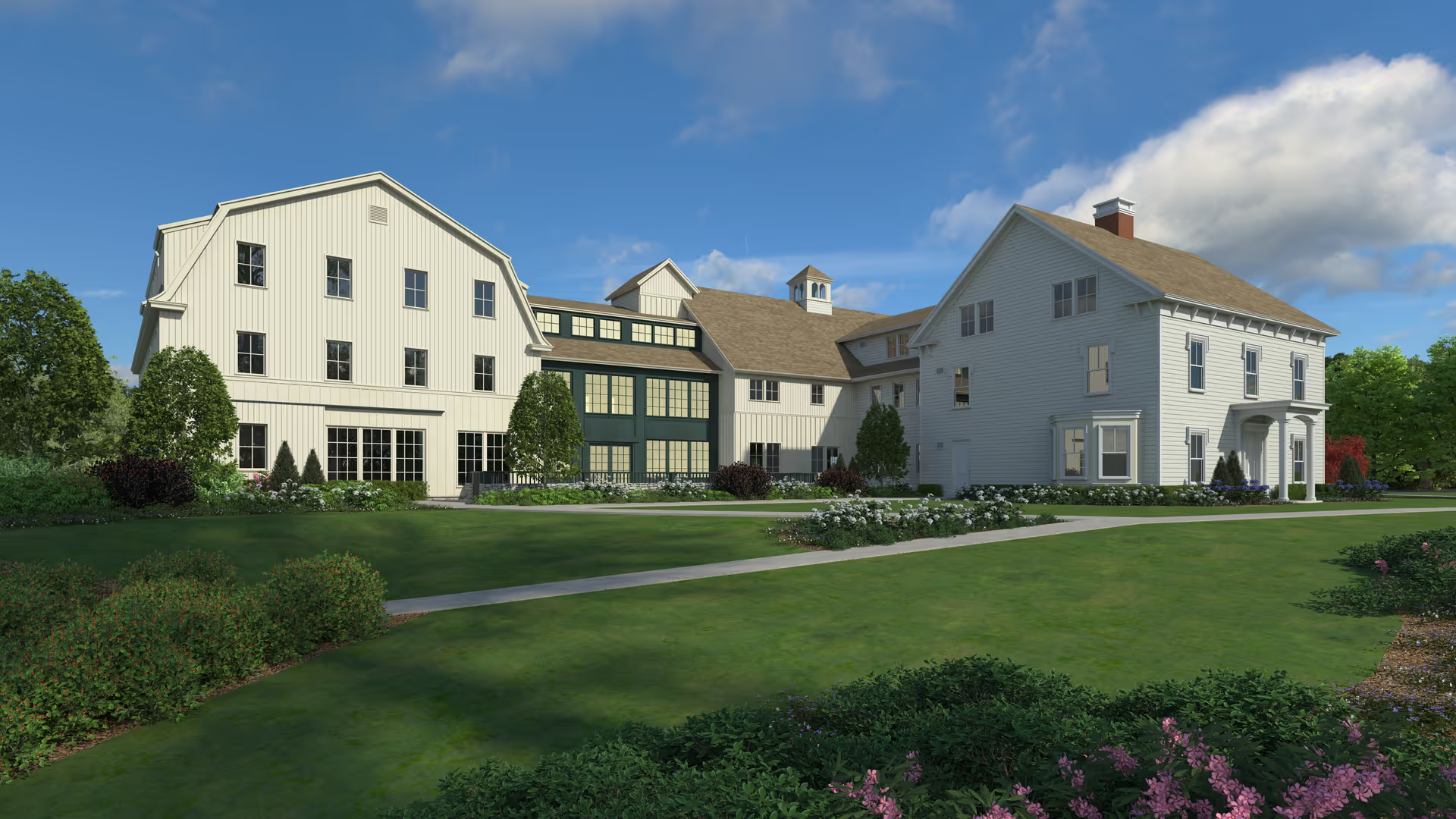
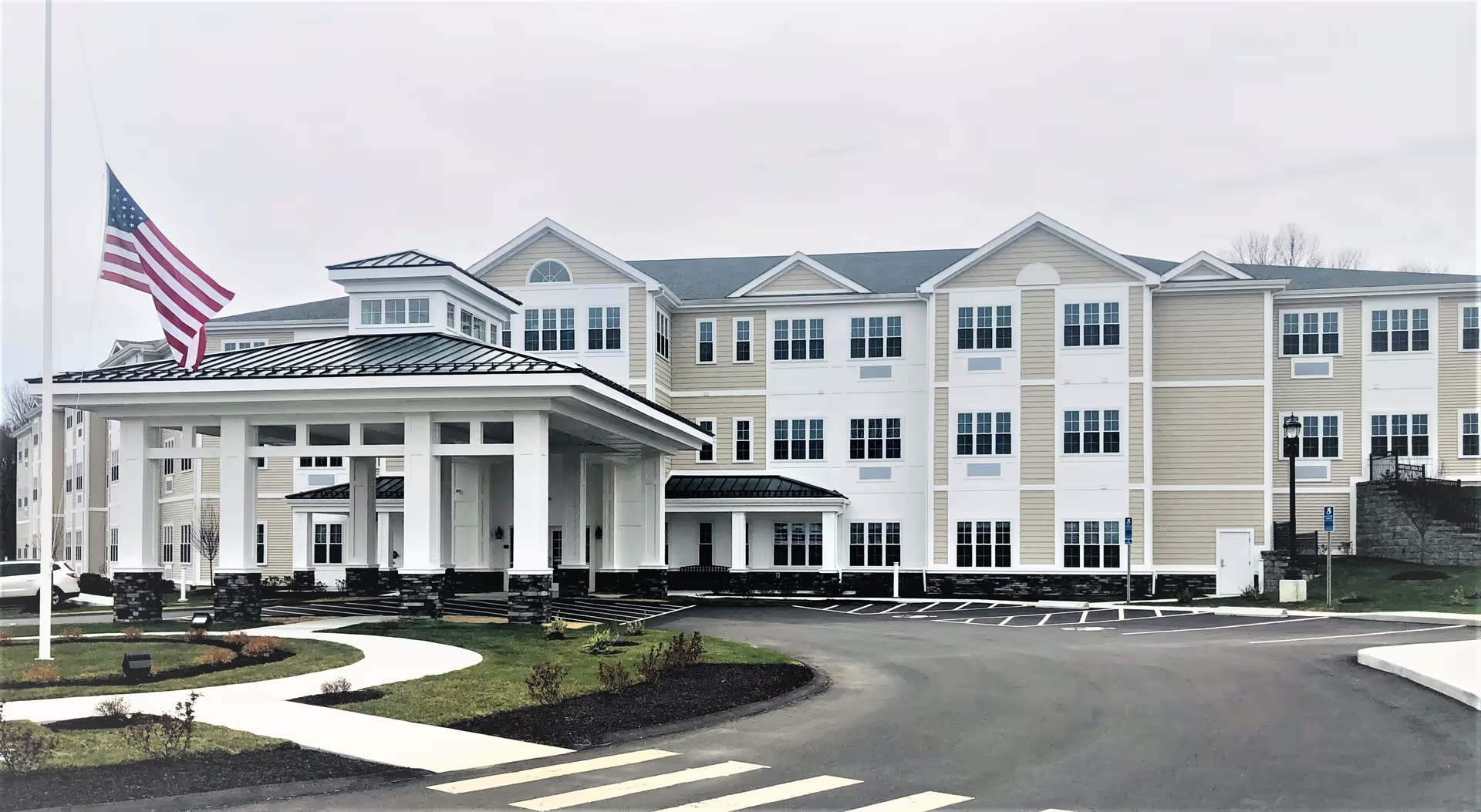
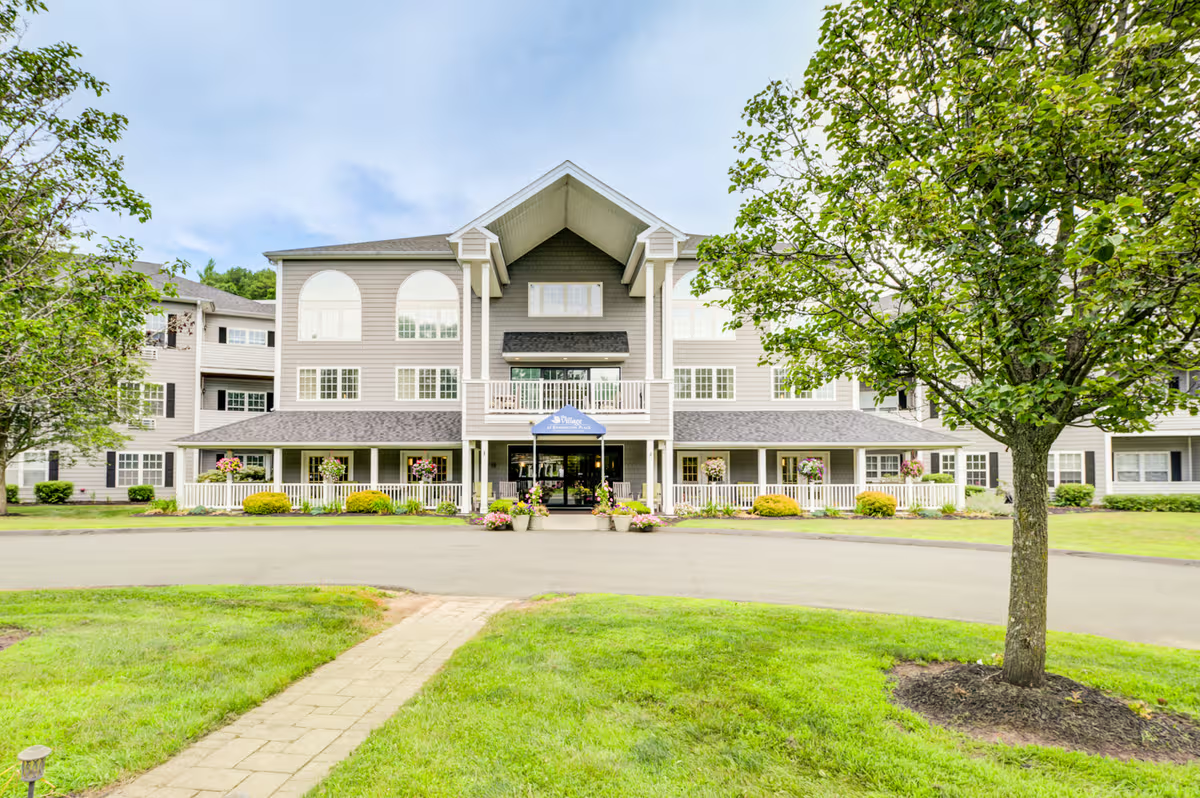
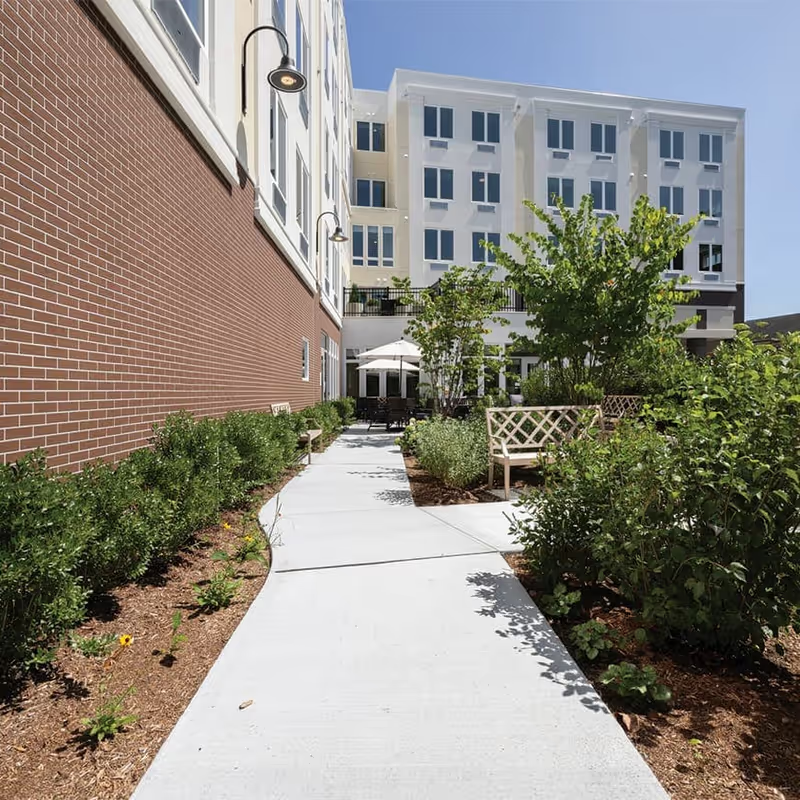
Overall impression The Village at East Farms presents as a well-appointed assisted‑living and memory‑care community with many consistently positive attributes. Reviewers emphasize a warm, family‑like atmosphere driven by caregiving staff who are described as compassionate, attentive, and knowledgeable about individual resident preferences. The physical environment—landscaped grounds, sunlit common areas, private apartments with en‑suite bathrooms, and secure outdoor spaces—is frequently highlighted as clean, attractive, and conducive to social engagement.
Care and staff Clinical and direct‑care staff receive strong praise for compassion, hands‑on support, and consistent presence; many comments note 24/7 nursing availability, regular hourly rounds, and helpful nursing updates to families. Activity and dining staff, therapists, and front‑desk teams are also singled out for responsiveness and individualized attention. At the same time, a recurring operational concern is periodic understaffing that can strain direct‑care responsiveness and affect the timeliness of some tasks. In addition, reviewers describe gaps in senior management communication and variable follow‑through on escalated issues, which can undermine family confidence even when frontline caregivers are viewed positively.
Dining and activities The community offers an extensive activities calendar—exercise classes, music, choir, arts and crafts, outings, support groups, and frequent social events—that reviewers say supports socialization and cognitive engagement. Transportation for appointments and church, on‑site salons, and occasional demonstrations/trips add to the programmatic strengths. Dining is commonly described as a strong point with made‑to‑order options, varied menus, and restaurant‑style dining; however, some families note variability in food quality and individual taste preferences, plus additional charges for in‑room or special services that affect perceived value.
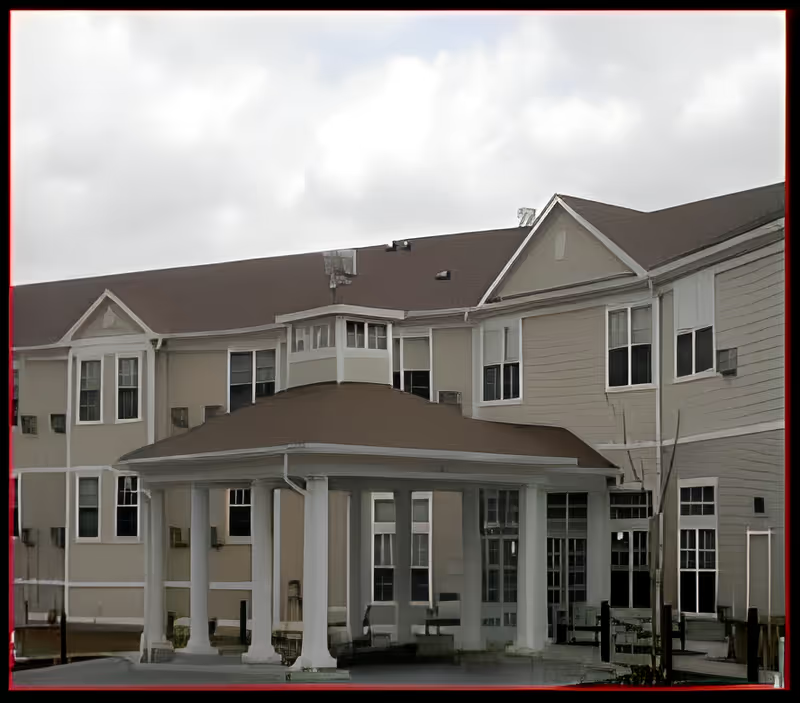
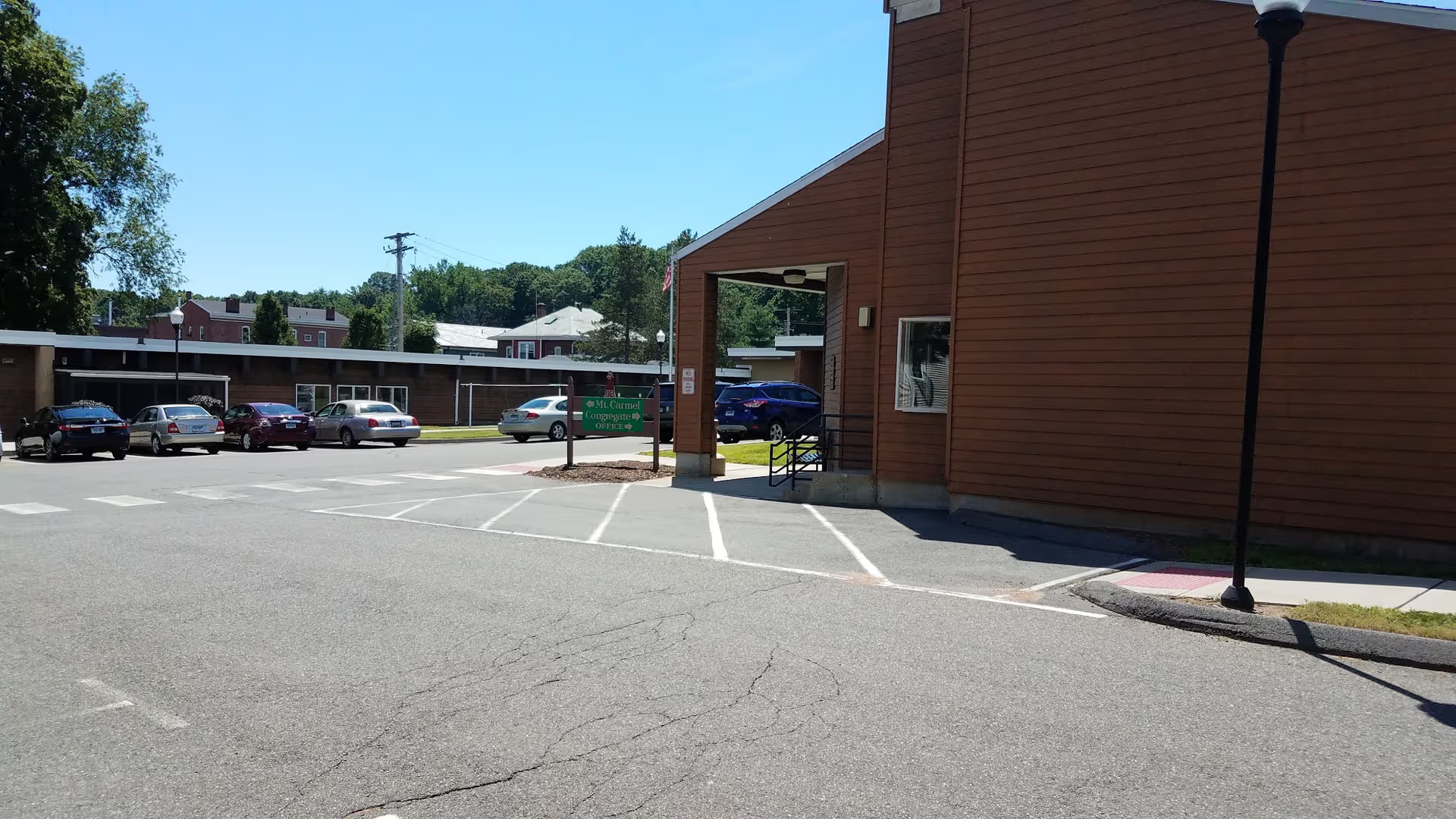
Facilities and services Physical plant features receive broad commendation: spacious lobbies, large dining rooms, secure memory‑care design, well‑kept landscaping, and available allied services (dental, eye care, salon). Private apartments with refrigerators and large bathrooms are available, and maintenance staff are described as helpful. Concerns most commonly referenced at the facility level involve occasional maintenance or accessibility supply shortfalls, parking limitations, and the sense that portions of the campus can be large or institutional in scale—attributes that may not suit every resident or family preference.
Management, cost, and notable patterns Cost and fee structure are recurrent themes. The community is positioned at the higher end of the market; reviewers note rising rents, extra fees for certain nursing/medication or in‑room services, and the absence of certain public assistance options, which limits affordability for some families. Several reviews also point to opaque billing practices and frustration over supplemental charges. Security and incident response arise as a pattern-level concern in the form of perceived weak follow‑up on parking or theft incidents rather than routine day‑to‑day care. Finally, pandemic and infection‑control measures led to visitation restrictions that were stressful for families; while staff adaptability was praised during those periods, the combination of restricted access and communication lapses remains a notable pattern.
Recommendation framing For prospective residents and families, The Village at East Farms appears to offer strong day‑to‑day caregiving, an active social program, and well‑maintained facilities that support quality of life—particularly for those who can accommodate the community’s cost structure. Important due diligence points include clarifying current staffing levels and contingency plans, obtaining detailed explanations of fees and billing practices, assessing whether the campus scale and memory‑care environment match the prospective resident’s preferences, and asking about security incident protocols and management communication processes. These targeted inquiries will help align expectations with the community’s operational strengths and areas that families commonly monitor.