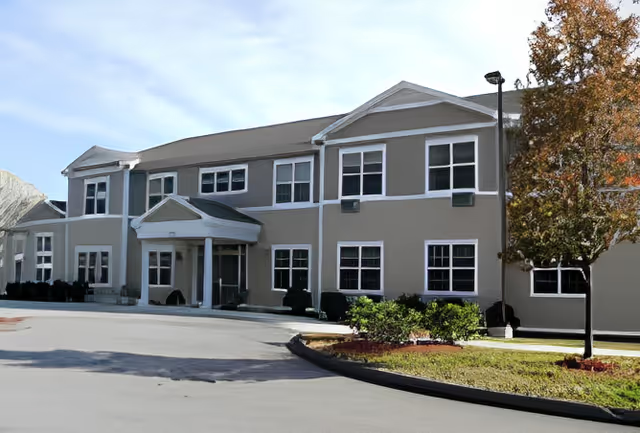
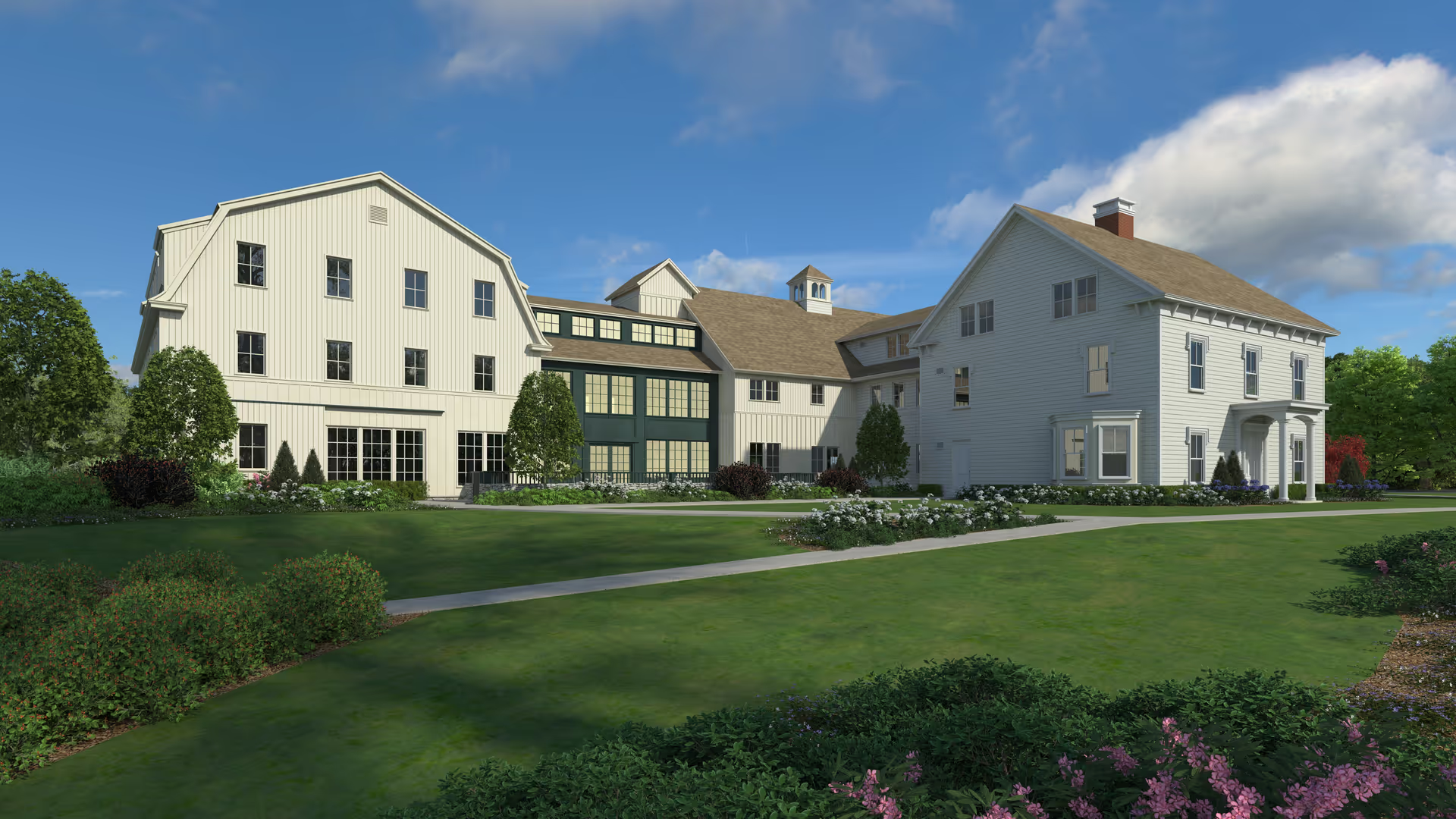
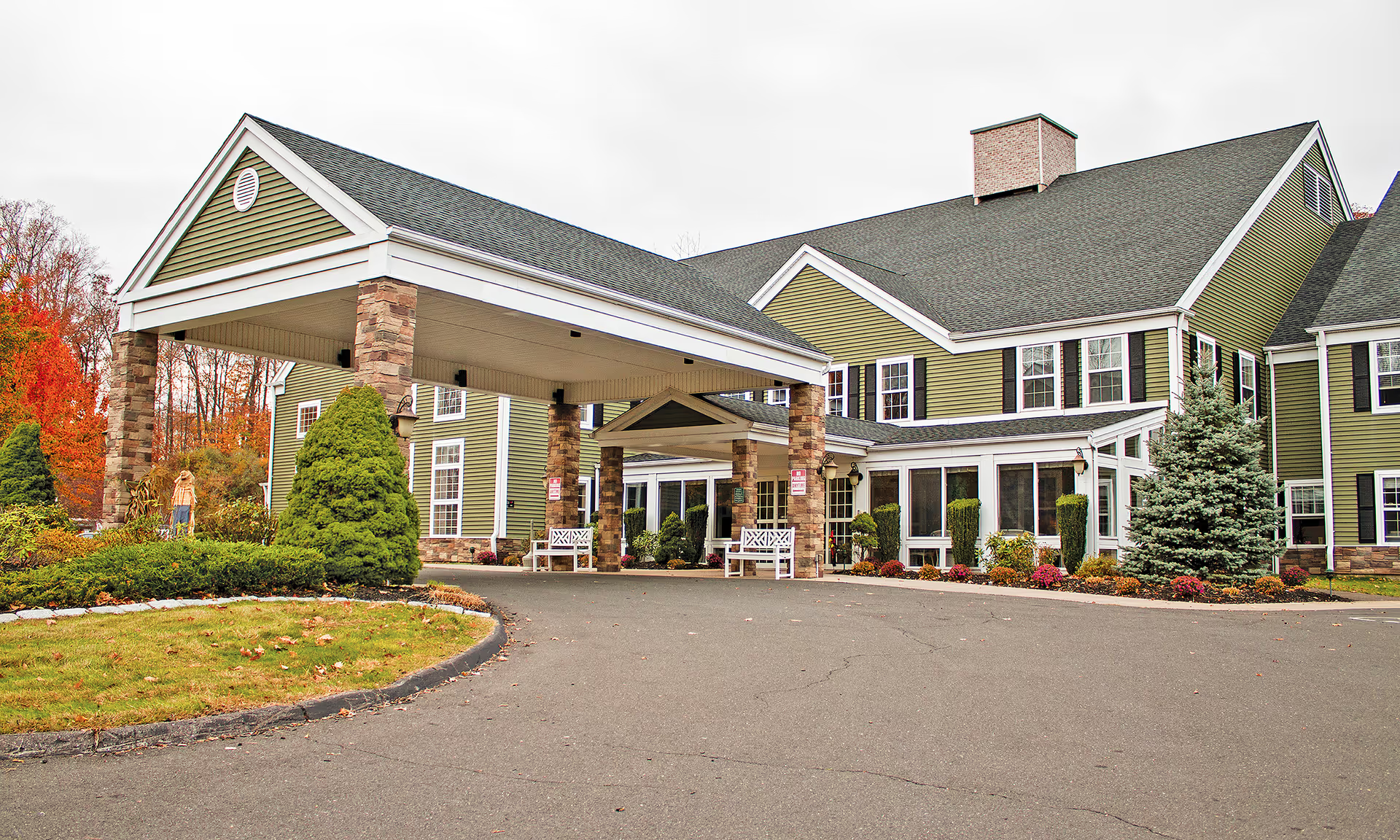
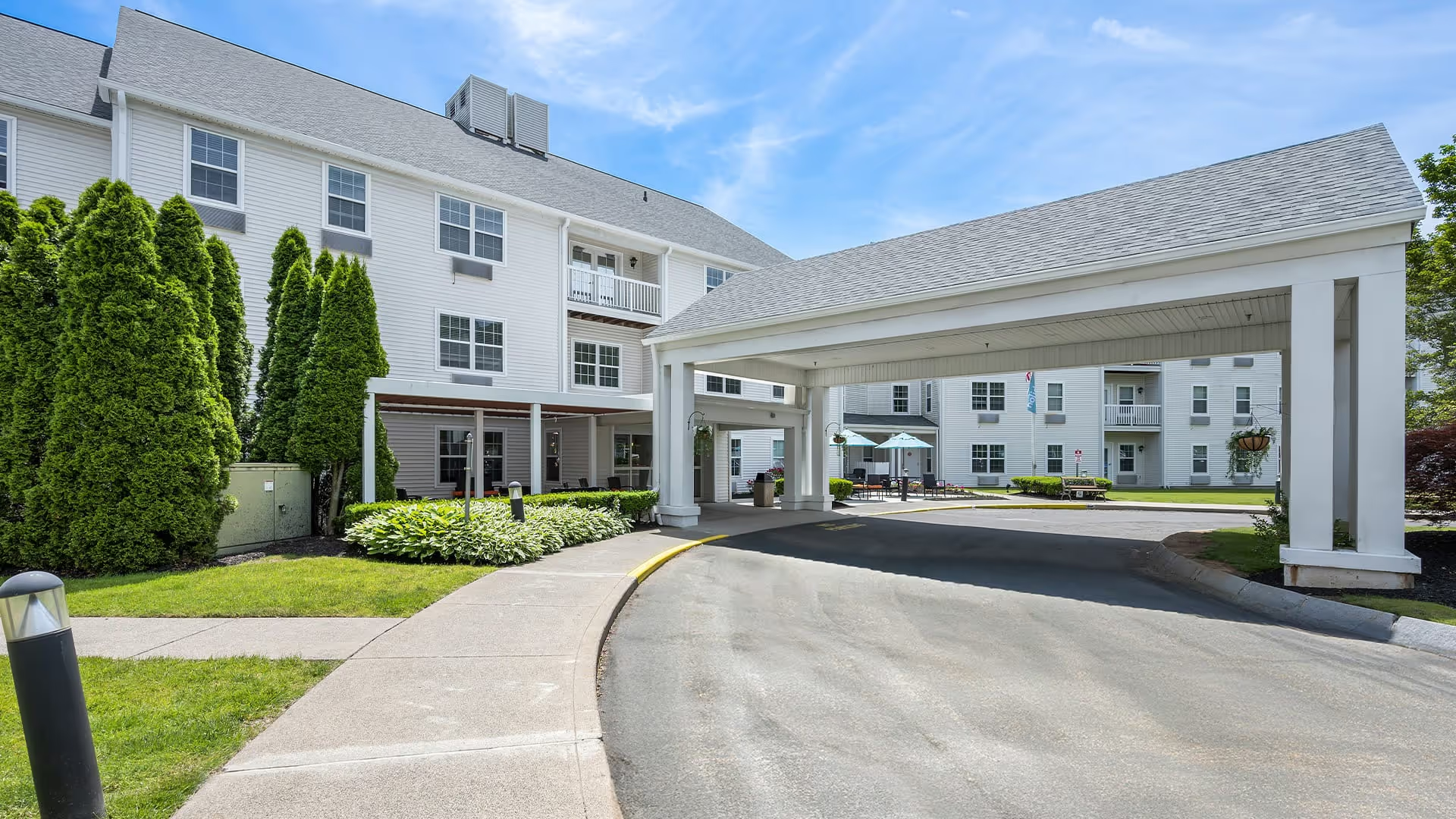
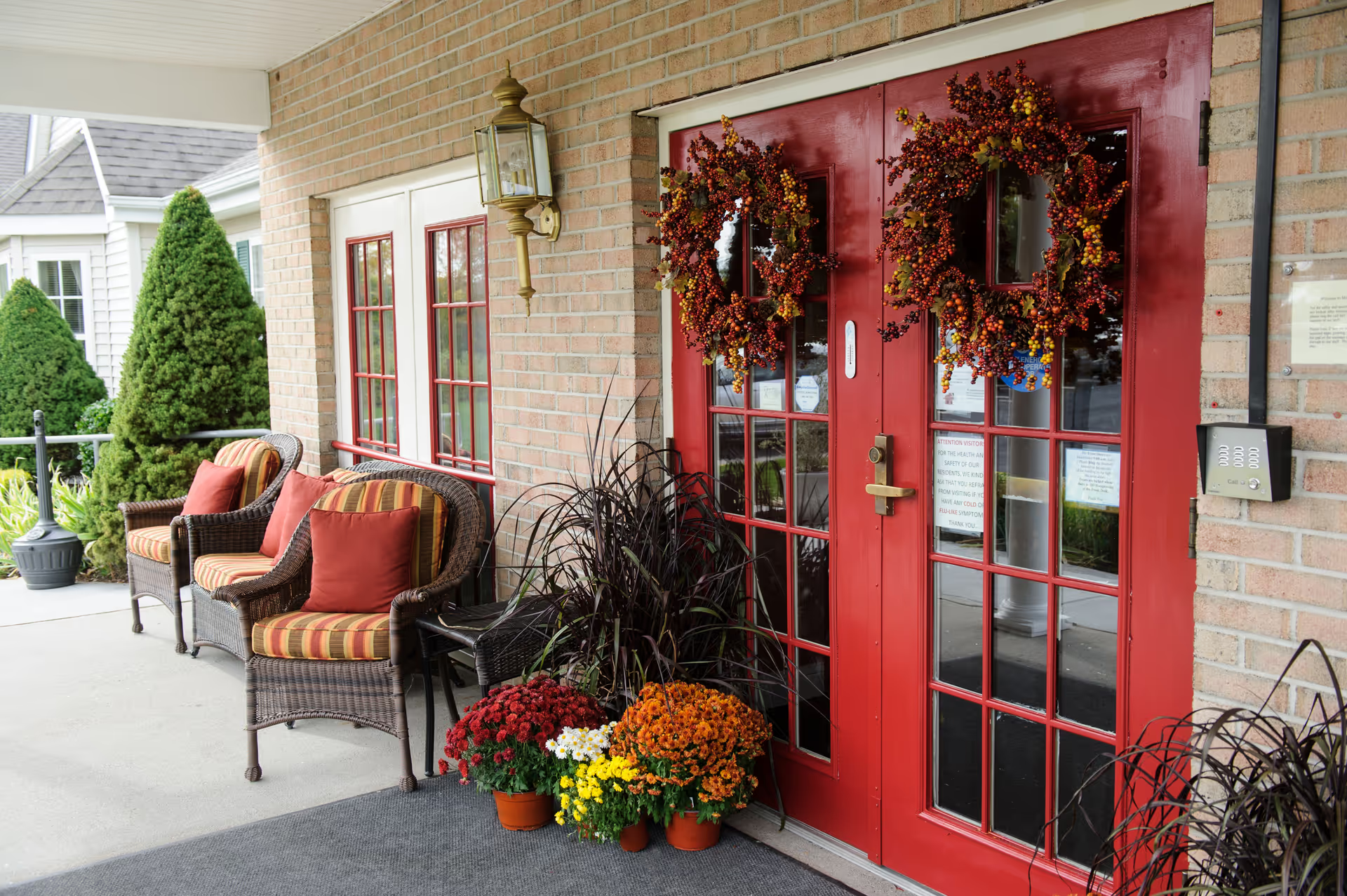
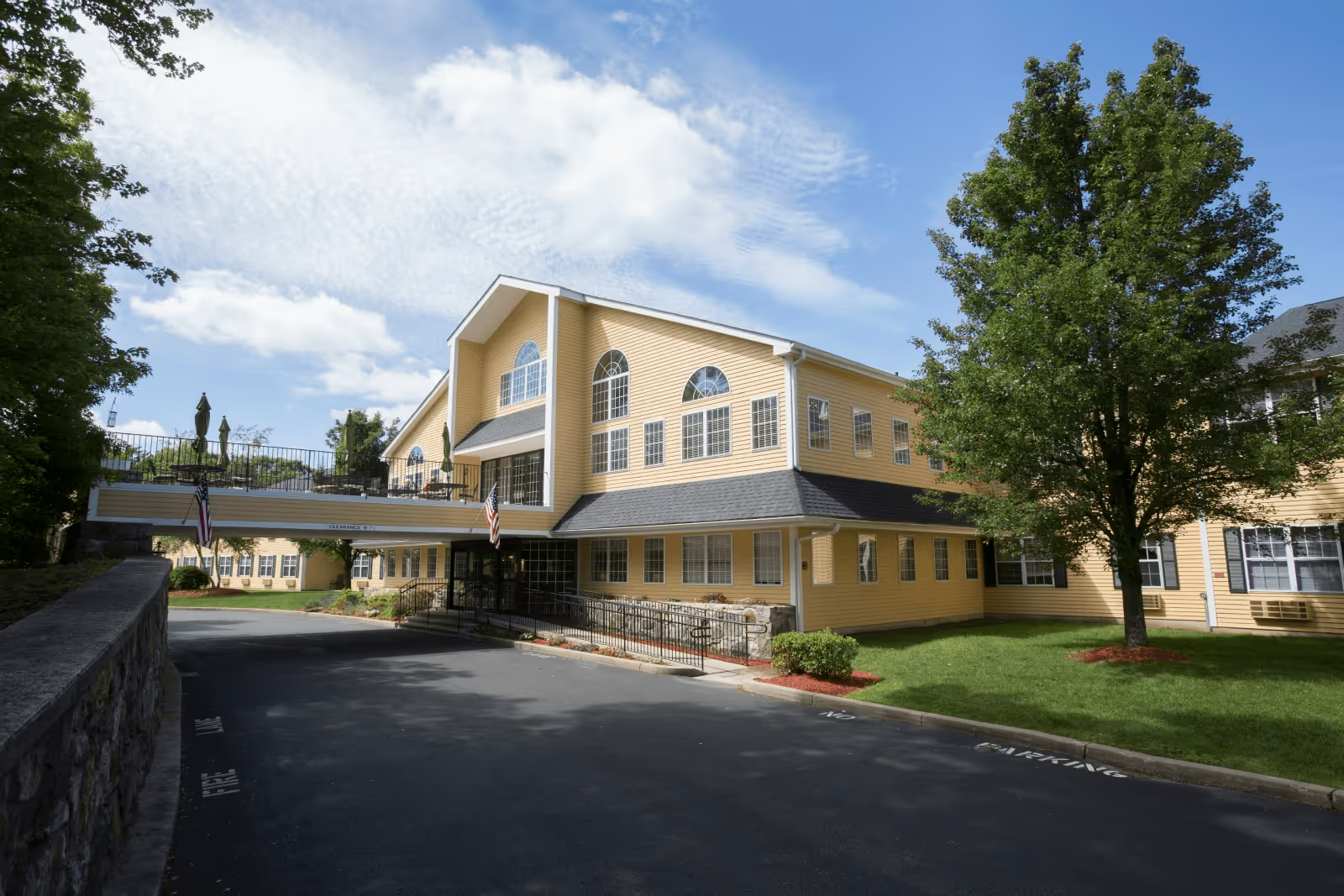
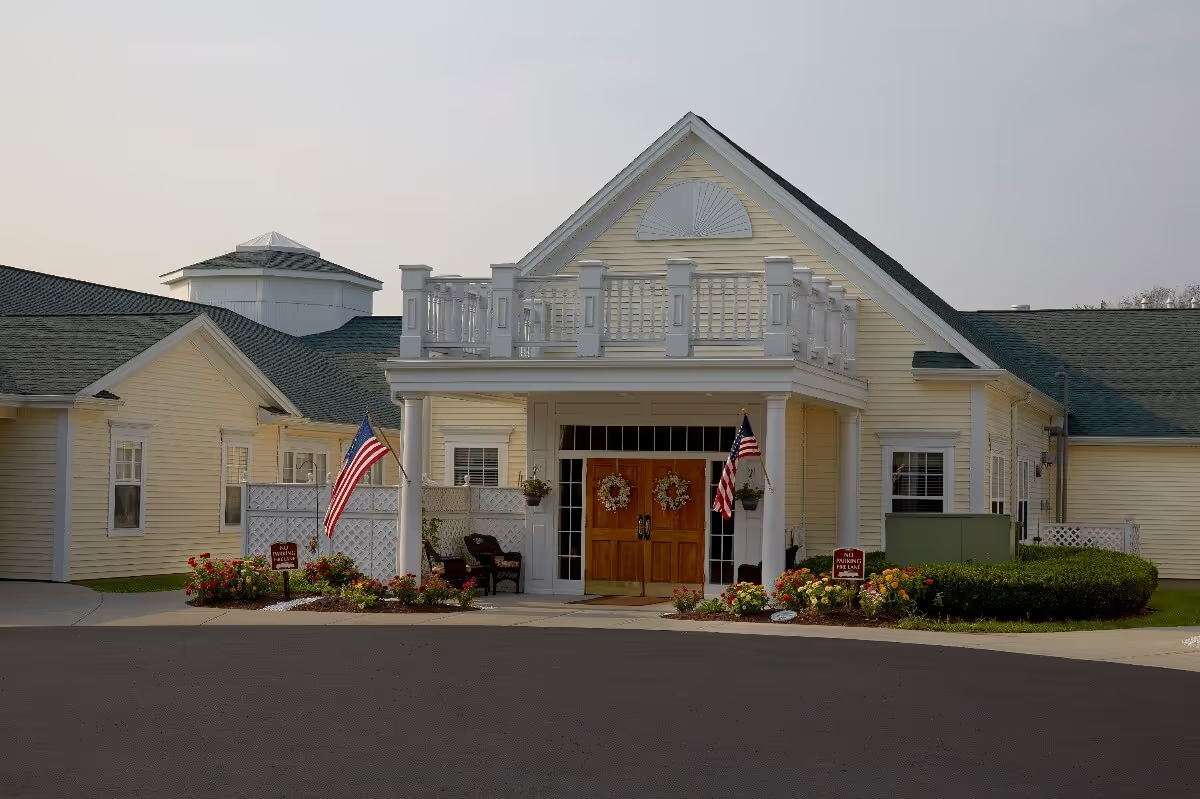
Overall impression: The Village at Kensington Place is consistently described as a warm, activity-rich community with strong food service and an attentive, personable staff. Many families emphasize the compassionate demeanor of aides and nurses, the presence of on-site administration, attractive apartment layouts, and multiple outdoor spaces. The community offers a clear continuum of care (assisted living and memory care), chef-led meals, snack stations, and a broad calendar of social, cultural, and therapeutic activities that many residents find meaningful for socialization and quality of life.
Care and staff: Staff quality is a recurring strength. Reviewers highlight skilled nursing personnel, RNAs, and engaged activity coordinators who foster social connections and individualized attention. The community is credited with medication administration, routine care tasks, and responsive transitions for new residents. At the same time, a pattern of operational staffing constraints emerges: weekend coverage and overall staffing levels are sometimes limited, and families note slower-than-expected responses to call bells or assistance requests. These gaps have translated, in a subset of cases, to concerns about clinical continuity (for example, timeliness of interventions and coordination with outside providers).
Dining and activities: Dining is a prominent positive. The culinary program, including a dedicated chef, full menus, daily specials, and room-delivery options, receives consistently high marks. The community supports a large and varied activities program—bingo, arts and crafts, live music, outings, memory-focused engagement, and therapeutic visits—which many families credit with improving residents' mood and social involvement. Some comments indicate variability in how well higher‑functioning memory residents are engaged; prospective families should clarify individual activity plans during a tour.
Facilities and operations: Physical facilities are generally described as clean, well-kept, and attractive, with comfortable common areas, dining rooms, and accessible outdoor spaces. However, there are recurring operational concerns: intermittent maintenance issues (leaks, worn carpeting, older laundry equipment), occasional sanitation or kitchen-cleanliness observations, and pest-control concerns in specific areas. Families also note inconsistent laundry handling and lost clothing incidents, suggesting room for process improvement.
Management, billing, and policies: Management visibility and helpful admissions staff receive positive comments, and many reviewers appreciate proactive communication when it occurs. Conversely, several operational friction points appear repeatedly: billing complexity (ancillary fees such as meal-delivery charges and medication-administration billing), delayed invoices or reimbursement, and disagreements about final charges after discharge. A few reviewers raised concerns about policy changes—particularly around pet-management—which have affected family perceptions. Communication inconsistencies and unmet expectations about promises or follow-up were also cited as areas for improvement.
Notable patterns and guidance: Strengths cluster around compassionate caregiving, strong dining, robust activities, and a welcoming community environment. The most consistent operational weaknesses are staffing levels and responsiveness, administrative/billing clarity, and some maintenance and process reliability items. Prospective residents and families should tour with specific questions about staffing ratios and weekend coverage, emergency and call-response protocols, how medications and ancillary services are billed, laundry and belongings procedures, and how memory-care engagement is individualized. These focused inquiries will help determine whether the community’s strong social and culinary offerings align with the prospective resident’s medical and supervision needs.