The reviews describe a facility with a pronounced split between strong short-stay rehabilitation services and uneven long-term care performance. Many accounts highlight high-quality, goal-oriented PT/OT programs and therapists who produce measurable recovery outcomes; short-stay residents and families frequently praised individualized therapy, effective discharge planning for rehab goals, and positive functional gains. Several clinicians, including nurse practitioners and select nurses, were described as proactive and communicative, contributing to satisfactory clinical experiences for some residents.
At the same time, there is consistent evidence of operational weaknesses affecting day-to-day long-term care. Staffing levels and allocation appear variable, producing delays in assistance, medication administration, and response to calls. Aides and nursing assistants were frequently identified as a source of concerns about conduct and tone; while some nurses and staff were described as compassionate, others were characterized as brusque or unprofessional. These inconsistencies in staff behavior and availability correlate with family dissatisfaction and suggest uneven training, supervision, or scheduling practices.
Clinical-safety and medication-management issues recur in the accounts. Reviewers cite delays or errors in medication delivery, pharmacy transitions, and paperwork-related confusion that temporarily affected anticoagulant and analgesic management. There are also descriptions that indicate weaknesses in transfer and fall-prevention protocols, occasional unsecured doors or supervision gaps, and limited after-hours clinical responsiveness. Together these items point to the need for stronger oversight of medication workflows, handoffs between departments, and continuous staffing coverage.
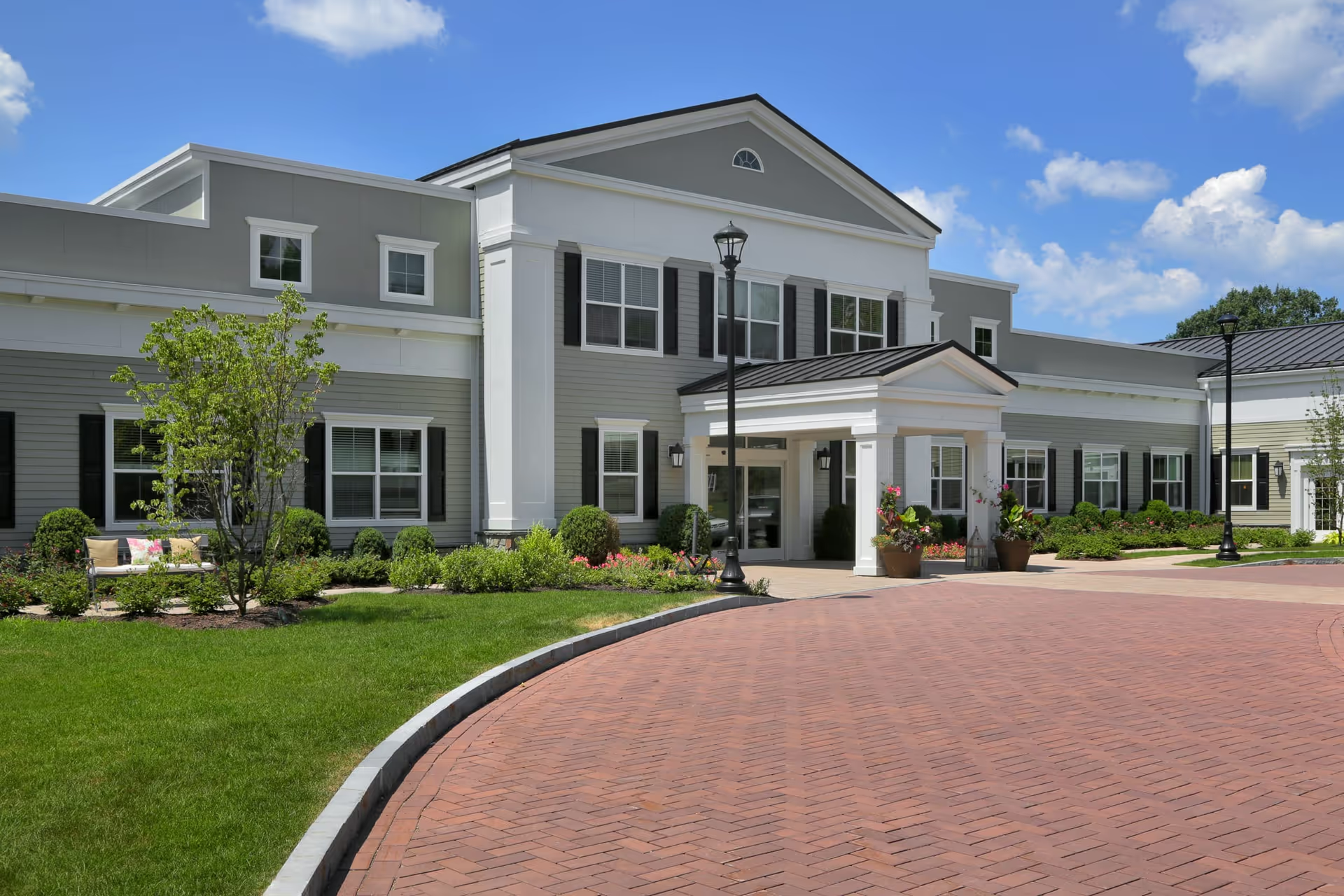
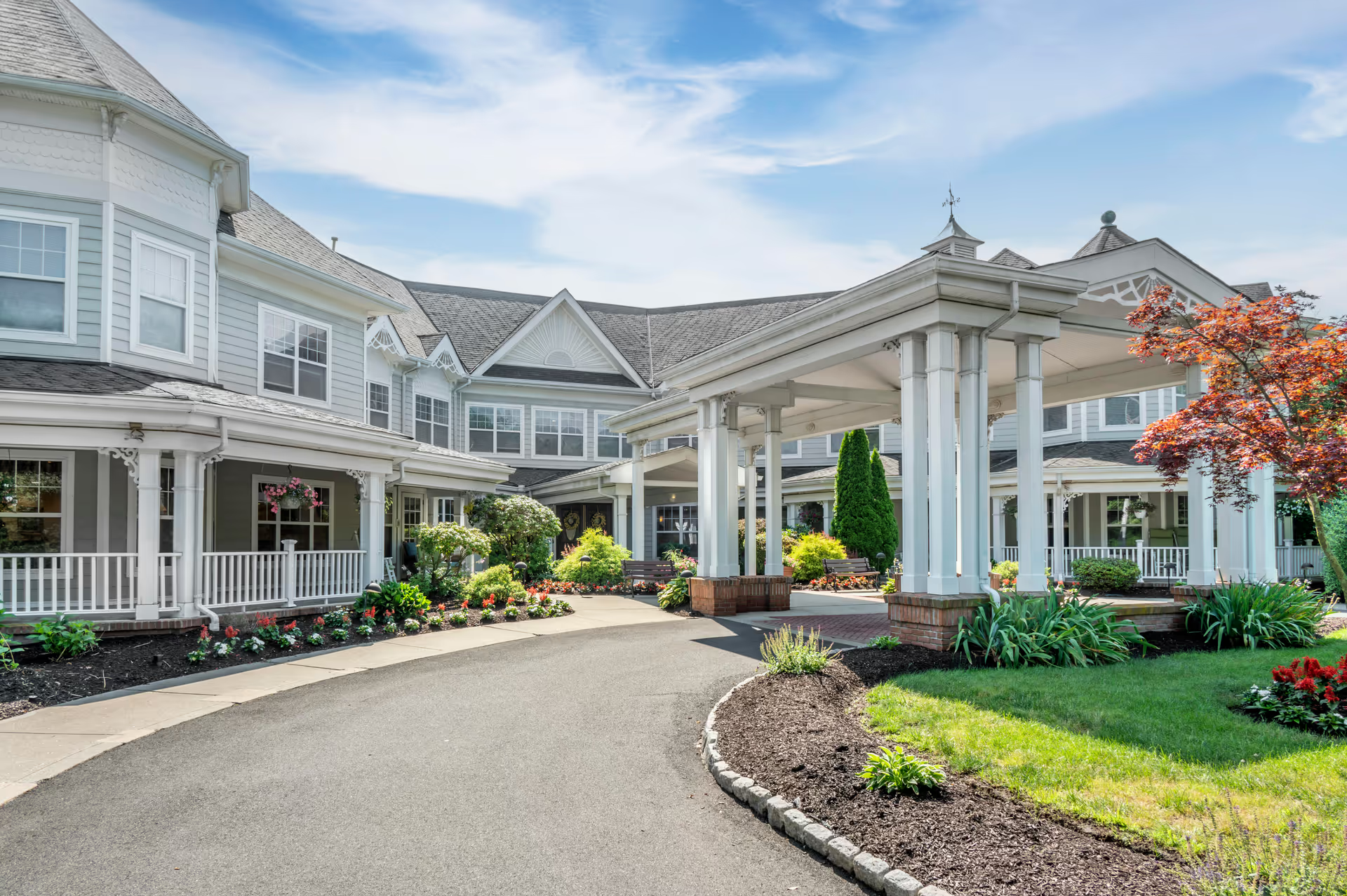
Facility and services quality shows variability by unit. Positive comments note an on-site salon, engaging activities (church services, music, pet visits), generally well-kept common areas, and attentive housekeeping/linen practices in some areas. Counterbalancing those, reviewers describe dated rooms, inconsistent climate control, odor concerns in certain hallways, and pest-control issues tied to HVAC units. Dining receives mixed feedback—some families compliment meals and coffee, while others report temperature and quality inconsistencies and missed tray service.
Management and communication are additional themes. Some reviewers praised responsive leadership (for example, corrective action by nursing leadership), whereas others perceived indifference from ownership or inadequate follow-through on billing and discharge coordination. Visitation policies implemented during infection-control periods were experienced as highly restrictive by several families, particularly when flexibility for bedbound or end-of-life residents was needed. Billing discrepancies, phone/communication interruptions, and an occasionally rushed discharge process further contributed to family frustration.
Overall pattern: the facility is frequently recommended for short-term, goal-focused rehabilitation because of its strong therapy staff and measurable outcomes. For prospective long-term residents, reviews suggest a careful, targeted evaluation—tour multiple units, inquire about current staffing ratios and medication-safety protocols, ask for examples of how visitation and end-of-life exceptions are handled, and inspect room maintenance and climate control. These steps can help families weigh the facility’s rehabilitative strengths against the identified operational and consistency issues in long-term care areas.