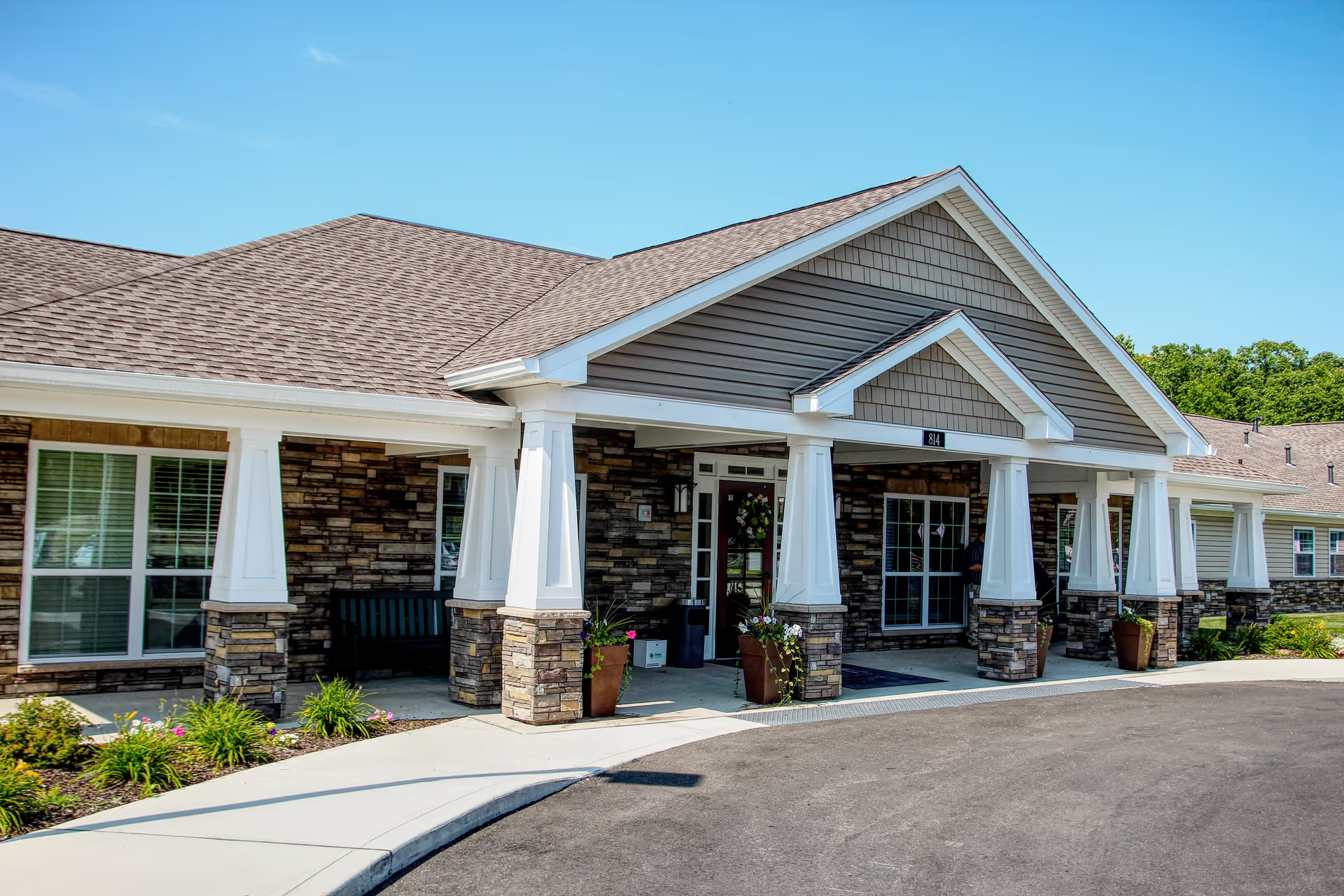
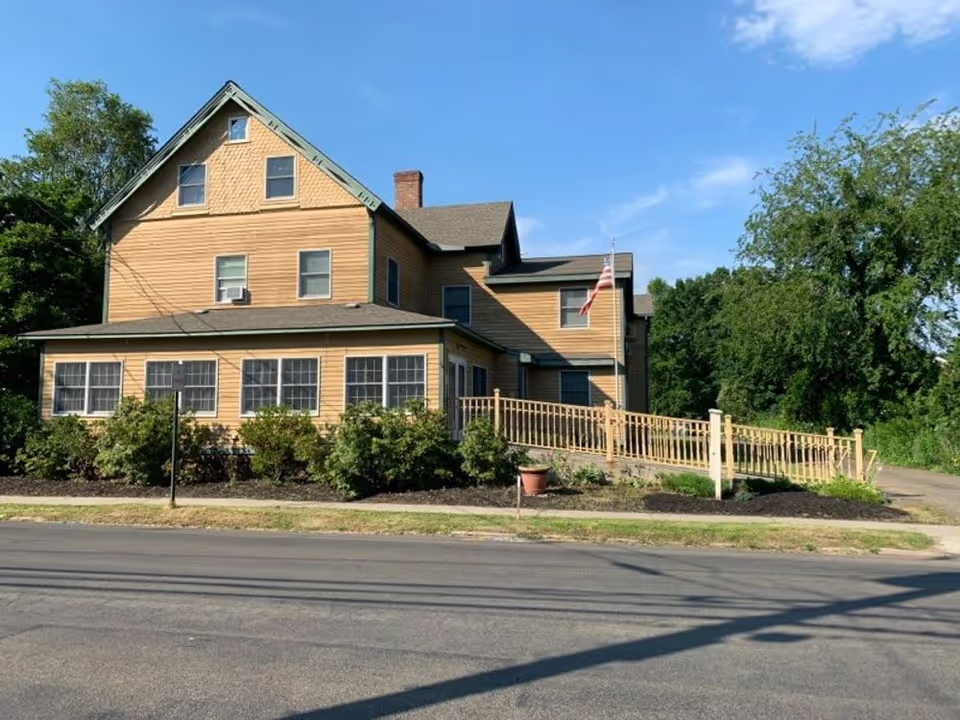
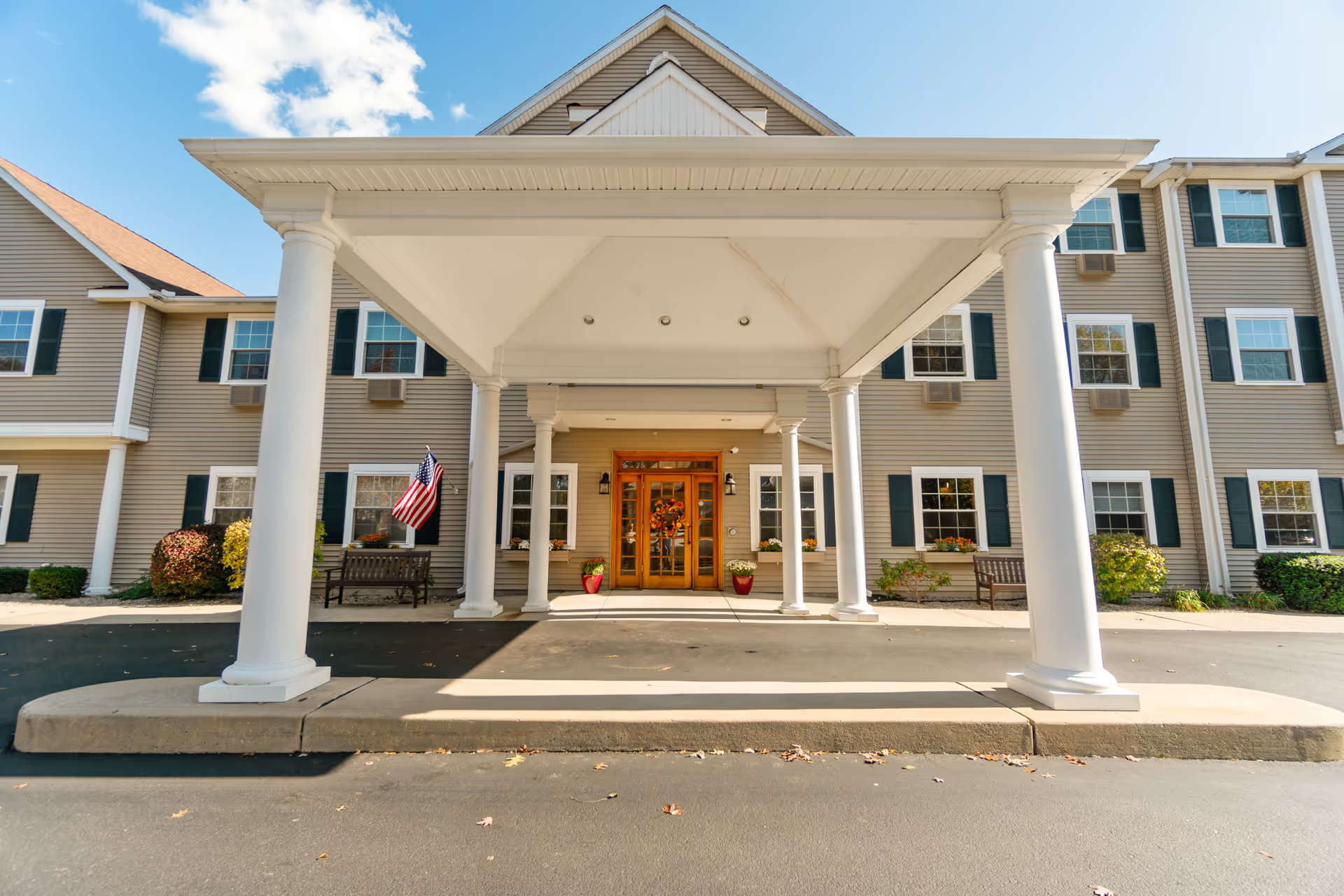
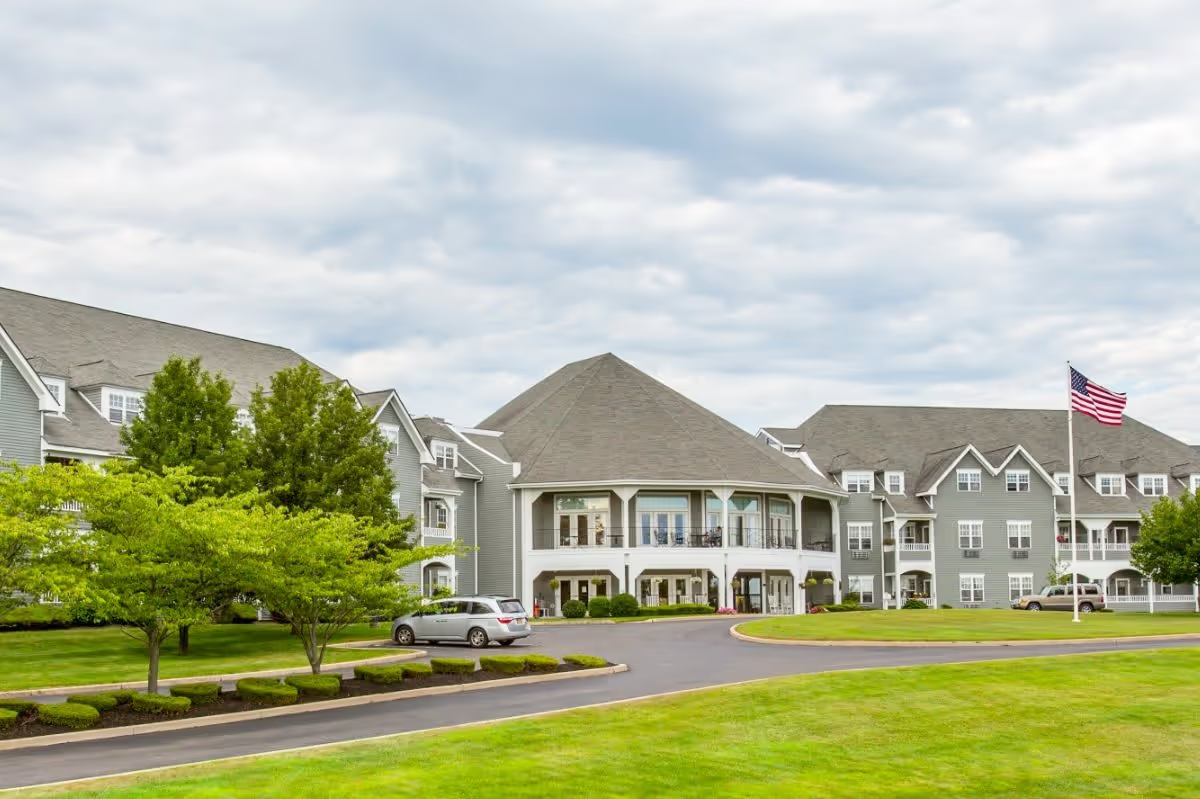
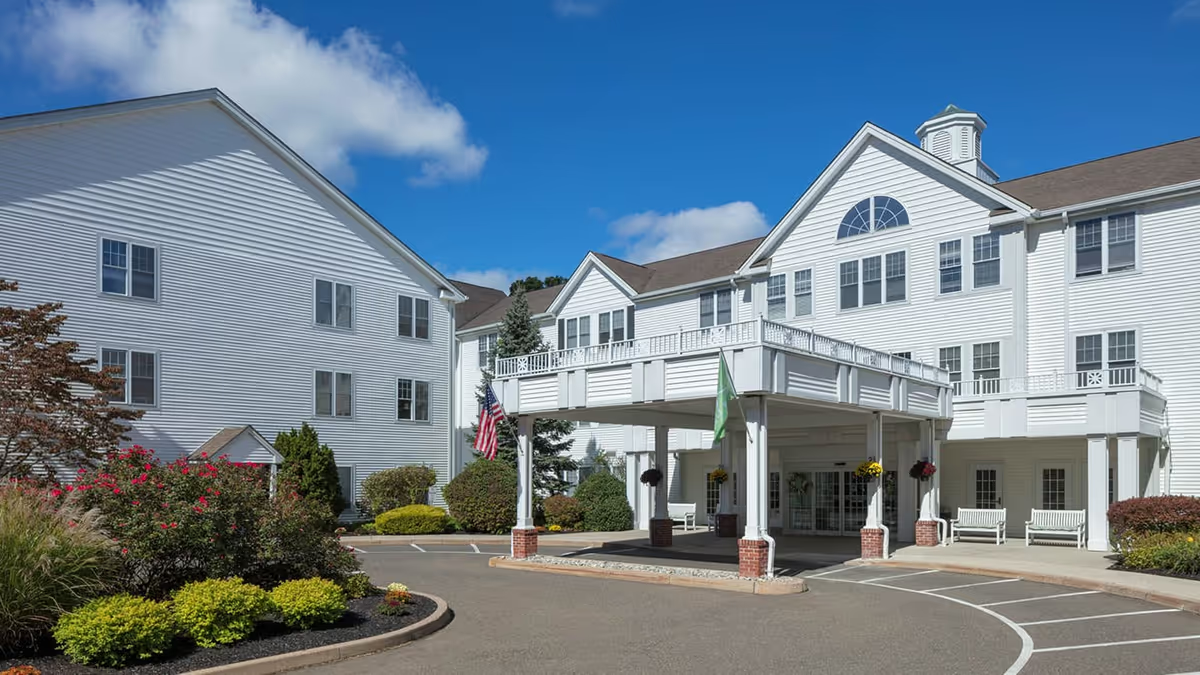
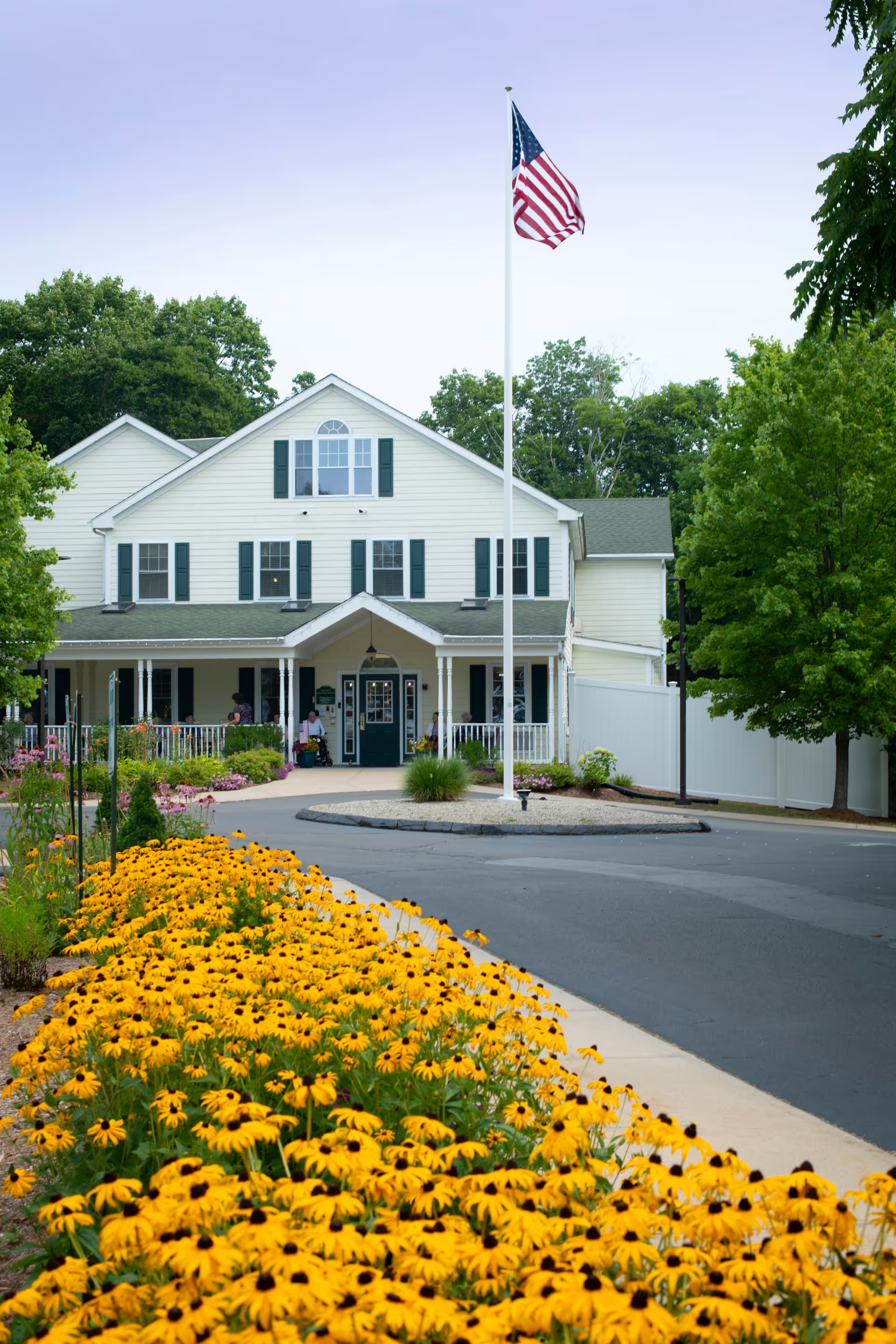
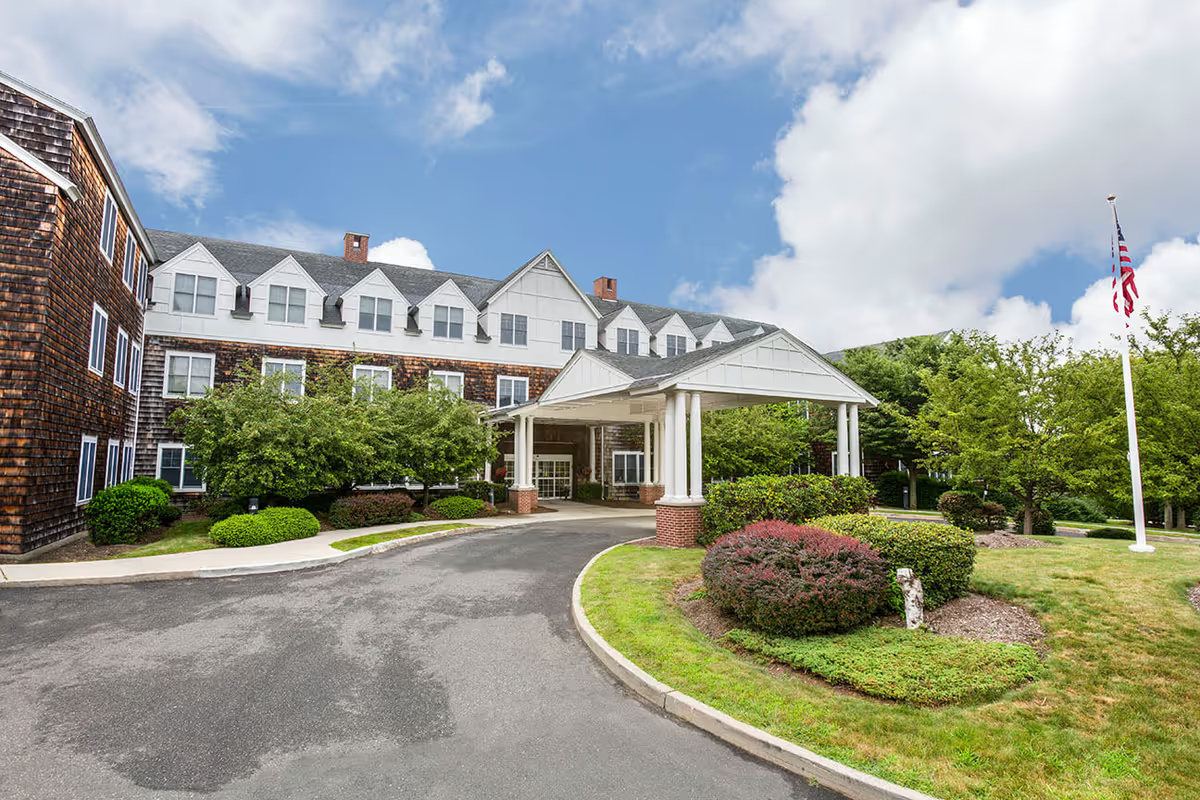
Overall impression Guilford Retirement Residence presents as a community with many strengths alongside some recurring operational weaknesses. The facility is consistently praised for its compassionate, attentive front-line staff, strong social atmosphere, and a wide range of activities. Interiors and common areas are frequently described as clean, bright, and well cared for, and many residents value the spacious apartment layouts, attractive grounds and wooded setting, and the availability of on-site amenities such as a library, cafe, exercise room, and salon. There is measurable demand for placements, reflected in a waitlist and positive comments about value relative to comparable communities.
Care quality and staffing Care-related comments skew positive for routine independent-living support: staff are characterized as caring and responsive, with life-alert systems and strong pandemic-era safety practices noted. Families also describe helpful transitions and consistent maintenance follow-up when staffed appropriately. At the same time, reviewers point to important limitations: the community’s clinical capacity for residents with advanced dementia or higher medical acuity appears constrained, and families report that 24-hour aides or higher-level clinical monitoring may be insufficient for those needs. Staffing praise for caregiving is sometimes offset by reports of inconsistent professionalism at reception and front-line posts, and there are recurring references to understaffing in food service and dining-room coverage.
Dining and activities Dining is a polarizing area. Many residents appreciate three restaurant-style meals, fresh baked items, and menu variety; others describe inconsistent preparation (overcooked/undercooked dishes), limited availability of lactose/gluten alternatives at times, long waits for service, and lightly staffed dining rooms. Portion size and perceived portioning inconsistencies are also noted. Activity programming is a clear strength—book clubs, exercise, outings, live music, and seasonal events are cited frequently—and the community fosters social engagement and camaraderie. That said, some residents find certain activities repetitive or lacking options for specific interests (for example, particular dance or niche programs).
Facilities, maintenance and safety Interior maintenance and ongoing remodeling receive praise, but reviewers highlight unevenness in the physical plant: some apartments and building exteriors show dated finishes or deferred repairs (rugs, doors, concrete gaps, roof leaks), and there are accounts of delayed maintenance resolution. Several operational gaps affecting comfort and safety are mentioned, including the absence of a generator or limited resilience during power outages, elevator outages, and small in-unit kitchen appliances in some apartments. On balance, the grounds and many common spaces are well kept, but exterior and infrastructure elements may require further investment.
Management, communication and value Experiences with management and communication are mixed. Some reviewers commend accessible leadership, helpful sales counselors, and seamless move-ins; others describe unresponsive management, unclear pricing or availability information, and follow-up gaps after concerns are raised. Pricing is sometimes seen as good value, but there are also critiques about high rent relative to perceived meal or service quality and occasional opacity around costs. Prospective residents and families should seek clear written explanations of what is included, current renovation timelines, and the community’s plans for addressing infrastructure and dining staffing.
Notable patterns and recommendations for prospects The dominant strengths are staff–resident rapport, active programming, attractive interiors and grounds, and a restaurant-style dining model that works well when fully staffed. The dominant risks are operational: inconsistent dining performance, maintenance responsiveness, and limitations for residents who need higher-acuity clinical or dementia-specific care. Prospective residents and families should (1) review current dining staffing and menu accommodations for dietary restrictions, (2) confirm the status and schedule for any planned renovations in the desired apartment, (3) ask about emergency power and elevator contingency plans, and (4) discuss clinical capabilities and care escalation pathways if higher-level care may be needed in the future. Doing so will help align expectations with the community’s strengths and address the recurring operational concerns documented in these summaries.