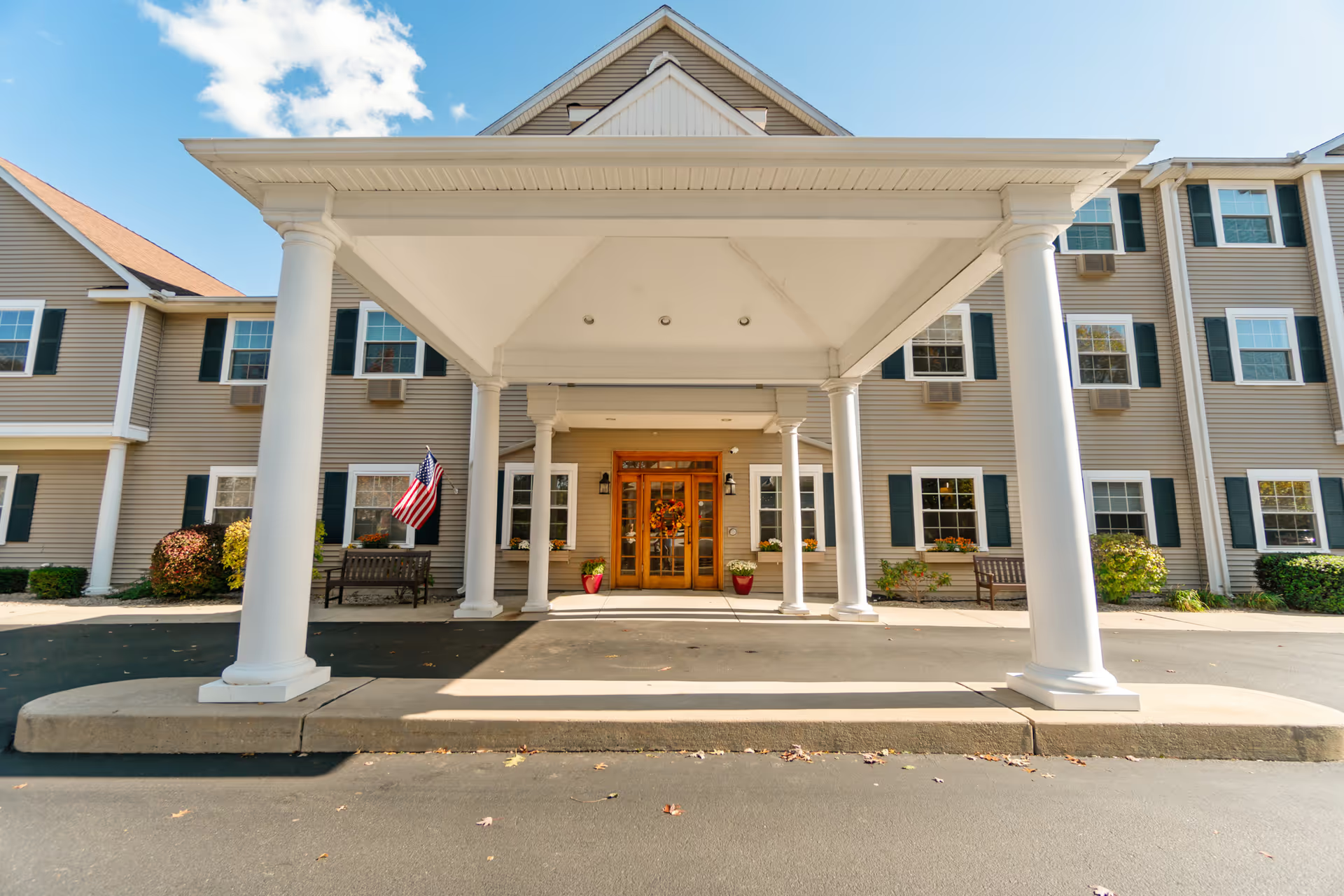
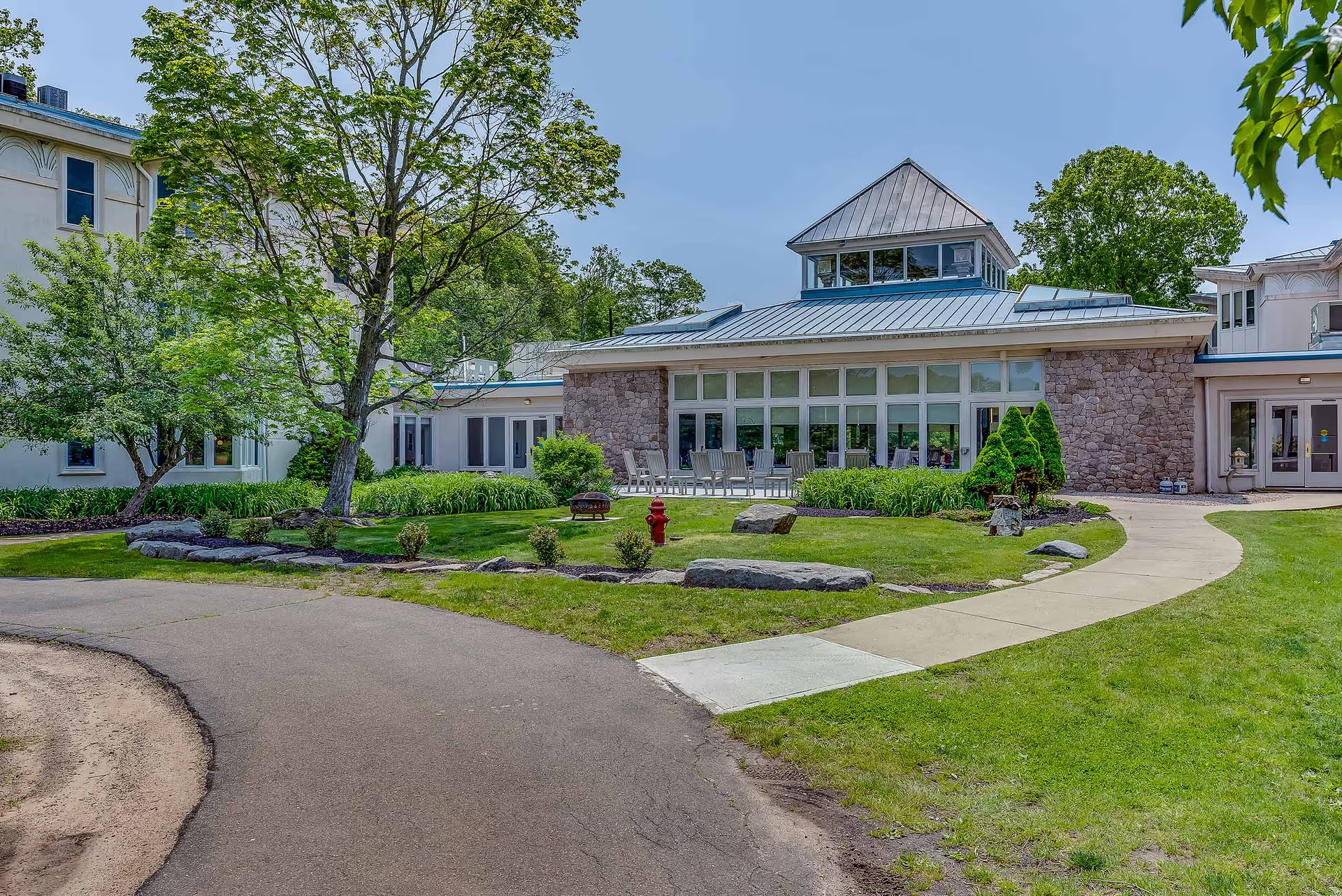
The reviews for Autumn Lake Healthcare at Madison present a strongly mixed picture in which clear programmatic strengths coexist with notable operational weaknesses. Many families praise the clinical and therapy teams: physical and occupational therapy are repeatedly identified as a facility strength, and individual nurses, aides, and rehab staff receive frequent commendation for compassion, skill, and effective discharge planning. The environment itself is often described as bright and airy with a pleasant central courtyard, private bathrooms in double rooms, and engaging recreation offerings — bingo, singalongs, entertainers, special events and personalized celebrations (birthdays, themed meals) are called out as meaningful quality-of-life features.
At the same time, a consistent theme is variability in frontline care linked to staffing and management practices. Multiple accounts describe instances where residents experienced delays in assistance with personal care or toileting needs and limited overnight or weekend responsiveness; these accounts are most often associated with reports of understaffing and high turnover. Families also describe cleanliness and sanitation lapses in particular areas and inconsistent maintenance (including intermittent air-conditioning problems and furniture/bed issues). These operational gaps appear to correlate with periods when the facility is described as short-handed.
Dining and medication practices emerged as another area of divergence. Several families report positive dining experiences, fresh meals, and meaningful food-related events; others cite inconsistent meal quality, missing or incomplete trays, and concerns about how special-diet and allergy instructions are followed. A subset of reviewers raised questions about medication handling and clinical decision-making, including uncertainty among staff about medications and gaps in therapy availability after acute events. Rehabilitation is viewed positively when available and staffed, but some families reported limited therapy time or scheduling scarcity that constrained recovery potential.
Management and communication show both strong and weak elements. Admissions and some administrators receive praise for being helpful, knowledgeable, and family-oriented; conversely, there are repeated comments about slow or unresponsive administrative communication, billing surprises, and poor follow-up on family concerns. Reports of workplace-culture issues — gossip, retaliation, and morale problems — suggest that staff relations may be affecting consistency of care. A few reviews reference security or property-loss concerns related to personal belongings and caseworker supervision.
In sum, Autumn Lake Healthcare at Madison offers important strengths in therapy services, engaged recreation, and several highly praised caregivers and administrators. However, prospective residents and families should be aware of recurring operational themes: inconsistent staffing and turnover, episodic sanitation and maintenance issues, variability in dining and medication processes, and communication or administrative gaps. These patterns suggest the facility can provide excellent care under the right staffing conditions, but outcomes appear to depend heavily on unit-level staffing and managerial responsiveness. Visitors should tour the building, ask about current staffing levels, specific care plans for incontinence and medication management, therapy schedules, and the facility’s procedures for incident notification and property safeguards before making placement decisions.