Overall impression: Reviewers convey a facility with many strengths and a clearly defined small-home atmosphere. Positive comments emphasize compassionate direct-care staff, a strong therapy program, responsive admissions and administration, a clean and well-maintained environment, and a broad range of engaging activities. The facility’s small size and personalized approach are frequently described as comforting to residents and families, and several accounts highlight timely admissions, organized family communication, and a sense of being treated like family.
Care and clinical services: Clinical strengths cited include a highly regarded physical/occupational therapy team, attentive nursing and personal-care staff, and accessible attending physicians. Many families describe individualized care plans and staff who help residents reach functional goals. However, reviewers also describe variability in clinical continuity, particularly around management transitions. There are operational patterns worth noting: several accounts raise concerns about wound and skin-care follow-up, delays in hospice coordination and end-of-life planning, and, in at least one serious instance, an allegation related to a resident death and associated clinical decline. These concerns suggest prospective families should review the facility’s hospice protocols, wound-care procedures, and escalation pathways during a visit.
Staff, culture, and communication: The prevailing tenor is that staff are compassionate, organized, and helpful—particularly aides, therapists, recreation staff, and some administrative leaders. At the same time, there is variability in staff conduct and tone; a subset of families reported unfriendly or disrespectful interactions. Communication about transitions (for example, insurance changes) and responsiveness during busy periods can be inconsistent. Ask about staffing levels, weekend supervisory coverage, and how the facility manages payor transitions and equipment requests when evaluating fit.
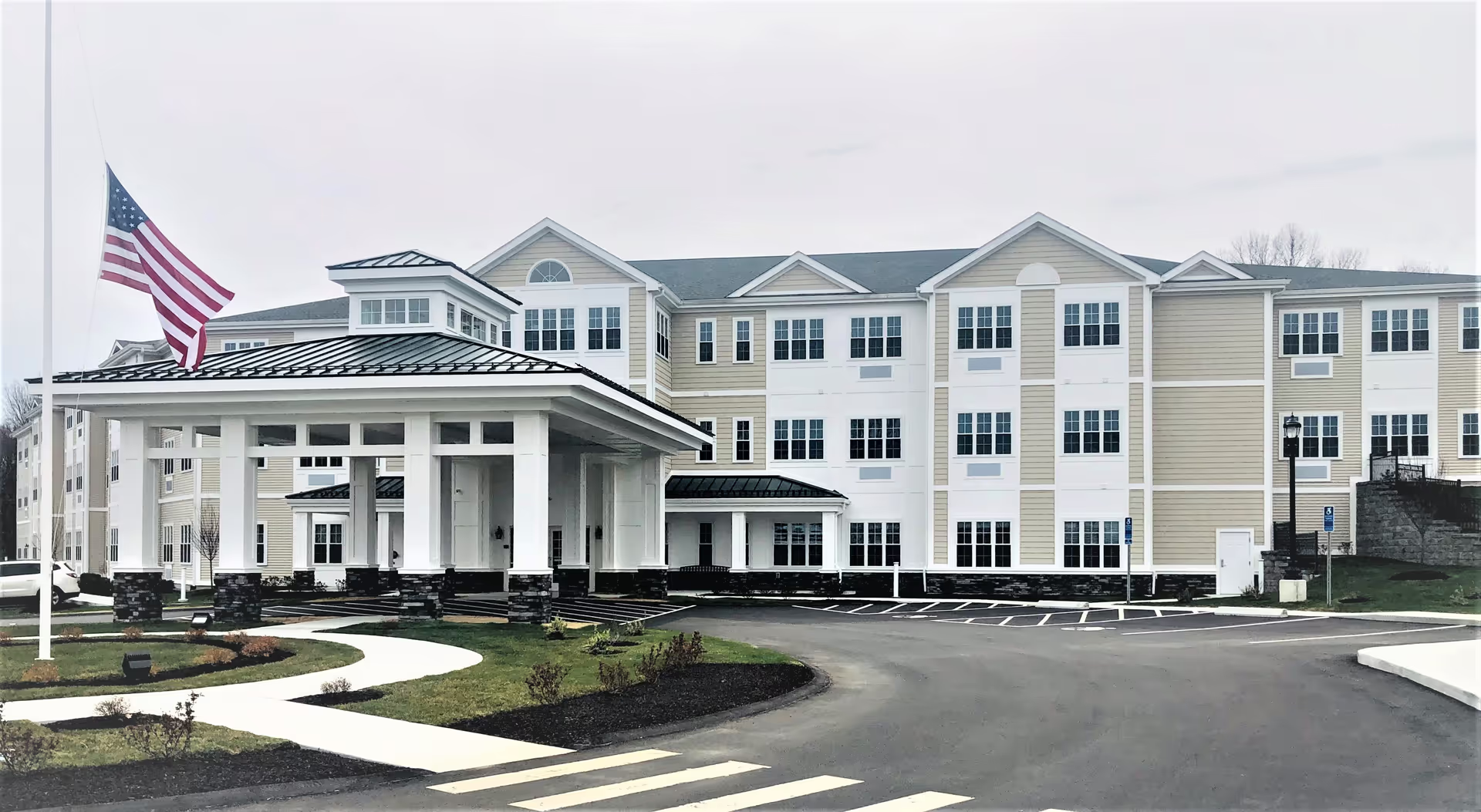
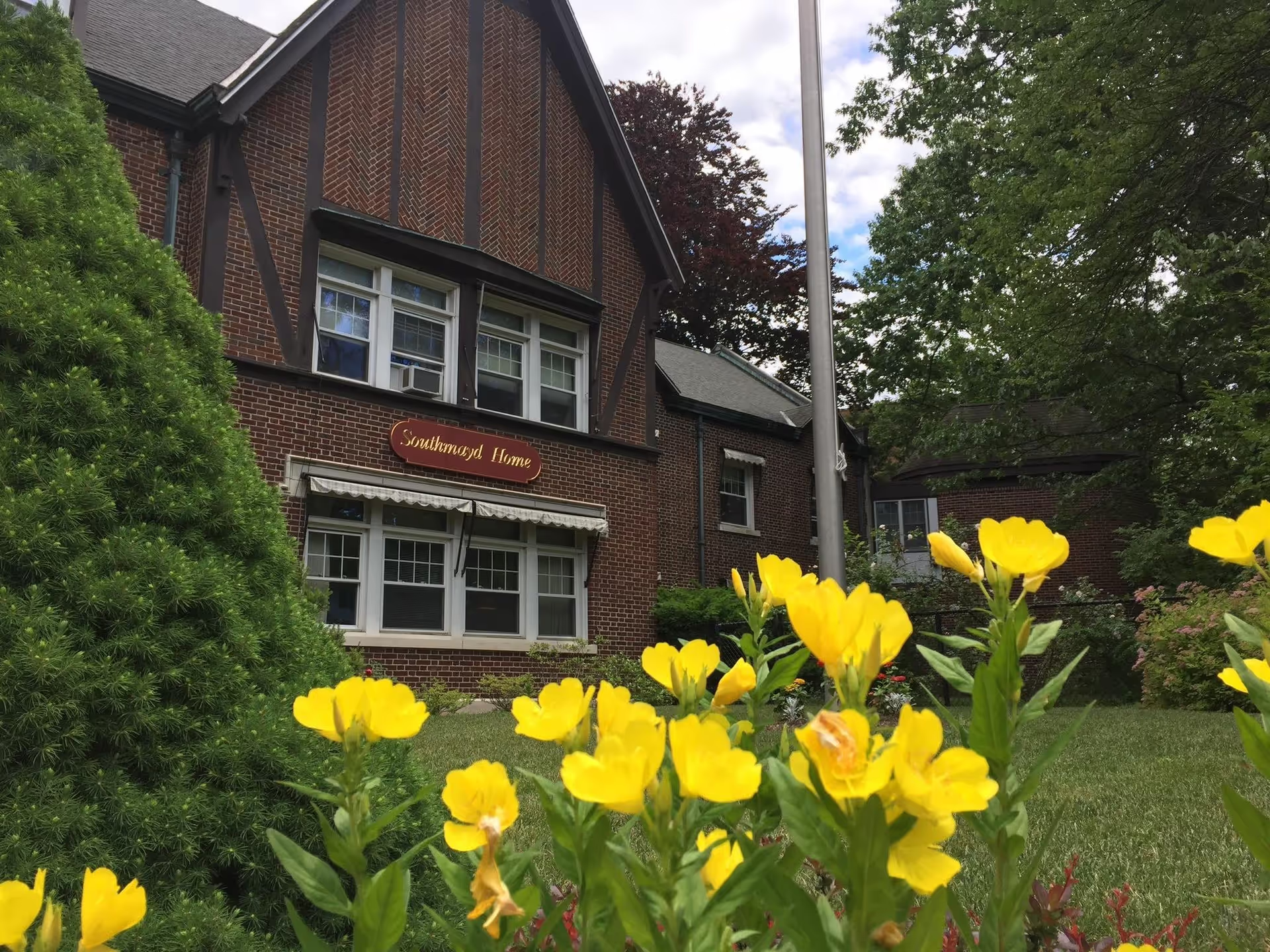
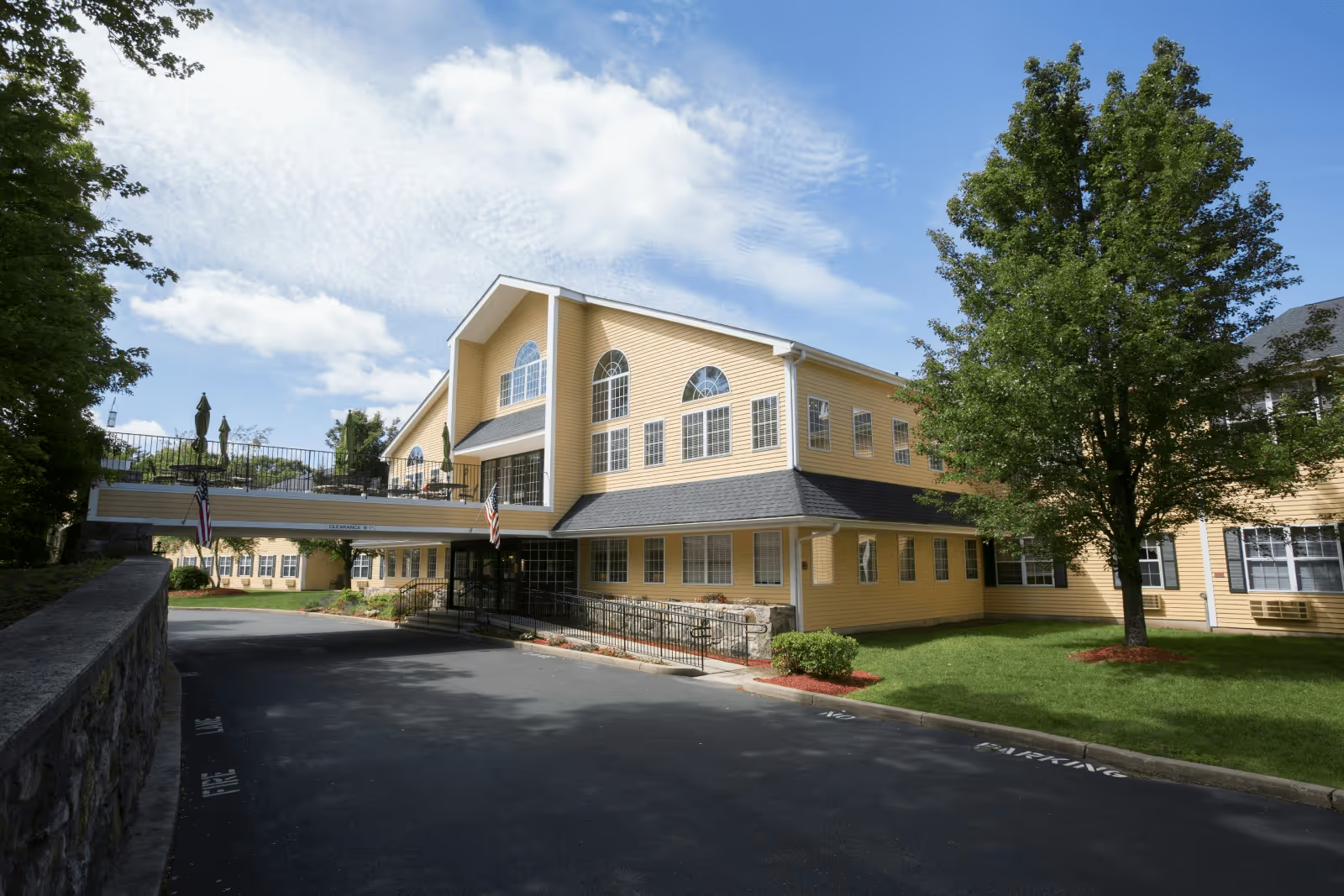
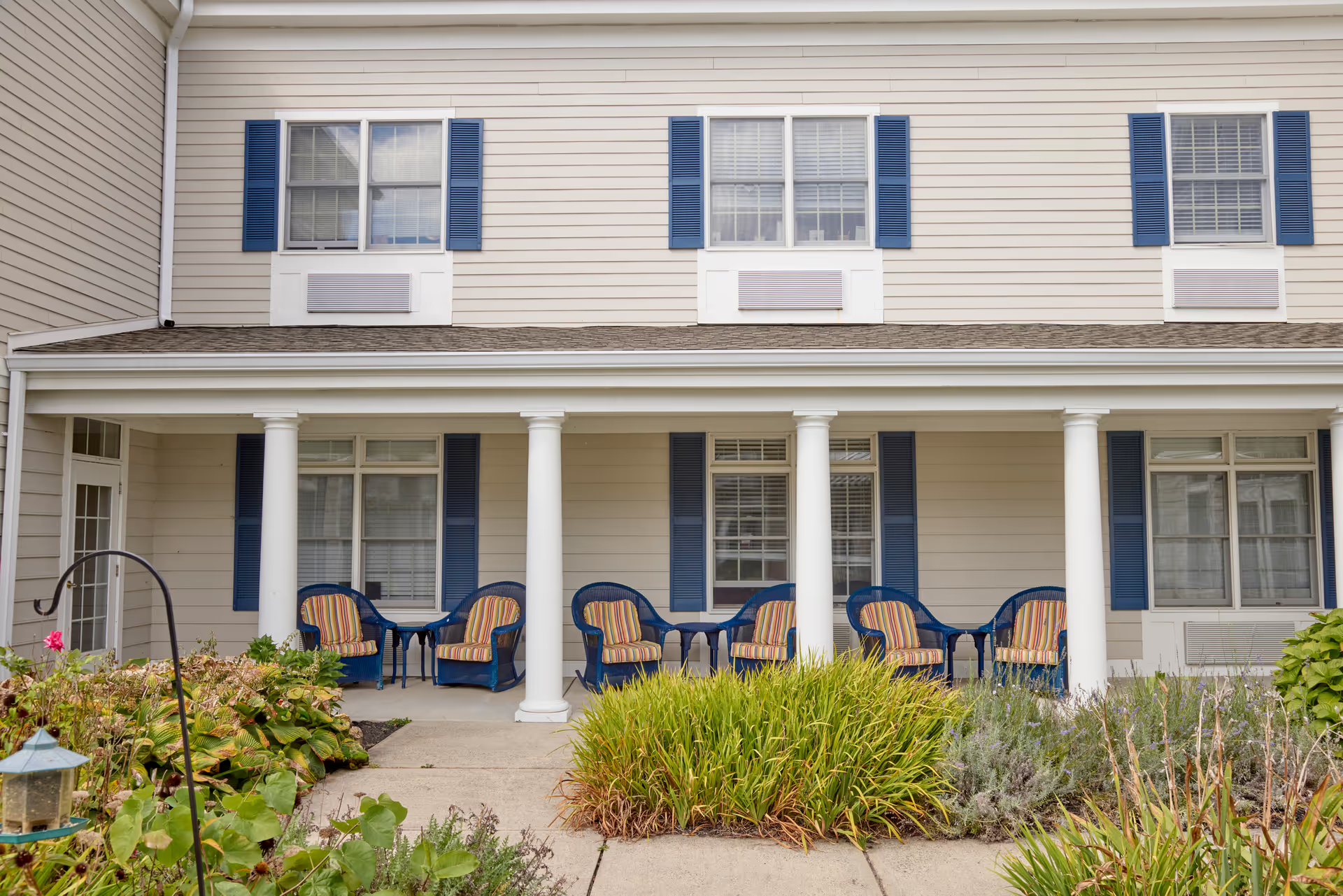
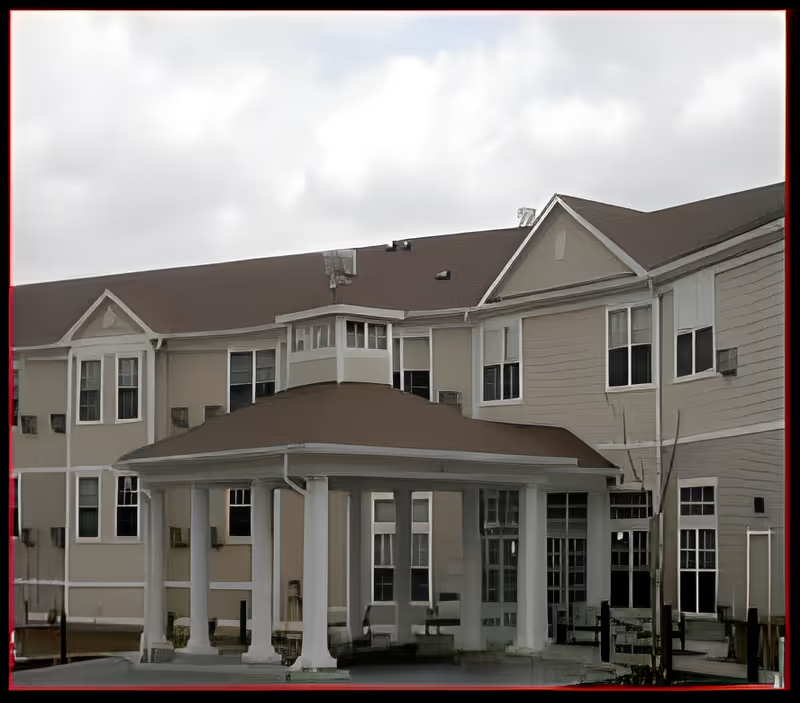
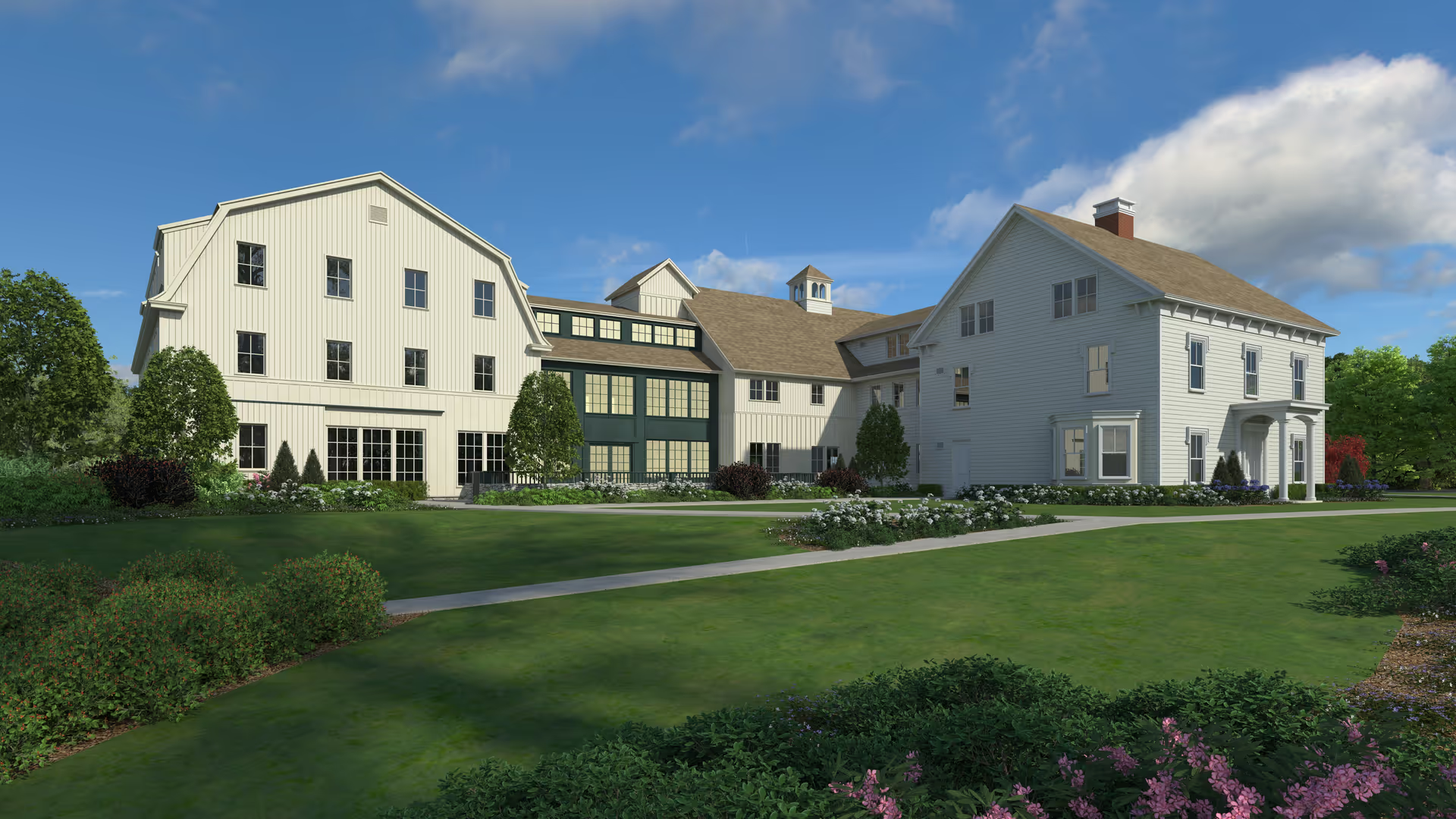
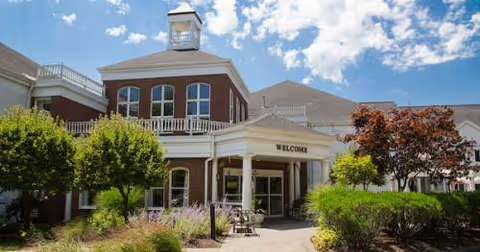
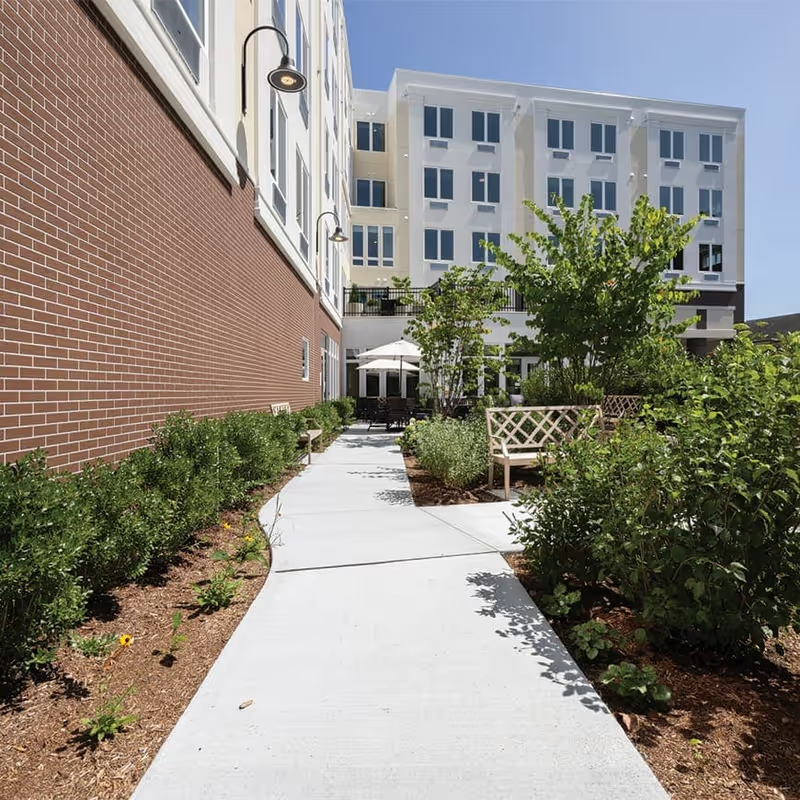
Dining, activities, and environment: Dining and kitchen staff receive many positive mentions; several residents and families praised the food. Recreational programming is described as creative and active (choral groups, themed events, courtyard activities), and the outdoor spaces are appreciated. The physical plant is often described as clean, modernized in parts, and homelike, but there is some inconsistency: a number of reviewers noted older decor or uneven infrastructure updates in areas. Prospective visitors should tour common areas and resident rooms to assess finishes and layout for their preferences.
Operational patterns and recommendations: Recurring operational issues include delays in procuring and deploying mobility equipment, administrative challenges when payors change, weekend staffing variability, and occasional sanitation or cleanliness variability in isolated areas. There are also a few mentions of entrance/security control concerns and minor communication gaps (for example, in-room phone access). Many families are highly satisfied and recommend the facility; however, given the mix of strong positive feedback and isolated but serious concerns, prospective residents and families would be advised to (1) ask about recent management changes and their impact on care continuity, (2) review hospice and wound-care protocols, (3) clarify timelines for equipment delivery and mobility support, (4) discuss insurance-transition procedures, and (5) observe staff–resident interactions across different shifts, including weekends. These targeted inquiries will help determine whether the facility’s strengths align with an individual’s needs and risk profile.