Feedback about New Haven Center for Nursing & Rehabilitation is highly polarized, with distinct clusters of positive and negative observations that point to variability in day-to-day operations. Many reviewers highlight compassionate, attentive caregivers and specific staff members who provide emotional support, dignified treatment, and strong teamwork. Several accounts describe positive rehabilitation experiences, noting effective therapy programs (including seven-day in-house rehab), engaging recreational programming, and available on-site services such as hairdressing, dental support, and social work coordination.
At the same time, a substantial portion of feedback raises operational concerns that cross clinical, environmental, and administrative domains. Clinical issues cited include inconsistent oversight of medication administration and diabetes management, limited physician engagement, and variability in therapy intensity. Reviewers also describe delays in responding to resident needs, including slow call-bell responses and prolonged waits for incontinence care, which suggest gaps in staffing deployment and task prioritization.
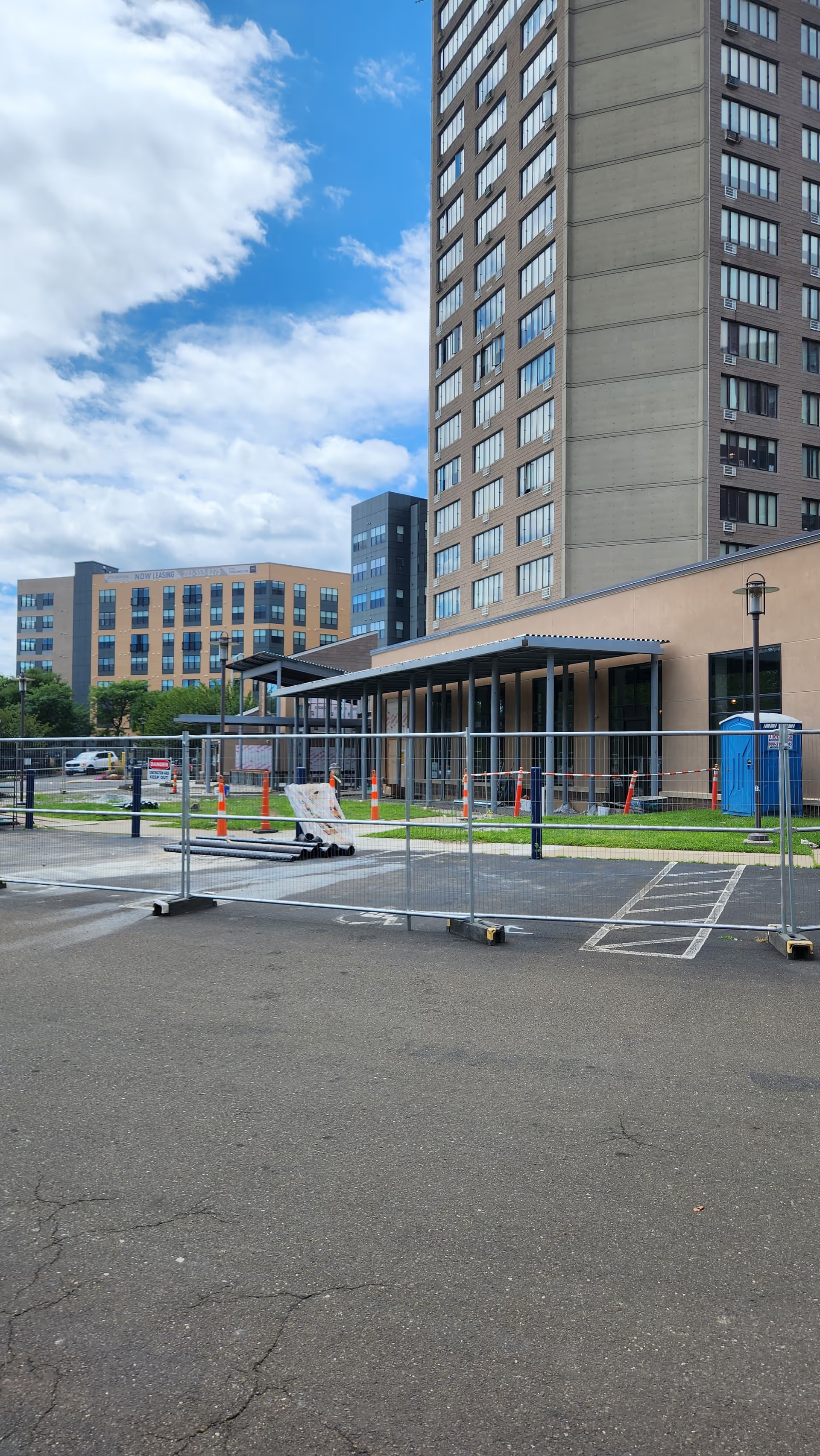
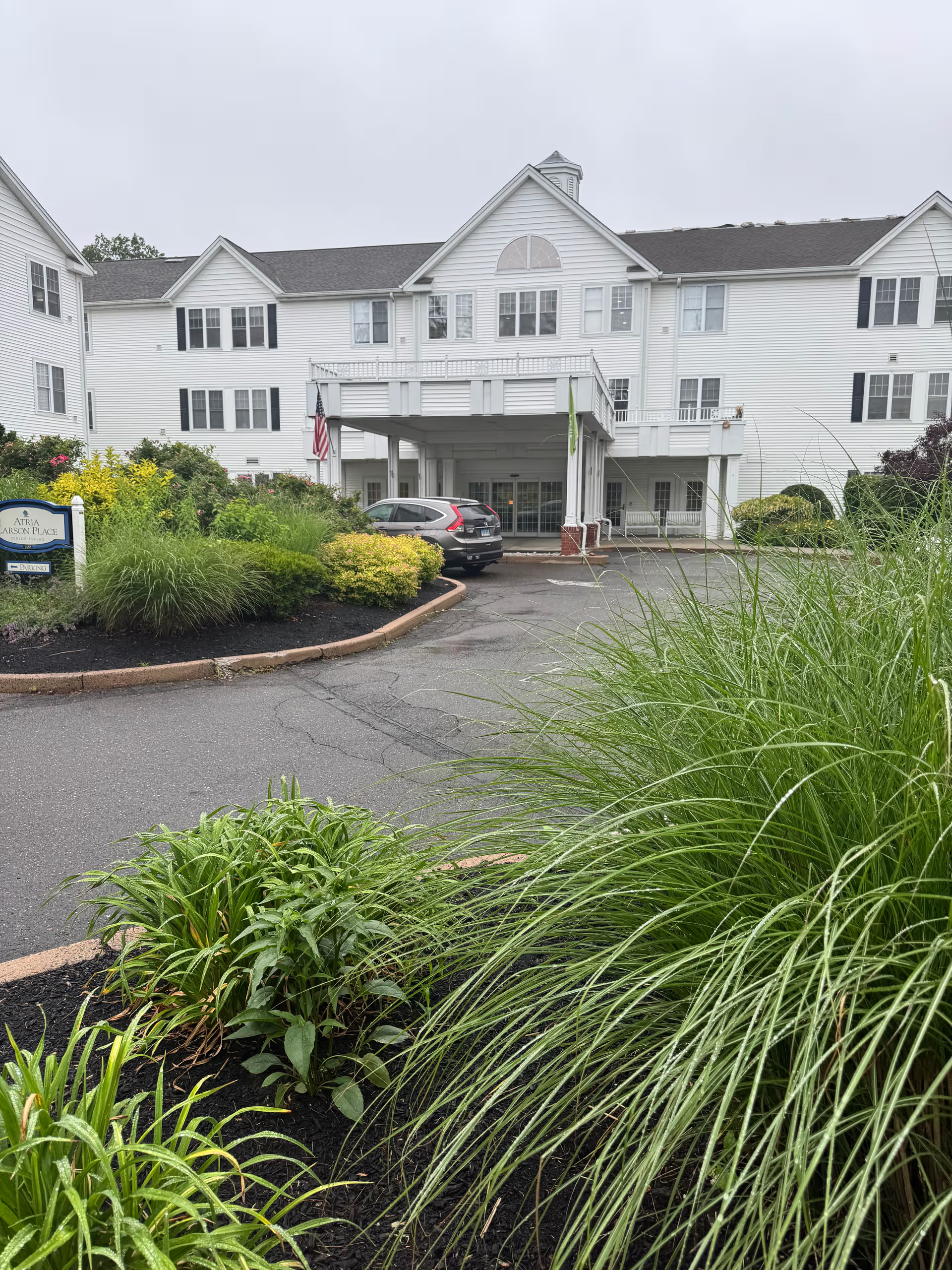
Environmental and service-quality issues are another recurrent theme. Comments point to sanitation concerns and odor issues in some areas, pest-control concerns in resident rooms and dining spaces, and crowded shared rooms that reduce privacy. Dining experiences are inconsistent: some families praise good meals and specific menu items, while others report problems with meal temperature, food quality, and food handling. Facility infrastructure and maintenance perceptions vary widely—some visitors find the building clean and well-maintained, while others note aged areas, limited privacy in shared rooms, and parts of the building that need repair or modernization.
Management responsiveness also produces mixed impressions. Several reviewers commend administrators and managers for being proactive and responsive when problems are raised, and for addressing issues such as pest control and service improvements. Conversely, others report poor communication, difficulty reaching staff by phone, long voicemail hold times, and dissatisfaction with external oversight responses. There are also serious claims regarding missing personal property and billing irregularities; these are described by reviewers as allegations and warrant follow-up by families and regulators when suspected.
In summary, prospective residents and families should be aware that the facility appears capable of providing compassionate, rehabilitation-focused care and meaningful social programming, particularly when supported by engaged staff and leadership. However, variability in clinical oversight, sanitation practices, staffing consistency, and communication systems has been reported. These mixed signals suggest the importance of in-person visits, direct conversations with clinical leadership about medication and diabetes protocols, review of room configurations and sanitary practices, and clarification of billing and property-handling policies before making placement decisions.