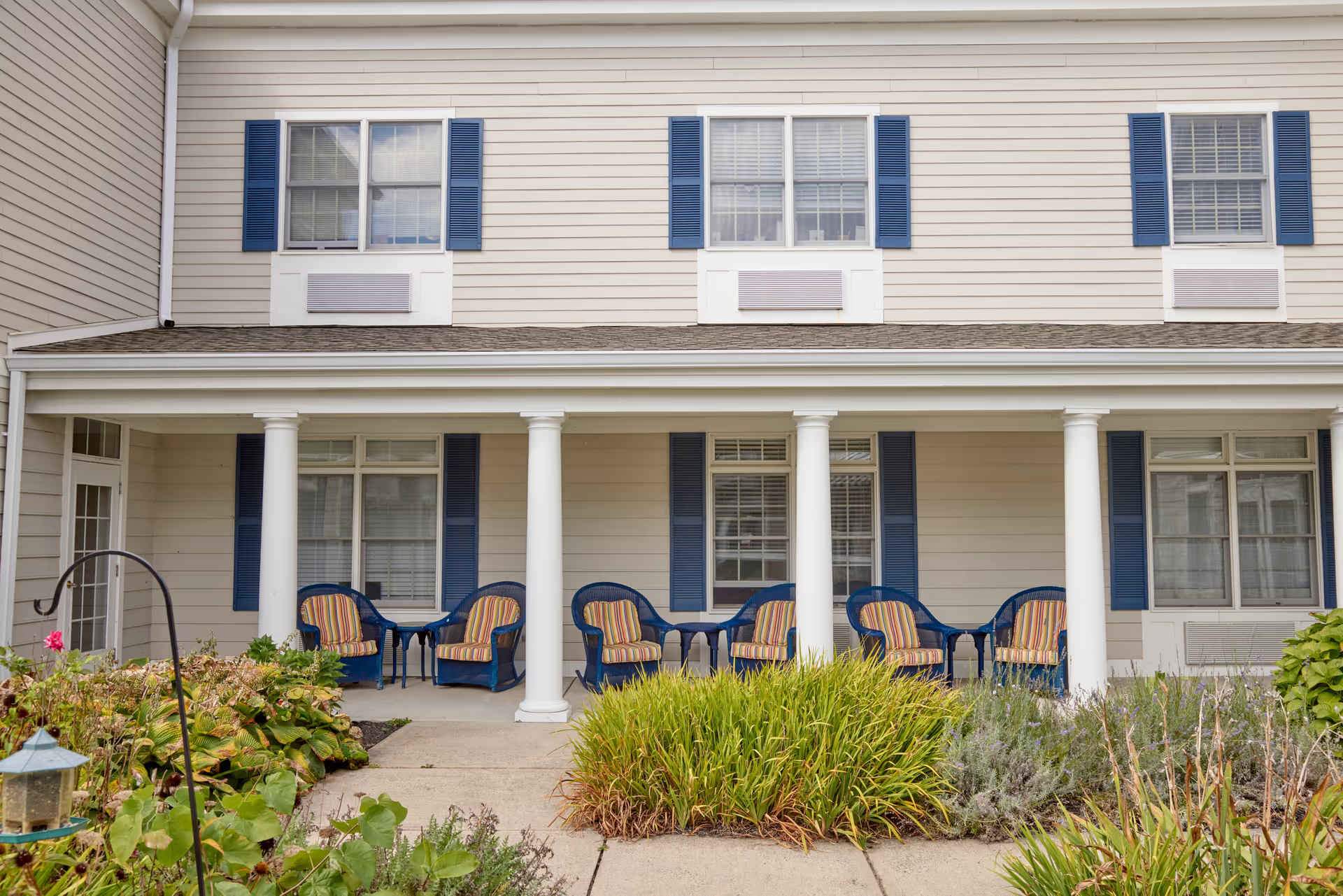
Stone Bridge Center for Health & Rehabilitation receives frequent praise for the quality of direct care and its activity environment. Families and residents commonly describe frontline caregivers — nursing aides, therapists, recreation, dietary, housekeeping, and maintenance staff — as compassionate, attentive, and hands-on. Therapy services are highlighted as effective, and reviewers commonly note clear nursing and therapy communication about medications, labs, and care plans. The facility offers a broad activities program that includes arts, music, chair exercise, and family-centered weekend events, as well as amenities like a hairdresser, a convenience store, and attractive outdoor spaces with a pond that many find restorative.
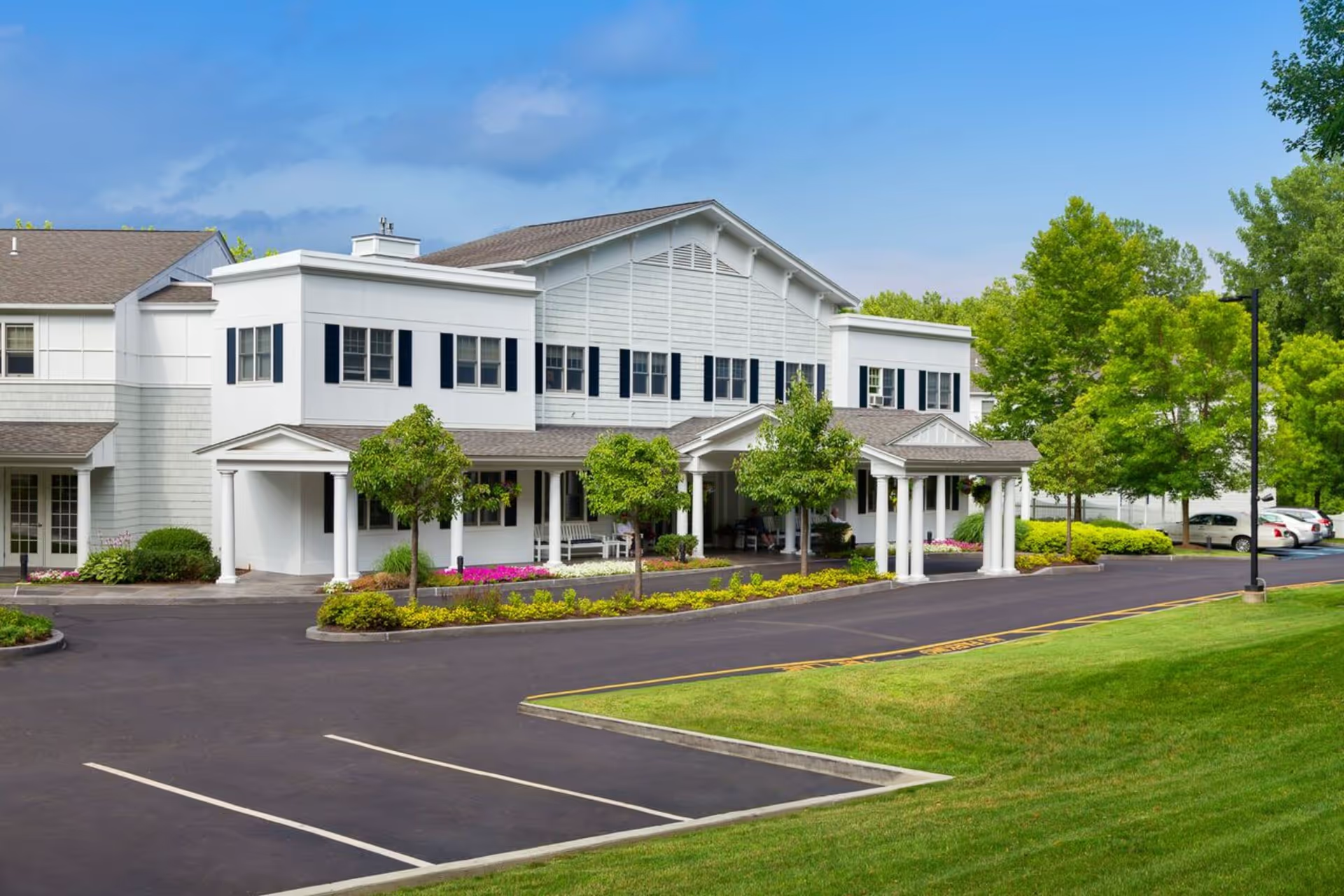
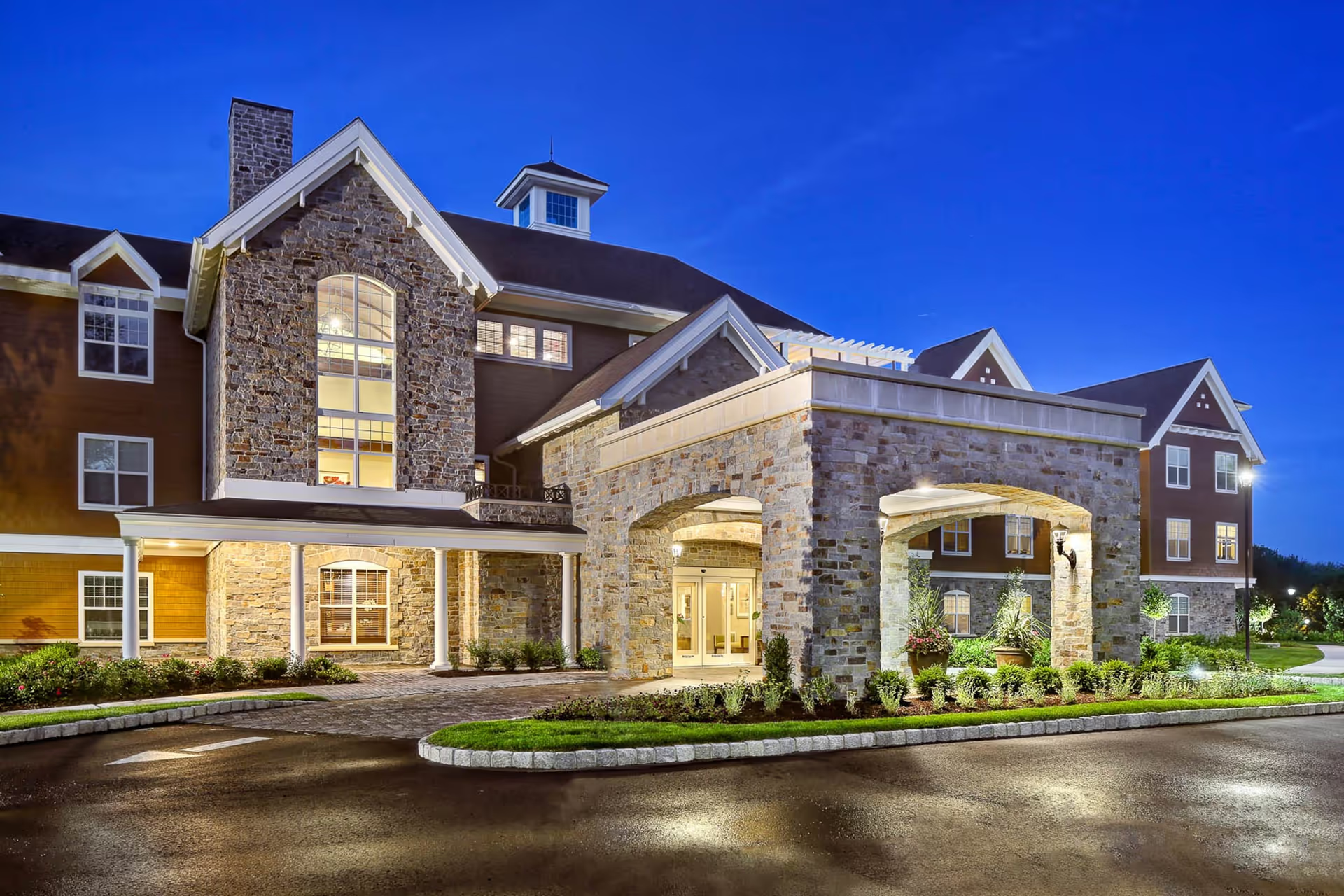
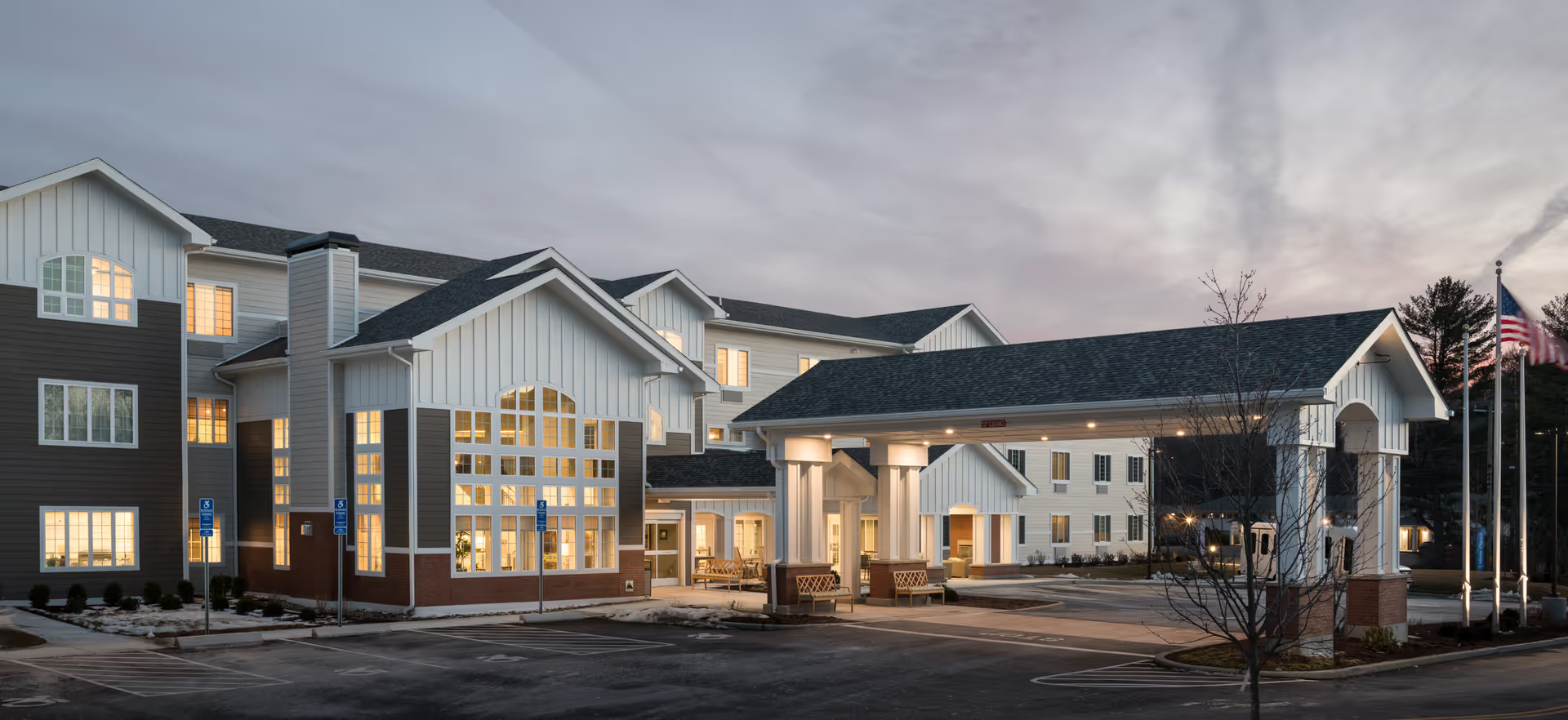
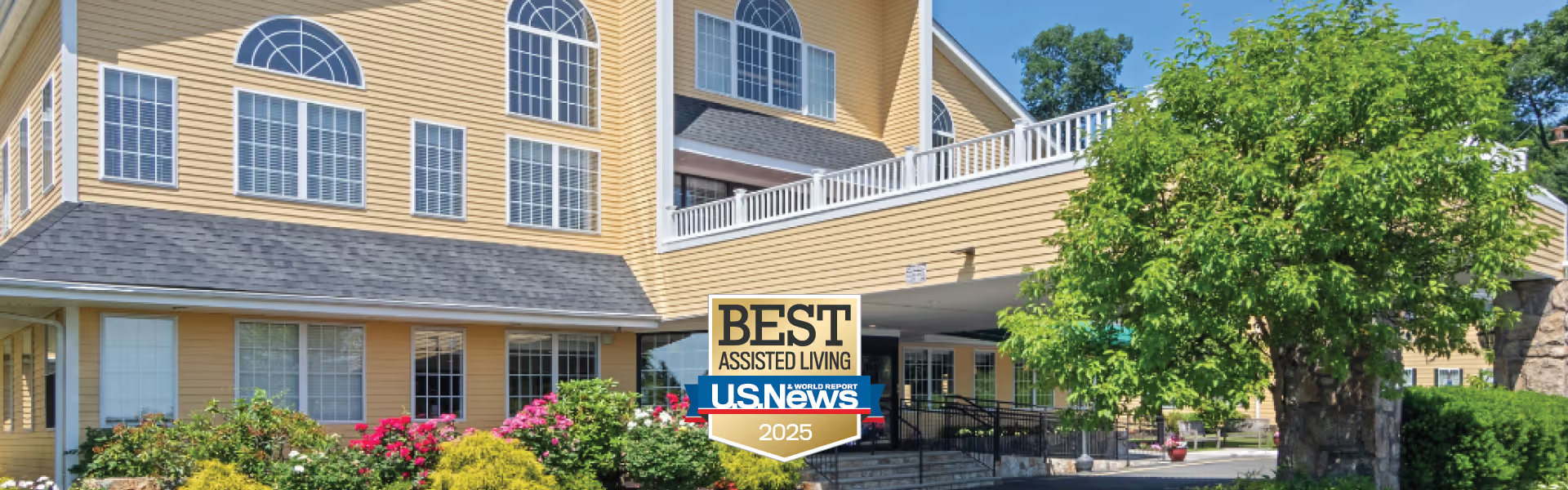
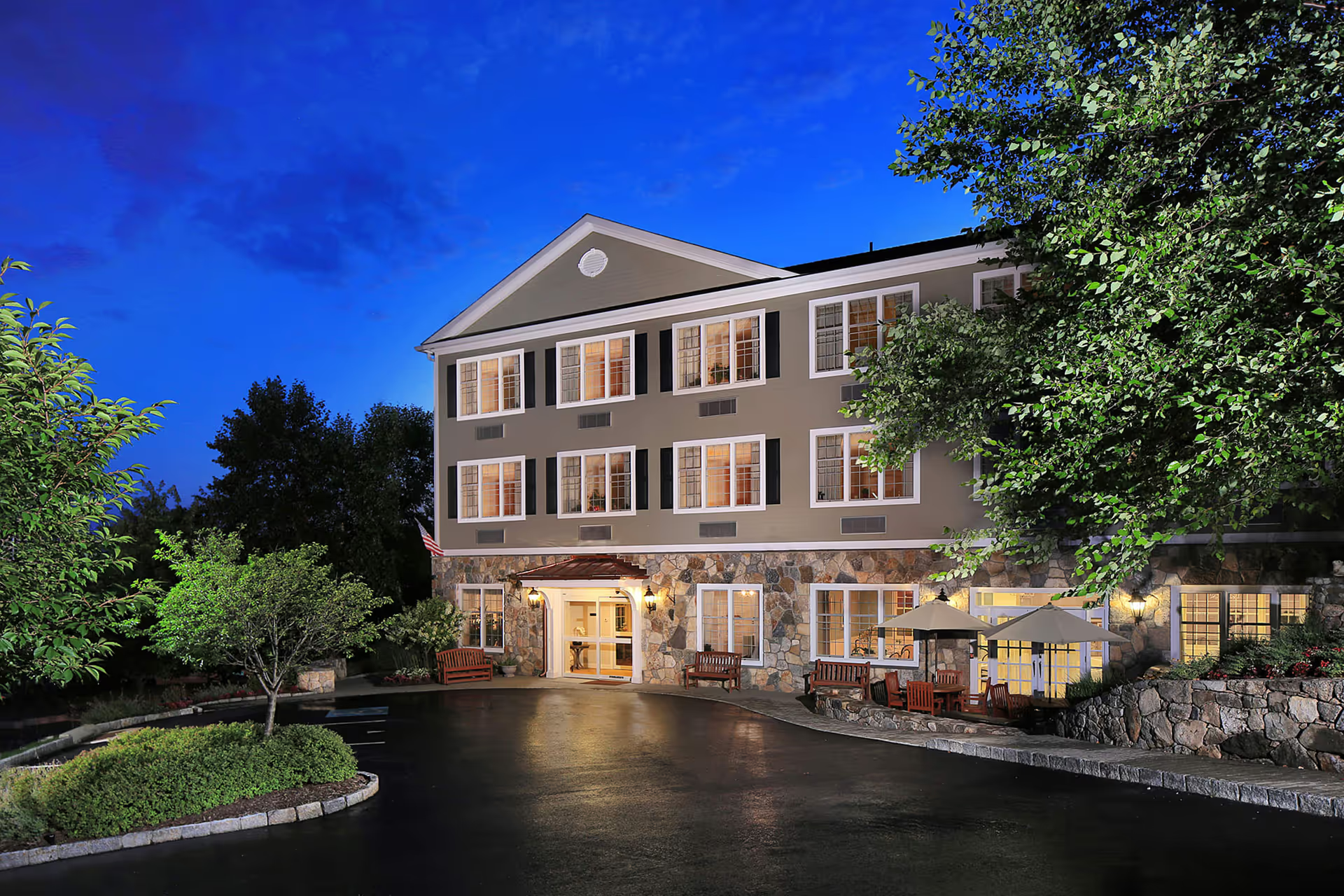
The physical environment is another consistent strength: reviewers describe clean, spacious rooms and inviting common areas, recent renovations, and well-maintained grounds. On-site clinical presence (nursing and physicians) and memory- and skilled-nursing units make the campus convenient for families seeking a continuum of care. Several families also singled out specific leaders and resident-engagement initiatives (for example, an Ambassador program) that appear to support smoother admissions and better resident integration.
Despite these strengths, a number of operational concerns recur across accounts. Staffing patterns are inconsistent — reviewers cite shortages, turnover, and uneven staff competence — which correlates with delays in responding to call lights and requests. Several accounts describe gaps in clinical monitoring and fall-prevention practices, and there are concerns about medication-management practices, including psychotropic prescribing and monitoring. Dining quality and satisfaction appear variable across households, with some families praising meals and mealtime assistance while others express dissatisfaction.
Security and administrative issues are additional areas of concern. There are allegations of personal-property loss and related security lapses that have prompted investigations in at least some accounts. Communication from administration is described as uneven: some families report clear, professional leadership and a smooth ownership transition, while others describe phone-accessibility problems, slow or unclear administrative responses, and frequent managerial turnover. Operationally, some reviewers noted limited equipment or supplies for higher-acuity or larger residents, which may affect suitability for certain care needs.
In summary, Stone Bridge demonstrates clear strengths in direct caregiving, therapy services, activities, and campus amenities that many families value. Prospective residents and decision-makers should balance those positives against recurring operational themes: check current staffing levels and turnover, observe call-light responsiveness and mealtime service, review medication-management policies, ask about property-security measures, and clarify any changes associated with recent ownership or management transitions. A focused visit that includes mealtime and an observation of staffing responsiveness can help prospective families assess whether the facility’s current operations meet their relative’s clinical and safety needs.