Reviewers describe a polarized picture of care at Bride Brook Rehabilitation and Nursing Center. Many families praise compassionate, attentive aides and nurses and highlight strong rehabilitation services: physical and occupational therapy are frequently credited with measurable recovery and smooth transitions home. Several accounts note effective discharge planning and coordination with outside clinicians, clear family care meetings, and a rehabilitation-focused culture that helps patients regain function. Activity programming, social groups and writing/spiritual supports are reported as beneficial for resident engagement.
At the same time, a pattern of operational weaknesses emerges. Staffing consistency and turnover are recurring concerns — reviewers describe stretched staff, frequent changes among therapists, and long call-bell response times. These staffing issues tie to variability in nursing performance and responsiveness; some families describe excellent individual caregivers while others report delayed attention to acute needs. Medication-management problems are another important theme, including documentation gaps and errors in administration; reviewers attribute clinical deterioration in a few cases to these lapses, so medication oversight is a prominent risk area to monitor.
Dining and nutrition evaluations are mixed. Multiple accounts commend hot, made-from-scratch meals and satisfactory dining experiences, while others describe poor meal quality, diet nonadherence (including diabetic diets), and nutrition-management issues that contributed to weight loss for some residents. Activity and therapy offerings are generally seen as strengths when staffing is stable, but therapy turnover or delays can reduce program consistency.
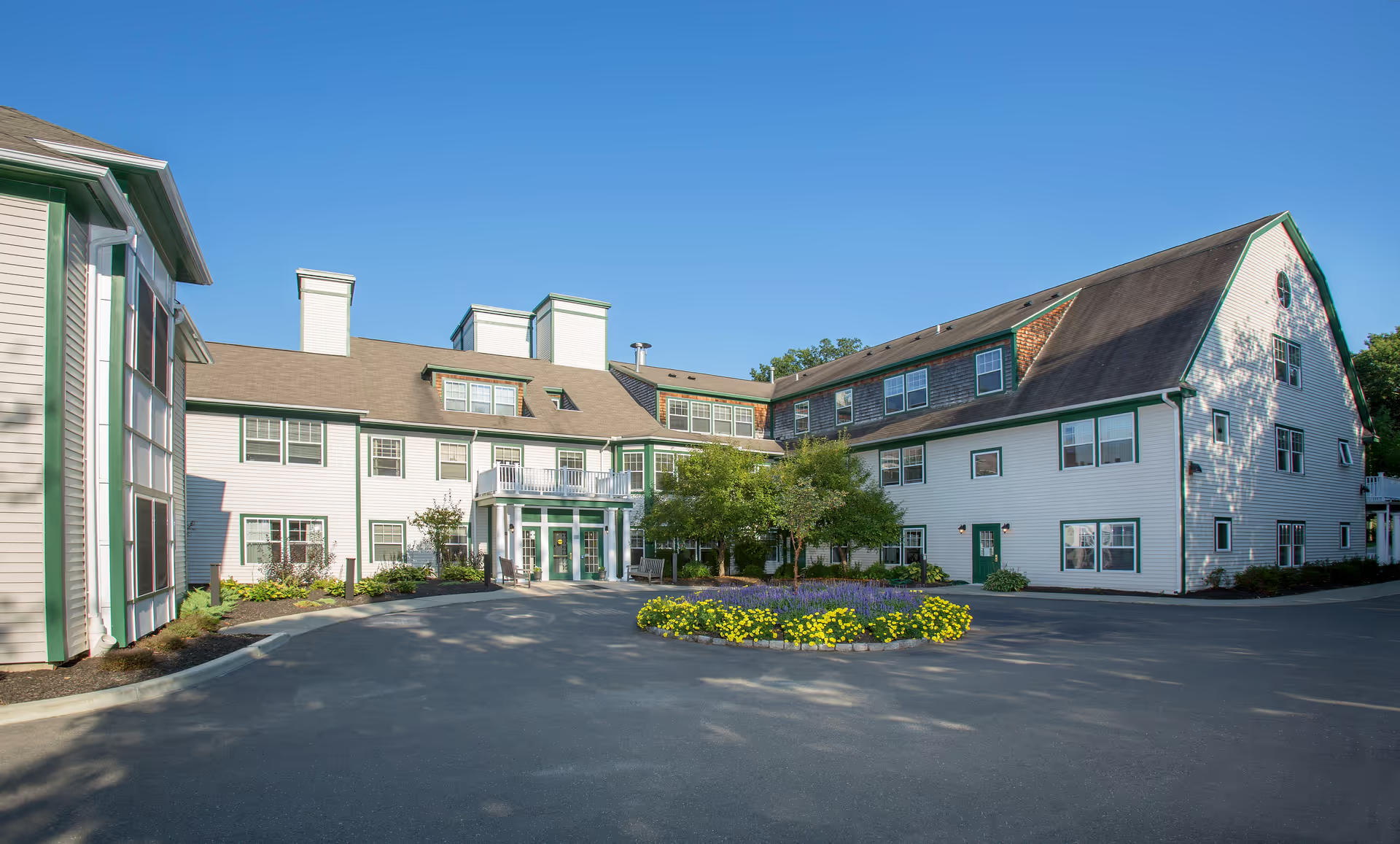
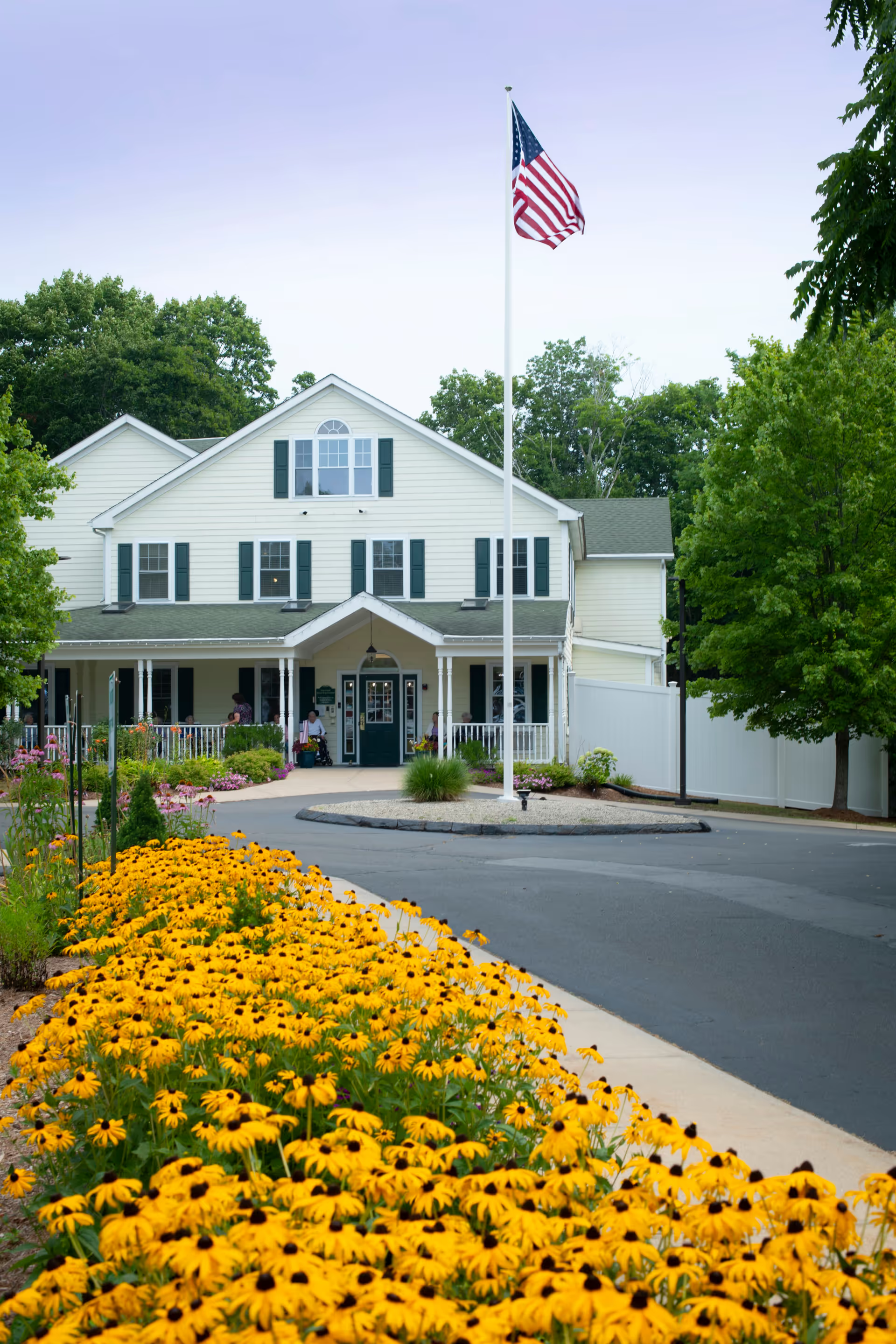
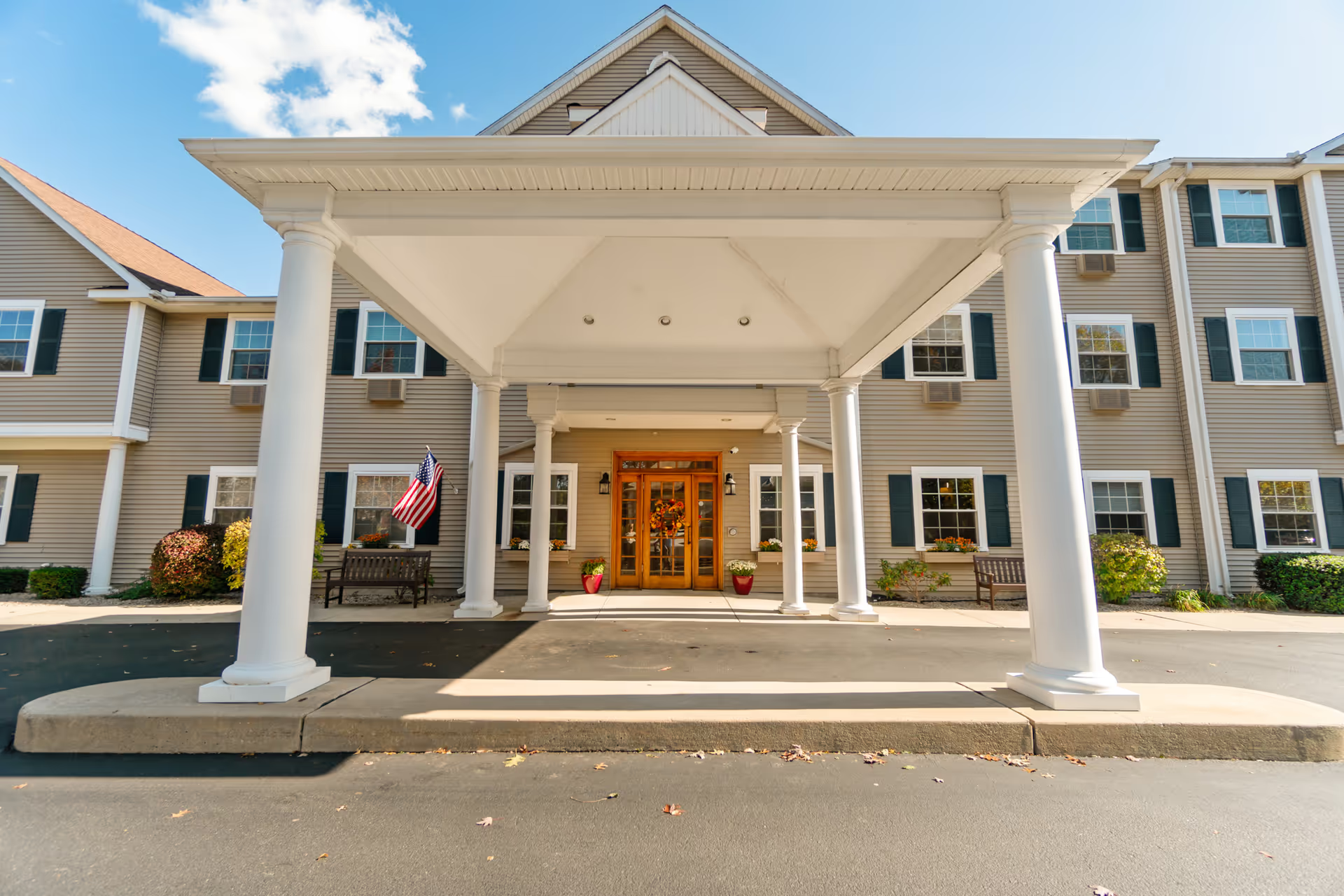
Facility and environmental feedback is also mixed. The building, common areas and exterior are often described as clean, modern and well maintained, with pleasant decor and ample outdoor seating. Conversely, several reviewers raise sanitation concerns and inconsistent room-level maintenance (including linens and room cleanliness), suggesting variability in housekeeping standards between units or shifts. Safety practices present another area of concern: reviewers cite transfer technique inconsistencies, improper lift usage in some instances, and general fall-risk follow-through deficiencies.
Management and communication show both strengths and weaknesses. Positive accounts describe helpful, efficient admissions processes, friendly front-desk staff, and staff who go above and beyond. Critical accounts point to limited social-services responsiveness, slow or absent follow-through on formal complaints, and uneven physician presence or oversight. Infection-control policies—especially during COVID—were implemented by facility staff but sometimes resulted in restrictive visitation experiences for families.
For prospective residents and families: the facility demonstrates clear strengths in rehabilitation therapy, many examples of compassionate individual caregivers, and attractive common spaces with robust visitor systems. However, evaluate current staffing ratios, medication-safety protocols, room-level cleanliness procedures, transfer and fall-prevention practices, and how diet and nutrition plans are implemented. Ask for recent staffing and turnover data, medication-administration audits, housekeeping schedules, and how the facility communicates and escalates family concerns. These checks can help balance the generally positive aspects of the facility against the operational inconsistencies highlighted by other families.