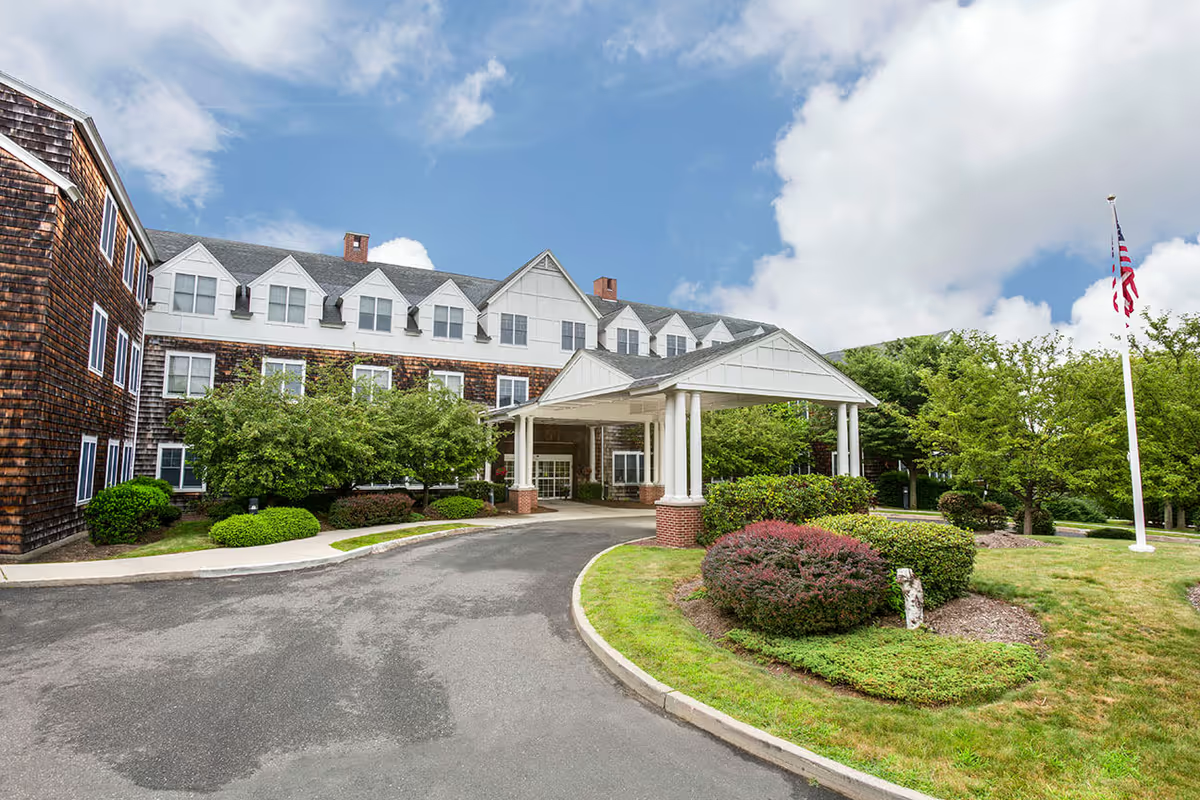
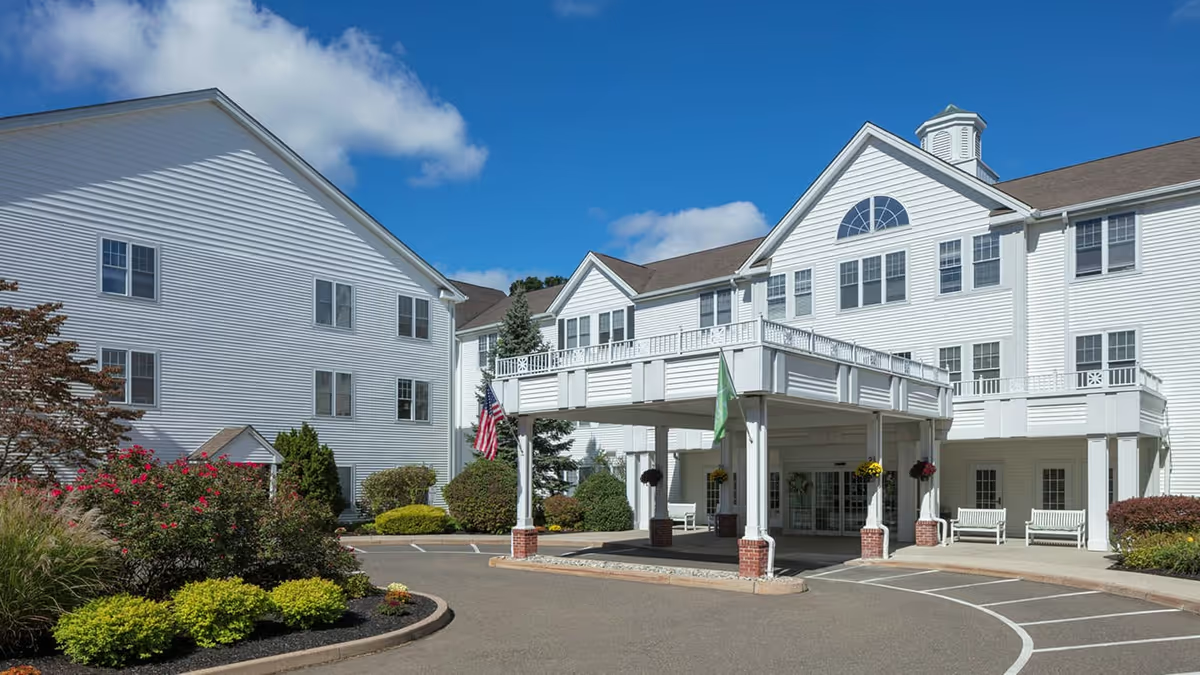
The Landing of North Haven is described by many families as a well-appointed, modern community with a strong emphasis on activities, amenities, and social engagement. Common strengths highlighted include a resort-like building, restaurant-style dining, an expansive calendar of activities (live music, games, outings, holiday programming), and on-site amenities such as a gym, spa, salon, and bistro. Memory-care programming and structured therapies are available, and numerous reviewers praised the facility for creating a welcoming, family-friendly environment where residents can socialize and participate in meaningful activities.
Care and front-line staff receive frequent positive mention for being caring, attentive, and engaged. Several families described responsive nursing leadership and staff who go beyond routine duties to support residents and relatives. Housekeeping of private apartments and public areas is often noted as thorough, and many residents reportedly experience smooth transitions into the community and benefit from respite stays.
Alongside the strong positives, there are consistent operational concerns families should evaluate. Staffing levels and shift consistency emerge as an issue: reviewers cite slow responses to call buttons, understaffing on night shifts, and variability in aide availability. These staffing inconsistencies are associated with delays in attending to resident needs and with uneven hygiene and bathing schedules. Several comments also point to gaps in medication administration and tracking, and families noted instances that signal weaknesses in medication-management controls.
Dining is generally praised for quality and variety, but there is notable variability: while many residents enjoy chef-driven meals and flexible menus, others experienced cold or processed selections and difficulties having dietary restrictions honored. Sanitation and housekeeping are usually described positively, yet a subset of observations point to sanitation concerns in some shared-bathroom areas and inconsistencies in communal-cleaning thoroughness.
Management and administrative practices appear inconsistent. Positive leadership and excellent managers were named in multiple accounts, while other families described communication lapses, concerns about the admissions and consent paperwork process, unanticipated fee increases (including memory-care add-ons), and variable responsiveness from certain members of leadership. Allegations concerning personal-property handling and medication mishandling were raised by some families; these are serious concerns that warrant direct inquiry during visits.
Overall pattern: experiences are polarized — many families report exceptional staff, robust programs, attractive facilities, and good outcomes, while a smaller but significant set of families report operational failures tied to staffing, clinical-response times, medication and consent processes, and inconsistent cleanliness in shared spaces. Prospective residents and families should tour the community, ask specific questions about staffing ratios by shift, emergency-response protocols, medication administration and documentation, how dietary needs are accommodated, housekeeping schedules for shared bathrooms, and contract language around fees and memory-care charges. Request to meet the nursing leadership, review sample care plans and incident-response procedures, and, if possible, speak with current families living in the specific unit you are considering to get a clearer sense of day‑to‑day consistency.