Autumn Lake Healthcare at Norwalk is frequently described as a rehabilitation-focused facility with strong therapy services and a broadly compassionate direct-care staff. Physical and occupational therapy are consistently praised for achieving functional gains, and many families noted focused PT/OT programs, an on-site gym, and therapy staff who push appropriate progress. Short-term Medicare-covered rehabilitation stays and case-management assistance for discharge planning were regarded as useful features for patients returning home.
Direct-care relationships are a central strength for the facility: nursing assistants, nurses, and some advanced-practice clinicians receive repeated positive mention for bedside manner, individualized attention, and practical assistance. The Recreation Department and activity program are often highlighted as an asset; reviewers single out a proactive recreation director and a wide range of engagement options (music, games, crafts, newsletters) that contribute to resident well-being and socialization.
Dining and dietary services present a mixed picture. Many accounts commend restaurant-style dining, menu accommodations (including vegan/vegetarian options and therapeutic diets), and attentive plating or meal customization. However, there are repeated comments about inconsistent meal temperature, occasional poor-quality meals, and digestive upset for some residents. Prospective families should clarify meal-service processes and accommodations for special diets.
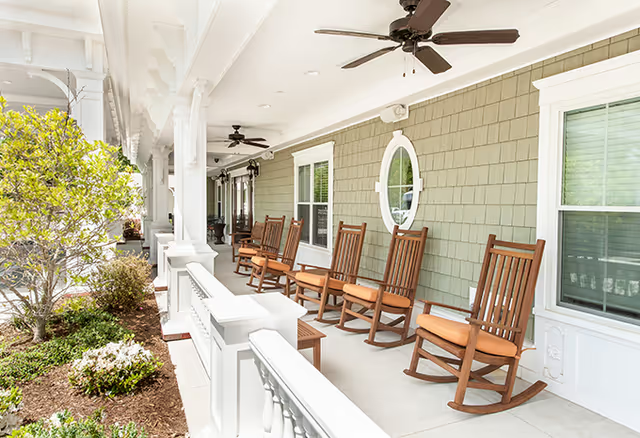
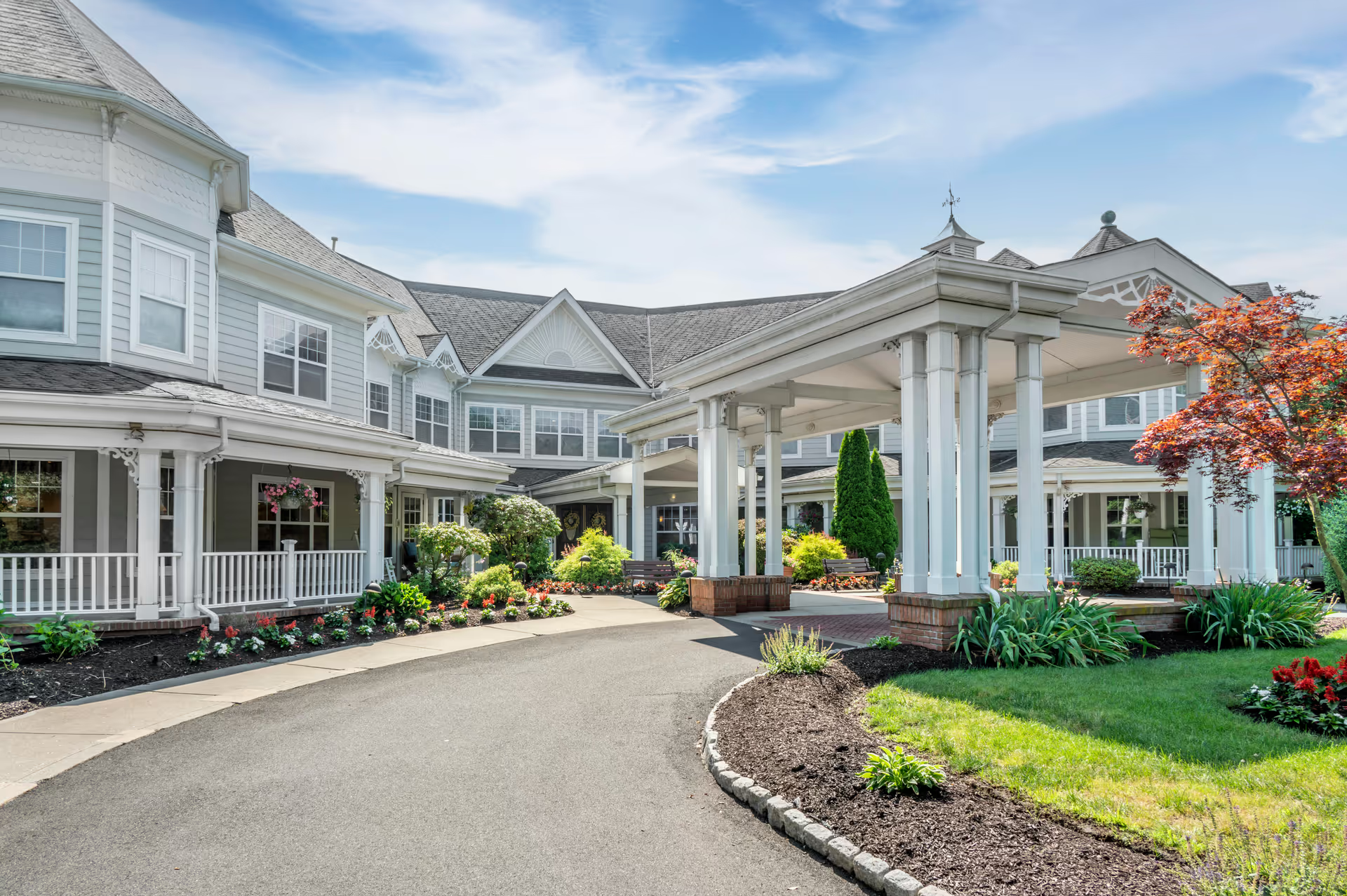
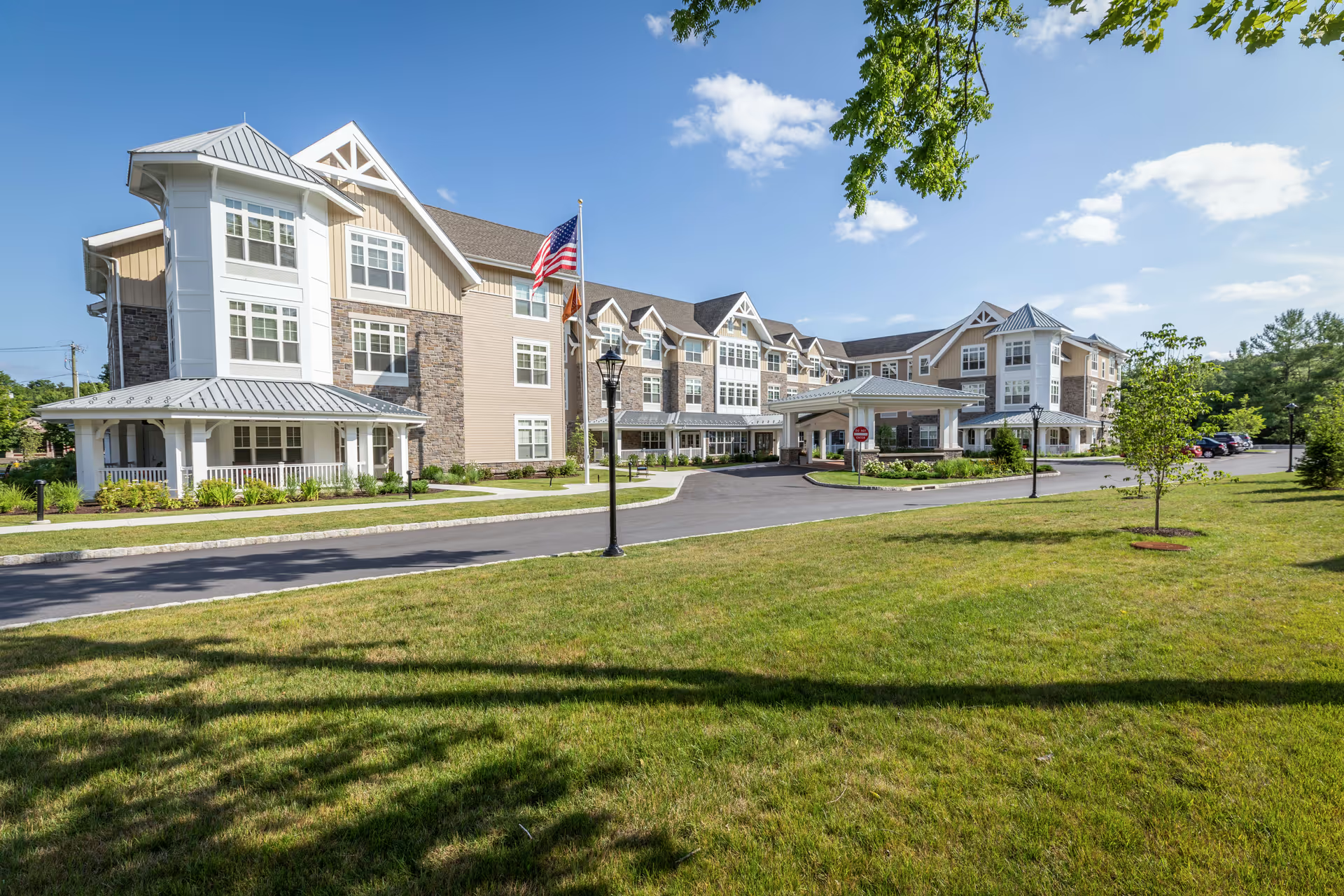
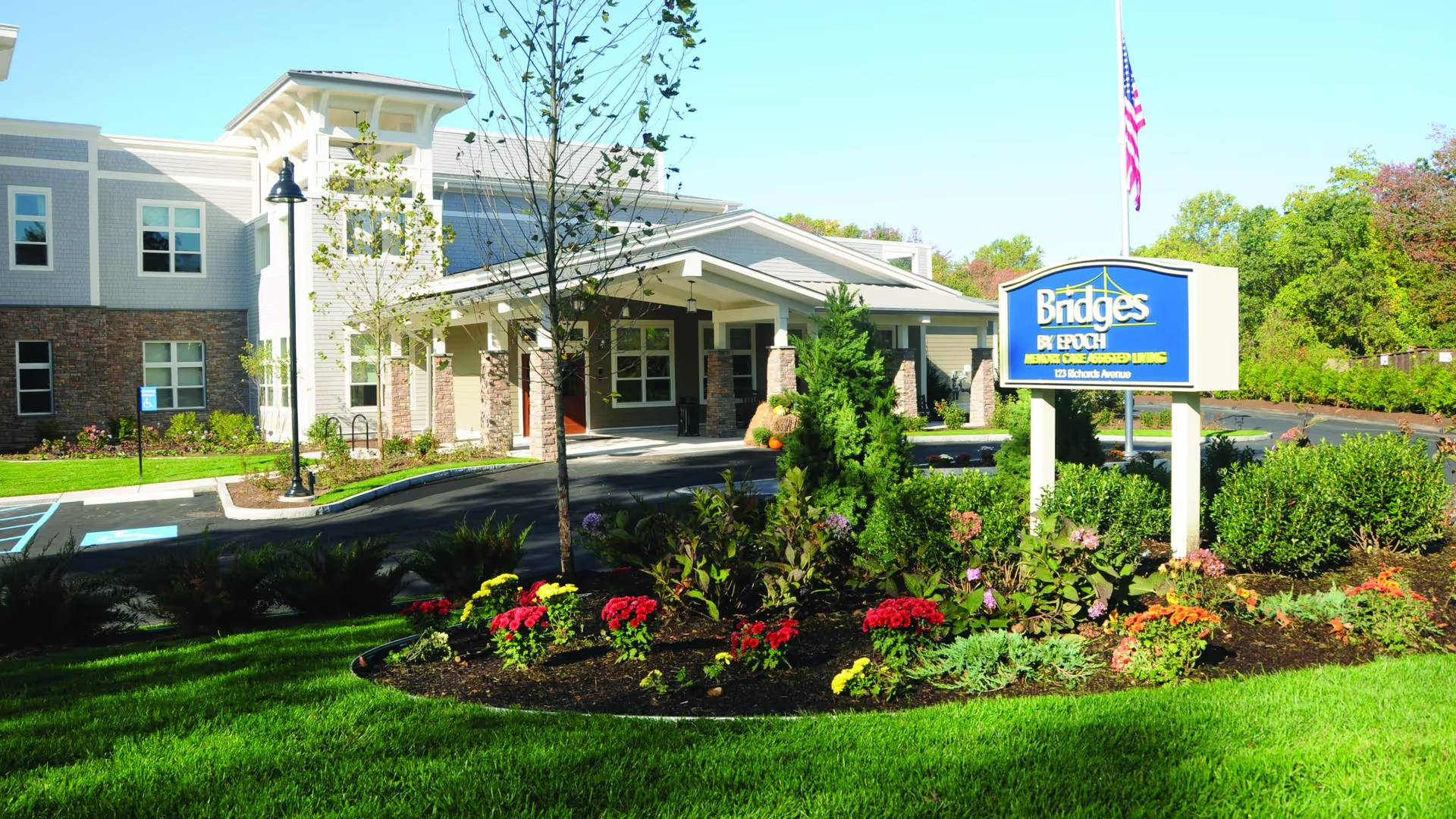
Facility condition and amenities receive generally positive notes: landscaped grounds, clean and freshly maintained common areas, multiple dining spaces, and some private single-occupant rooms with en-suite bathrooms. At the same time, reviewers describe variability in room size, storage limitations in certain accommodations, and occasional sanitation concerns or pest-control questions. These inconsistencies indicate that cleanliness and room condition can vary by unit or over time; an in-person tour and inspection of a specific room assignment is recommended.
Operational and safety patterns are an important area of concern. Multiple accounts point to inconsistent staffing levels and workload pressure, which reviewers link to delayed responses to call bells, medication timing issues, and variability in night-shift responsiveness. There are also raised concerns about transfer safety and equipment maintenance (for example, wheelchair locks and raised-seat commodes), which suggest gaps in routine safety checks and staff resources for higher-acuity needs. Families of patients requiring complex post-surgical care or chronic pain management should explicitly verify staff competencies and the facility's clinical capability for those conditions.
Communication and administrative issues recur across reviews. Positive experiences with admissions staff, case managers, and some administrators are reported, but others describe gaps in management follow-through, inconsistent communication about care changes, and frustrations with billing or insurance authorization processes. A small number of serious allegations and adverse-event concerns were also mentioned; prospective families should inquire about incident reporting, grievance procedures, and the facility’s approach to critical event follow-up when evaluating placement.
Bottom line: Autumn Lake Norwalk appears to offer strong rehabilitative services, many compassionate caregivers, and an active recreation program that can support recovery for patients focused on therapy goals. However, variability in staffing consistency, medication and emergency responsiveness, food service reliability, and certain sanitation and safety practices suggests families should perform targeted due diligence. Recommended steps include touring the specific unit and room, asking about staffing ratios (including night shift), reviewing medication and emergency response protocols, confirming dietary accommodations, and clarifying billing/authorization procedures before admission.