Reviewers describe a facility with distinct strengths in rehabilitation and many individual caregivers, alongside recurring operational challenges. The rehabilitation program (physical and occupational therapy) and several nurses, CNAs, and recreation staff receive consistent praise for helping patients recover and for providing compassionate, hands-on care. Families frequently cited successful short-term rehab discharges and constructive interdisciplinary coordination when the clinical team is fully engaged.
Care quality is uneven across shifts and units. Positive accounts of attentive, professional caregivers coexist with accounts indicating slow response to call systems, inconsistent assistance with incontinence and bathing tasks, and lapses in wound-care and medication follow-through. These variabilities create an unpredictable experience: some residents receive timely, dignified care while others encounter delays or unmet clinical needs. There are isolated allegations of inappropriate conduct and at least one report of regulatory intervention following an infection-control event; these raise concerns about consistency in clinical oversight and adherence to protocols.
Dining and nutritional services are another mixed area. Several reviewers praised staff who helped with feeding needs and individualized attention from dining aides, but many others described inconsistent meal quality, frequent use of processed or limited menu items, dietary accommodations not always implemented promptly, and problems with meal temperature control. Temperature and portion management issues, and occasional sanitary concerns related to food service, suggest opportunities to strengthen food-safety and dietary-coordination practices.
Activities and social engagement receive generally favorable comments when recreation staff are active and present; those interactions are cited as improving residents' mood and engagement. However, programming appears inconsistent at times, with reports of limited activity availability or insufficient staffing to support planned events. The rehabilitation gym and communal spaces are often described as bright and welcoming, which supports therapy and socialization when staff resources permit.
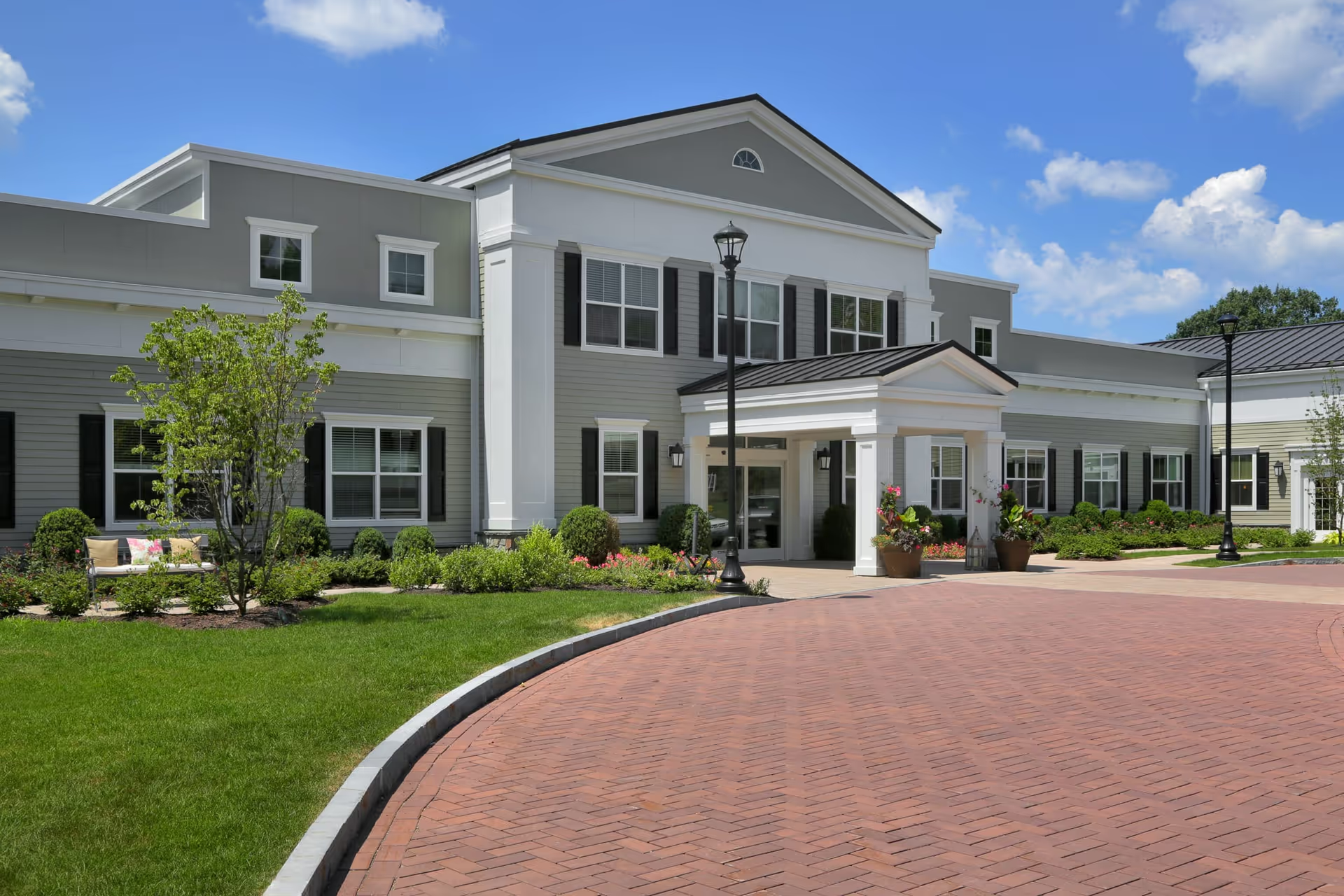
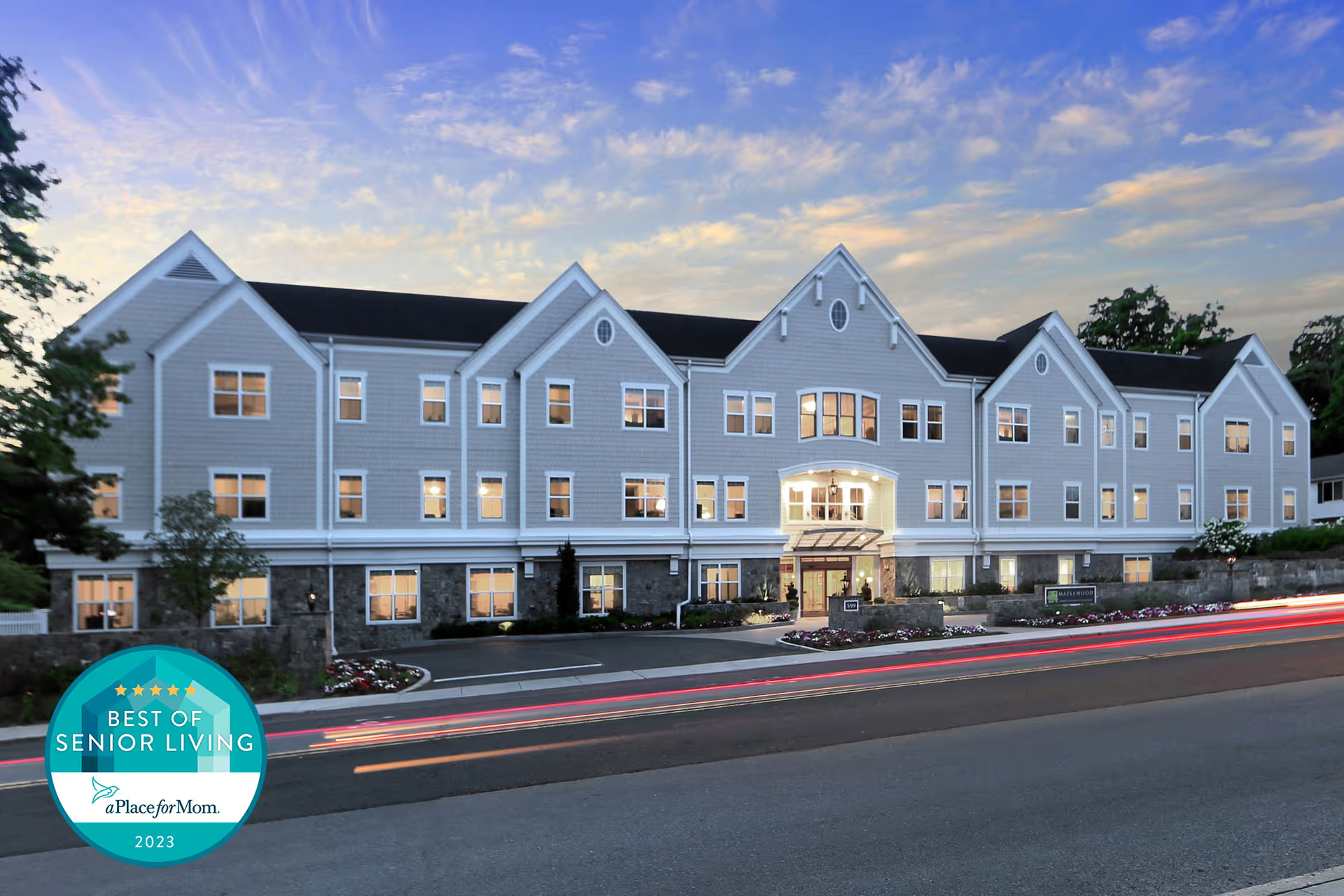
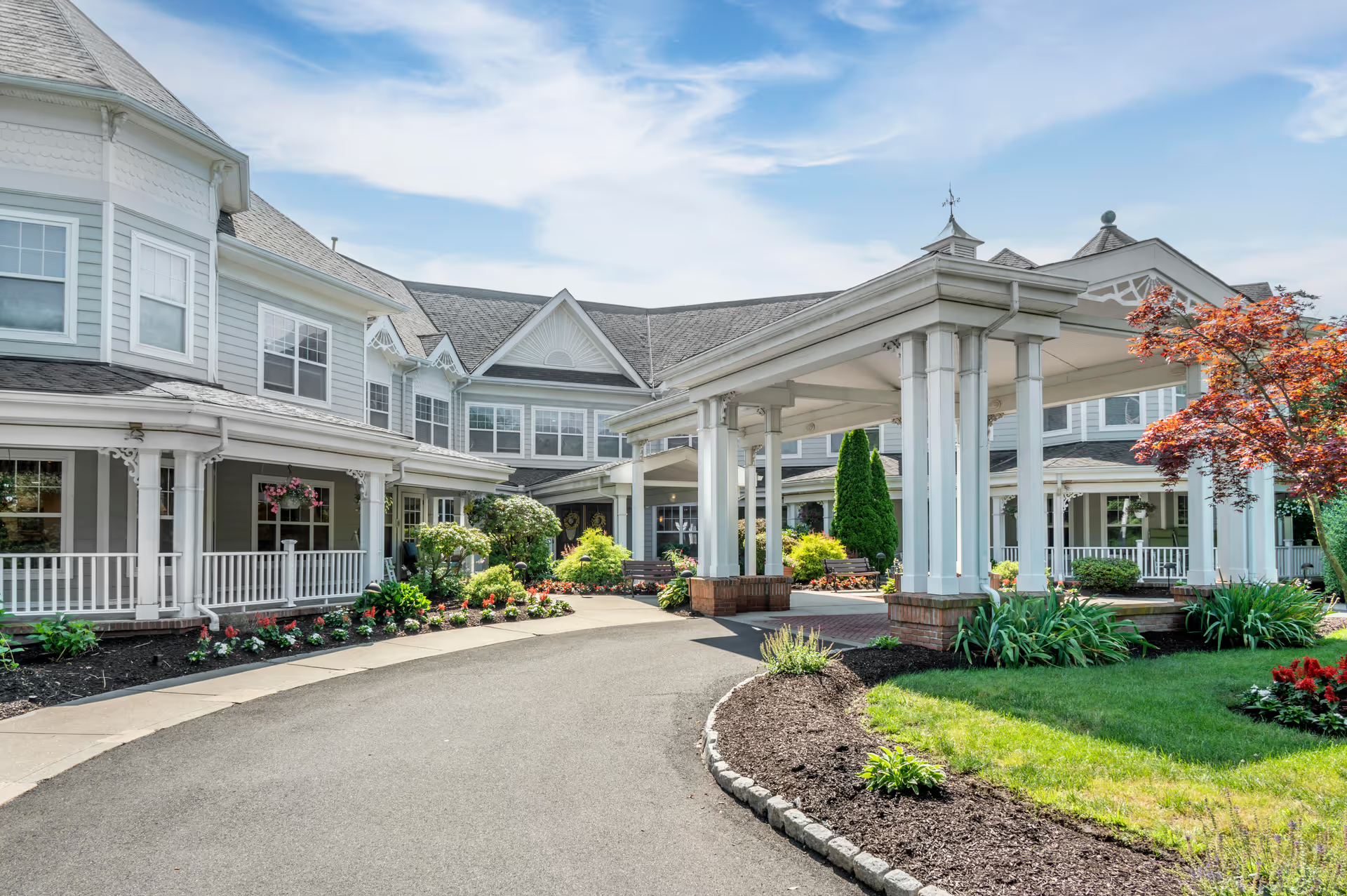
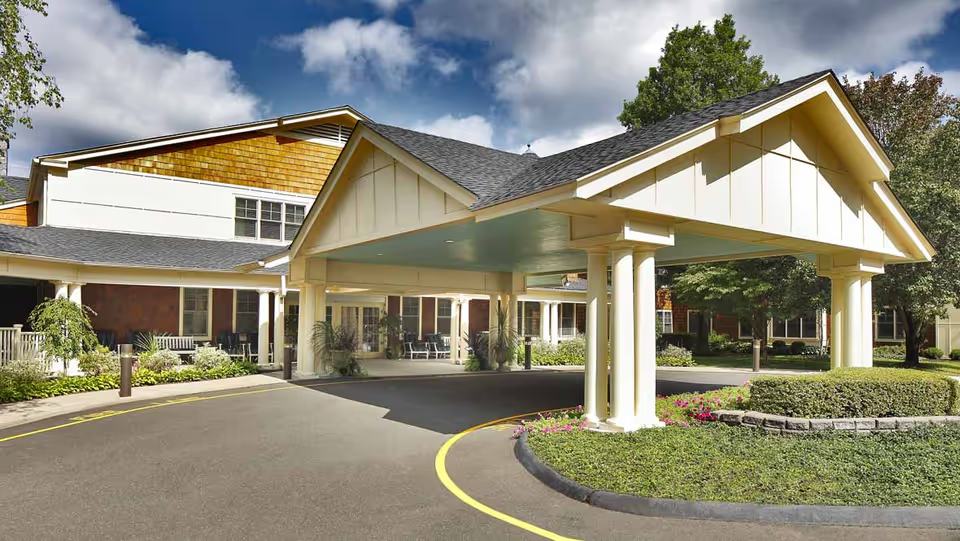
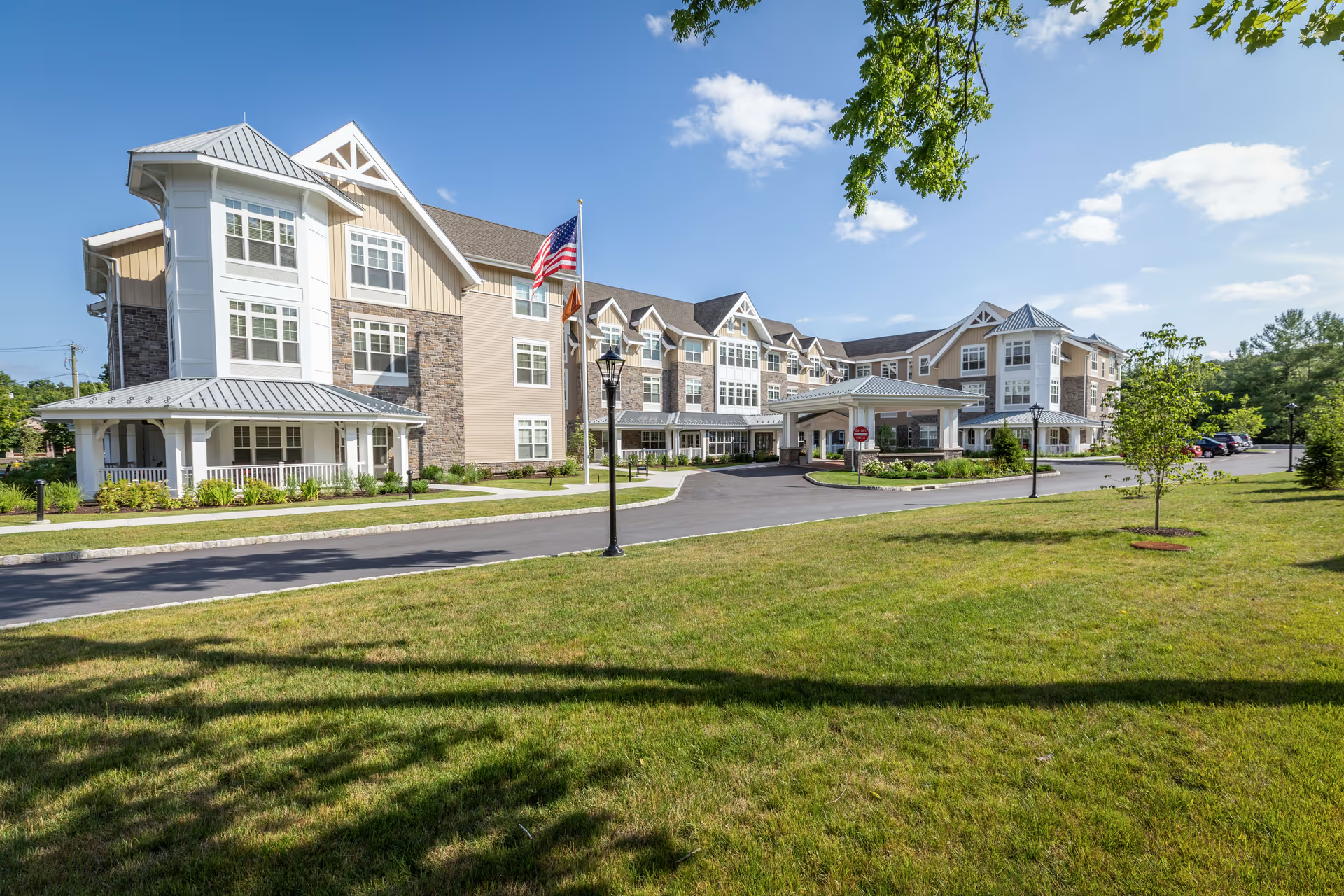
The physical plant shows clear contrasts. Common areas and the rehab room are often described as bright and clean, and management has announced renovation plans and a new dialysis center. At the same time, reviewers noted maintenance issues such as plumbing interruptions, nonworking phones and Wi‑Fi, dated resident room furnishings, and sporadic pest-control and sanitation concerns in specific areas. Those infrastructure deficits can exacerbate clinical and quality-of-life problems when they coincide with staffing shortfalls.
Management and communication patterns are variable. Positive interactions with admissions and front-desk staff, along with examples of responsive leadership addressing concerns, indicate effective practices exist. Conversely, families reported inconsistent transparency about clinical events, billing pressures, difficulty contacting clinical leaders, and lapses in follow-up after incidents. Strengthening routine family communication, incident reporting, and visible infection-control practices would address several recurring themes.
Overall, Cassena Care at Norwalk presents a combination of strong clinical talent—particularly in rehab and among individual nursing staff—and systemic operational weaknesses that create variable resident experiences. Prospective residents and families should weigh the facility's rehabilitative strengths and compassionate staff against documented concerns about cleanliness protocols, staffing consistency, dining management, infrastructure reliability, and communication. Visiting in person, asking for current infection-control and staffing metrics, and clarifying dietary and wound‑care plans can help families assess fit and track improvements during a stay.