Notre Dame Health and Rehabilitation Center elicits a mixed but instructive set of impressions. Many reviewers highlight strong, compassionate hands-on care from nursing and support staff, visible leadership engagement, and a generally clean, comfortable environment. Rehabilitation services and medical coverage (NP/MD) are frequently described as active and responsive, and families appreciate regular progress updates and a staff culture that includes religious services and thoughtful roommate matching. Dining is commonly characterized as satisfying, with a dietitian available, and the facility accepts pets and offers an on-site chapel, which are positives for residents seeking a familiar and spiritually supportive setting.
Care quality appears to be uneven across different parts of the organization. Direct-care staff are often praised for attentiveness and empathy, and there are reports of therapy teams and recreation staff providing meaningful engagement. At the same time, several reviewers raised concerns about individual staff conduct and inconsistent professionalism; one serious individual claim described inappropriate physical contact by an orderly, and other comments described instances where families felt compelled to provide hands-on assistance. These accounts point to variability in staff performance and supervision rather than a uniform pattern of practice.
Clinical responsiveness and administrative decision-making are recurring areas of concern. Multiple reviews describe difficulties with admissions/transfers, questions about the timeliness of medical attention, and examples where families felt communication from leadership was evasive or financially driven. There are also reports of confrontational interactions when complaints were raised, including claims of legal threats by management. Together these items suggest opportunities to improve transparency, incident response protocols, and the facility’s complaint-resolution processes.
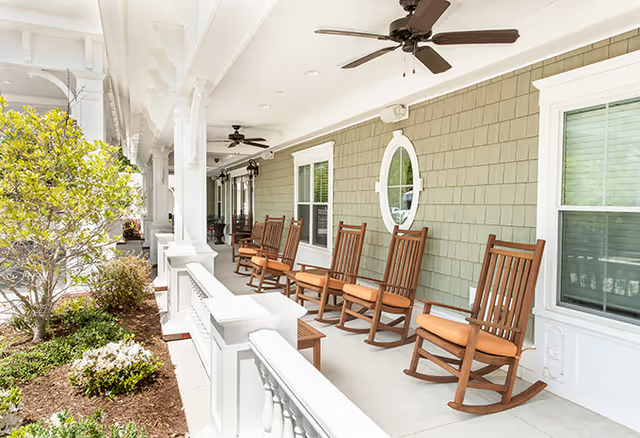
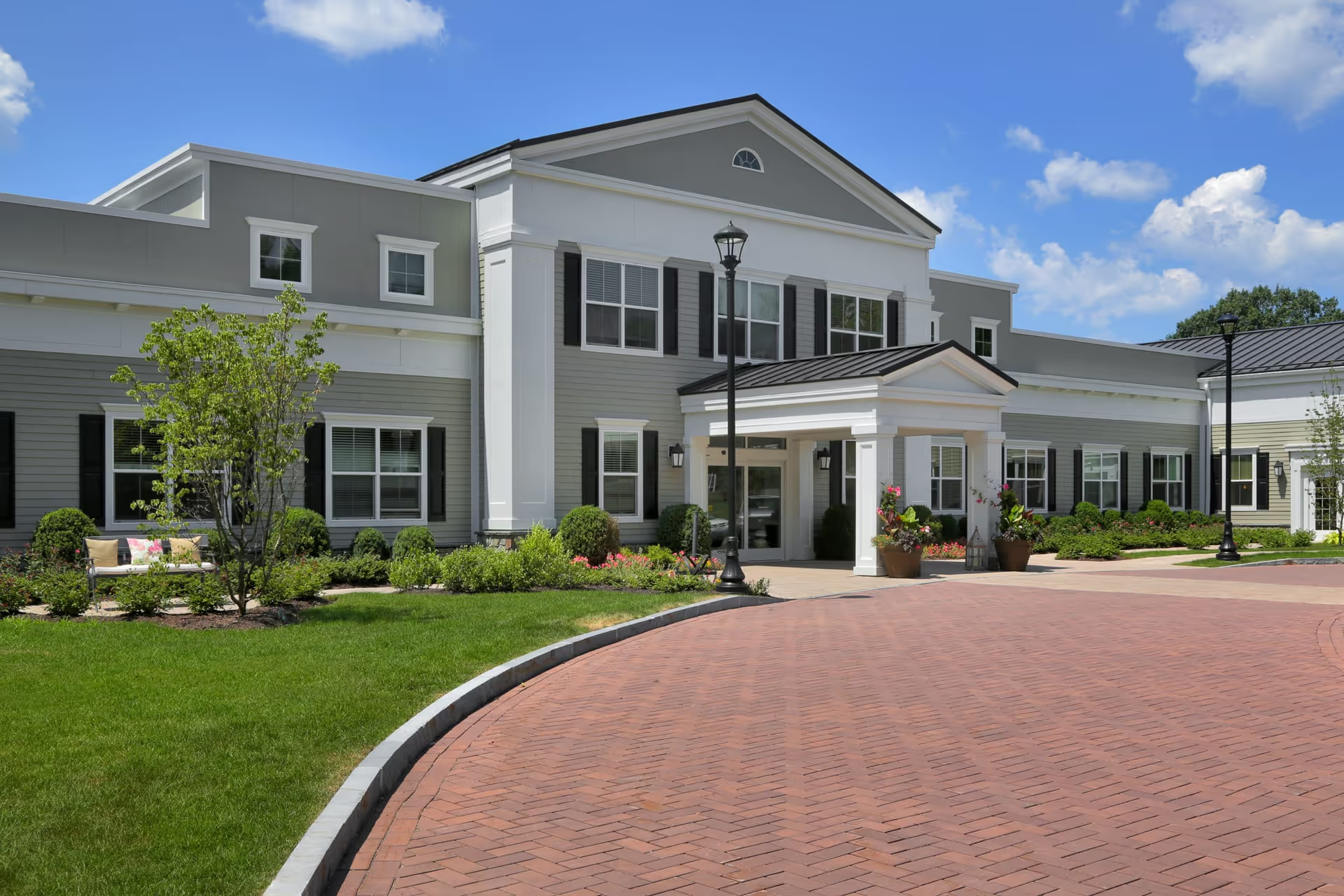
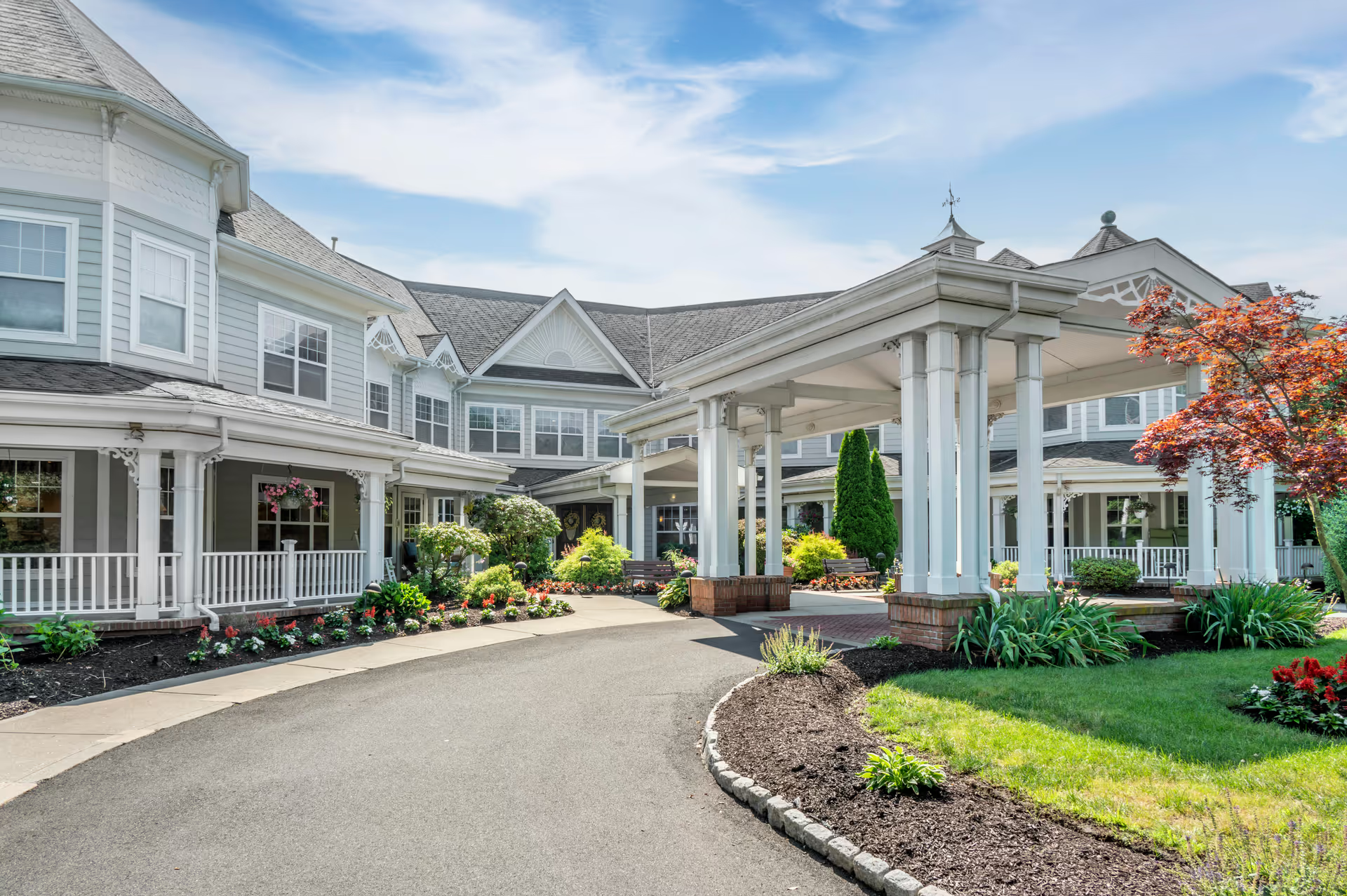
Facility-level offerings and atmosphere are largely positive but basic. Common areas and patient rooms receive praise for cleanliness and comfort, though there are also sanitation and odor concerns noted in some locations that indicate uneven housekeeping outcomes. The environment is described as functional rather than newly modern — many reviewers called it comfortable and tidy but not particularly upscale. Activity programming, religious services, and therapy options are strengths that contribute to residents’ quality of life.
For prospective residents and families: the facility demonstrates clear strengths in bedside compassion, rehabilitation, and spiritual support, and many find it an appropriate choice for post-acute recovery. At the same time, the reviews suggest variability in administrative transparency, staff conduct, and certain aspects of clinical responsiveness. A recommended approach is to tour the facility, meet unit-level nursing and therapy staff, ask for examples of how clinical incidents and complaints are handled, inquire about staffing ratios and supervision, and confirm housekeeping and infection-control protocols. Doing so will help determine whether the center’s operational practices align with your expectations for oversight, communication, and consistency of care.