Gardner Heights presents a mixed operational profile: its caregiving and therapy strengths are repeatedly praised while facility condition and operational consistency are the most common sources of concern. Many families and residents commend the nursing teams, nurse aides, and therapy staff for compassionate, attentive care and for producing positive rehabilitation outcomes. The presence of long‑tenured employees, 24‑hour clinical coverage, dedicated physical and occupational therapists, and an active activities program contributes to a sense of safety, social engagement, and effective short‑term rehab for many residents.
Staff and care quality appear to be uneven. Numerous accounts highlight exemplary nurses, aides, and administrative staff who are responsive, personable, and supportive; these same accounts coexist with others describing inconsistent conduct, occasional delays in responsiveness (particularly nights and weekends), and variability in how staff communicate with families. Therapy services are seen as a strong element overall, with dedicated therapists and successful outcomes reported, but there are also reports of canceled sessions and scheduling problems that indicate inconsistent therapy follow-through for some residents.
Dining and daily living services are characterized as adequate but not specialized. The dining staff and kitchen are described as caring, and routine services such as laundry and maintenance receive positive mentions. At the same time, meal options appear limited for residents with specific dietary needs—particularly diabetic-friendly or low‑carbohydrate choices—which could be a concern for those requiring strict dietary management. Housekeeping and general cleanliness are frequently noted as strengths, though there are isolated pest-control and sanitation concerns raised about resident areas that merit inquiry during a tour.
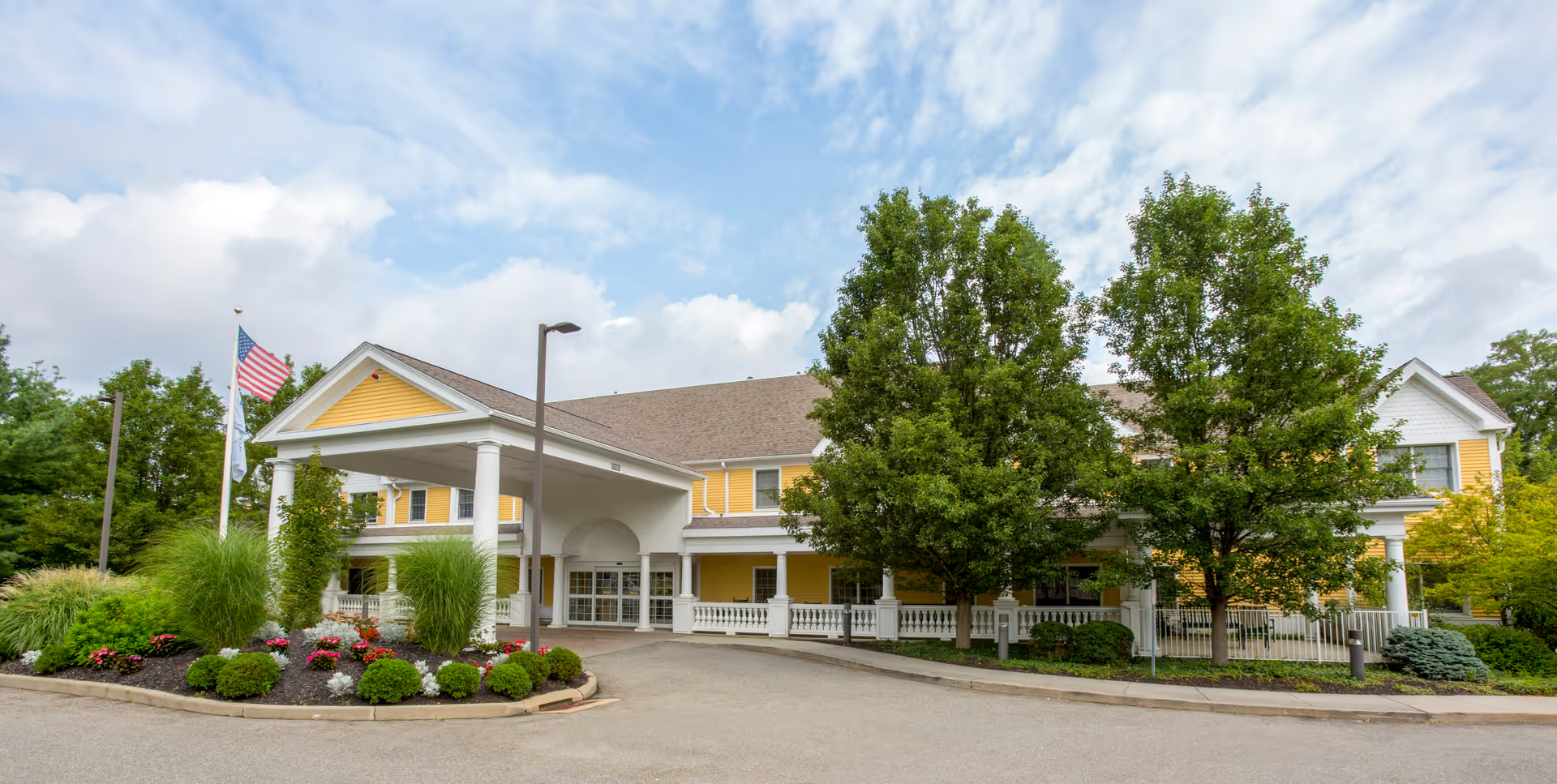
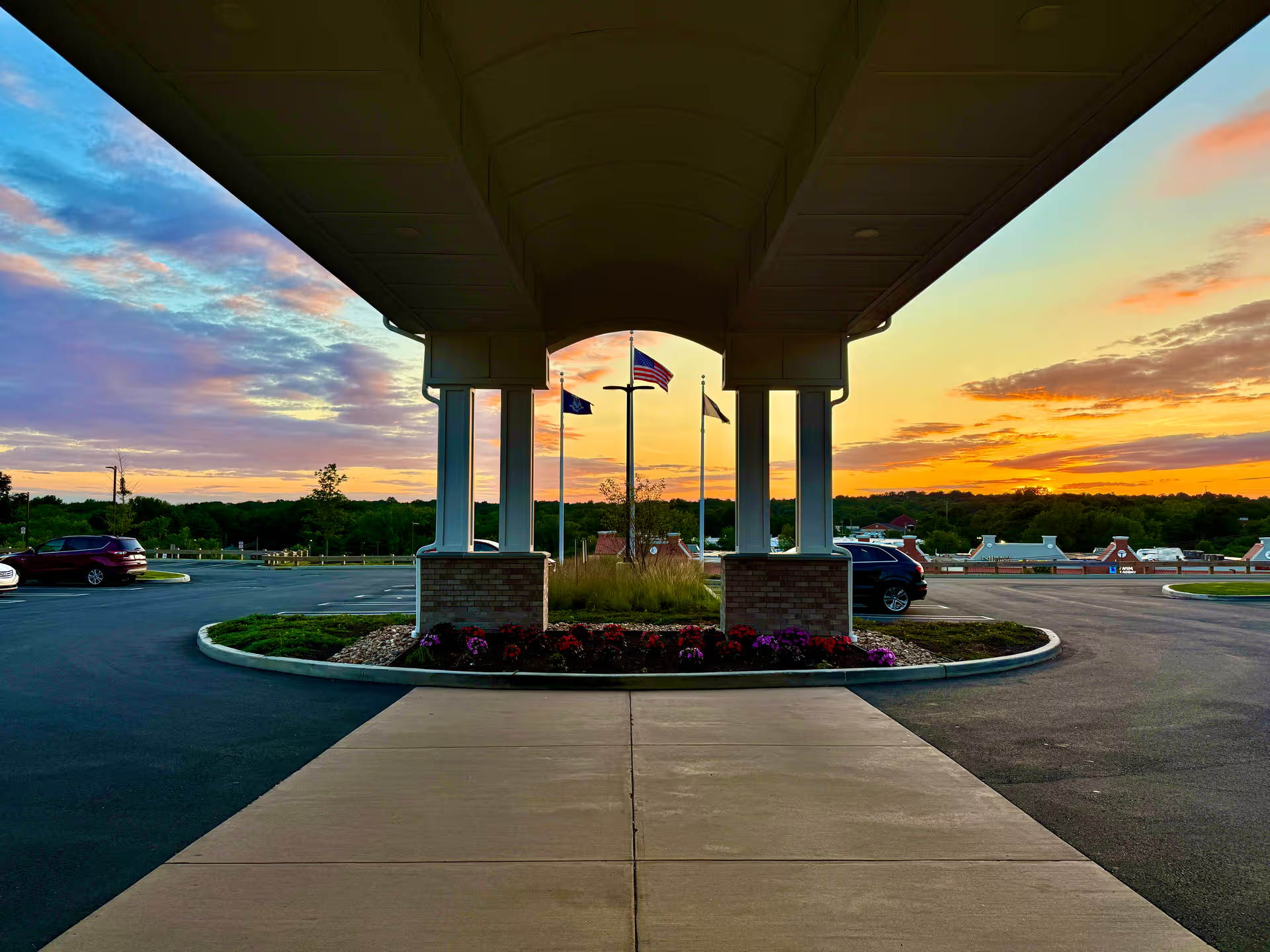
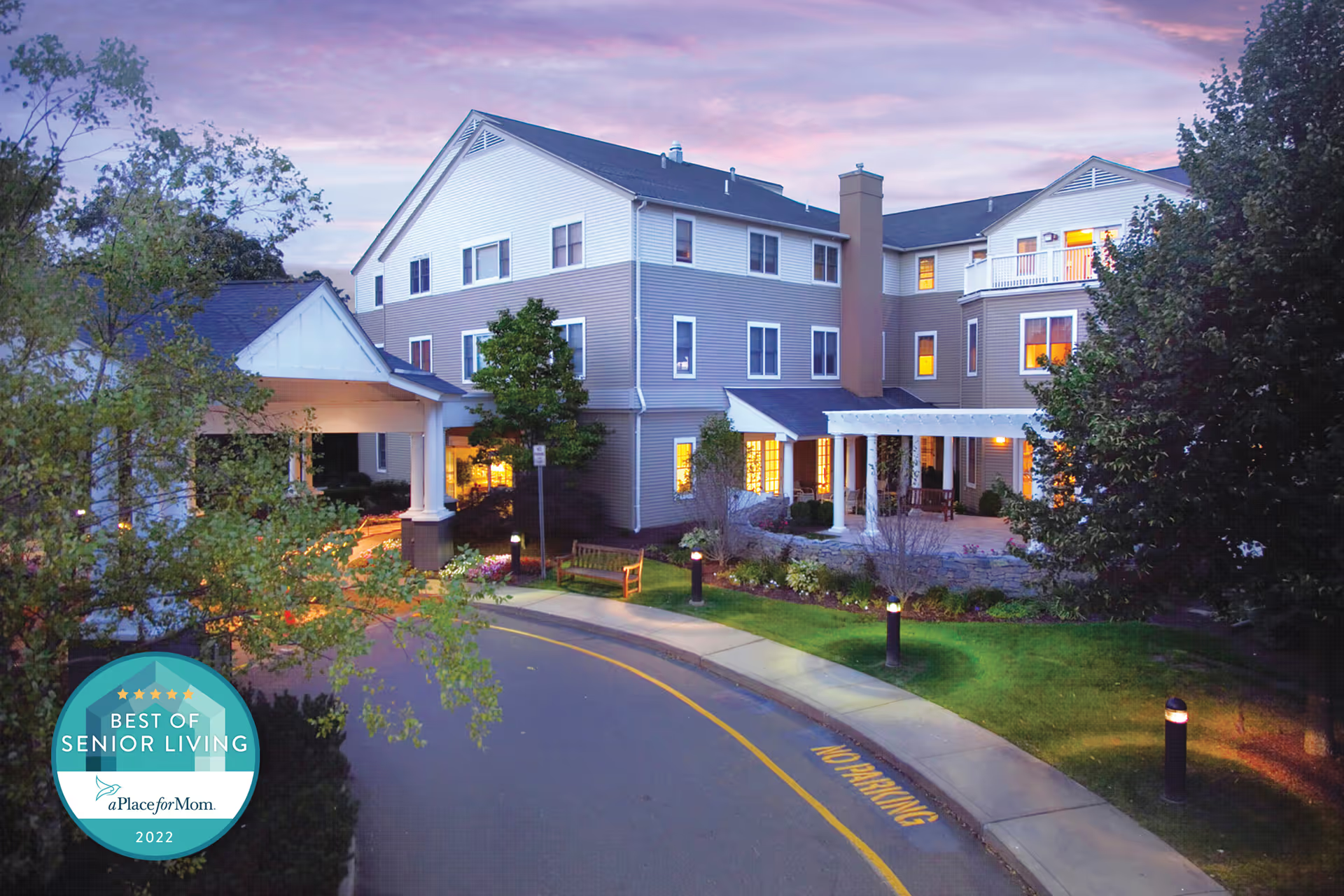
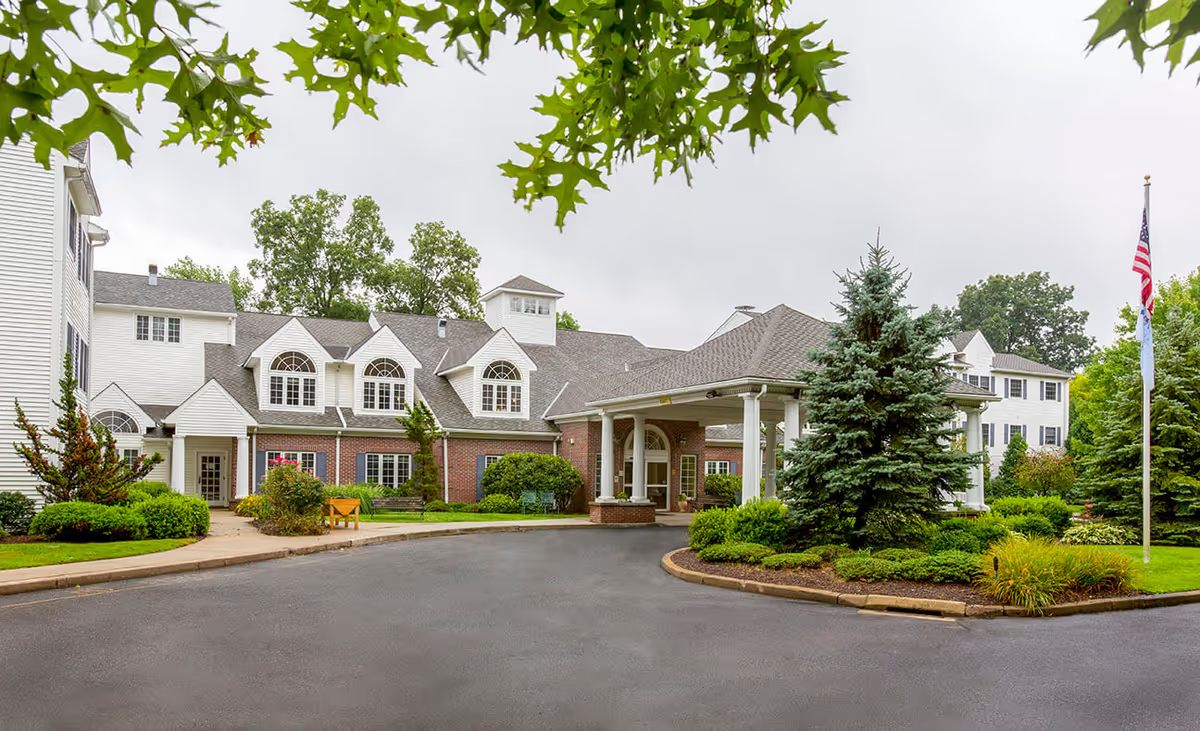
The physical plant is clearly an important consideration. Gardner Heights is a one‑level facility with good room sizes and an accessible location, but the building and grounds are described as dated and in need of renovation. Practical limitations include a small parking lot, limited outdoor space for residents, shared bathrooms between rooms rather than en‑suite facilities, and an uneven driveway surface that could affect accessibility and safety. Prospective residents should inspect room configurations and outdoor access to determine fit.
Management and administrative performance earns mixed evaluations. Several families praise attentive administrators, clear explanations of services, and helpful advocacy; others describe lapses such as billing errors, difficulty reaching staff after hours, and concerns about personal‑item security. There are isolated allegations involving theft and post-discharge billing problems that suggest processes for property control and billing reconciliation would benefit from review.
Overall, Gardner Heights may be a good match for families prioritizing compassionate, relationship‑driven care and strong rehab therapy in a quieter, home‑like setting. Prospective residents who require specialized dietary programs, private en‑suite bathrooms, or a fully renovated environment should carefully evaluate whether the facility’s current infrastructure and operational consistency meet those needs. A focused tour that inspects cleanliness, pest‑control measures, bathroom arrangements, therapy schedules, and administrative billing processes is recommended to verify how the facility’s strengths align with individual care priorities.