Reviews of Masonicare at Bishop Wicke Health Center present a mixed but discernible pattern: many families and residents describe high-quality, person-centered care delivered in a clean, attractive setting with robust programming, while others raise operational concerns that affect basic comfort and consistency of care. Positive comments focus on staff compassion, a welcoming atmosphere, and an active calendar of activities; critical comments highlight gaps in everyday operations such as sanitation, supply availability, and communication.
Care quality is described unevenly. Numerous accounts praise nurses and aides as caring, respectful, and knowledgeable about dementia needs; rehabilitation and physical-therapy services are noted as supportive and recovery-focused. At the same time, reviewers describe variability in clinical competence and responsiveness, with examples indicating delays in attending to basic resident needs and instances of staff conduct that families perceived as unprofessional. The overall pattern is one of generally strong personal caregiving in many units, coupled with occasional lapses that suggest inconsistent training and supervision.
Staff interactions receive largely positive remarks for warmth and individualized attention: staff who remember names, accommodate dementia-related needs, and assist with meal selection are cited repeatedly. However, there are recurring concerns about staff professionalism in some encounters (on-shift distractions, use of personal devices, and perceived shirking of responsibilities) and inconsistent customer service at intake or reception. These mixed impressions point to variability in front-line behavior and suggest the benefit of clearer expectations and oversight in some areas.
Dining and nutrition are frequently described as strengths: reviewers note a Planetree-informed approach, multiple dining options, attentive meal-service staff, and generally high-quality meal preparation. Conversely, there are specific accounts indicating weaknesses in dietary oversight (for example, meal choices not aligned with a resident’s medical diet), which indicates a need for reliable processes to match menus and special-diet requirements to individual care plans.
Activities and social programming are consistently praised. The facility offers a wide range of daily options—bingo, crafts, music, dancing, movies, theatrical events, and outings—which contribute to a sense of home and engagement for residents. Families valued staff who facilitate participation and create opportunities for social interaction.
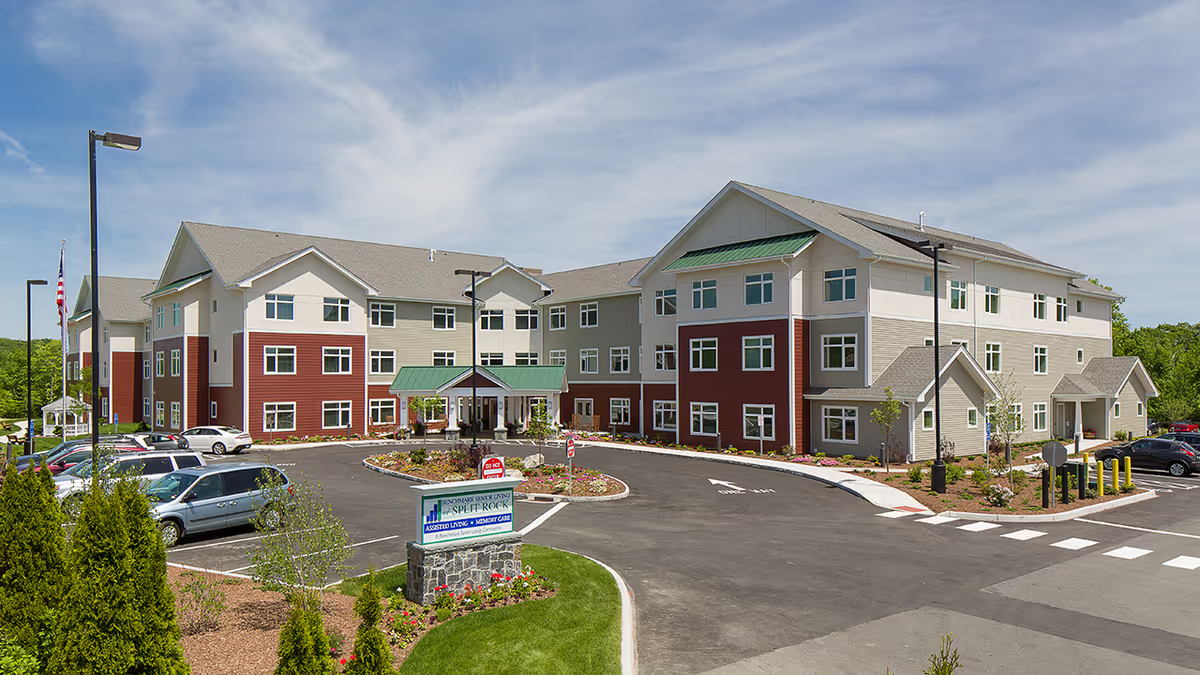
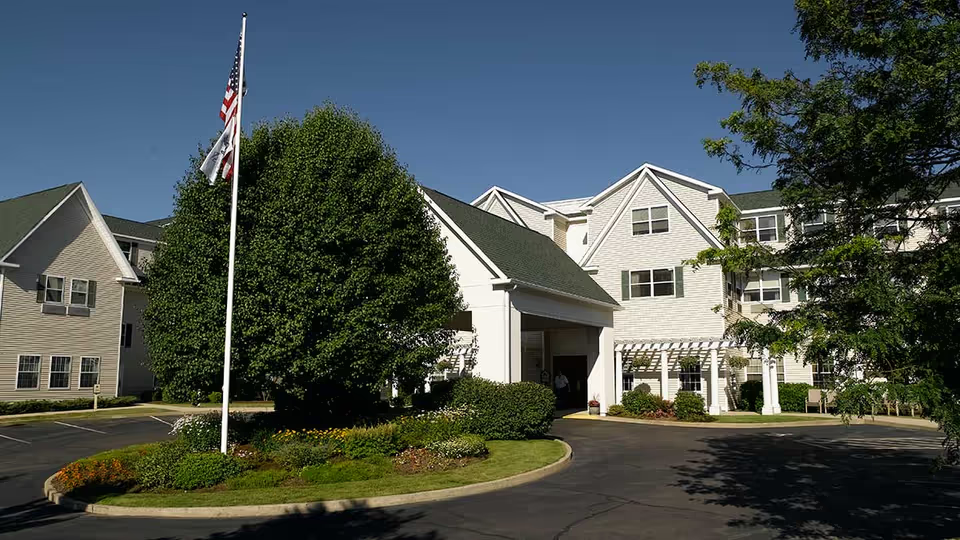
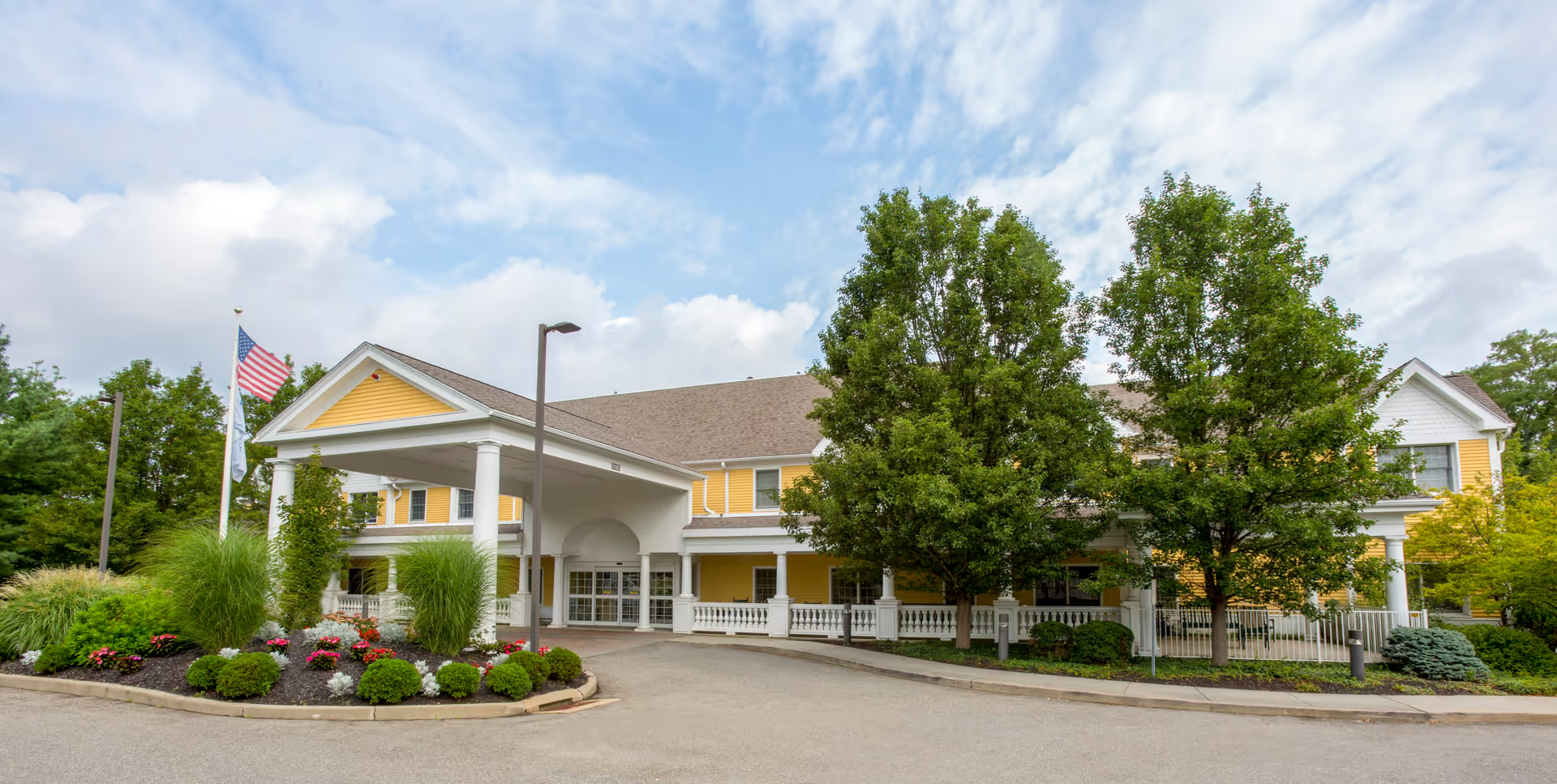
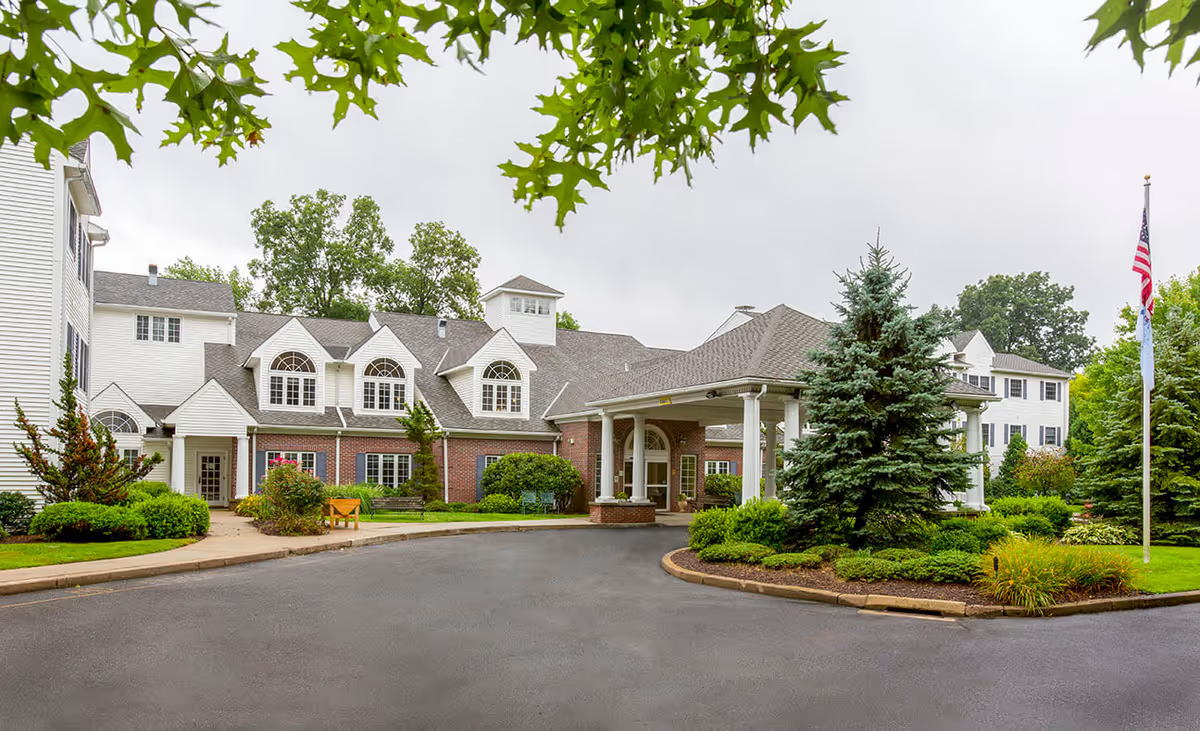
Facility and environment impressions are positive overall: many reviewers point to spacious, well-kept rooms, attractive grounds, and an apartment-style or single-floor layout that supports mobility. Countervailing concerns include crowded room assignments, shared-bathroom configurations, and some accessibility issues for wheelchair users; these are operational layout matters that may affect privacy and convenience for certain residents.
Management and operations show a split perception. Some reviewers describe strong administration and coordinated care, while others note disorganization, inconsistent procedures, and communication gaps between departments and with families. Supply-management issues (soap or sanitizer availability, delays in basic supplies) and sanitation inconsistencies were specifically mentioned, suggesting operational process improvements could increase reliability and family confidence.
In sum, Masonicare at Bishop Wicke displays several institutional strengths—compassionate caregiving, robust programming, attractive facilities, and a person-centered dining approach—coupled with operational weaknesses around consistency, communication, and certain procedural controls. Prospective residents and families may benefit from targeted questions during a visit: inquire about staffing ratios and training, cleaning and supply protocols, how dietary needs are verified and delivered, room and bathroom configurations, and examples of recent process improvements or quality-monitoring practices.