Reviews emphasize a consistently positive social and service-oriented experience at Masonicare at Crosby Commons. Families and residents describe the staff as attentive, cheerful and responsive; caregivers and front-desk/dining personnel are repeatedly characterized as welcoming and relationship-focused. Many reviewers noted quick recognition of residents by staff, a family-like tone of care, and management presence that contributes to a sense of responsiveness and accountability.
The community's activity program is a prominent strength. An active, resident-directed calendar with themed parties, movies, games, frequent minibuses to local gardens, shoreline trips, restaurants and mystery rides is highlighted across comments. Reviewers singled out the activity leadership as tireless and effective, and families reported relief and satisfaction when their relatives became engaged by these offerings. Social programming appears extensive and intentionally designed to create a vibrant community life.
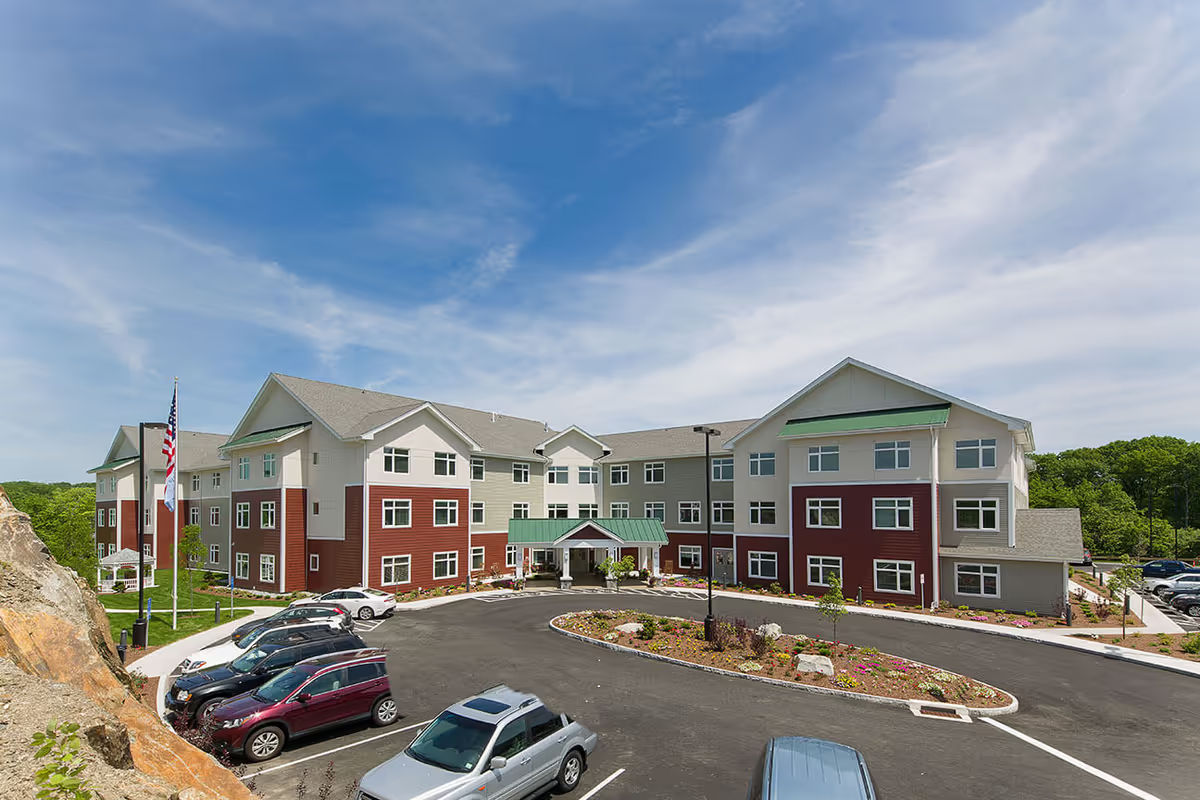
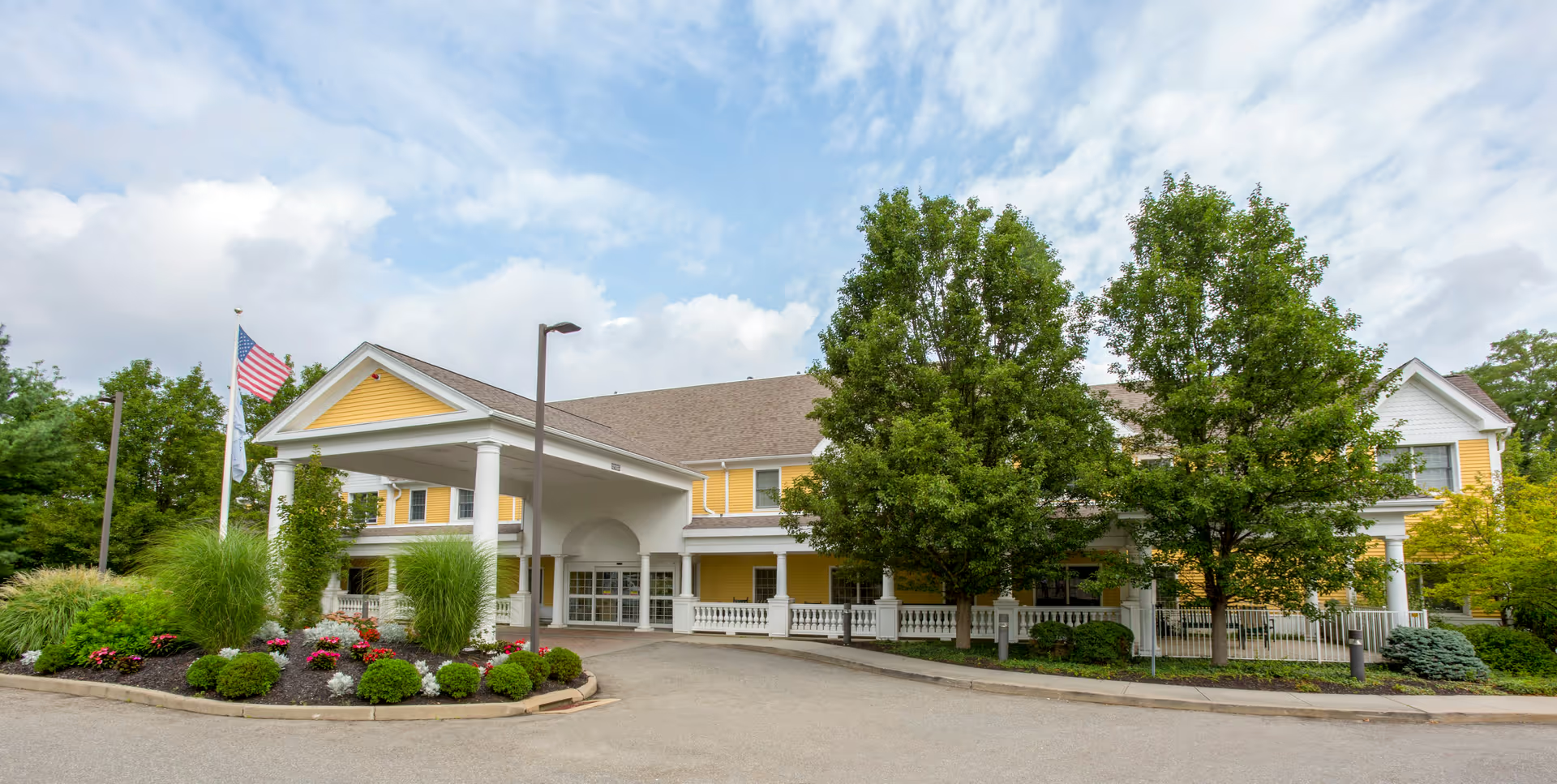
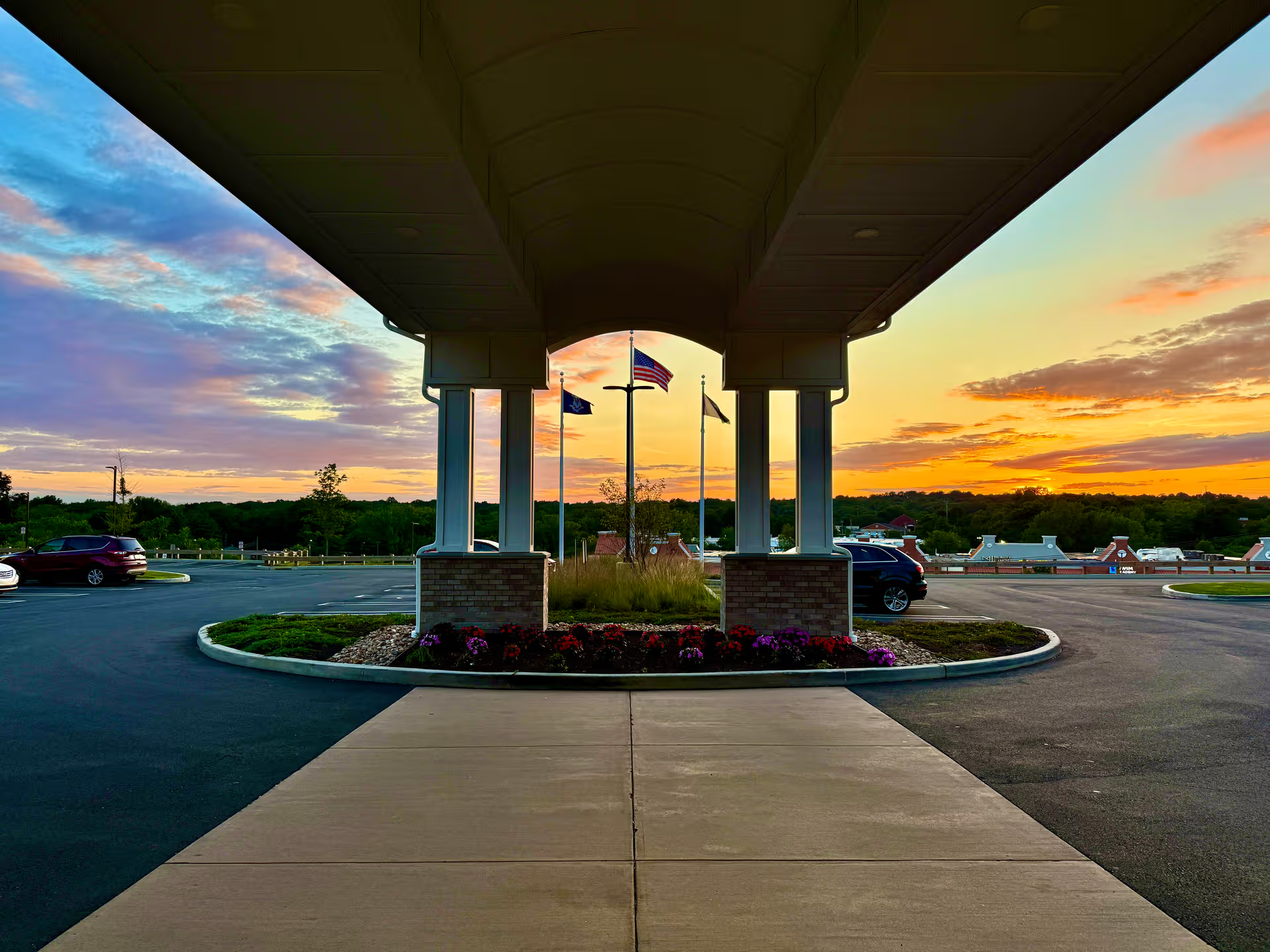
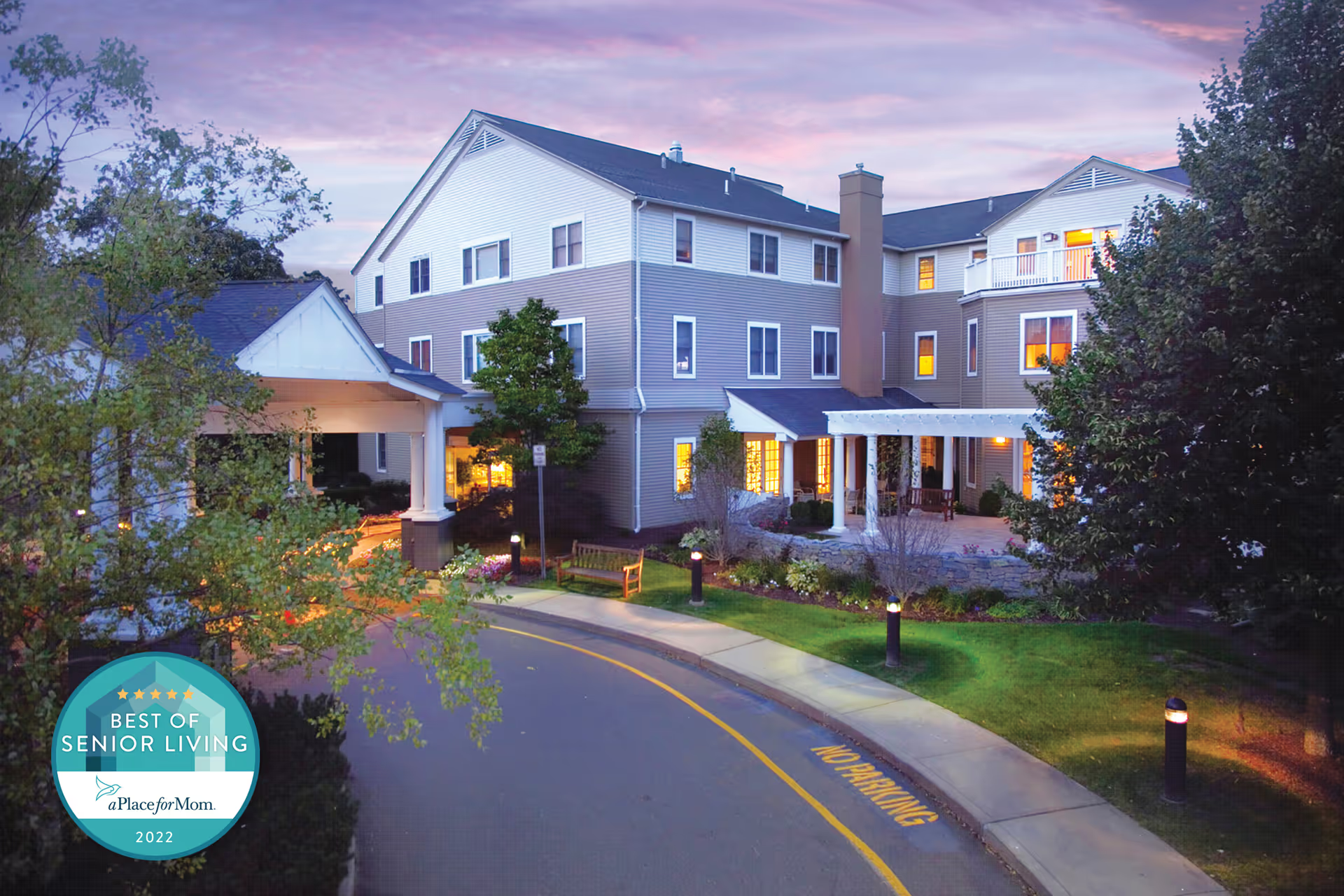
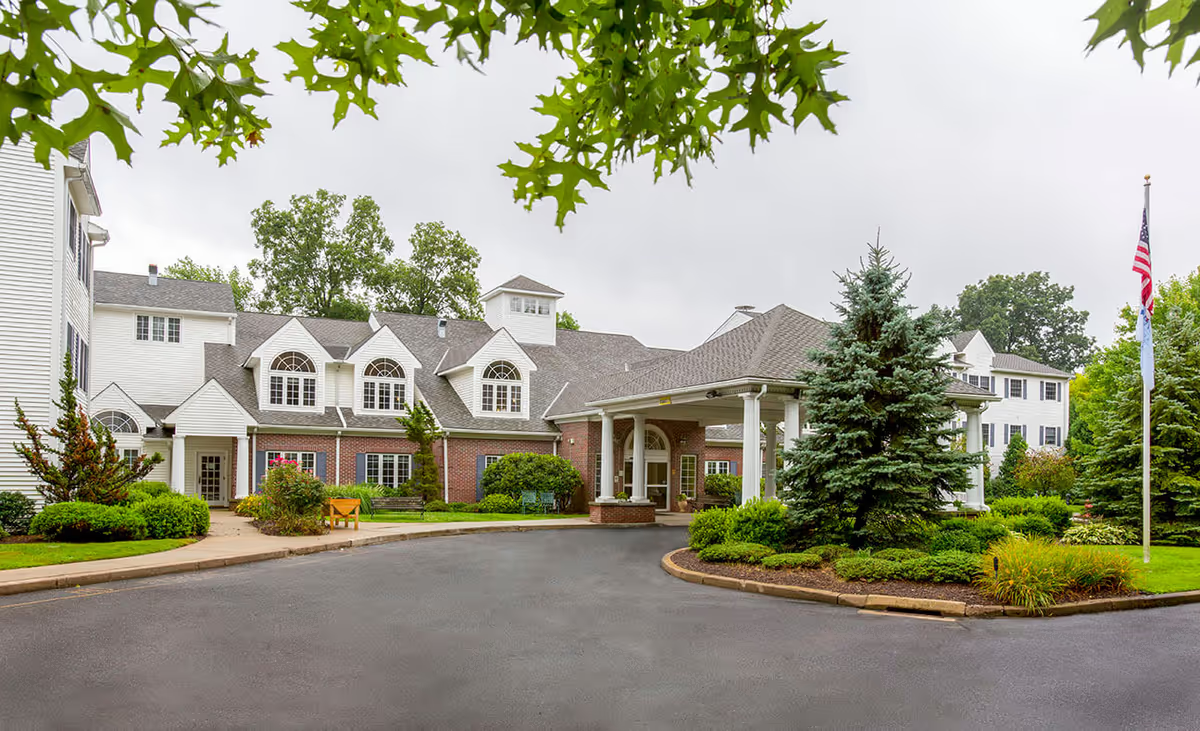
Dining and facilities receive strong praise. Descriptions consistently reference varied, high-quality and abundant food choices, accommodating dining staff, and an appealing culinary experience. The physical environment is described as clean, well-maintained and attractively landscaped, with warm decor and seasonal exterior planting contributing to an inviting atmosphere. Safety and organization are also noted as positive attributes of the campus.
Notable patterns and caveats: the available commentary focuses heavily on hospitality, social programming and hospitality-grade services, with comparatively little detail about clinical nursing depth, rehabilitation services or specialized memory-care capabilities. Prospective residents and families who prioritize medical or rehabilitative services should request specific information about clinical staffing levels, on-site therapy availability and medication-management processes. Additionally, the facility’s strong emphasis on group programming and outings, while a major benefit for socially active residents, may be less suitable for individuals who prefer quieter, low-stimulation settings. Finally, the continuity of frequent outings and activity variety appears to depend on staffing availability; families should clarify how the community maintains program consistency during staffing changes or peak demand periods.
Overall, reviewers portray Masonicare at Crosby Commons as a social, well-managed community with attentive staff, robust activities and strong dining and environmental standards. For those whose priorities align with social engagement, hospitality and a supervised, secure setting, the community scores highly; families with primary clinical or intensive rehabilitation needs should verify those services directly before deciding.