Overall impression: Lord Chamberlain Nursing & Rehabilitation Center elicits a strongly mixed set of impressions. The facility is perceived by many families as a capable rehabilitation center with notable strengths in therapy services, several compassionate staff members, and generally attractive public spaces. At the same time, recurring operational issues — most prominently inconsistent staffing, communication breakdowns, and maintenance shortfalls — create variability in day-to-day resident experience and clinical reliability.
Care quality and clinical services: Physical and occupational therapy services are a clear strength; multiple families describe productive rehab interventions and staff who support functional recovery. Respiratory therapy and some nursing clinicians are also singled out for attentive care. However, outside the core rehab teams there is wide variability in nursing and CNA performance. Common themes include slow response times to call lights, delays in personal care and pain medication, and gaps in medication administration and documentation. These patterns suggest uneven skill mix and/or staffing that can affect routine clinical safety and comfort.
Staff and culture: Many individual staff members are praised by name for compassionate, professional care, and housekeeping/housekeeping staff often receive positive comments. Conversely, reviewers describe episodes of poor tone, hurried or inattentive interactions, and inconsistent adherence to clinical processes. Understaffing is a frequent explanatory factor mentioned in comments where care was delayed or inconsistent. Families report better experiences when unit leadership or specific therapists engage proactively; however, broader cultural and supervision issues are cited as contributing to variability.
Dining and activities: Dining impressions are mixed. The on-site restaurant and some home-cooked-style meals receive positive feedback, but there are also frequent notes about cold trays, inconsistent meal delivery, and weekend menu limitations. Recreational programming — including worship services, group activities, and outings — is meaningful for many residents, though activity offerings and engagement levels vary by unit and shift.
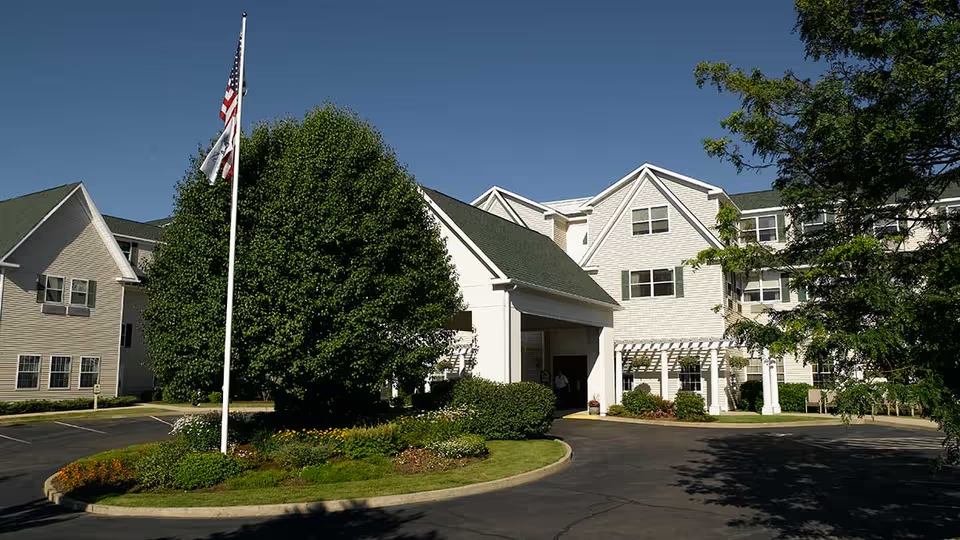
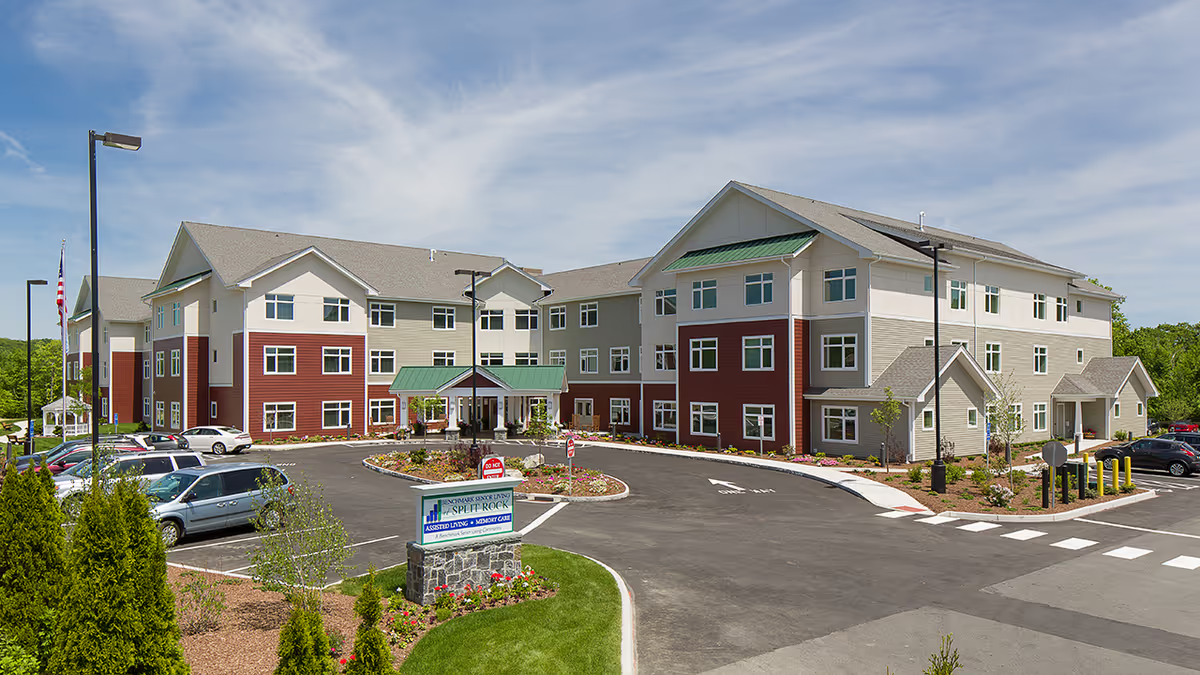
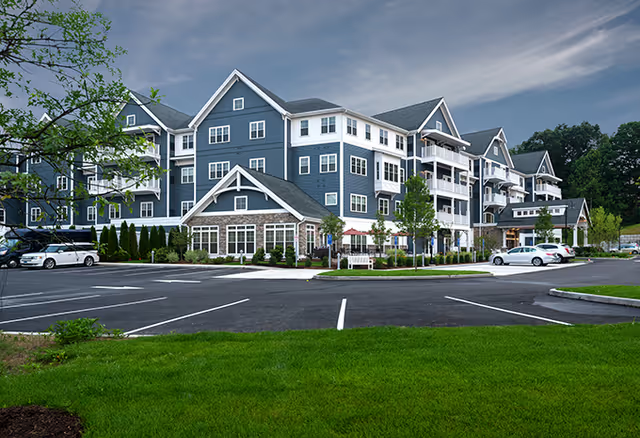
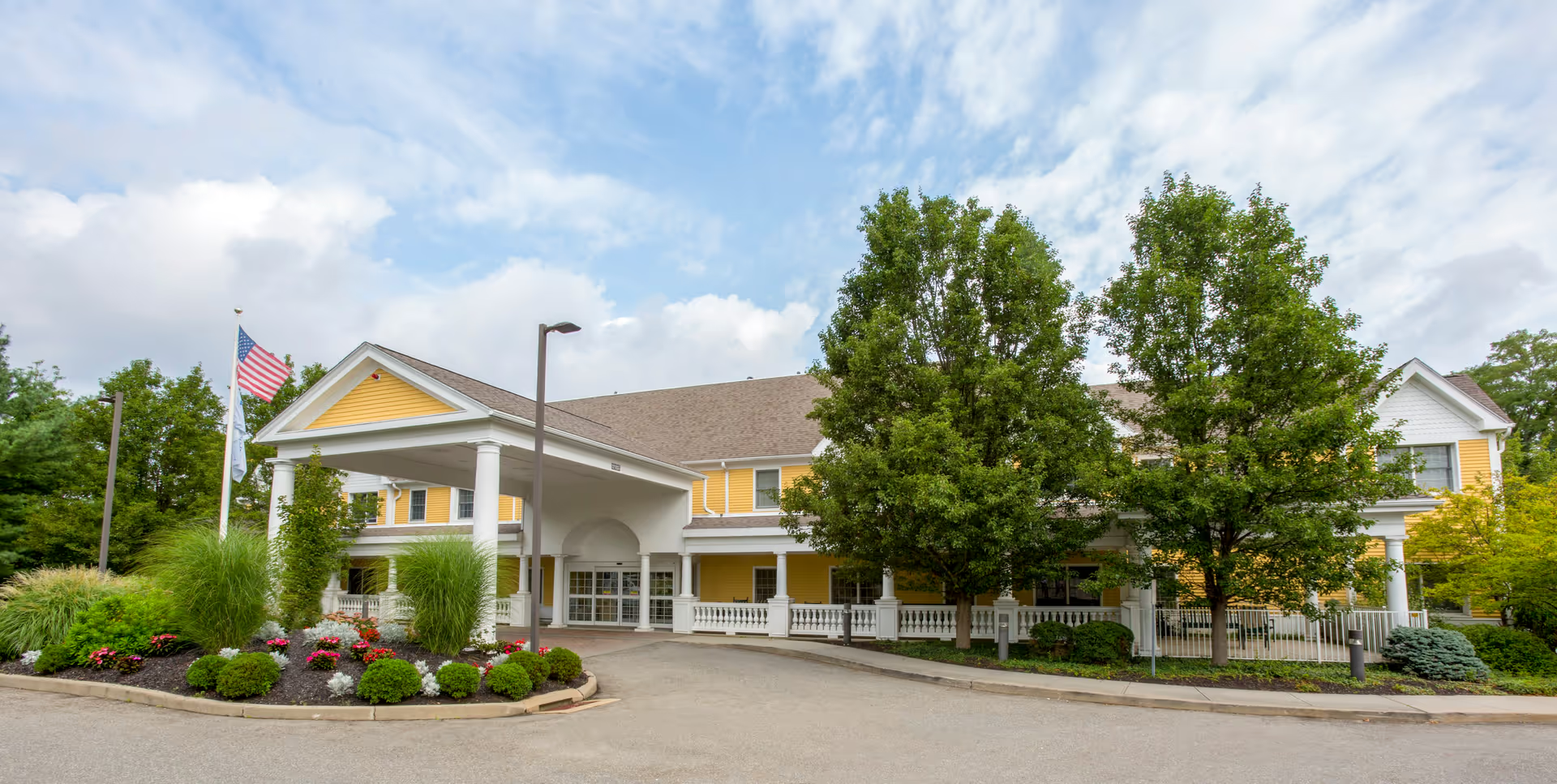
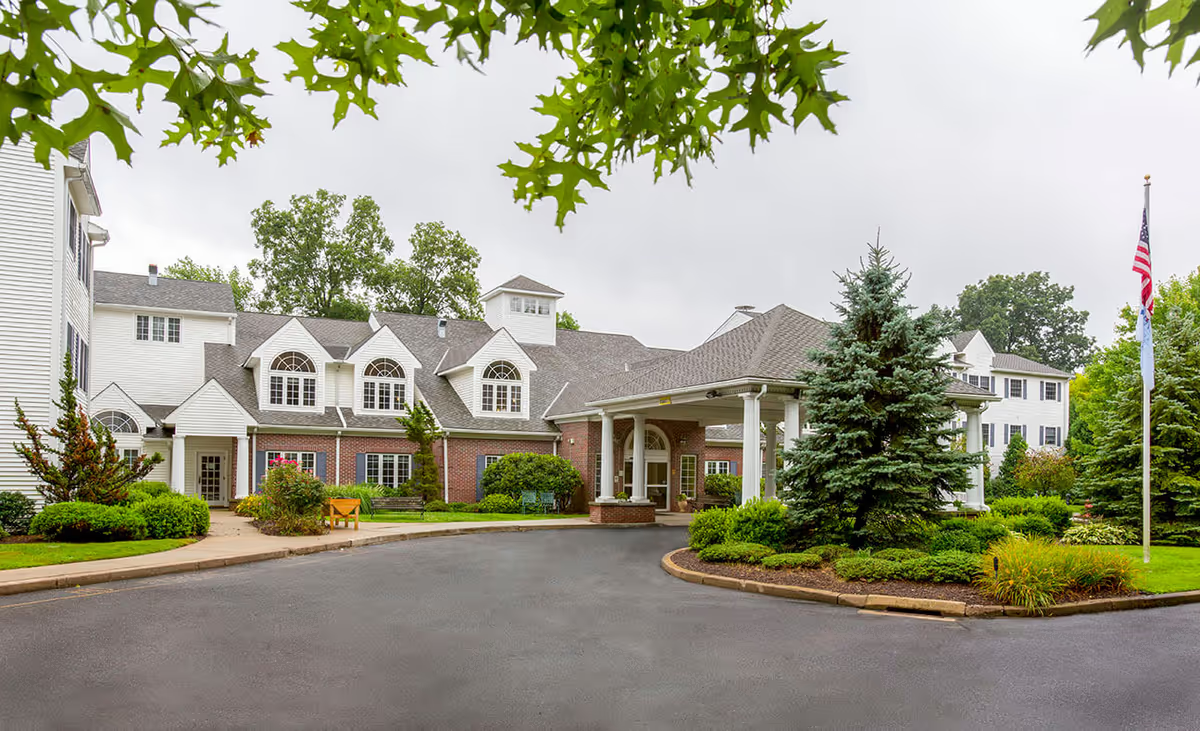
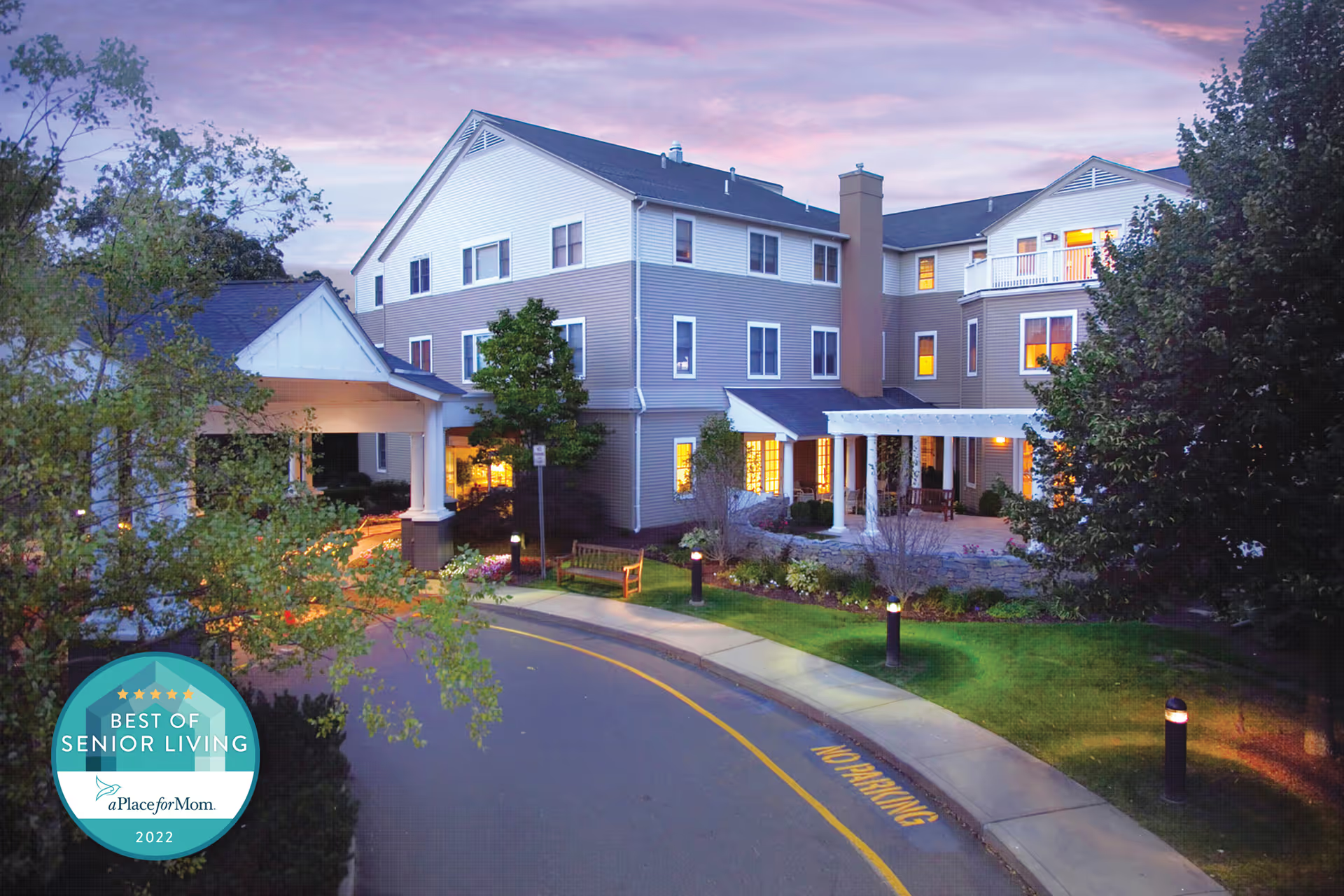
Facilities and maintenance: The building and public areas are frequently described as attractive, clean, and well-decorated, with pleasant common spaces and ample parking. At the same time reviewers describe unit-level maintenance issues such as water stains, peeling wallpaper, HVAC or air-conditioning inconsistencies, dirty windows, and parking-lot potholes. There are also occasional pest-control and sanitation concerns referenced; these indicate uneven environmental oversight across units rather than a uniformly maintained facility.
Management, communication, and transitions of care: Communication and administrative responsiveness are recurring concerns. Families report inconsistent notification about clinical changes and discharge plans, occasional last-minute discharges or inadequate transition arrangements, and difficulties reaching administrators or receiving timely callbacks. Billing and private-pay fee practices (including advance hold fees and delayed refunds) are another frequent source of dissatisfaction. There are also a small number of serious, individual claims about physician conduct and documentation irregularities; these are significant and noted as allegations by families rather than established patterns.
Notable patterns and guidance for families: The overall pattern suggests a facility that can provide strong, rehab-oriented clinical care but that has variability in routine nursing, documentation, and facility maintenance. Prospective residents and families should confirm current staffing ratios on the intended unit, ask for a clear therapy schedule and discharge plan in writing, review medication-administration and infection-control policies (including PPE procedures), clarify any upfront private-pay or refundable fees, and enquire about unit-specific activity programming and environmental maintenance. When possible, meet with unit leadership and therapy staff and request names of primary caregivers to understand who will provide day-to-day care.
In summary, Lord Chamberlain offers pronounced strengths in therapy-driven rehabilitation, several dedicated clinicians, and an attractive campus. Those strengths are counterbalanced by operational inconsistencies that can affect medication safety, timeliness of personal care, facility maintenance, and administrative responsiveness. Visitors’ experiences vary widely by unit and by shift; due diligence and specific, written assurances about staffing, infection control, discharge planning, and billing can help families set expectations and mitigate risk.