St. Joseph's Center elicits a mixed but consistent pattern of strengths and weaknesses across reviewers. Strengths most often cited include a core of compassionate nursing and aide staff, an effective rehabilitation program with many positive therapy outcomes, and an active recreation program offering bingo, crafts, outings and musical programming. Families commonly praised the facility's grounds, chapel and some recently modernized dining spaces, as well as practical amenities such as an on-site salon, accessible bathroom features (grab bars, shower benches), clean linens, and options for virtual family contact and discharge planning.
Care quality appears variable. Numerous accounts describe attentive nursing care, successful short-term rehab, and thorough discharge planning that provided families with reassurance. However, there are also reports of serious lapses in clinical care (including incidents involving airway/tracheostomy management and delayed responses that led to emergency evaluation), inconsistent medication/recordkeeping practices, and uneven availability of specialty services. These account-level failures contribute to a perception that clinical reliability can fluctuate depending on staffing and shift.
Staffing and conduct are recurring themes. Reviewers frequently cite dedicated, kind, and hardworking staff members—particularly in nursing and therapy—while also describing staffing shortages, high turnover, and occasions of concerning staff conduct or poor bedside manner. Those patterns are linked to delays in attending to call bells, inconsistent assistance with meals and personal care, and variable interpersonal interactions. Administrative responsiveness is similarly mixed: some families report proactive social work and regular updates, while others note long phone hold times, failed information updates, and an overall lack of timely communication.
Dining and activities present a contrast. The facility runs a broad activities schedule that many residents enjoy and that supports social engagement and autonomy. Food quality feedback is inconsistent: some reviewers describe decent or affordable dining options for guests, whereas others report unacceptable meal quality and failures to adhere to therapeutic diets. Those inconsistencies appear tied to operational issues in food-service continuity and oversight.
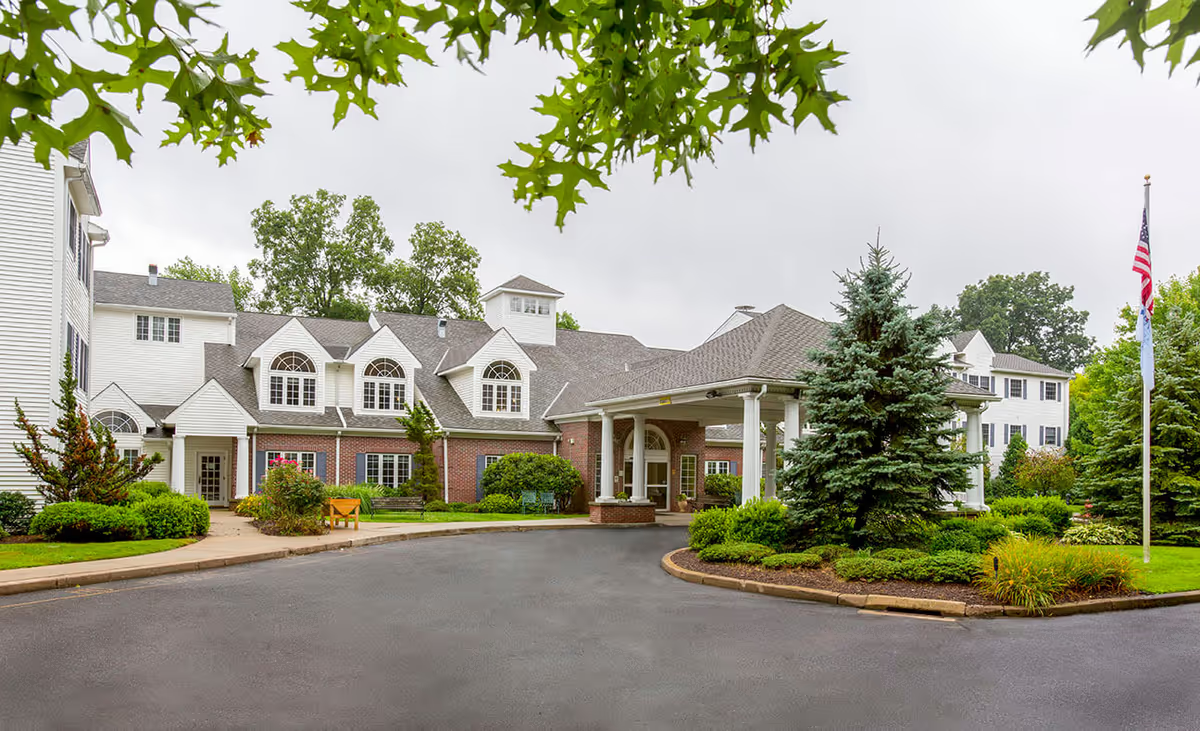
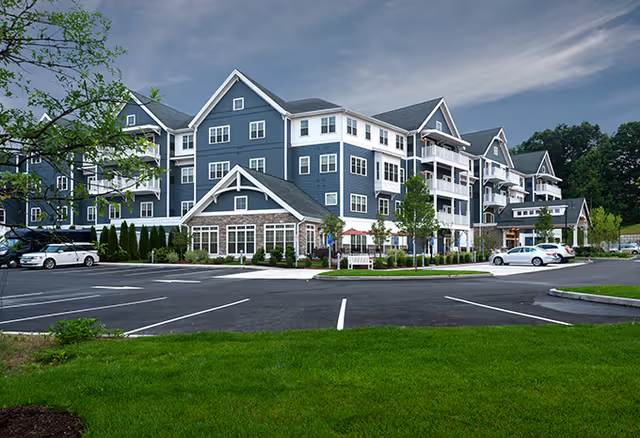
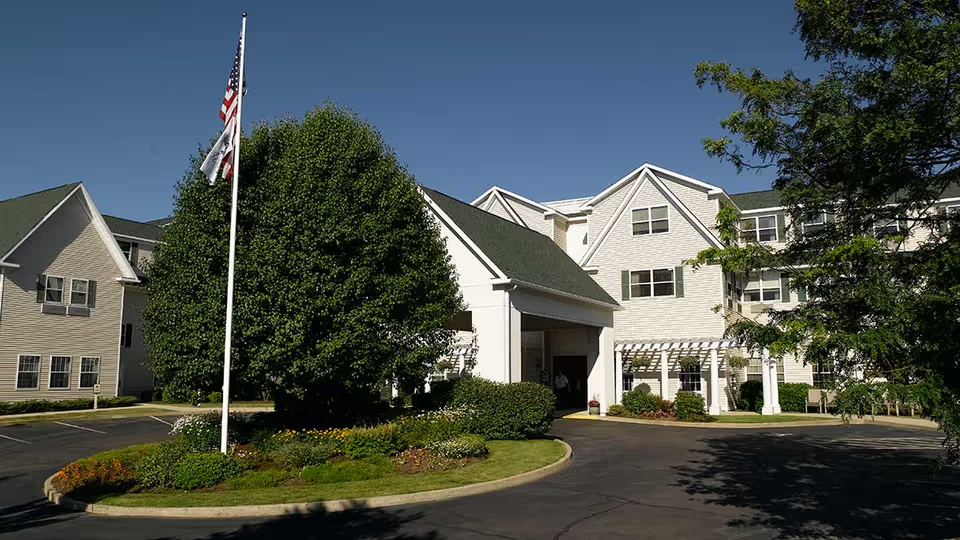
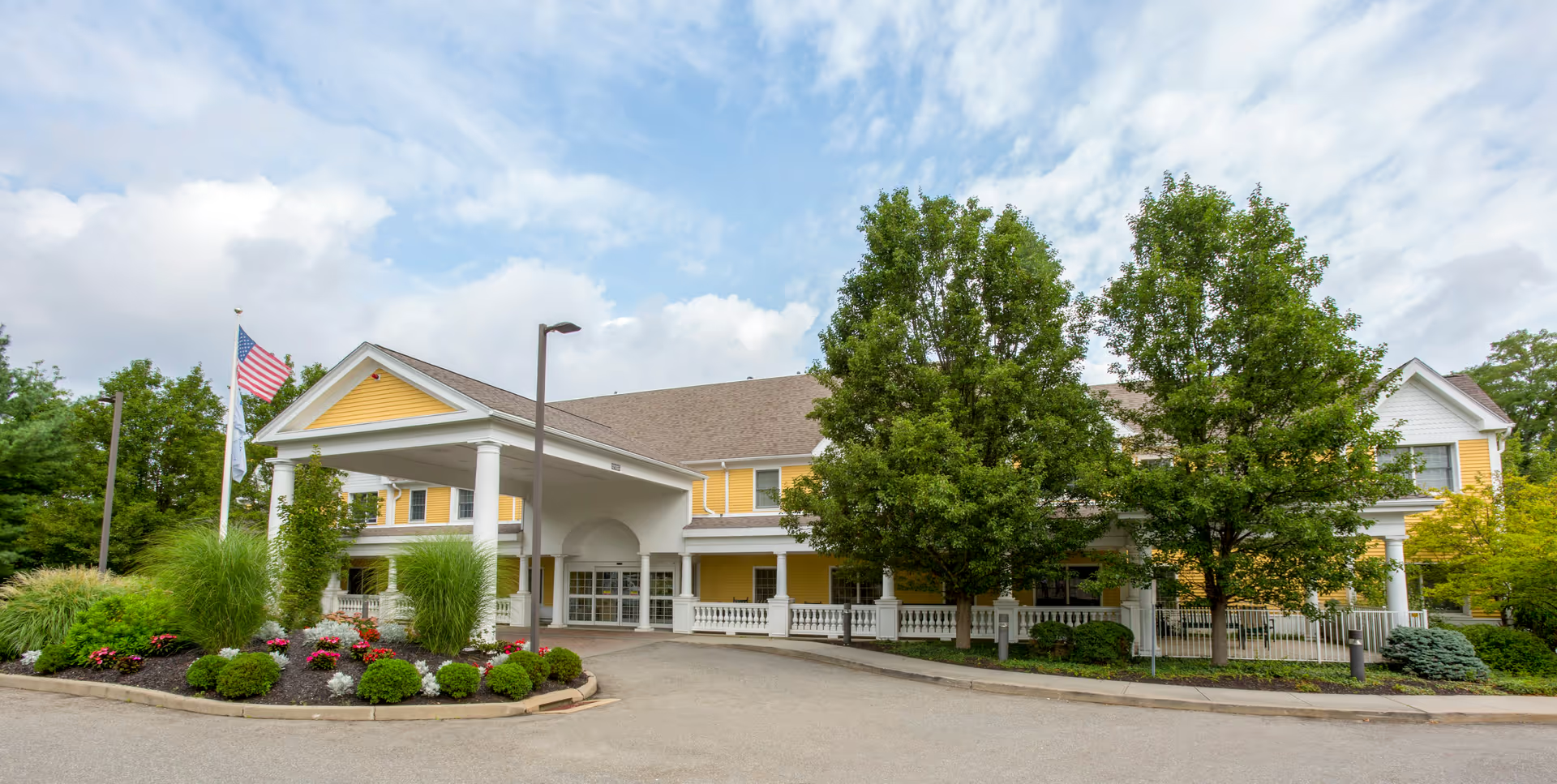
Facility condition and safety posture also vary. Positive comments highlight attractive grounds and some refreshed dining areas, but many reviewers raise concerns about aging infrastructure—out-of-order elevators, dated interior finishes, scraped handrails, and areas needing repair. More serious operational concerns include sanitation and odor issues in parts of the building, equipment-management lapses (for example, missing mobility equipment), and documented problems with the water system and infection-control oversight that required evacuations. While some staff emphasize rigorous hand-hygiene practices, the mixed accounts indicate uneven infection-prevention performance at the facility level.
Overall, St. Joseph's Center may be a reasonable option for short-term rehab and for residents who prioritize active programming and an engaged therapy team, provided families perform targeted due diligence. Prospective residents and families should ask specific questions about current staffing ratios and turnover, emergency response protocols, water-system and infection-control remediation, dietary management and special-diet compliance, documentation practices, and availability of specialty services. Visiting the facility at multiple times of day, meeting the nursing leadership, and requesting recent inspection or remediation records will help assess whether the operational weaknesses described by some reviewers have been addressed.